Esports: The Digital Arena Revolutionizing Competitive Sports
In the past two decades, the world of competitive gaming has transformed from a niche hobby to a global phenomenon. Esports, short for electronic sports, has captivated millions of viewers, players, and sponsors, making it a multi-billion-dollar industry. While traditional sports like football, basketball, and tennis have long dominated the global entertainment landscape, esports is carving out its own space, blending technology, strategy, and human skill in ways that were once unimaginable. This blog explores the evolution, impact, and future of esports, providing insights into why it has become one of the most exciting arenas of modern entertainment.
The Rise of Esports: From Hobby to Global Stage
Esports didn’t become mainstream overnight. Its roots trace back to arcade tournaments and early online multiplayer games in the 1980s and 1990s. Games like Street Fighter, Counter-Strike, and StarCraft laid the foundation for competitive gaming, creating communities of players who thrived on skill, strategy, and rivalry. Unlike casual gaming, these competitions emphasized mastery, teamwork, and mental agility.
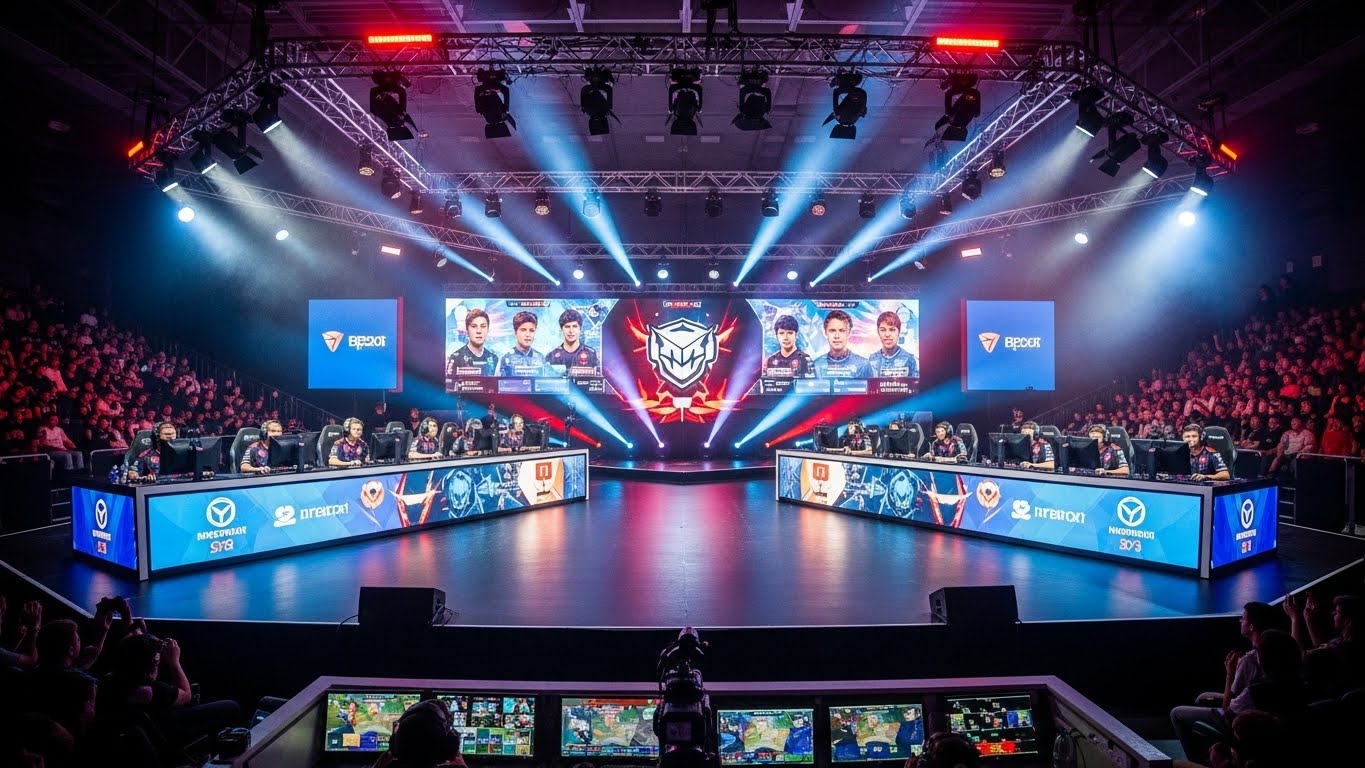
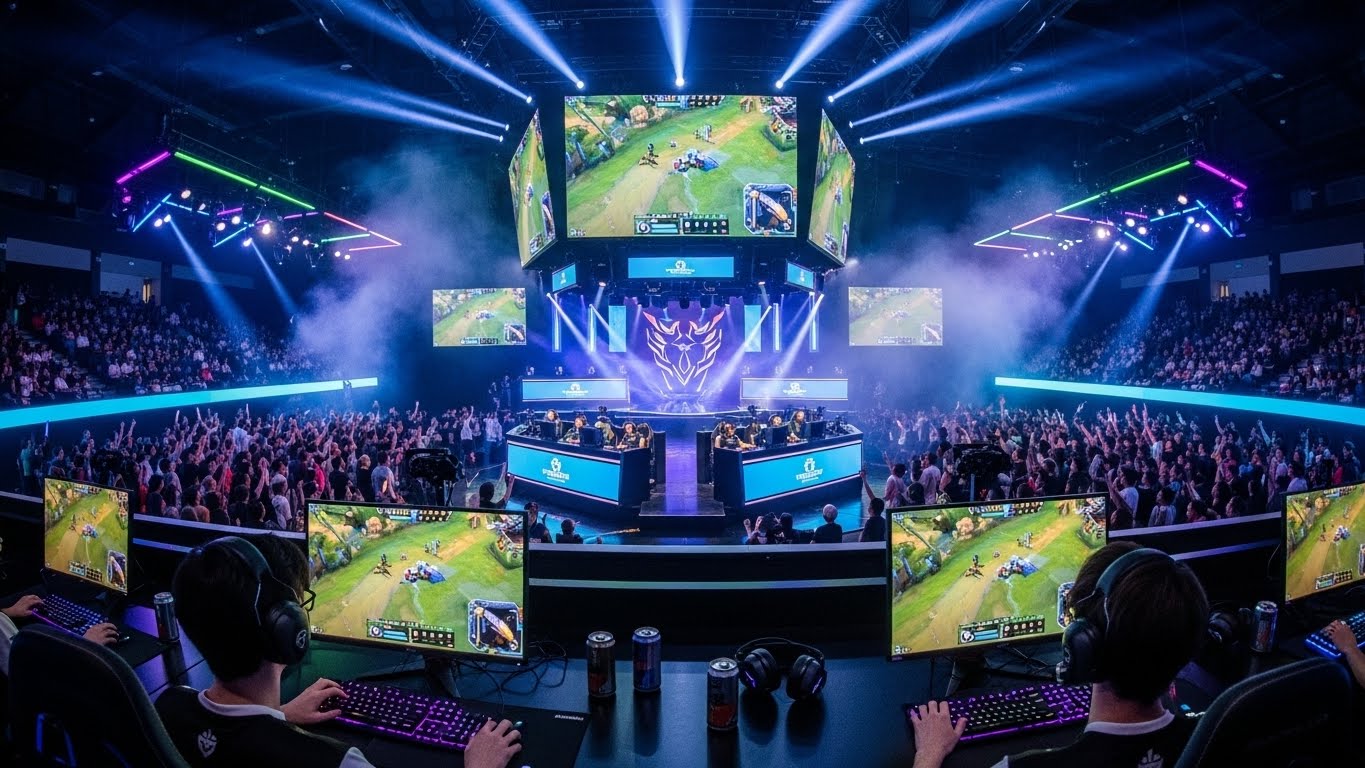
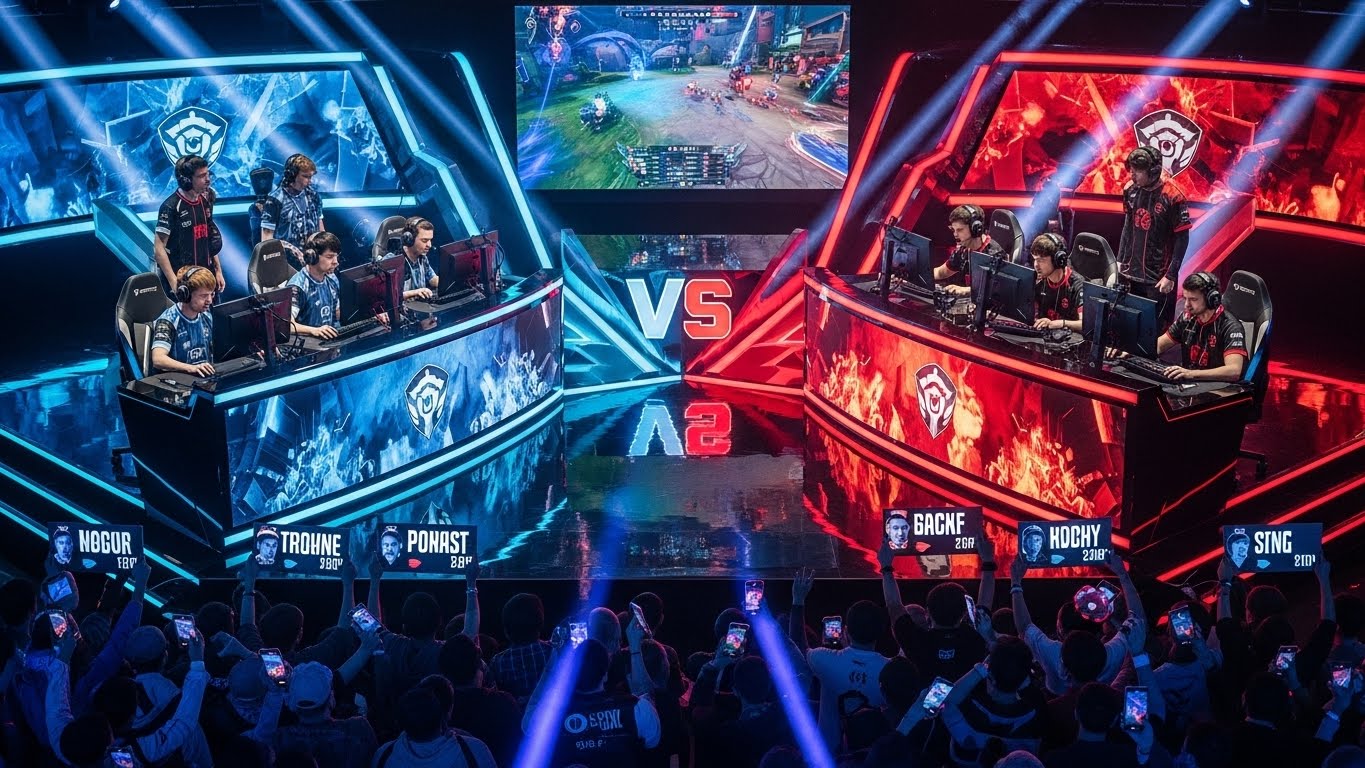
As internet connectivity improved and streaming platforms emerged, esports gained global visibility. The rise of platforms dedicated to live gaming content allowed fans to watch professional players in real-time, creating a fan culture similar to that of traditional sports. Tournaments such as The International for Dota 2 and the League of Legends World Championship attract millions of viewers and offer prize pools that rival those of conventional sporting events.
The Economics of Esports: A Billion-Dollar Industry
One of the most striking aspects of esports is its financial ecosystem. Revenue streams include sponsorship deals, advertising, merchandise sales, and tournament ticketing. Major brands have recognized the marketing potential within esports, often targeting younger, tech-savvy audiences that traditional sports sometimes fail to reach. Companies in technology, energy drinks, fashion, and even automotive sectors are increasingly sponsoring esports teams and tournaments.
Professional players can earn substantial incomes not just from winning competitions but also from streaming, brand endorsements, and merchandise sales. The top-tier players are essentially digital athletes, commanding salaries comparable to professional footballers or basketball players. This economic growth has also spurred the creation of esports organizations, agencies, and training facilities, further solidifying the industry as a legitimate career path.
Popular Esports Games and Genres
Esports is diverse, encompassing multiple game genres, each with its own competitive scene. Some of the most popular genres include:
-
Multiplayer Online Battle Arenas (MOBA): Games like League of Legends and Dota 2 emphasize strategy, teamwork, and long-term planning. These games often feature intricate maps, resource management, and hero selection mechanics, making them complex and exciting for spectators.
-
First-Person Shooters (FPS): Titles such as Counter-Strike: Global Offensive and Call of Duty demand quick reflexes, precise aiming, and tactical coordination. FPS tournaments are known for their high-intensity action and close matchups.
-
Battle Royale: Games like Fortnite and PUBG challenge players to survive against dozens or even hundreds of opponents. The unpredictability of these games keeps audiences on the edge of their seats.
-
Sports Simulation: Digital versions of traditional sports, such as FIFA and NBA 2K, bring a new dimension to fans who love strategy and skill but prefer the virtual arena.
-
Fighting Games: Competitions in games like Street Fighter and Tekken rely on player reflexes, timing, and knowledge of character mechanics.
Each genre attracts a distinct audience, yet all share common elements: skill, strategy, entertainment value, and a sense of community among players and fans.
The Role of Streaming Platforms in Esports Growth
Streaming platforms have been instrumental in turning esports into a mainstream spectacle. Platforms like Twitch, YouTube Gaming, and Facebook Gaming allow players to broadcast live gameplay, tutorials, and commentary. These streams cultivate interactive communities where viewers can engage with players through live chat, donations, and virtual rewards.
This accessibility has democratized esports, allowing anyone with a decent internet connection to watch and learn from professional players. Unlike traditional sports, which require physical attendance or television subscriptions, esports streams are often free, increasing their global reach. This interactivity also creates new revenue opportunities through ads, subscriptions, and fan-supported content, further fueling the industry’s growth.
The Social Impact of Esports
Esports is not just about games and competitions; it has profound social implications. It has created communities where people with shared interests can connect across borders, cultures, and languages. Online tournaments often bring together diverse groups of players, fostering collaboration, teamwork, and healthy competition.
Additionally, esports challenges conventional ideas of sportsmanship and athleticism. While traditional sports emphasize physical prowess, esports highlights mental agility, strategy, and coordination. This shift has expanded the definition of what it means to be an athlete, opening doors for individuals who may not excel in traditional sports but thrive in digital arenas.
Training and Professionalization of Players
Professional esports athletes undergo rigorous training, similar to traditional sports players. Daily practice schedules, strategic planning sessions, and physical fitness routines are common among top-tier teams. Nutrition, mental health, and reaction time exercises are also integrated into their routines to optimize performance.
Organizations often employ coaches, analysts, and support staff to improve team coordination and player performance. This professional approach has elevated the level of competition and made esports more legitimate in the eyes of sponsors, media, and fans. Esports academies and training programs are also emerging globally, offering young talents a structured path to professional careers.
Challenges Facing the Esports Industry
Despite its rapid growth, esports faces several challenges. One major concern is player burnout. Intense training schedules and constant online exposure can lead to physical and mental fatigue. Ensuring player well-being is becoming a critical priority for teams and organizations.
Another challenge is regulation. Unlike traditional sports, esports lacks a unified governing body, which can lead to inconsistencies in tournament rules, player contracts, and dispute resolution. Additionally, issues such as cheating, doping, and online harassment threaten the integrity and reputation of the industry.
Lastly, the perception of esports is still evolving. While younger generations embrace competitive gaming, some segments of society remain skeptical about recognizing it as a “real sport.” Overcoming this stigma is essential for esports to gain broader acceptance and support.
The Future of Esports
The future of esports looks incredibly promising. Technological advancements like virtual reality, augmented reality, and cloud gaming could redefine how players compete and how audiences experience games. Imagine attending a live esports tournament in VR, feeling immersed in the arena with players and fans from around the world.
Esports is also poised to expand into education and corporate sectors. Universities are offering scholarships for esports players, while companies are organizing corporate tournaments and team-building exercises centered around gaming. This integration into mainstream institutions will further solidify esports as a recognized and respected field.
Furthermore, with increasing prize pools, sponsorships, and global tournaments, esports may rival or even surpass some traditional sports in terms of viewership and economic impact. Its ability to adapt to technological trends, reach global audiences, and foster passionate communities ensures its place as a permanent fixture in modern entertainment.
Conclusion: Esports as a Cultural Phenomenon
Esports has evolved far beyond its humble beginnings as a hobby for enthusiasts. It is now a cultural phenomenon that blends technology, skill, and entertainment in unprecedented ways. The rise of professional players, global tournaments, and streaming platforms has created a thriving ecosystem with economic, social, and cultural significance.
While challenges remain, the resilience, innovation, and passion within the esports community suggest that this digital arena will continue to grow, inspire, and redefine the meaning of competition for generations to come. As technology and human creativity converge, esports is not just a game—it is a testament to the limitless potential of the digital age.