Introduction
In the span of only a few decades, esports has surged from niche hobby to global phenomenon. What once existed quietly in arcades, internet cafés, and LAN parties has evolved into a professional, highly organized competitive industry that attracts millions of fans, generates massive revenue, and shapes modern entertainment culture. Esports today stands at the intersection of technology, sports, media, and youth culture, creating a powerful new frontier where digital skill and strategy shine as brightly as physical athleticism. This blog explores the evolution, culture, impact, and future of esports, uncovering why it has grown into a defining feature of twenty-first-century competition.
The Rise of a Digital Battleground
Esports did not appear out of nowhere. Its roots stretch back to the earliest days of video games, when players competed for high scores on classics like Space Invaders, Pac-Man, and Donkey Kong. These initial contests were humble, often held in arcades or organized informally among friends. Yet they ignited a spark of competition that would continue to grow.
The real turning point came with the internet. Online connectivity transformed isolated gaming sessions into expansive digital arenas where players could battle opponents from around the world. Titles like StarCraft, Counter-Strike, and Warcraft III built the foundations of competitive gameplay by offering depth, balance, and global matchmaking. As technology improved, so did the complexity and scale of competitive gaming. New genres like multiplayer online battle arenas, hero shooters, and battle royales expanded the landscape, attracting massive communities and setting the stage for large-scale esports events.
Professionalization and the Birth of Modern Esports
By the mid-2000s, esports had evolved into something far more organized and professional. Dedicated leagues, tournaments, and team organizations emerged, offering structured formats, prize pools, and consistent schedules. This professionalization mirrored traditional sports in many ways. Teams hired coaches, analysts, and managers. Players signed contracts, trained full-time, and adhered to strict discipline routines. The introduction of specialized gaming houses further transformed esports into a career path rather than a hobby.
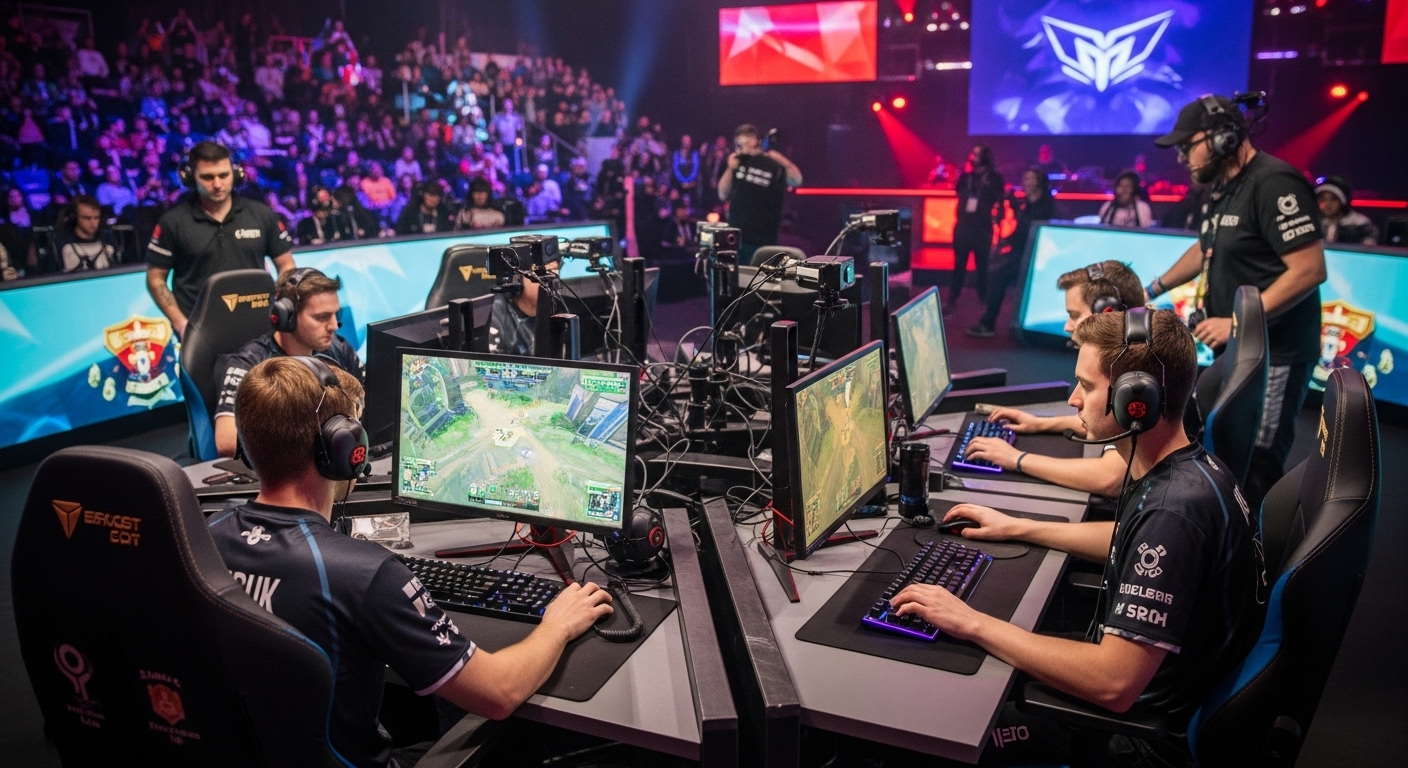
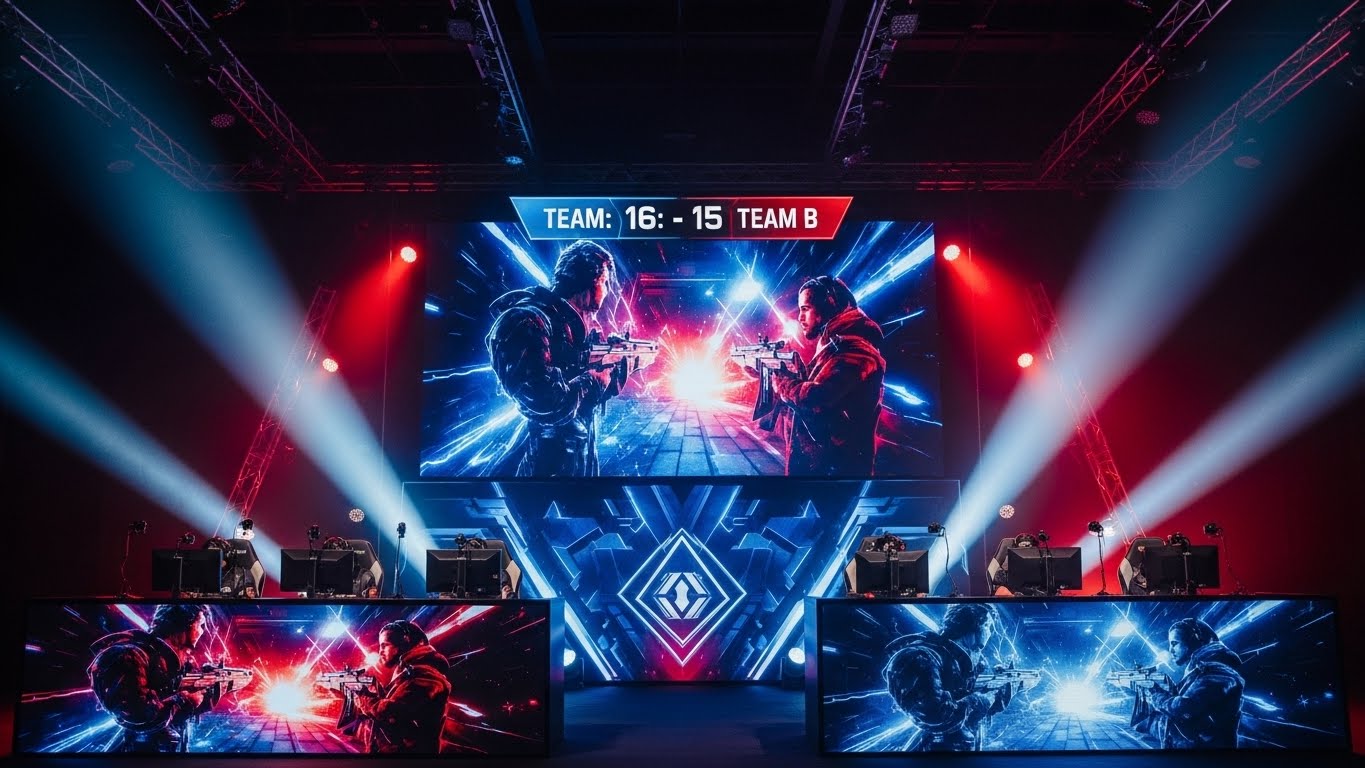
Major tournaments such as global championships, international invitationals, and seasonal leagues began attracting not just players, but sponsors, broadcasters, and advertisers. Stadiums filled with fans eager to watch digital battles live, while millions more tuned in through streaming platforms. Esports became a legitimate spectacle, complete with live commentary, storytelling, and emotional highs and lows.
The Esports Athlete: Skill, Strategy, and Dedication
A common misconception is that esports lacks the physical rigor traditionally associated with athletics. While it is true that esports does not require running laps or lifting weights, the skills required are no less demanding. Professional players rely on exceptional reflexes, spatial awareness, strategic thinking, and team coordination. Many possess reaction times measured in milliseconds and the ability to process information faster than the average person.
Training routines are intense. Players often practice for eight to twelve hours a day, analyzing gameplay, refining mechanics, and reviewing strategies with their teams. Mental endurance is crucial, as competitive matches can last for long periods and require sustained concentration. Much like traditional athletes, esports players must manage stress, maintain physical health, and avoid burnout. The pressure to perform at the highest levels requires discipline and focus, traits shared across all competitive sports.
Global Fan Culture and Community
Esports fandom is a vibrant, passionate, and deeply connected community. Fans do more than simply watch matches; they follow players, support organizations, participate in online discussions, and create content. Streaming platforms allow fans to interact directly with players, breaking down barriers between professionals and audiences. This sense of accessibility strengthens loyalty and helps build thriving communities around specific games and teams.
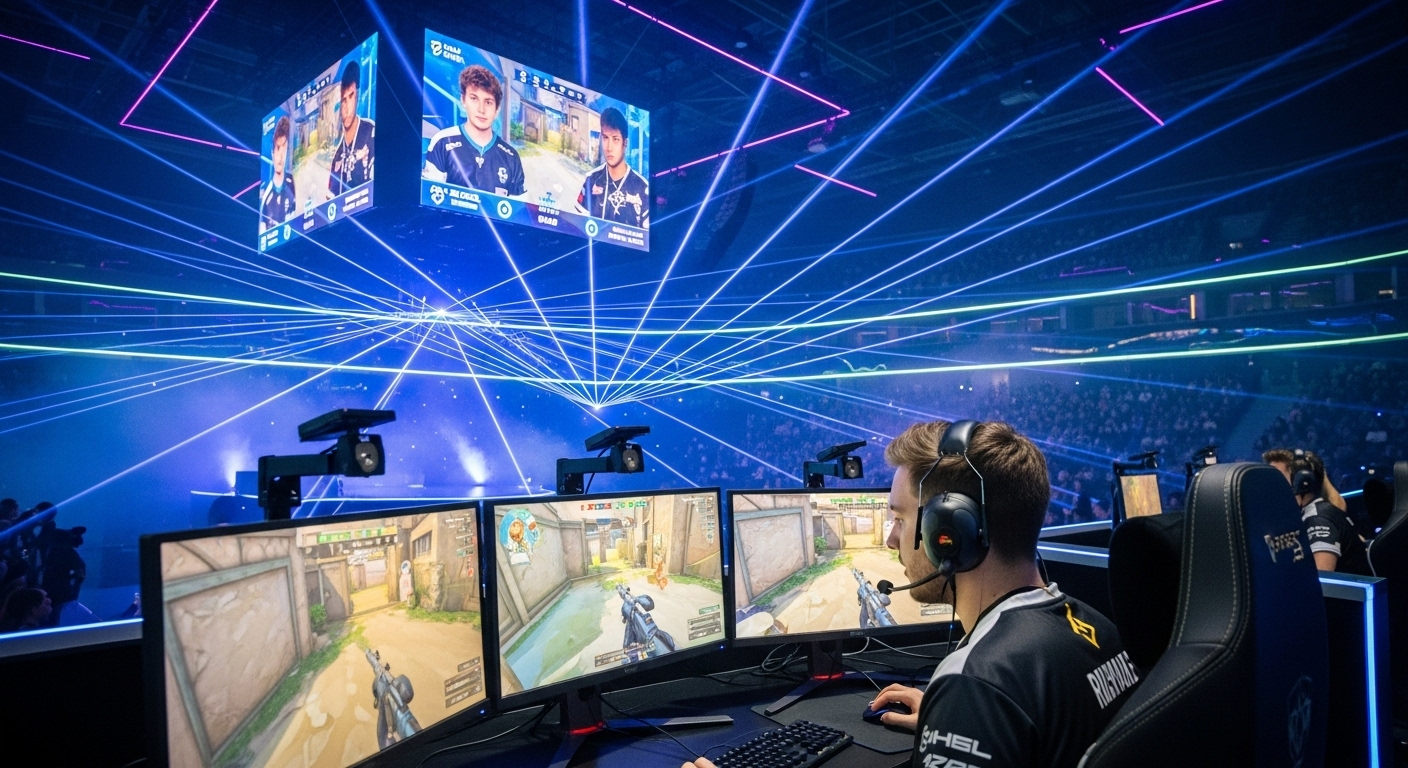
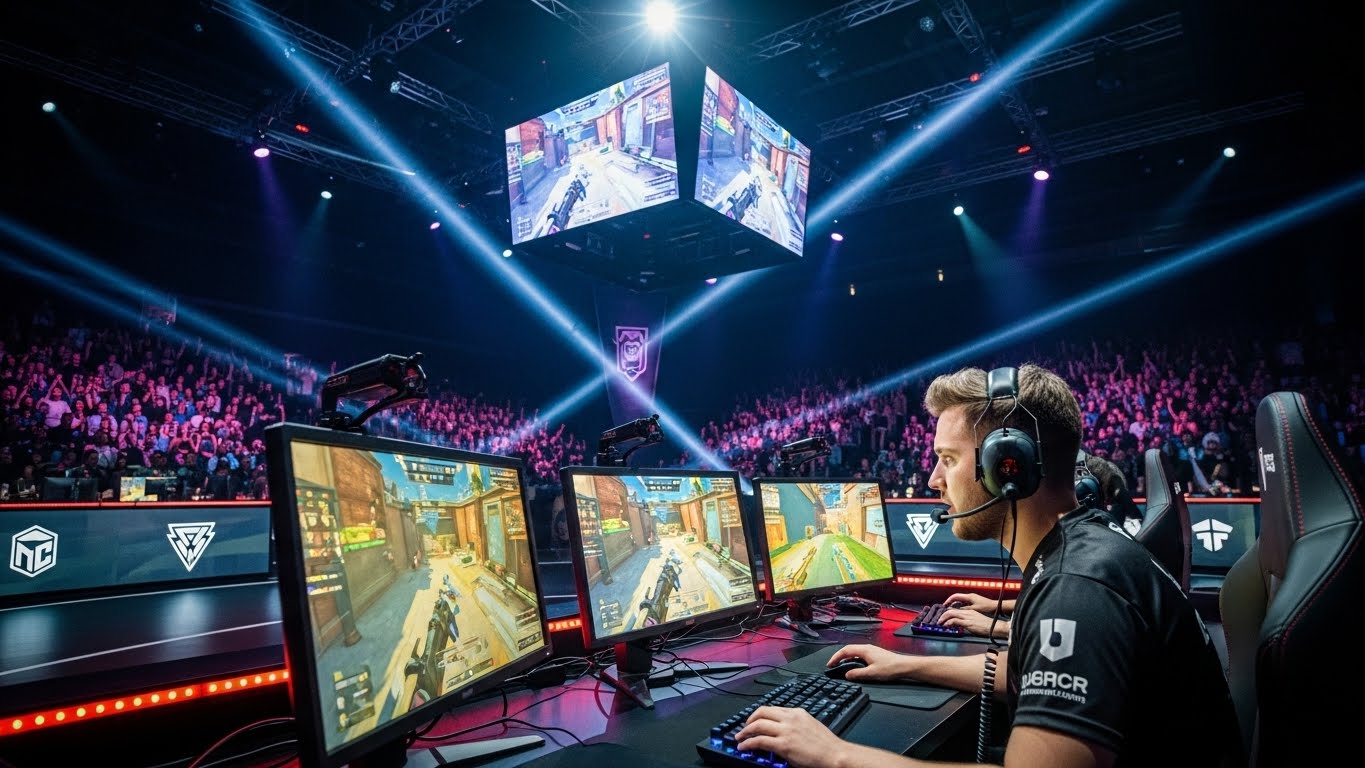
Events themselves feel electric. The cheers of thousands of fans, the dramatic lighting, the commentary from casters, and the intensity of live gameplay combine to create an atmosphere as exhilarating as any traditional sports match. Cosplay, community art, fan chants, and in-game celebrations all contribute to a rich culture that extends far beyond the matches themselves.
Economic Impact and Industry Expansion
The esports industry has grown into a significant economic force. Revenue comes from sponsorships, advertising, merchandise, media rights, team branding, and event ticket sales. Major companies have invested in esports, recognizing its appeal to younger, tech-savvy audiences. Professional teams often resemble traditional sports franchises, complete with training facilities, management departments, and global fan bases.
This growth has opened opportunities across multiple sectors. Careers in esports now include roles such as coaching, commentary, event production, graphic design, analytics, and content creation. Many universities offer esports scholarships and academic programs, acknowledging the industry’s long-term potential. Cities around the world are building esports arenas and hosting international tournaments, drawing tourism and global attention.
The Impact of Technology on Esports Evolution
Esports is deeply tied to technological advancement. As hardware improves, games become more immersive, competitive, and visually engaging. High-speed internet, powerful GPUs, virtual reality, and cloud gaming all influence the way esports is played and consumed.
Streaming technology has been particularly transformative. Platforms that allow live broadcasting have enabled players to build personal brands, grow followings, and create secondary income streams. This technology also democratizes competition, allowing anyone with talent and dedication to showcase their abilities to a global audience.
Artificial intelligence, analytics tools, and data-driven coaching have further advanced training methods. Teams can now analyze thousands of gameplay data points to optimize performance. This fusion of technology and competition ensures that esports will continue evolving in new and exciting ways.
Social Influence and Cultural Transformation
Esports has become more than entertainment; it is a cultural movement. It has reshaped how people connect, collaborate, and compete. Younger generations view gaming as not only a pastime, but a legitimate career path and creative outlet. Streaming personalities, professional players, and content creators have risen to celebrity status, influencing fashion, music, and digital culture.
Esports has also contributed to global cultural exchange. Players from different countries form teams, compete internationally, and interact with fans worldwide. This global diversity fosters cross-cultural understanding and shared experiences in digital spaces.
Challenges Within the Esports Ecosystem
Despite its explosive growth, esports faces challenges. Player burnout remains a serious concern, as long practice hours and constant competition can take a mental toll. Maintaining fair play is another challenge; anti-cheating technology must continually evolve to match players seeking illicit advantages.
The industry also grapples with stability issues, including fluctuating game popularity, inconsistent league structures, and financial risks for teams. Ensuring long-term sustainability requires collaboration among developers, organizations, players, and communities.
Inclusivity is another area needing improvement. While esports is accessible to anyone with an internet connection, marginalized groups often face barriers such as discrimination and lack of representation. Addressing these issues is essential for the industry’s continued growth and integrity.
The Future of Esports: New Horizons
Looking ahead, esports is poised for even greater expansion. Virtual reality competitions could merge physical and digital skill, creating entirely new forms of gameplay. Mobile esports will continue rising, especially in regions where smartphones dominate gaming culture.
Educational institutions may integrate esports more deeply into curriculum, offering degrees focused on game design, event management, and digital media. Traditional sports organizations may further collaborate with esports leagues, blending physical and digital competition.
Esports could also become an Olympic event in the future, a possibility widely discussed as digital competition gains recognition. Regardless of whether that day comes soon or far in the future, esports is undeniably shaping the global landscape of competition.
Conclusion
Esports has transcended its origins to become one of the most influential and dynamic industries of the modern era. It brings together players, fans, creators, and innovators in an ever-evolving world where skill, strategy, and passion fuel the competition. As technology advances and communities continue to grow, esports will only deepen its impact on global entertainment, culture, and digital interaction. What began as simple gaming has transformed into a powerful competitive frontier that inspires millions and represents the future of how the world plays and competes.