Introduction: A New Frontier of Competition
In the past two decades, the concept of competition has expanded far beyond traditional sports. A new arena has emerged—esports, or electronic sports. What was once a casual pastime for dedicated gamers has now transformed into a global phenomenon with millions of fans, professional players, and enormous financial stakes. Esports is not merely about playing video games; it is a complex ecosystem involving skill, strategy, teamwork, and entertainment.
The rise of esports marks a significant cultural shift. It demonstrates how digital platforms have redefined the boundaries of competition. Today, players compete in massive tournaments watched by millions of fans around the world, while teams receive sponsorships and media coverage similar to traditional sports. The esports industry has become a career path, a cultural movement, and a rapidly growing economic force.
The Evolution of Esports
Esports did not appear overnight. Its evolution is tied closely to technological advancements and changes in social behavior. Competitive gaming has roots in the 1970s and 1980s with arcade tournaments and early multiplayer competitions. Games like Space Invaders, Pac-Man, and Street Fighter created the first communities of competitive players, though the scale remained local and limited.
The 1990s introduced personal computers, local area networks, and online multiplayer games, allowing players to compete across cities and countries. Titles such as StarCraft, Quake, and Counter-Strike laid the foundation for professional gaming by introducing structured tournaments, team strategies, and ranking systems. These innovations turned gaming into a serious competitive pursuit rather than merely a hobby.
The 2000s brought another transformation. Streaming technology and internet connectivity allowed fans to watch live gameplay and follow tournaments worldwide. Organizations began forming professional teams, offering contracts and sponsorships. Today, esports commands global audiences, sells out stadiums, and features prize pools comparable to major traditional sports events.
Popular Esports Games and Their Communities
Esports is not defined by a single game; it encompasses a variety of competitive titles, each attracting different players and audiences. Popular games like League of Legends, Dota 2, Counter-Strike: Global Offensive, Fortnite, and Valorant dominate the scene. Each game requires unique skills, strategies, and teamwork.
League of Legends, often referred to as LoL, is a multiplayer online battle arena game emphasizing teamwork, quick thinking, and strategy. Its professional scene includes regional leagues and a world championship, drawing massive global viewership. Dota 2 is known for its complex mechanics and competitive depth, with tournaments featuring multi-million-dollar prize pools.
First-person shooter games such as Counter-Strike: Global Offensive and Valorant demand precision, fast reflexes, and coordination. Fortnite, a battle royale game, combines shooting skills with creative building mechanics, making it accessible to younger audiences while maintaining competitive intensity.
The diversity of games in esports has fostered global communities. Players from different countries and cultures come together to share strategies, compete, and celebrate achievements. These communities extend beyond the games themselves, creating fan art, social media discussions, and online content that reinforces the culture of esports.
Technology as a Driving Force
Technology is at the heart of esports growth. High-speed internet, advanced gaming hardware, and streaming platforms have made competitive gaming accessible and engaging. Players can compete globally, while fans can watch live tournaments from anywhere in the world.
Streaming platforms have transformed the industry by allowing players to broadcast gameplay in real-time. This has given rise to content creators who are as influential as professional athletes, and it has turned casual matches into events with large audiences. Fans can interact, analyze strategies, and engage with players on a personal level, increasing the appeal and reach of esports.
Emerging technologies like virtual reality and augmented reality are poised to further expand esports. VR competitions can provide immersive experiences, while AI-driven analytics help players refine strategies and improve performance. The integration of technology ensures that esports continues to evolve and captivate audiences worldwide.
Esports as a Career
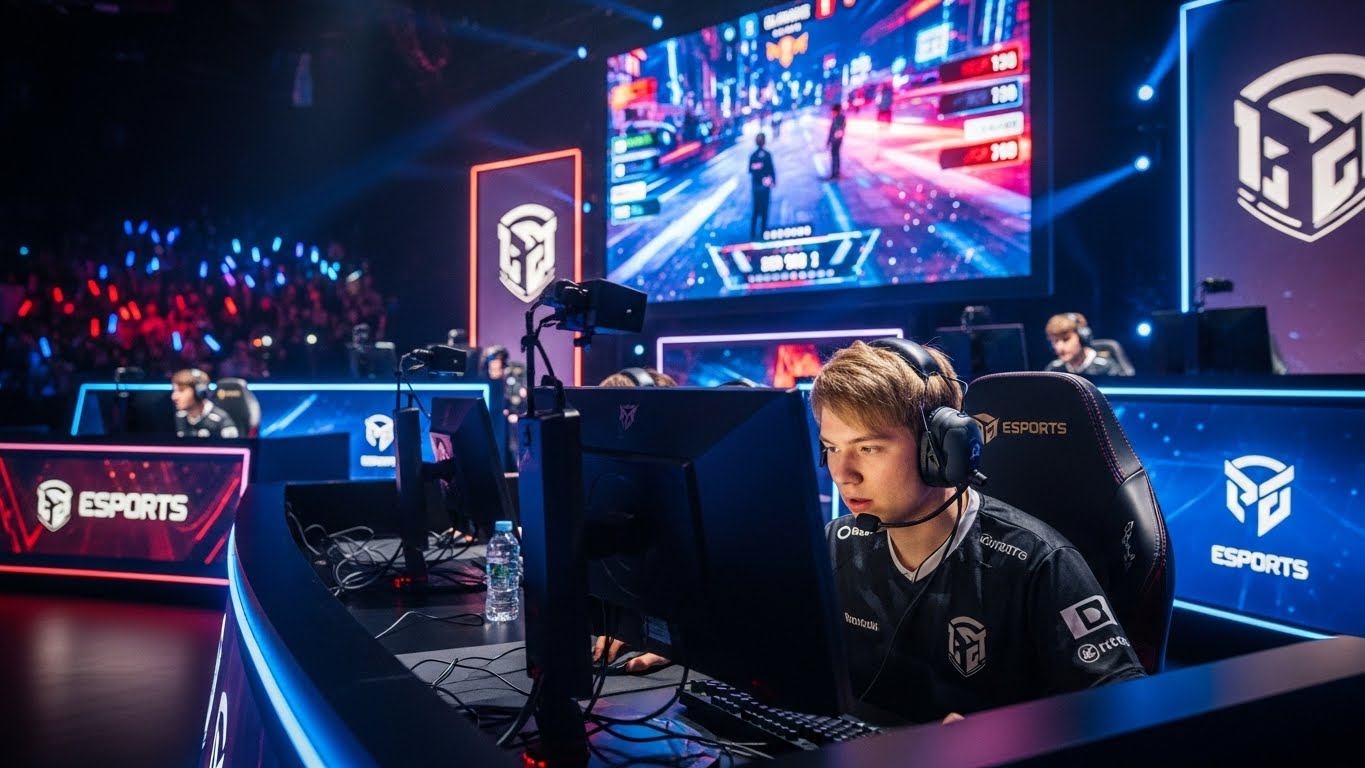
Esports has become a legitimate career path, offering opportunities for professional players, coaches, analysts, and content creators. Top players earn substantial incomes through salaries, tournament winnings, and sponsorships. Professional esports requires rigorous training, strategic thinking, and physical and mental endurance.
Despite the potential rewards, the path is highly competitive. Only a fraction of players reach professional status, and the career can be unstable due to changing sponsorships and evolving game popularity. However, esports also offers careers in event management, broadcasting, marketing, and game development. The industry’s growth has created diverse career options beyond playing professionally, making it more inclusive and sustainable.
Cultural Impact of Esports
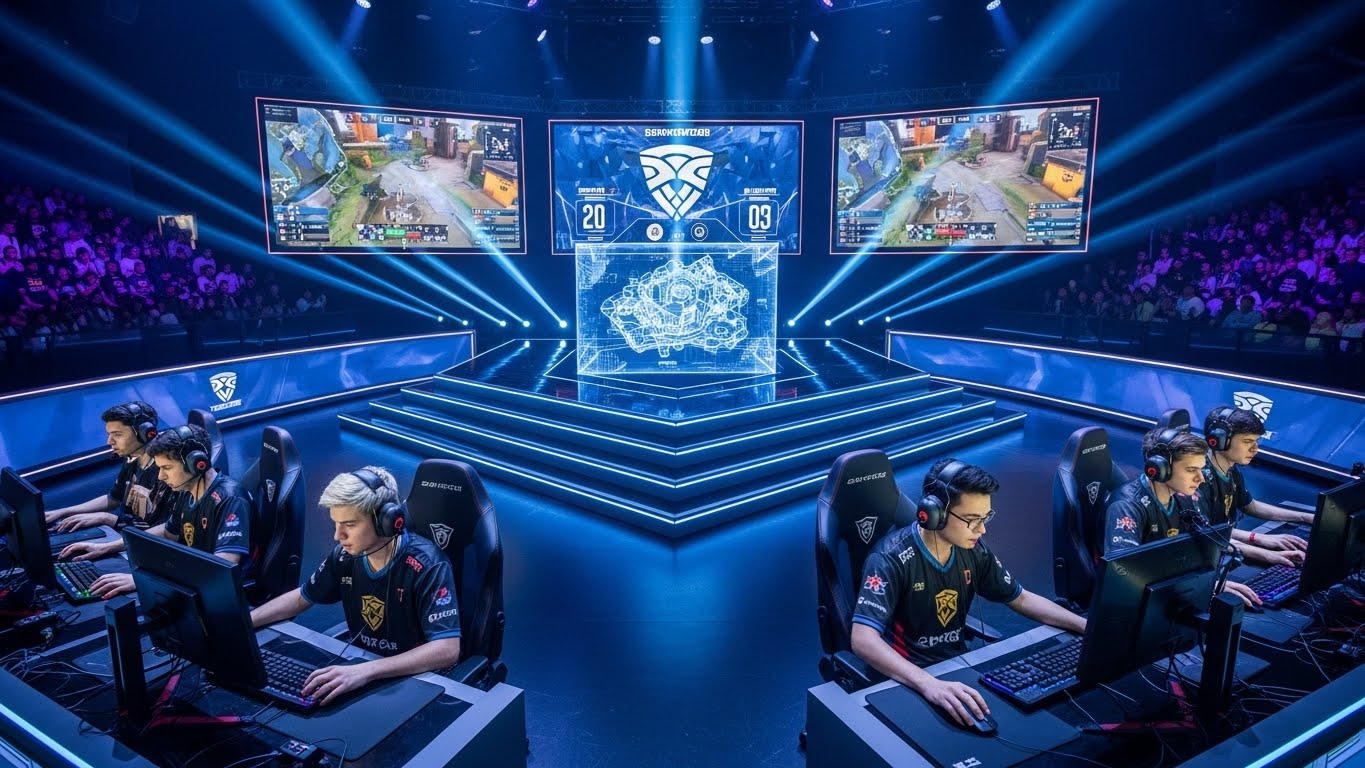
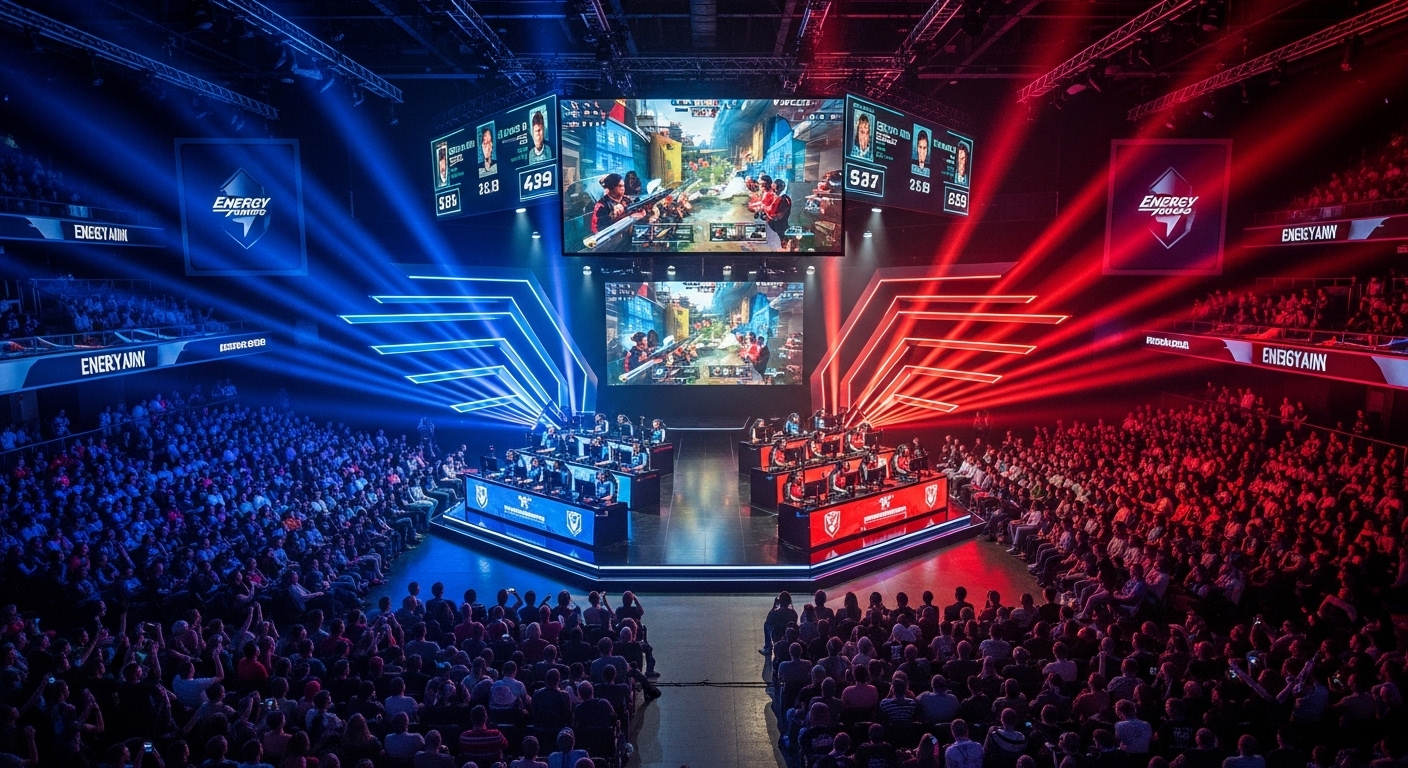
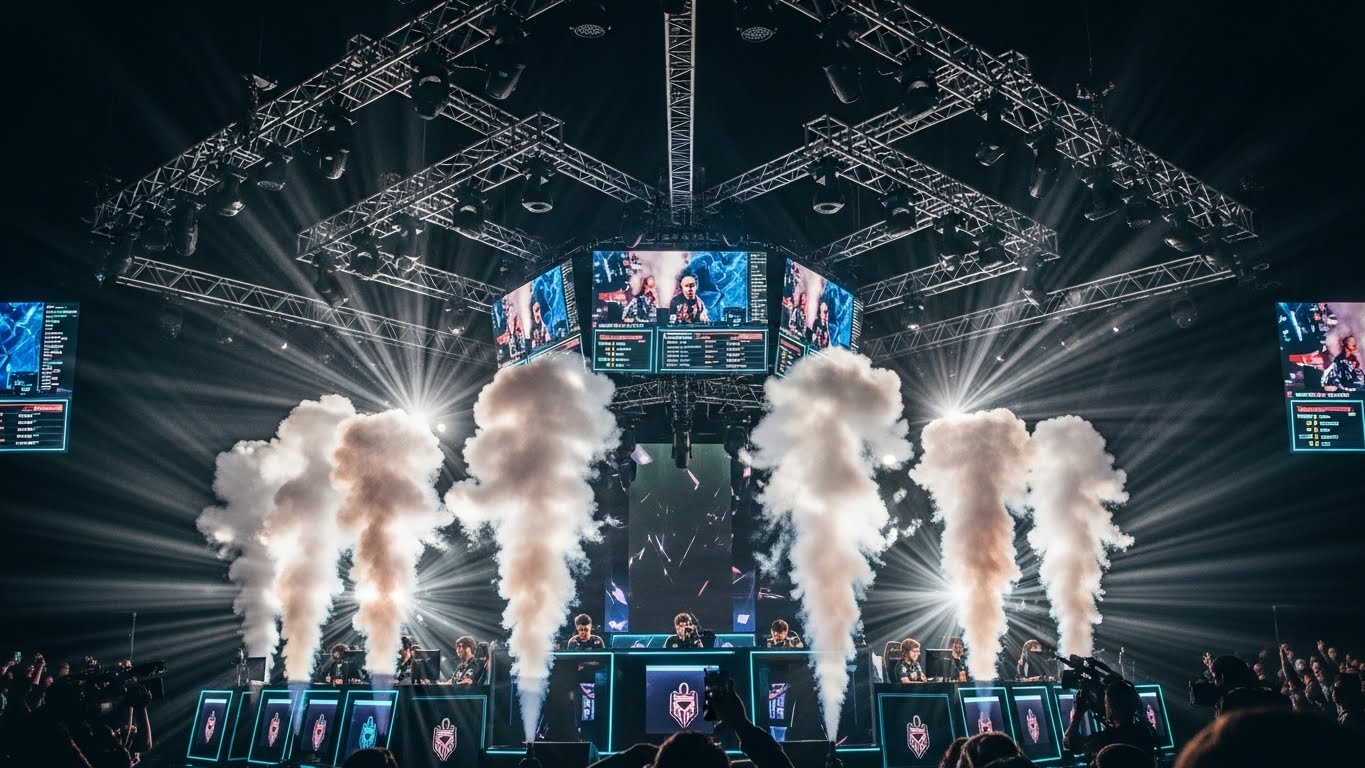
Esports has become a cultural phenomenon, influencing entertainment, fashion, music, and social interaction. Major tournaments often resemble music concerts or theatrical productions, with elaborate stages, live performances, and fan experiences. Merchandise, apparel, and digital content further strengthen the connection between players and fans.
The global nature of esports fosters cross-cultural interaction. Players and fans from diverse backgrounds engage in shared experiences, creating international communities. These communities provide a sense of belonging and collective identity, reinforcing the cultural significance of esports. The industry has also inspired creative content, from streaming videos and tutorials to fan art and social media campaigns, solidifying its position in popular culture.
Economic Influence
The economic impact of esports is substantial. Revenue comes from sponsorships, advertising, media rights, merchandise sales, and event tickets. High-profile tournaments offer millions of dollars in prize money, attracting investment and attention from global brands.
Esports sponsorships extend beyond gaming-related companies. Technology brands, apparel companies, and energy drinks are heavily invested in the industry. Non-endemic companies also sponsor events to reach younger, digitally connected audiences. This influx of investment has helped professionalize teams, develop infrastructure, and produce world-class tournaments.
Additionally, esports supports a wide range of ancillary industries. Streaming platforms generate advertising revenue, content creators monetize audiences, and event organizers boost local economies through tourism, hospitality, and merchandise sales. The economic ecosystem surrounding esports demonstrates its significance beyond entertainment, influencing multiple sectors worldwide.
Challenges in Esports
Despite its growth, esports faces challenges. Player burnout, mental health issues, and physical strain are significant concerns due to intense training schedules and long hours. The industry also struggles with diversity, as female players and minority communities are underrepresented in professional leagues.
Sustainability is another challenge. The popularity of specific games fluctuates, affecting sponsorship and player opportunities. Additionally, regulation and standardization of tournaments, contracts, and player rights remain ongoing issues. Addressing these challenges is crucial for ensuring the long-term growth and legitimacy of esports as an industry.
The Future of Esports
The future of esports is full of potential. Technological advancements, growing mainstream acceptance, and expanding audiences are shaping its trajectory. Virtual reality competitions, AI coaching tools, and cross-platform gameplay will enhance both player performance and fan engagement.
Education is becoming a part of esports’ future. Universities and schools now offer scholarships, academic programs, and courses in competitive gaming, game design, and management. These initiatives provide structured learning and professional pathways, further legitimizing esports as a career and integrating it into formal education.
Esports is also likely to see closer integration with traditional sports. Hybrid events, collaborative marketing campaigns, and joint fan experiences may redefine how people consume entertainment and competition. The growing influence of esports in both digital and real-world arenas ensures it will remain a central part of global culture for years to come.
Conclusion: Esports as a Defining Force
Esports has transcended its origins as a casual hobby to become a global cultural, economic, and competitive force. It challenges traditional notions of competition, creates new career paths, and fosters international communities. Its growth demonstrates the transformative power of technology in shaping culture and society.
More than just games, esports represents a new form of skill, strategy, and collaboration. As digital arenas continue to expand, esports will redefine entertainment, competition, and social interaction. Its influence is undeniable, and its evolution is only just beginning. The rise of esports is not merely a trend—it is a defining force of the digital age.