Level Up: How Esports is Transforming Competition and Culture
Introduction: The Digital Revolution in Gaming
Esports, or competitive video gaming, has evolved from a niche hobby into a global phenomenon that rivals traditional sports. Over the past two decades, it has attracted millions of fans, created professional careers, and transformed gaming into a serious competitive pursuit. What was once dismissed as casual entertainment is now recognized as a legitimate form of competition that blends skill, strategy, and innovation. Esports is not just about playing games; it is about community, culture, and the pursuit of excellence in a digital arena.
The Origins of Esports
The roots of esports date back to the late 1970s and 1980s when arcade competitions and high-score challenges became popular. Players competed for recognition, pride, and small prizes, sparking the first competitive gaming communities. The 1990s marked a significant turning point with the rise of personal computers and online gaming, allowing players to connect and compete across continents. Games like Doom, Quake, and StarCraft introduced organized tournaments and ranking systems, creating the foundations of modern esports leagues. These early competitions laid the groundwork for the professional scene we see today.
From Hobby to Profession
In the early 2000s, competitive gaming began to evolve into a professional pursuit. Gaming organizations were formed, players were signed to contracts, and structured leagues emerged. Today, professional esports athletes dedicate hours each day to practice, strategy development, and physical fitness. Many players work with coaches, analysts, and nutritionists to maintain peak performance. Esports has become a career that requires discipline, resilience, and constant learning. Unlike casual gaming, professional players must balance personal skill development with teamwork, mental toughness, and public representation.
Key Games Driving Esports Growth
Certain game titles have significantly influenced the rise of esports. Multiplayer online battle arenas such as League of Legends and Dota 2 demand strategic thinking, teamwork, and precise execution. First-person shooters like Counter-Strike and Valorant focus on reflexes, accuracy, and tactical coordination. Sports simulation games such as FIFA and NBA 2K replicate real-world sports, attracting fans who enjoy competitive realism. Each genre caters to different audiences, creating a diverse ecosystem where players and fans can find their niche.
The Global Audience and Community
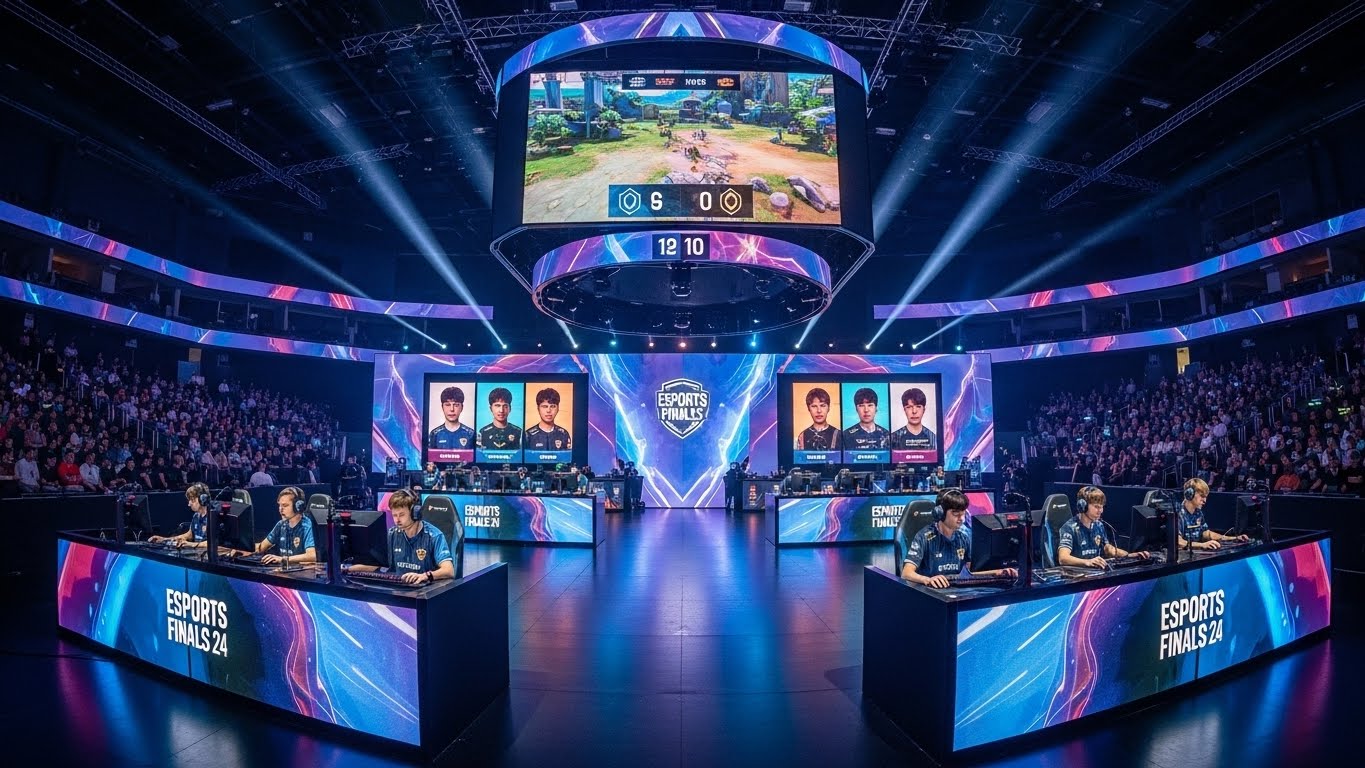
One of esports’ most impressive achievements is its global fanbase. Millions of viewers watch live tournaments online or attend events in arenas around the world. Unlike traditional sports, esports transcends geographic and cultural boundaries, connecting fans from different countries and backgrounds. Communities thrive on forums, streaming platforms, and social media, allowing fans to discuss strategies, celebrate victories, and share their passion. This level of engagement creates a strong sense of belonging, making esports a cultural as well as a competitive phenomenon.
Esports Organizations and Professional Teams
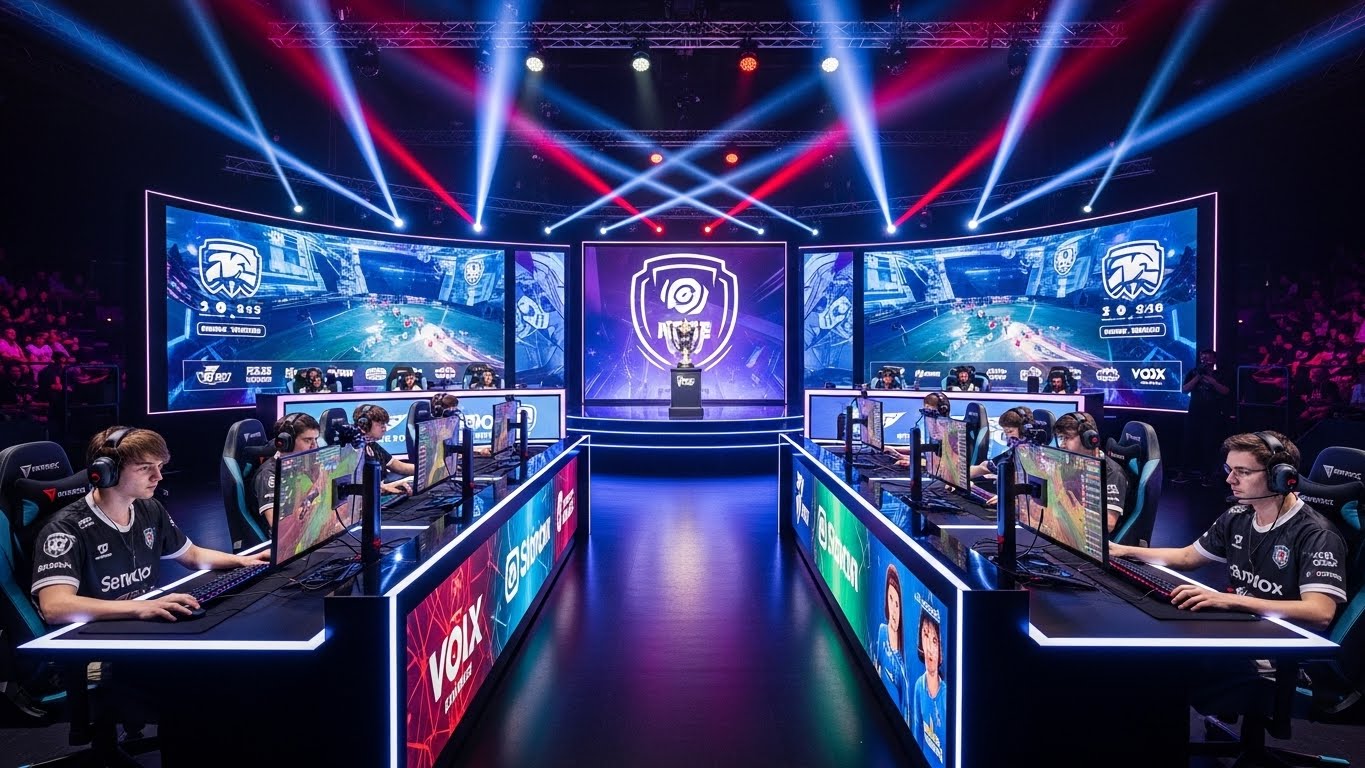
Modern esports organizations operate similarly to traditional sports franchises. They manage teams, negotiate sponsorships, and maintain training facilities equipped with advanced technology. Professional teams have structured rosters, coaching staff, analysts, and medical professionals. Many organizations invest heavily in brand-building through merchandise, content creation, and fan engagement. Players are not just athletes; they are also influencers and public figures whose actions can impact a team’s image. The professionalization of esports has made it possible for players to sustain long-term careers while contributing to the industry’s growth.
Training, Strategy, and Mental Preparation
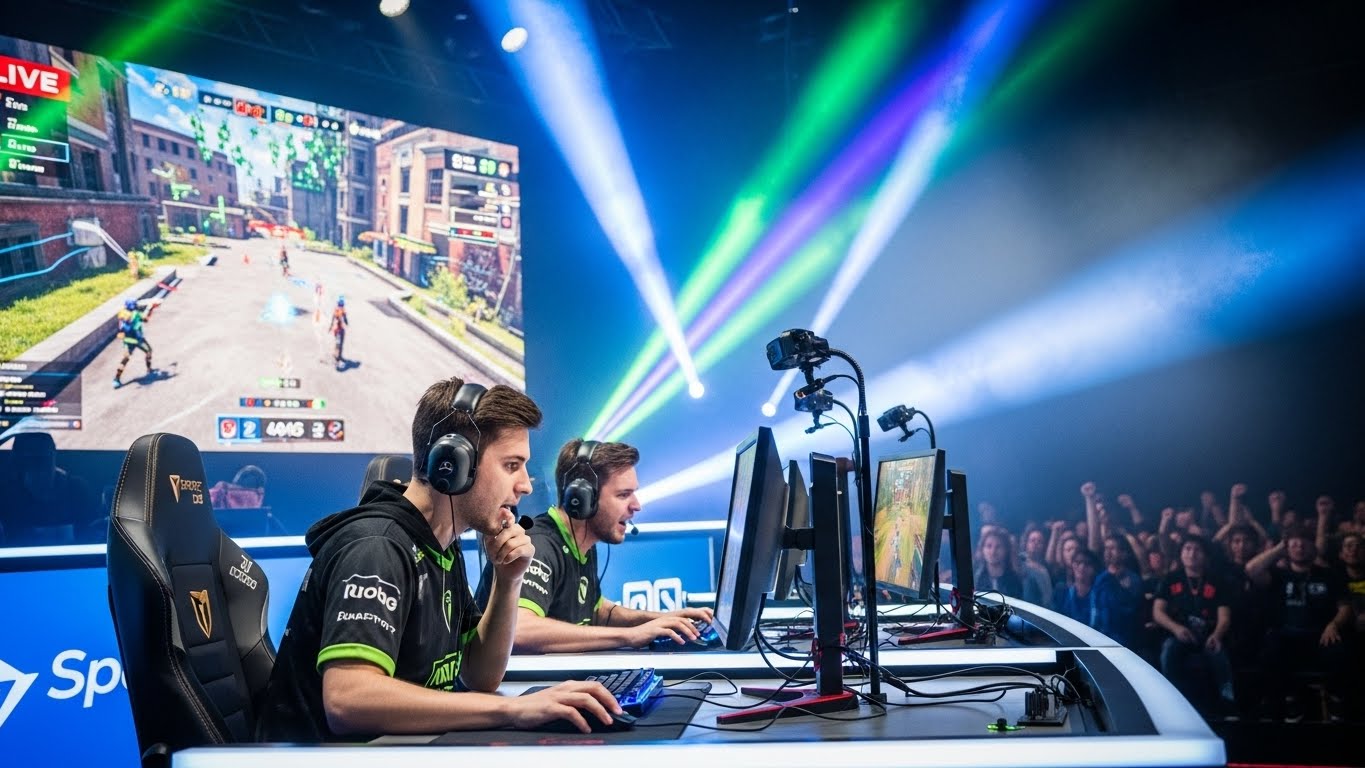
Esports requires far more than fast reflexes. Players engage in rigorous daily training routines that include practice matches, strategy review, and analytical study of opponents. Coaches and analysts help refine techniques, identify weaknesses, and develop new strategies. Mental preparation is equally critical, as players must handle high-pressure situations, maintain focus, and manage stress. Physical fitness is also important, with many professional players following exercise routines to enhance reaction time and overall health. The combination of mental, physical, and strategic training sets esports apart as a demanding and competitive discipline.
Economic Impact of Esports
Esports has become a multi-billion-dollar industry, generating revenue through sponsorships, advertising, media rights, merchandise, and live events. Major brands partner with teams and tournaments to reach younger, tech-savvy audiences. Prize pools for top tournaments often exceed millions of dollars, providing financial incentives for both players and organizations. Beyond individual competitions, esports has created employment opportunities in broadcasting, event management, content production, and marketing. The economic influence of esports extends globally, attracting investors and solidifying its position as a sustainable industry.
The Role of Streaming Platforms
Streaming platforms have been instrumental in the growth of esports. They allow fans to watch live matches, follow players’ careers, and engage with content in real-time. Many professional players also build personal brands by streaming practice sessions, tutorials, or casual gameplay. This interaction between players and audiences fosters a sense of connection and community, enhancing fan loyalty. Streaming platforms ensure that esports remains accessible, giving viewers an immersive experience that extends beyond traditional live events.
Cultural Significance of Esports
Esports has significantly influenced modern culture. Gaming-inspired fashion, merchandise, and lifestyle products have become mainstream, while esports events often include entertainment segments such as music performances and fan experiences. Esports also shapes digital culture, encouraging innovation, creativity, and collaboration among players and audiences. Beyond entertainment, it provides opportunities for professional growth in areas such as coaching, analysis, event organization, and game development. The cultural impact of esports demonstrates its relevance beyond competition, highlighting its role in shaping contemporary society.
Challenges Facing the Industry
Despite its growth, esports faces challenges that must be addressed for long-term sustainability. Player burnout and mental health concerns are common due to intense training schedules and high performance expectations. Maintaining fair competition requires strict rules, anti-cheating measures, and regulatory oversight. The fast pace of technological and gaming advancements demands constant adaptation from organizations and players. Additionally, logistical challenges such as international travel, regional regulations, and cultural differences require careful management. Addressing these challenges is essential for ensuring esports continues to thrive.
Education and Career Opportunities in Esports
Educational institutions are increasingly recognizing esports as a legitimate career path. Many universities and colleges offer scholarships, establish competitive teams, and develop academic programs focused on esports management, broadcasting, and game design. Students can pursue careers not only as professional players but also as analysts, coaches, content creators, and event organizers. Integrating esports into education promotes teamwork, leadership, and digital literacy, preparing students for careers in a rapidly evolving industry. This integration ensures that esports is not only a form of entertainment but also a pathway to professional development.
The Future of Esports
The future of esports is poised for continued growth and innovation. Emerging technologies such as virtual reality, augmented reality, and artificial intelligence are creating new competitive possibilities. Mobile esports is expanding rapidly, making professional gaming accessible to a broader audience. Countries around the world are investing in esports infrastructure, building arenas, and organizing leagues to attract players and fans. As esports continues to evolve, it is likely to become an even more significant part of global entertainment, offering opportunities for innovation, community engagement, and professional achievement.
Conclusion: A New Era of Competition
Esports has transformed the landscape of entertainment and competition, redefining what it means to be an athlete, fan, and community member in the digital age. From humble beginnings in arcades to international tournaments with millions of viewers, esports demonstrates the power of technology, culture, and human ambition. The industry continues to expand, innovate, and inspire, offering exciting opportunities for players, audiences, and professionals worldwide. Esports is not just a trend; it is a lasting movement that has fundamentally changed how people compete, connect, and celebrate achievement in the modern world.