Esports: The Digital Revolution Shaping Modern Competition
Introduction: The Emergence of Esports
Over the past two decades, esports has evolved from a niche hobby to a global phenomenon that captivates millions of players and fans. Unlike traditional sports, esports exists entirely in the digital realm, yet it demands the same levels of skill, strategy, and dedication. Competitive gaming has become a professional career path, an entertainment medium, and a cultural force, influencing the lives of young people, technological development, and global communities.
Esports is more than just gaming. It blends teamwork, individual skill, mental agility, and technological innovation, creating a unique competitive landscape. In this blog, we explore how esports has grown, the skills required, the economic impact, and its cultural significance, while examining challenges and future prospects.
The Origins of Esports: From Arcades to Online Arenas
Competitive gaming has roots that go back to the 1970s and 1980s, with arcade games like Space Invaders and Pac-Man. Early tournaments were small-scale, often informal, and limited to local communities or schools. However, these early competitions set the stage for professional esports by establishing the thrill of competition and the value of skillful gameplay.
The real growth of esports began with the rise of personal computers and internet connectivity. Games like StarCraft in South Korea and Counter-Strike globally created organized competitions with dedicated fan followings. Later, titles like League of Legends, Dota 2, and Fortnite brought esports into mainstream consciousness, attracting sponsorships, media coverage, and global audiences.
The Structure of Esports Competitions
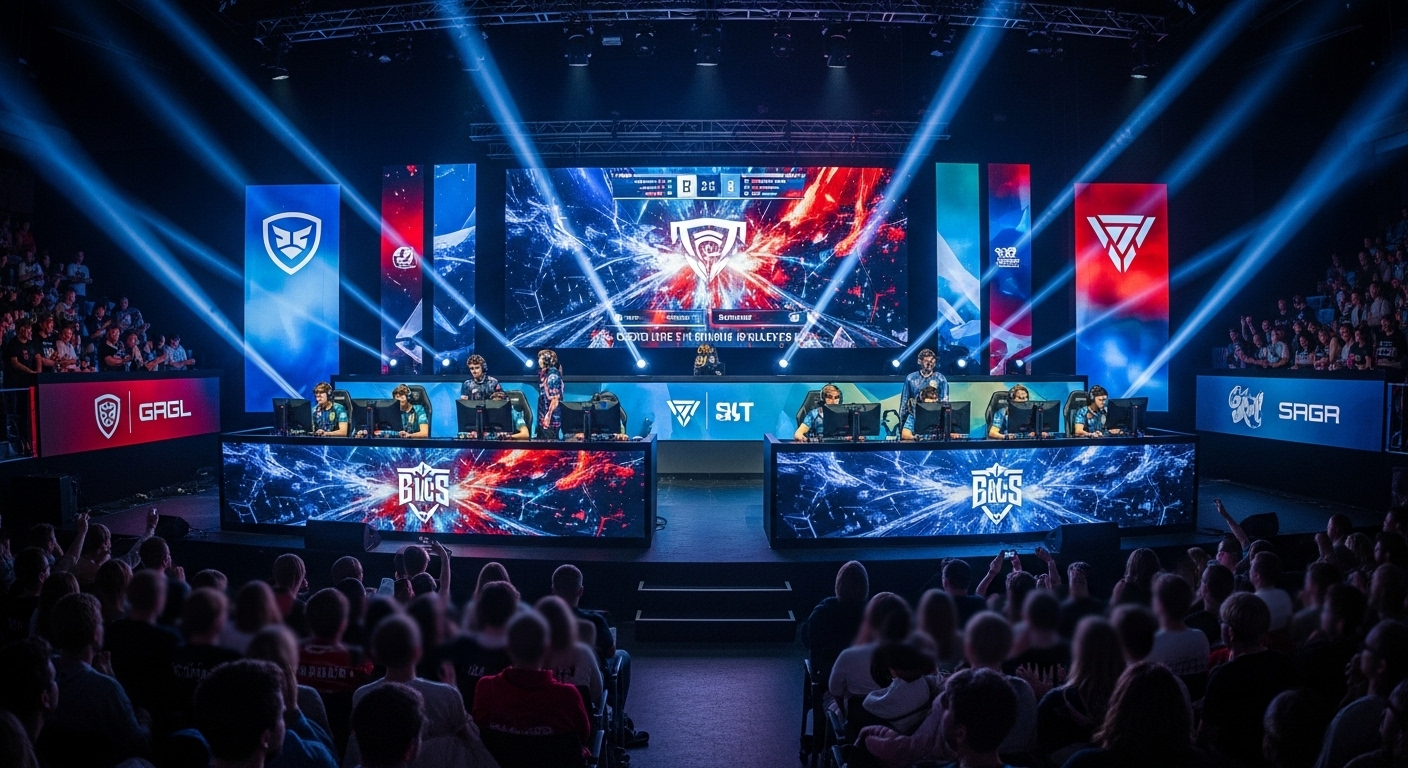
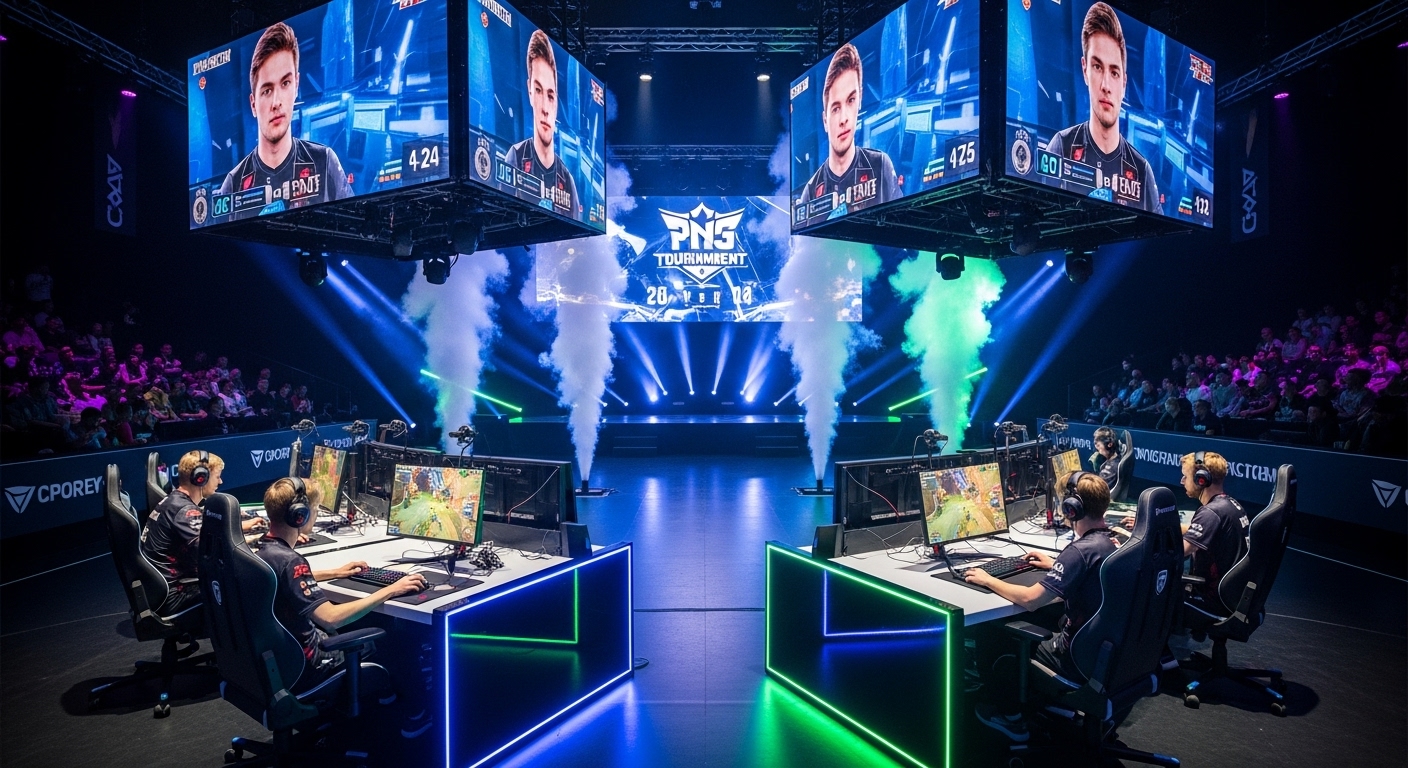
Esports competitions are highly structured, resembling traditional sports leagues. Professional players often belong to teams that have coaches, analysts, and support staff. Matches are organized into leagues, tournaments, and championships, allowing players to showcase their skills on national and international stages.
Major tournaments such as The International for Dota 2, the League of Legends World Championship, and the Fortnite World Cup feature multi-million-dollar prize pools. They attract millions of online viewers, demonstrating that esports has become a high-stakes, professional industry. Unlike traditional sports, these competitions are accessible globally, allowing fans from all corners of the world to watch in real-time.
Skills Required for Esports Excellence
Success in esports demands a combination of mental agility, physical coordination, and strategic thinking. Quick reflexes, precise hand-eye coordination, and reaction speed are essential for fast-paced games, while tactical awareness and resource management are critical in complex multiplayer games.
Mental resilience is equally important. Professional players face immense pressure during high-stakes competitions, and the ability to stay calm, focused, and adaptable can determine victory or defeat. Endurance also matters, as matches can last several hours, requiring sustained concentration and stamina. Only those who combine cognitive skills with physical precision can reach elite levels of esports performance.
Teamwork and Collaboration in Esports
Many popular esports titles emphasize team play, requiring coordination, communication, and shared strategy. Team members must understand each other’s strengths, anticipate opponents’ moves, and execute plans collaboratively. Success often depends on teamwork rather than individual talent alone.
Professional esports teams operate similarly to traditional sports teams, employing coaches, analysts, and psychologists to enhance performance. They study opponents’ strategies, develop game plans, and continuously refine their skills. This professional structure underscores esports’ legitimacy as a competitive field, demonstrating that success is built on preparation, discipline, and collaboration.
The Role of Technology in Esports
Technology is at the core of esports. High-performance computers, gaming peripherals, and stable internet connections are essential for competitive play. Streaming platforms allow millions to watch tournaments live, while social media amplifies player engagement and community interaction.
Esports also drives technological innovation. Developers refine games to maintain balance, introduce new features, and enhance gameplay. Emerging technologies such as virtual reality, augmented reality, and AI-driven analytics are beginning to influence the way players train and compete. Technology ensures esports remains dynamic, engaging, and continuously evolving.
Economic Impact of Esports
Esports has grown into a multi-billion-dollar industry with diverse revenue streams, including sponsorships, advertising, media rights, merchandise, and ticketed events. Major brands invest heavily in esports to reach younger audiences and digitally connected communities.
Players themselves often achieve celebrity status, earning income through tournament winnings, sponsorships, and streaming revenue. The esports ecosystem also supports careers in coaching, commentary, game analysis, event management, and content creation. Its economic impact mirrors that of traditional sports, highlighting esports’ legitimacy and global influence.
Esports as a Career
Professional esports requires dedication, discipline, and long hours of practice. Many top players train eight hours or more daily to maintain peak performance. Careers can be relatively short due to physical strain, mental fatigue, and intense competition, but top performers gain fame, financial stability, and professional recognition.
Beyond playing, the esports industry offers careers in coaching, analytics, broadcasting, and tournament organization. Universities now offer esports programs and scholarships, further formalizing competitive gaming as a professional pathway. Esports has thus transformed from a hobby into a legitimate career option for talented individuals worldwide.
Cognitive and Social Benefits of Esports
Esports enhances cognitive skills such as problem-solving, multitasking, strategic thinking, and decision-making. Team-based games encourage collaboration, leadership, and communication, while solo games enhance concentration, critical thinking, and personal accountability.
Socially, esports fosters community. Online platforms and local tournaments allow players to connect with others who share their passion. Fans engage in discussions, cheer for teams, and build friendships, creating a sense of belonging similar to traditional sports communities. Esports provides both entertainment and meaningful social interaction, promoting personal growth and global connection.
Challenges in the Esports Industry
Despite its growth, esports faces challenges. Physical issues such as repetitive strain injuries, eye fatigue, and sedentary lifestyle effects are common among players. Mental health concerns, including stress, anxiety, and burnout, are prevalent due to high-pressure competitions and public scrutiny.
Ethical concerns also arise, including cheating, toxic behavior, and inconsistent regulations across games and regions. Addressing these challenges requires collaboration among players, developers, and organizers to create a safe, fair, and sustainable esports ecosystem.
The Cultural Significance of Esports
Esports has become a cultural phenomenon, influencing entertainment, fashion, music, and education. It has fostered new communities, traditions, and fandoms, connecting people globally. Universities and schools now recognize esports as an extracurricular and competitive activity, offering programs and scholarships.
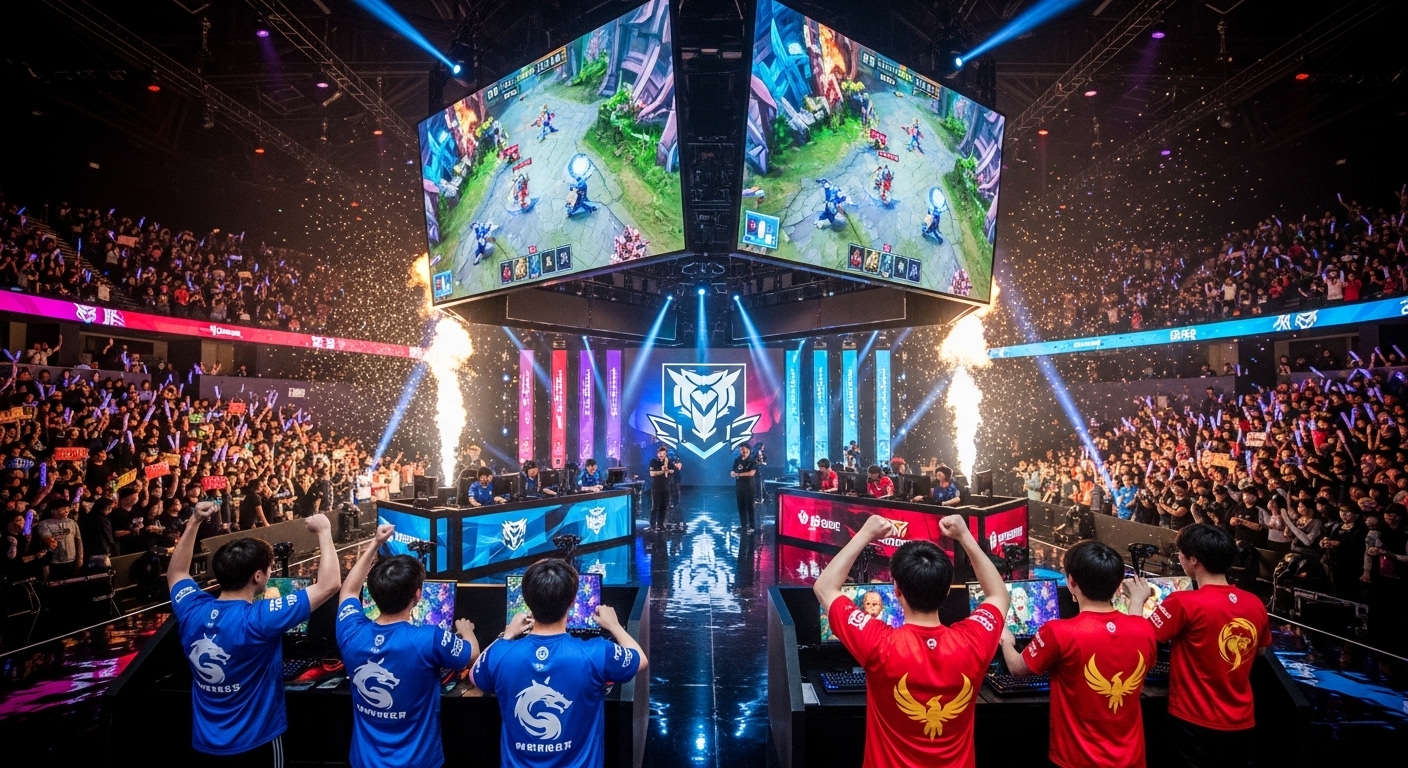
Major tournaments create moments of collective excitement, similar to traditional sports finals. Fans celebrate their favorite players, share experiences online, and participate in global conversations, highlighting esports’ cultural integration. The rise of esports reflects how digital experiences can shape society, identity, and social connection.
The Future of Esports
The future of esports is dynamic, inclusive, and technology-driven. Innovations such as virtual reality tournaments, AI-assisted training, and cross-platform competition are shaping the next generation of competitive gaming. The industry continues to attract diverse participants, transcending boundaries of age, gender, and nationality.
Esports is increasingly integrated with mainstream entertainment. Collaborations with traditional sports leagues, partnerships with streaming platforms, and global media coverage are expanding its reach. As technology and audience engagement evolve, esports will continue to grow, creating new opportunities for players, fans, and professionals worldwide.
Conclusion: Esports as a New Frontier of Competition
Esports represents a revolution in competition, entertainment, and digital culture. It combines strategy, skill, teamwork, and technology to create engaging experiences for millions of participants and viewers. Beyond gameplay, esports fosters cognitive growth, social interaction, and career opportunities, proving its value beyond casual entertainment.
As esports continues to expand, it redefines what it means to compete and excel in the modern era. The digital arena has become a stage for human ingenuity, dedication, and global connection. In an increasingly digital world, esports is more than a game—it is a movement shaping the future of competition, culture, and community.