The World of Esports: From Casual Gaming to Global Phenomenon
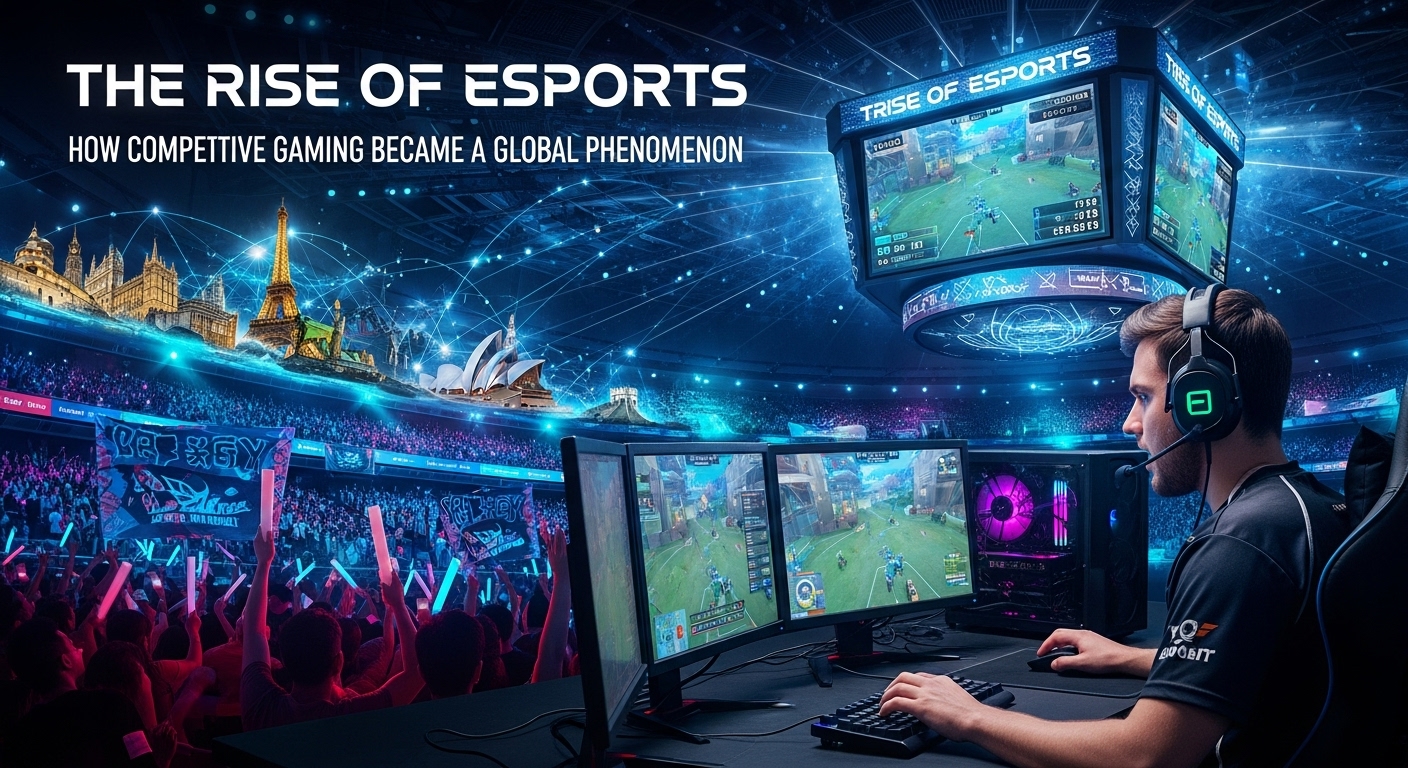
Esports, or competitive video gaming, has grown from a niche hobby into a worldwide phenomenon. What once started as small gatherings of friends playing video games in basements and local arcades has transformed into a multi-billion-dollar industry watched by millions of fans around the globe. Esports is no longer just a pastime; it is a legitimate form of competition, entertainment, and professional career. With leagues, tournaments, sponsorships, and massive audiences, esports has carved a permanent place in the world of sports and digital culture.
The Origins of Esports
The roots of esports trace back to the early days of video gaming. In the late 1970s and 1980s, arcade competitions and early gaming tournaments offered players the chance to showcase their skills. Games like Space Invaders and Pac-Man attracted attention not only for their entertainment value but also for competitive high scores. These early contests set the stage for organized gaming events and began fostering a culture of competition among players.
With the rise of home consoles and personal computers in the 1990s, competitive gaming moved beyond arcades. Games like Street Fighter, StarCraft, and Counter-Strike became staples in competitive gaming communities. Local and regional tournaments allowed players to measure their skills against others, building rivalries and camaraderie that still define esports today.
The Evolution of Competitive Gaming
The 2000s marked a turning point for esports as the Internet made global competition possible. Online multiplayer games allowed players from different countries to compete in real-time, creating new opportunities for skill-based rivalry. Games like Warcraft III, Halo, and Counter-Strike: Global Offensive became central to competitive leagues, drawing audiences who watched not only live but through early streaming platforms.
This era also saw the emergence of professional gaming teams. Players began dedicating themselves full-time to practice, training rigorously much like traditional athletes. The concept of esports as a career became increasingly viable, with sponsorships, prize money, and salaries providing financial incentives. As technology advanced, so did the sophistication of competition, with tournaments broadcast online and to television audiences, signaling the beginning of esports as a mainstream phenomenon.
Esports Genres and Popular Games
Esports encompasses a variety of genres, each attracting different communities and fan bases. Multiplayer online battle arena (MOBA) games like League of Legends and Dota 2 focus on strategy, teamwork, and fast decision-making. First-person shooters (FPS) such as Counter-Strike: Global Offensive and Call of Duty emphasize precision, reflexes, and tactical coordination. Fighting games like Street Fighter and Super Smash Bros. highlight individual skill and timing, while sports simulations like FIFA and NBA 2K replicate real-world athletic competition in digital form.
Each genre demands a unique combination of mental acuity, hand-eye coordination, communication, and strategic thinking. The diversity of games ensures that esports appeals to a wide audience, providing something for every type of gamer, whether they prefer tactical depth, fast reflexes, or immersive storytelling.
Training Like a Professional Athlete
Contrary to common stereotypes, professional esports athletes train rigorously. Their routines often mirror those of traditional athletes, combining physical fitness, strategic analysis, and mental preparation. Many teams employ coaches, analysts, and nutritionists to optimize player performance.
Training involves more than just playing games. Players study opponents’ strategies, review past matches, and analyze in-game statistics. Communication and teamwork exercises are crucial for team-based games, while reflex and reaction drills enhance individual performance. Physical health is equally important; many players engage in exercise and maintain healthy diets to sustain energy and prevent injuries such as repetitive strain or eye fatigue.
Esports players also work on psychological resilience. The pressure of high-stakes tournaments and public scrutiny requires focus, composure, and mental toughness. Professional players often work with psychologists or mentors to improve concentration, handle stress, and maintain a competitive mindset.
The Rise of Esports Tournaments
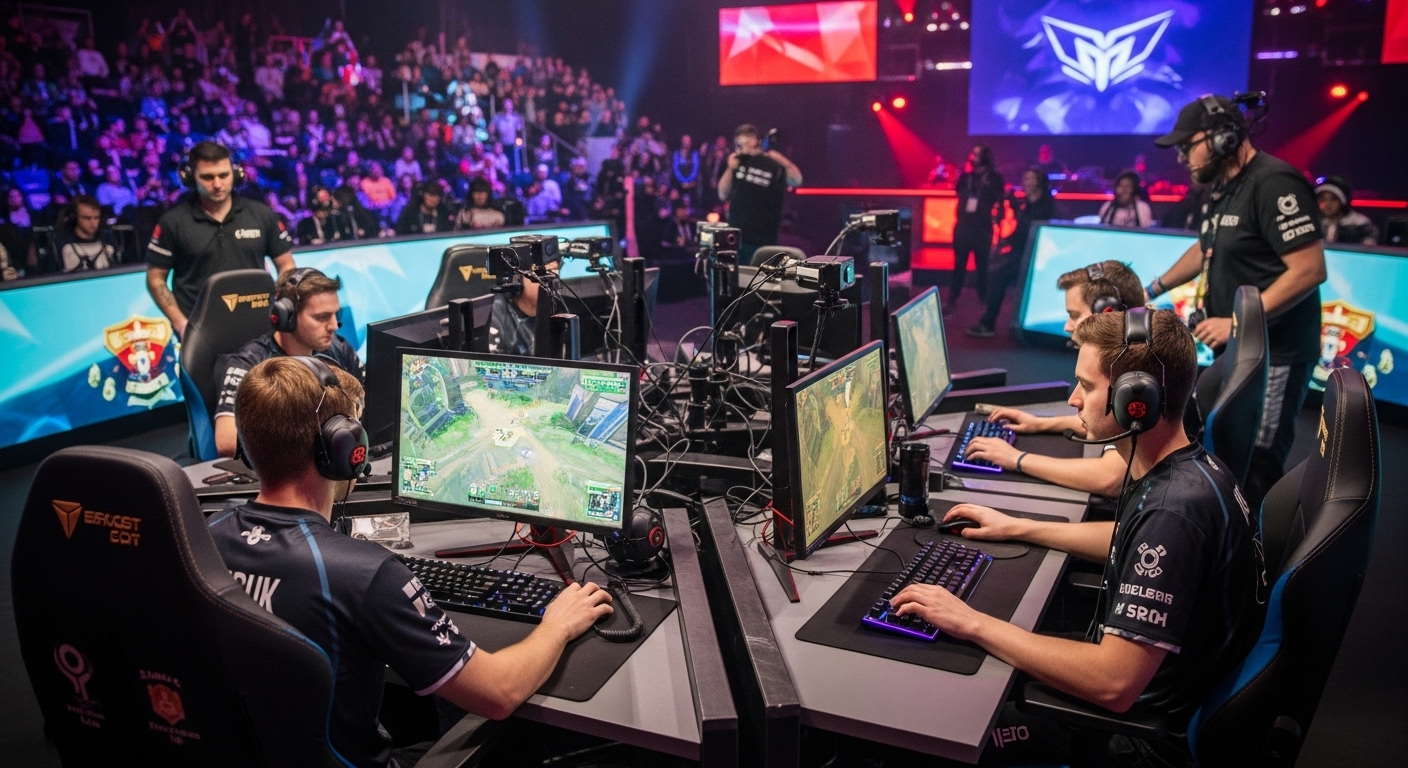
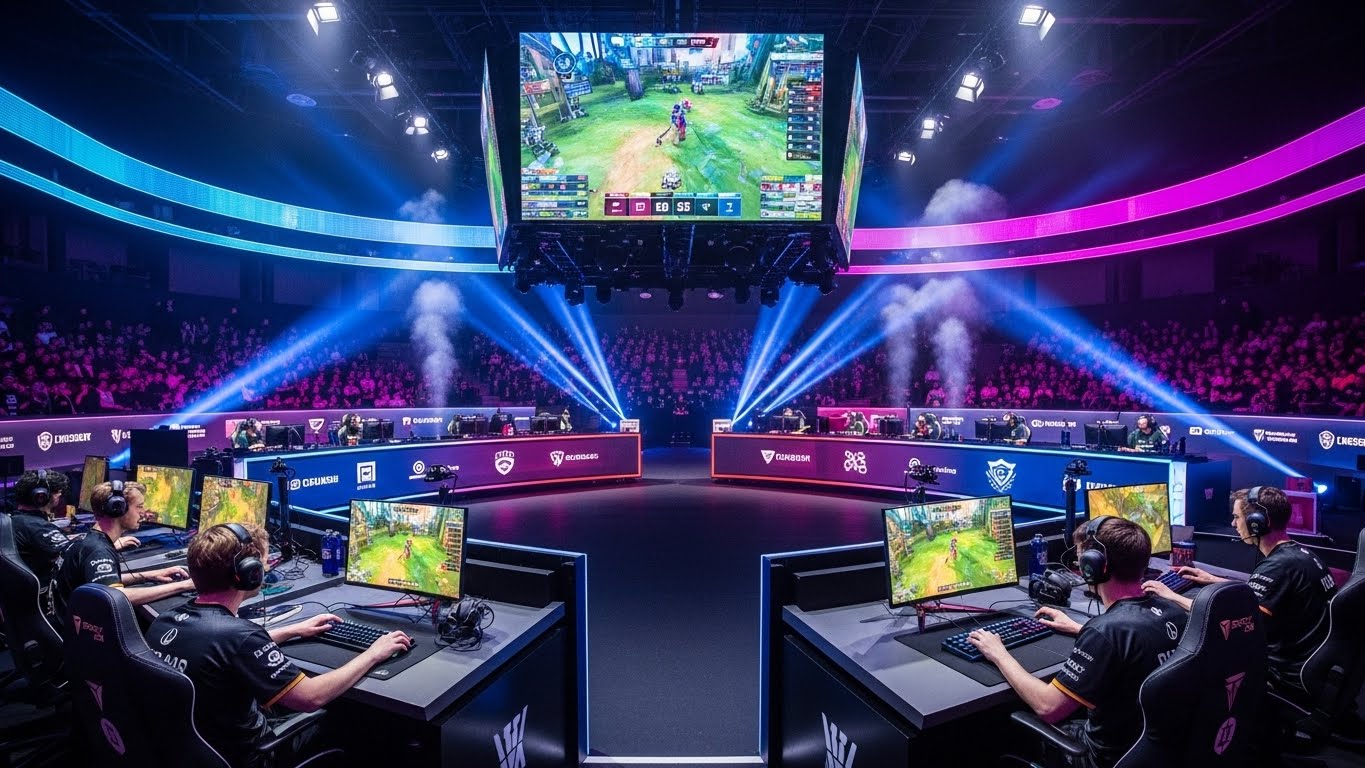
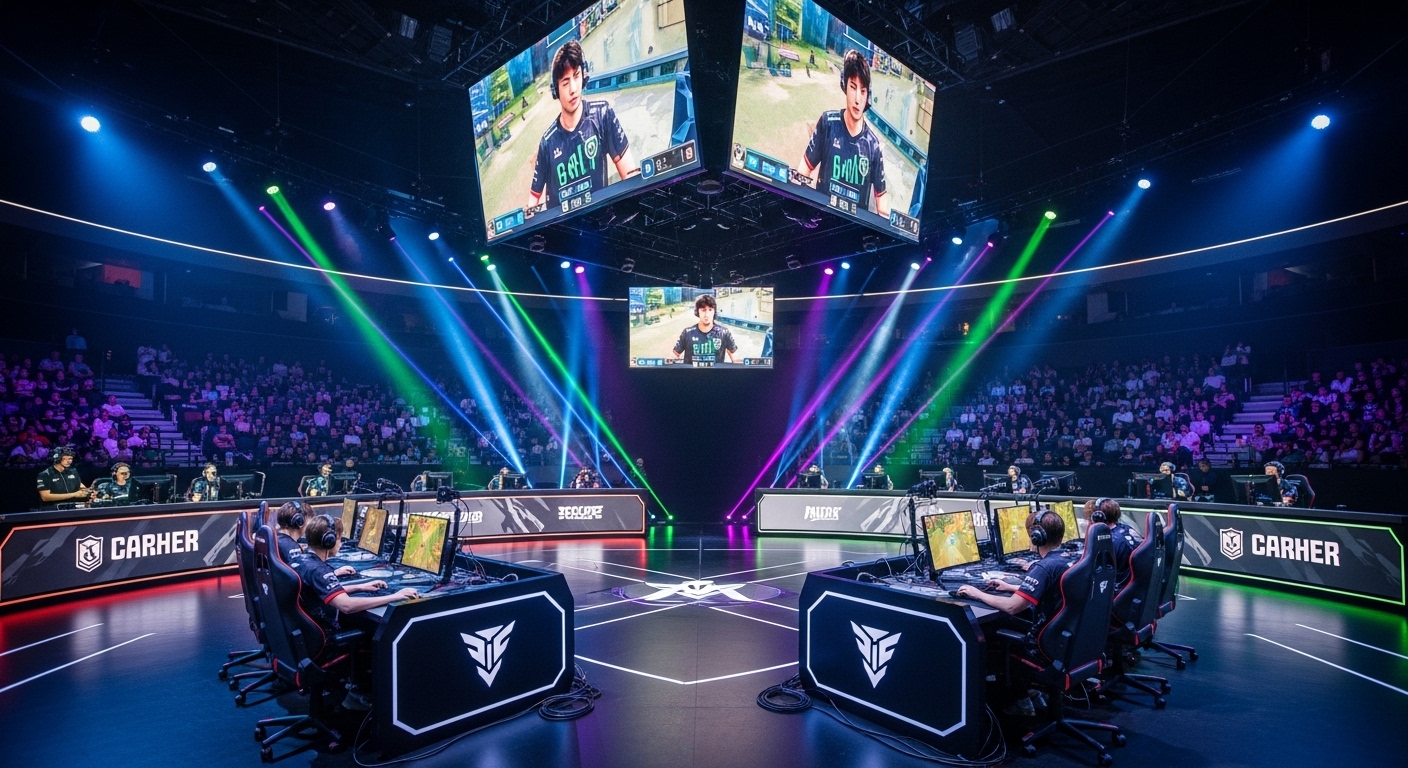
Esports tournaments have become global spectacles, drawing millions of viewers both online and in arenas. Events like The International for Dota 2, the League of Legends World Championship, and the Overwatch League finals attract massive audiences and prize pools in the tens of millions. These tournaments combine the excitement of sports with the spectacle of entertainment, featuring live commentary, dramatic storylines, and fan engagement.
Tournament production has evolved significantly. High-quality broadcasts, professional commentary, player interviews, and interactive features create an immersive experience for fans. Stadiums filled with cheering spectators highlight the legitimacy and excitement of esports, while online streaming platforms ensure that audiences around the world can tune in.
The Esports Community
One of the most distinctive aspects of esports is its community. Fans engage with content creators, streamers, and professional players in ways that transcend traditional sports fandom. Online platforms allow interaction through chat, forums, and social media, creating a sense of connection and shared enthusiasm.
Esports communities also foster collaboration, learning, and mentorship. Amateur players study professional matches, practice strategies, and participate in local or online leagues to improve their skills. The culture emphasizes growth, creativity, and innovation, encouraging players to push the boundaries of their potential.
Esports as a Career
For many, esports has become a viable career path. Professional players, content creators, coaches, analysts, and event organizers all contribute to the ecosystem. The rise of streaming platforms allows gamers to earn income through subscriptions, donations, and sponsorships, while tournament success brings prestige and financial reward.
Esports careers require dedication, discipline, and adaptability. Players must continuously learn new strategies, adapt to game updates, and maintain peak performance. Content creators balance entertainment with skill demonstration, engaging audiences through personality, gameplay, and interaction. Coaches and analysts provide strategic insight and leadership, shaping the success of teams and players alike.
The Global Impact of Esports
Esports has transformed the global entertainment landscape. Countries around the world invest in esports infrastructure, including arenas, training facilities, and educational programs. Universities offer scholarships for esports athletes, recognizing the legitimacy and potential of competitive gaming. Governments and organizations see esports as an economic driver, cultural ambassador, and tool for technological advancement.
The global reach of esports has also encouraged cross-cultural exchange. Players from different countries collaborate, compete, and connect, fostering understanding and shared enthusiasm. International tournaments highlight diversity, strategy, and innovation, showcasing gaming as a universal language that transcends borders.
Technology and the Future of Esports
Technology is at the heart of esports. High-speed internet, powerful gaming hardware, advanced graphics, and streaming platforms make competitive gaming possible. Artificial intelligence and data analytics provide insights into player performance, strategies, and audience engagement, further professionalizing the industry.
The future of esports promises even greater integration with technology. Virtual reality, augmented reality, and cloud gaming could revolutionize how games are played, viewed, and experienced. Fans may interact with players in real-time, participate in immersive events, and influence gameplay outcomes. Artificial intelligence may assist in coaching, strategy development, and personalized fan experiences.
Mental Health and Well-being in Esports
While esports offers opportunity and excitement, it also presents challenges for players’ mental health. Intense competition, public scrutiny, and long hours of gameplay can lead to stress, burnout, and anxiety. Teams increasingly recognize the importance of psychological support, incorporating mental health professionals into training programs.
Balancing gaming with physical activity, social interaction, and rest is essential for long-term well-being. Awareness campaigns and community initiatives promote healthy gaming habits, encouraging players to maintain balance between professional dedication and personal health.
Esports and Mainstream Acceptance
Esports has moved from niche subculture to mainstream recognition. Traditional media outlets cover tournaments, celebrities invest in teams, and major corporations sponsor events. Universities offer esports scholarships, and major sports organizations integrate esports divisions, bridging the gap between digital and traditional athleticism.
The inclusion of esports in international multi-sport events, discussions about Olympic recognition, and integration with national sports policies highlight its legitimacy and growing influence. Esports is no longer “just a game”; it is a professional, cultural, and economic force shaping the future of entertainment and competition.
Conclusion
Esports represents the evolution of entertainment, competition, and technology. From humble beginnings in arcades and basements to global tournaments broadcast to millions, it has transformed how people play, watch, and interact. Esports combines skill, strategy, creativity, and community, offering opportunities for players and fans alike to engage in meaningful experiences.
The industry’s growth reflects human ingenuity, technological advancement, and cultural change. It is more than entertainment—it is a reflection of our desire to compete, connect, and create. As esports continues to evolve, it promises to redefine sports, entertainment, and digital culture, offering new experiences and opportunities for generations to come.
Esports is a testament to the power of imagination, skill, and collaboration. It celebrates the joy of gaming, the thrill of competition, and the bonds formed through shared passion. In the digital age, it is a reminder that entertainment, creativity, and human connection can thrive in every form, from the virtual battlefield to the global stage.