Introduction
Esports, short for electronic sports, has emerged as one of the most dynamic and fast-growing sectors in modern entertainment. What began as casual video game competitions has transformed into a global phenomenon, featuring professional leagues, multi-million-dollar tournaments, and a massive international fanbase. Esports combines skill, strategy, teamwork, and technology in a way that traditional sports could never have imagined. This blog explores the history of esports, its current impact, the lifestyle of professional players, and its future as a mainstream form of competition and entertainment.
The Origins of Esports
The concept of esports dates back to the late 1970s and early 1980s, when arcade competitions and high-score contests first captured the attention of gamers. Games like Space Invaders and Pac-Man allowed players to challenge friends and strangers, laying the groundwork for organized competition.
The first major milestone for esports came with the rise of multiplayer games in the 1990s. Titles such as Quake, StarCraft, and Counter-Strike enabled players to compete online, transcending geographical boundaries. Universities, gaming cafes, and early online forums created communities that supported competitive play, setting the stage for modern esports leagues and tournaments.
The Growth of Esports as an Industry
Esports evolved from informal competitions into a structured, professional industry over the past two decades. With the advent of live streaming platforms, millions of fans gained access to competitive matches, and tournaments began offering substantial prize pools. Popular titles like League of Legends, Dota 2, and Fortnite became household names, attracting sponsorships and media attention.
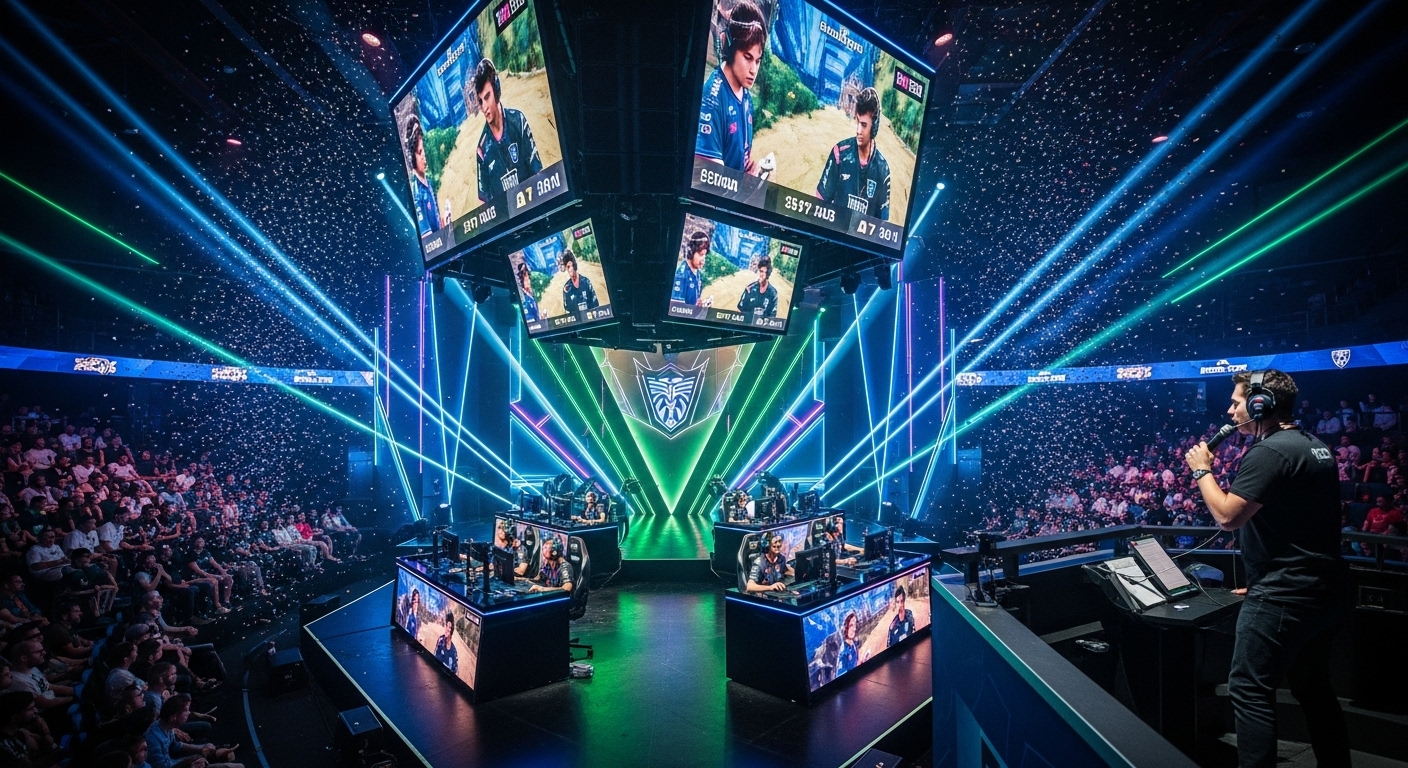
The industry’s rapid growth has resulted in the creation of professional teams, coaching staff, analysts, and content creators. Major tournaments now fill arenas with thousands of spectators, while millions more watch online. Esports has not only gained recognition as legitimate competition but also transformed into a global entertainment powerhouse.
Popular Esports Game Genres
Esports covers a diverse range of game genres, each requiring unique skills, strategies, and teamwork. Understanding these genres highlights the complexity and appeal of competitive gaming.
Multiplayer Online Battle Arena (MOBA)
MOBA games are among the most popular esports genres. Players work in teams to destroy the opponent’s base while controlling characters with unique abilities. Strategic planning, coordination, and quick decision-making are essential. League of Legends and Dota 2 exemplify this genre’s depth and competitive intensity.
First-Person Shooters (FPS)
FPS games focus on precision, reaction time, and tactical awareness. Players navigate detailed maps, communicate with teammates, and engage in fast-paced combat. Titles such as Counter-Strike, Call of Duty, and Valorant have defined competitive FPS gaming for years.
Real-Time Strategy (RTS)
RTS games challenge players to manage resources, build armies, and outsmart opponents in real time. Strategic foresight, multitasking, and adaptability are crucial skills. Games like StarCraft II have been cornerstones of the esports world, showcasing intellectual rigor and competitive skill.
Sports Simulations
Digital sports simulations recreate real-life sports like football, basketball, and racing. These games appeal to fans of traditional sports while adding a competitive digital twist. FIFA and NBA 2K are prime examples, merging realistic gameplay with esports potential.
Fighting and Battle Royale Games
Fighting games test individual reflexes and skill, while battle royale games combine survival, exploration, and combat. Titles like Street Fighter and Fortnite have created dynamic competitive formats, emphasizing individual excellence and strategic thinking.
Life of a Professional Esports Player
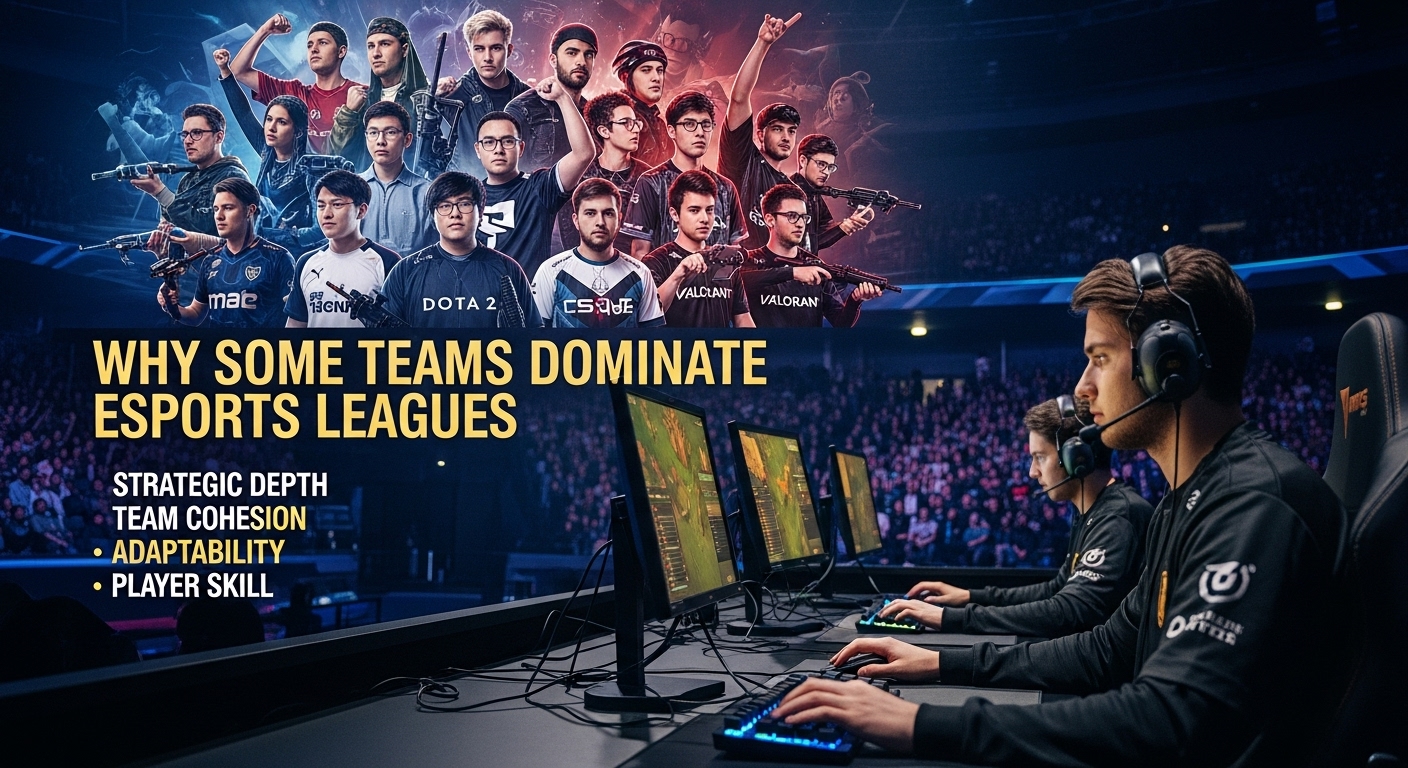
Becoming a professional esports player requires discipline, dedication, and intense practice. Top players often train six to eight hours a day, analyzing past performances, strategizing with teammates, and perfecting mechanics. Professional players also maintain strict schedules, including physical fitness and mental health routines, to remain competitive.
Career longevity in esports is limited by factors such as reflex speed, mental fatigue, and competitive pressure. Successful players must balance practice with rest, nutrition, and focus, much like traditional athletes. Despite challenges, the rewards include fame, sponsorship deals, and the opportunity to participate in international competitions.
The Role of Esports Teams and Organizations
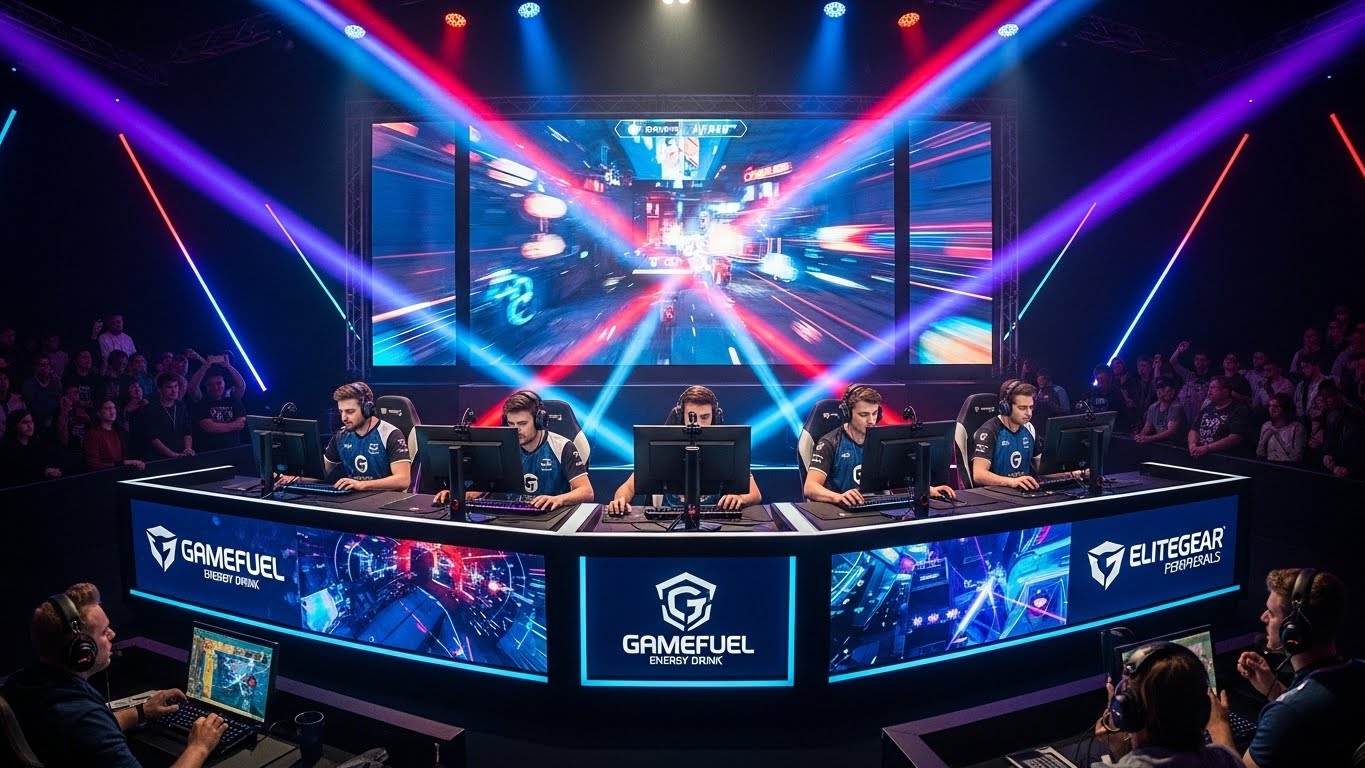
Esports teams are the backbone of professional competitive gaming. They recruit talent, provide coaching, manage logistics, and support player development. Top-tier organizations become brands themselves, fostering fan loyalty, selling merchandise, and participating in promotional events.
Teams also facilitate sponsorship deals and collaborations with game developers, ensuring financial sustainability and visibility. Their presence in the industry helps maintain professional standards, promotes player welfare, and elevates esports to a credible global sport.
Esports and Its Global Reach
Esports is truly an international phenomenon. Tournaments attract participants and viewers from every corner of the globe. Countries like South Korea, China, the United States, and several European nations have established themselves as esports powerhouses.
Global competitions foster cultural exchange, teamwork, and healthy rivalries. Fans from different countries connect through online forums, live streaming platforms, and social media, creating a unified global community driven by passion for competitive gaming.
Streaming, Content Creation, and Fan Engagement
Live streaming is central to esports culture. Players and influencers broadcast gameplay, commentary, and tutorials, building personal brands and interacting directly with fans. Streaming platforms have transformed spectatorship into an interactive experience, where viewers engage with content creators and professional players in real time.
Esports fans actively participate in online communities, fantasy leagues, and fan events. This engagement extends beyond watching games, contributing to esports as a cultural movement that blends entertainment, competition, and social interaction.
Economic Impact of Esports
Esports has become a significant economic driver. Revenue streams include tournament prizes, sponsorship deals, merchandising, broadcasting rights, and in-game purchases. Professional leagues generate employment opportunities in coaching, event management, broadcasting, marketing, and journalism.
Game developers also benefit, as competitive play prolongs game life cycles and strengthens player engagement. The industry’s economic impact extends to technology, media, and entertainment sectors, making esports a multifaceted contributor to global economies.
Social and Cultural Influence of Esports
Esports has reshaped perceptions of gaming and digital culture. It promotes teamwork, strategic thinking, and problem-solving while creating spaces for social interaction and inclusion. Players and fans often form strong bonds across geographical and cultural boundaries, building communities centered around shared passion.
The visibility of esports also challenges traditional stereotypes about gaming, highlighting it as a legitimate profession and a form of cultural expression. It provides role models for young audiences and inspires innovation in technology, storytelling, and entertainment.
Challenges in the Esports Industry
Despite its growth, esports faces significant challenges. Player burnout, mental health pressures, and physical strain are ongoing concerns. Ensuring ethical practices, fair competition, and integrity in tournaments remains crucial.
Issues like cheating, exploitation, and lack of regulation can threaten the credibility of competitive gaming. Additionally, inclusivity, gender representation, and equal opportunity continue to be areas requiring attention and progress.
The Future of Esports
The future of esports is bright, fueled by technological advancements, increasing global interest, and evolving competition formats. Virtual reality, augmented reality, and enhanced streaming technology will provide more immersive experiences for players and fans.
Educational institutions are recognizing esports by offering scholarships, academic programs, and training facilities, nurturing talent and preparing future industry leaders. Cross-industry partnerships and media integration will continue to elevate esports, bridging the gap between traditional sports, entertainment, and digital culture.
Conclusion
Esports has evolved from informal gaming sessions into a global competitive and cultural phenomenon. It combines strategy, skill, teamwork, and technology to create experiences that captivate millions worldwide. Esports provides economic opportunities, fosters social connections, and inspires creativity and innovation.
As the industry continues to grow, it will redefine entertainment, competition, and community in the digital era. Esports represents more than just games; it symbolizes the power of human ingenuity, passion, and the drive to compete and excel on a global stage. The rise of esports marks a new era in entertainment, connecting people, shaping culture, and showcasing the limitless potential of digital competition.