Powering the Digital Battlefield: The Rise and Reign of Esports
In the modern world, competition has evolved beyond traditional sports fields and into the digital realm. Esports, short for electronic sports, has become one of the most exciting and fast-growing industries globally. What was once viewed as casual gaming has transformed into a billion-dollar enterprise with professional players, dedicated teams, international tournaments, and millions of passionate fans. The rise of esports represents not just a shift in entertainment but also a cultural revolution that blends technology, creativity, and competition in unprecedented ways.
This blog explores the fascinating world of esports, tracing its origins, analyzing its growth, examining its impact on culture and technology, and looking ahead to its promising future.
The Birth of Esports: From Arcades to the Global Stage
The story of esports begins in the early days of video gaming, long before high-speed internet and modern gaming consoles. In the 1970s and 1980s, competitive gaming was a local affair, often taking place in arcades or small gaming communities. Players would compete for high scores in titles like Space Invaders, Pac-Man, and Donkey Kong, earning local fame and sometimes small prizes.
The first recognized video game competition took place in 1972 at Stanford University, where students competed in Spacewar. While the prize—a subscription to a science magazine—was modest, the event symbolized something much greater: the birth of organized competitive gaming.
As technology advanced, so did the nature of competition. The introduction of personal computers and gaming consoles like Nintendo and Sega in the 1980s and 1990s brought gaming into millions of homes. Multiplayer modes allowed friends and family to challenge one another, turning gaming into a shared social experience. The 1990s also marked the beginning of larger-scale tournaments, with companies hosting events to promote their games. Titles such as Street Fighter, Mortal Kombat, and StarCraft became cornerstones of early competitive gaming culture.
The Internet Revolution: Building a Global Esports Network
The true turning point for esports came with the rise of the internet in the late 1990s and early 2000s. Online connectivity allowed players from different countries to compete without needing to be in the same physical space. Games like Counter-Strike, Quake, and Warcraft III became pioneers of online competitive play, laying the foundation for global tournaments.
South Korea, in particular, played a monumental role in the early development of esports. The country’s strong internet infrastructure and vibrant gaming culture led to the creation of professional leagues and televised matches. StarCraft became a national sensation, with players achieving celebrity status. By the early 2000s, South Korea had firmly established itself as the epicenter of the esports movement.
As online gaming spread worldwide, Western regions began developing their own competitive scenes. Organizations and tournaments sprouted across Europe and North America, supported by the growing popularity of gaming among younger generations. This period marked the beginning of esports as a legitimate form of entertainment and competition, no longer confined to hobbyists or niche audiences.
The Professionalization of Esports
In the early days, competitive gaming was mostly about passion and prestige. However, as viewership and sponsorships grew, esports began to professionalize. Dedicated teams were formed, complete with managers, coaches, and analysts. Players began signing contracts, earning salaries, and training full-time to maintain peak performance.
Games like League of Legends, Dota 2, and Counter-Strike: Global Offensive helped establish structured professional ecosystems. Esports organizations began to mirror traditional sports franchises, with defined hierarchies, sponsorships, and fan bases. This evolution turned esports from an underground scene into a legitimate global industry.
The introduction of massive tournaments with million-dollar prize pools, such as The International and The League of Legends World Championship, further elevated the prestige of competitive gaming. These events attracted not only hardcore gamers but also mainstream audiences, demonstrating that esports could rival traditional sports in both excitement and spectacle.
The Spectator Experience: Why Millions Tune In
One of the biggest reasons for esports’ rapid rise is its ability to captivate audiences. Watching esports is not just about gameplay; it’s an immersive experience that blends entertainment, strategy, and storytelling.
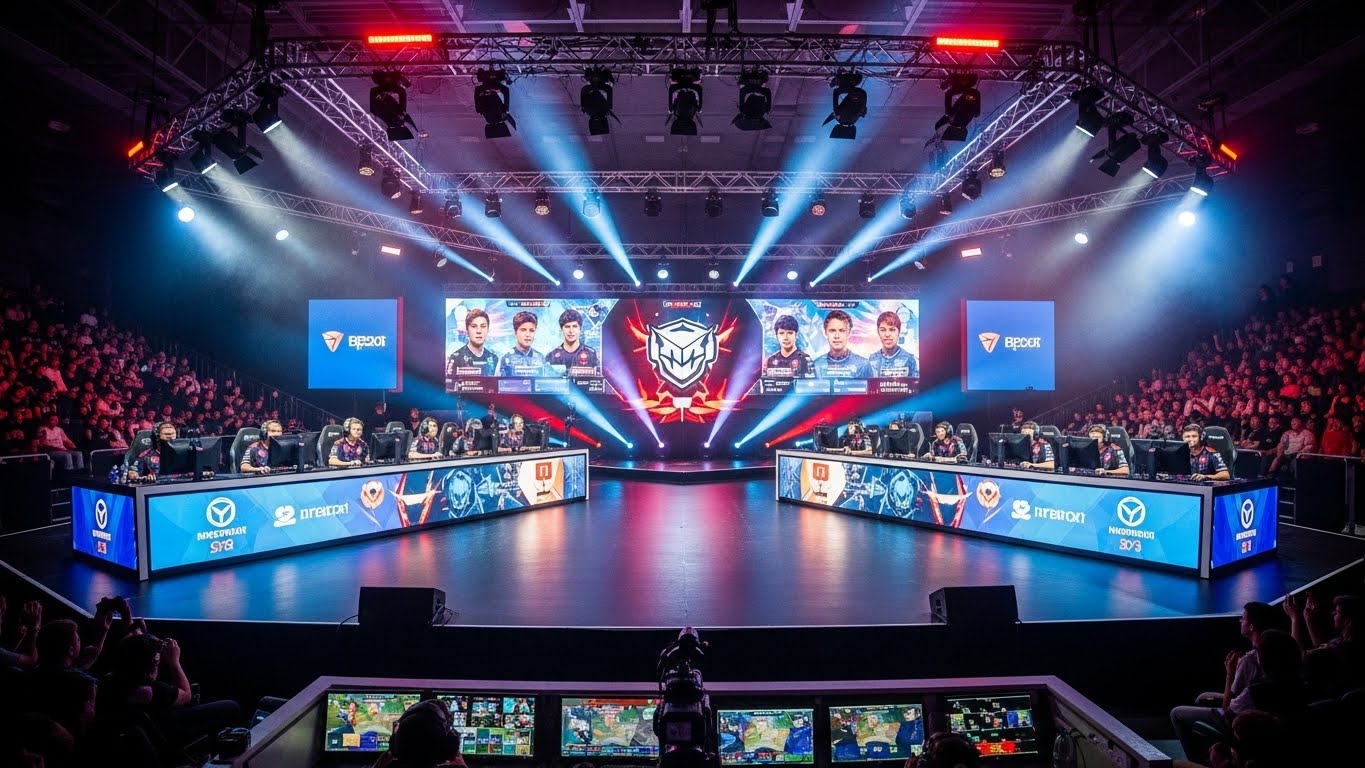
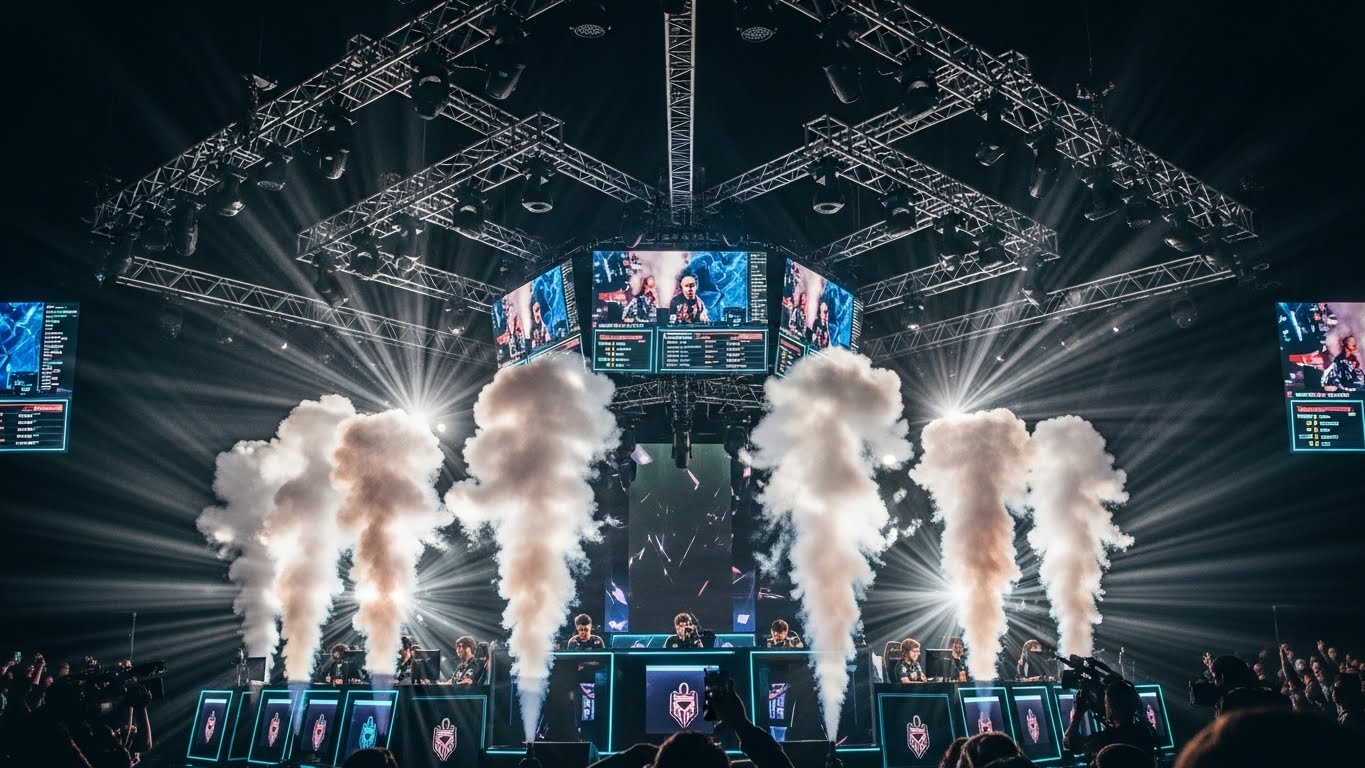
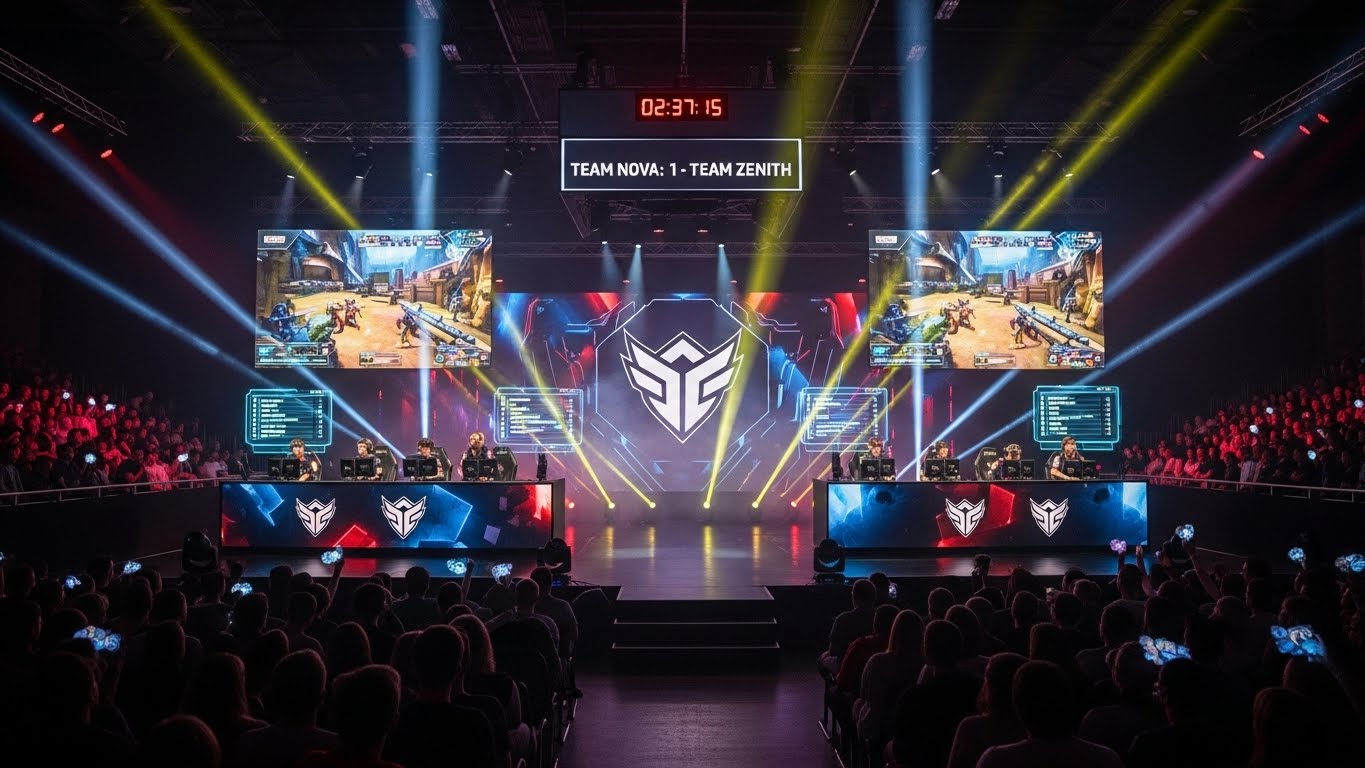
Fans follow their favorite teams and players just as they would in traditional sports. Rivalries, dramatic comebacks, and underdog stories keep audiences engaged. Major tournaments are now held in massive stadiums, complete with commentators, elaborate stage designs, and live performances.
The accessibility of online streaming platforms has made it possible for anyone, anywhere in the world, to watch esports events live. Fans can engage through chat, interact with players on social media, and even support their favorite streamers directly. This level of interactivity has made esports a uniquely modern form of entertainment—one built for the digital age.
The Role of Technology in Esports Evolution
Technology is the lifeblood of esports. Every innovation in gaming hardware, software, and connectivity directly influences the industry’s growth. High-performance gaming computers, advanced graphics, and high-speed internet have made online competition smoother and more dynamic.
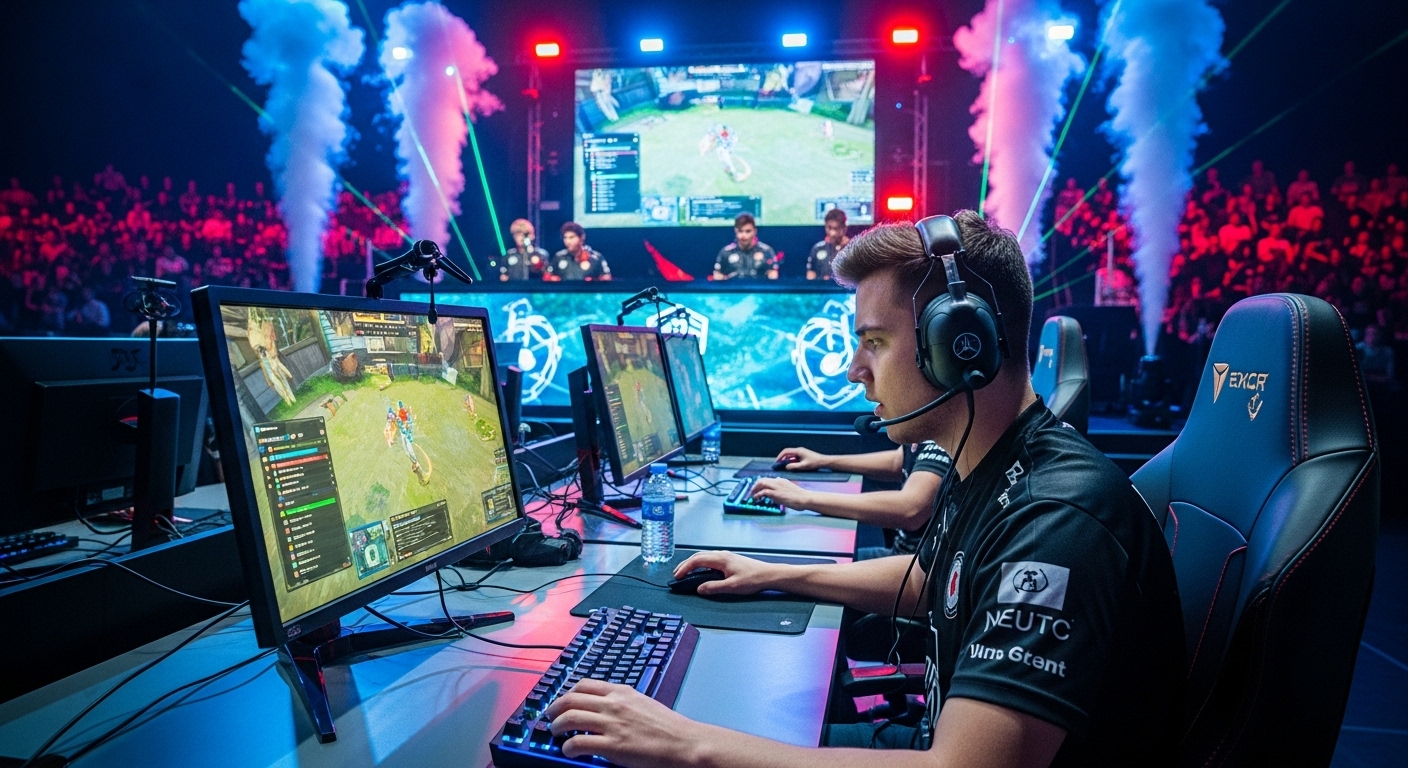
The introduction of ultra-responsive gaming peripherals—such as precision mice, mechanical keyboards, and ergonomic headsets—has transformed how players compete. Developers also continue to refine game design to balance competitiveness and fairness, ensuring that every player competes on equal footing.
Beyond gameplay, technology has also revolutionized the fan experience. Virtual reality (VR) and augmented reality (AR) are beginning to enhance live tournaments, offering fans immersive perspectives and interactive experiences. Data analytics and artificial intelligence are being used to analyze player performance, optimize strategies, and improve coaching methods.
As gaming technology continues to evolve, esports will remain at the forefront of innovation, merging the thrill of human competition with the limitless possibilities of digital advancement.
The Esports Economy: A Billion-Dollar Industry
Esports has become one of the fastest-growing industries in the entertainment sector. With millions of viewers tuning in to tournaments and professional leagues, brands and investors have flocked to the scene.
Sponsorships and advertising now form a major part of the esports economy. Tech giants, beverage companies, and even luxury brands have recognized the value of connecting with the gaming audience. Teams and players earn income through sponsorships, merchandise sales, and streaming revenue, while tournament organizers generate profit through broadcasting rights and ticket sales.
The growth of esports has also created job opportunities beyond playing. There are roles for coaches, analysts, event organizers, commentators, content creators, and marketing professionals. Entire careers now revolve around the esports ecosystem, highlighting its long-term sustainability.
Moreover, universities and educational institutions have begun to offer esports scholarships and degree programs focused on gaming management and digital media. This academic recognition signifies the growing acceptance of esports as a legitimate and influential industry.
Esports and Cultural Impact
Beyond the business side, esports has made a profound cultural impact. It has united people across borders, languages, and backgrounds through shared passion and competition. In many ways, esports has become a universal language of entertainment that transcends geography.
The gaming community built around esports is one of the most diverse and dynamic in the world. Fans create art, share strategies, and build friendships online, forming tight-knit communities. Esports has also played a role in challenging stereotypes about gaming, proving that it is not an isolated activity but a powerful social and creative outlet.
In some countries, esports players are regarded as national heroes, celebrated for their achievements on the international stage. The industry has given rise to influencers and content creators who bridge the gap between gaming and mainstream culture. Fashion brands, musicians, and filmmakers are increasingly collaborating with esports figures, further solidifying its place in popular culture.
Challenges Facing the Esports Industry
Despite its success, esports faces challenges that must be addressed for sustainable growth. Player burnout is a significant concern, as the demanding practice schedules and constant pressure can affect mental and physical health. Organizations are now focusing more on player welfare, introducing balanced routines, sports psychology, and wellness programs.
Cheating and match-fixing are also issues that threaten the integrity of esports. As with traditional sports, maintaining fairness is crucial to preserving credibility. Developers and tournament organizers continually implement anti-cheat measures and strict regulations to ensure competitive integrity.
Another challenge is the volatility of game popularity. Unlike traditional sports, which have remained stable for decades, esports relies on games that can rise and fall in popularity quickly. This creates uncertainty for long-term planning. However, diversification across multiple game titles and regions helps mitigate this risk.
The Future of Esports: A Vision of Boundless Potential
The future of esports is bright and boundless. As technology continues to advance, the line between the physical and digital worlds will blur even further. Virtual reality competitions, holographic arenas, and AI-driven gameplay analysis could redefine the spectator experience.
Mobile gaming is also emerging as a major force in esports, especially in regions like Asia and Africa, where smartphones are more accessible than gaming PCs. The growth of 5G technology will further enhance mobile esports, allowing smoother, high-speed gameplay for millions of players.
Esports is also being considered for inclusion in major international sporting events. Its recognition as a legitimate sport continues to grow, and it may soon stand alongside traditional disciplines in the global competitive arena.
Conclusion: The Digital Sport of the Future
Esports represents more than just gaming—it is a symbol of how technology and creativity can unite people across the world. It has redefined competition for the digital age, creating new heroes, communities, and opportunities.
From small arcade tournaments to global championships with millions of viewers, esports has proven that passion, skill, and innovation can thrive in virtual arenas just as much as in physical ones. The rise of esports is not just the story of a new industry; it is the story of a new culture—a world where anyone with a controller, a keyboard, or a touchscreen can become a champion.
As we look to the future, one thing is certain: the digital battlefield is here to stay, and esports will continue to shape the way we play, compete, and connect for generations to come.