Introduction: The Rise of a New Arena
Not long ago, competitive gaming was dismissed as a niche hobby reserved for bedrooms and internet cafés. Today, esports stands as a global phenomenon, filling stadiums, generating billions in revenue, and producing professional athletes with fan bases rivaling traditional sports stars. Esports is no longer just about playing video games; it is about strategy, discipline, teamwork, entertainment, and culture. This digital revolution has reshaped how competition is defined and how the next generation engages with sports.
Understanding Esports Beyond Gaming
Esports, short for electronic sports, refers to organized, competitive video gaming where individuals or teams compete at a professional or semi-professional level. Unlike casual gaming, esports demands high-level skill, constant practice, and a deep understanding of game mechanics. Titles such as multiplayer online battle arenas, first-person shooters, sports simulations, and real-time strategy games form the backbone of this industry. What truly separates esports from traditional gaming is structure: leagues, tournaments, governing bodies, sponsorships, and global audiences.
The Evolution from Hobby to Industry
The roots of esports trace back to early arcade competitions and local tournaments. As internet connectivity improved, online multiplayer games allowed players from different regions to compete, setting the stage for global tournaments. Streaming platforms further accelerated growth by making matches accessible to millions in real time. Over time, prize pools increased, professional teams emerged, and investors recognized esports as a viable business. What began as informal contests has now matured into a structured industry with career paths extending beyond players to coaches, analysts, commentators, and event organizers.
The Esports Athlete: Skill, Discipline, and Pressure
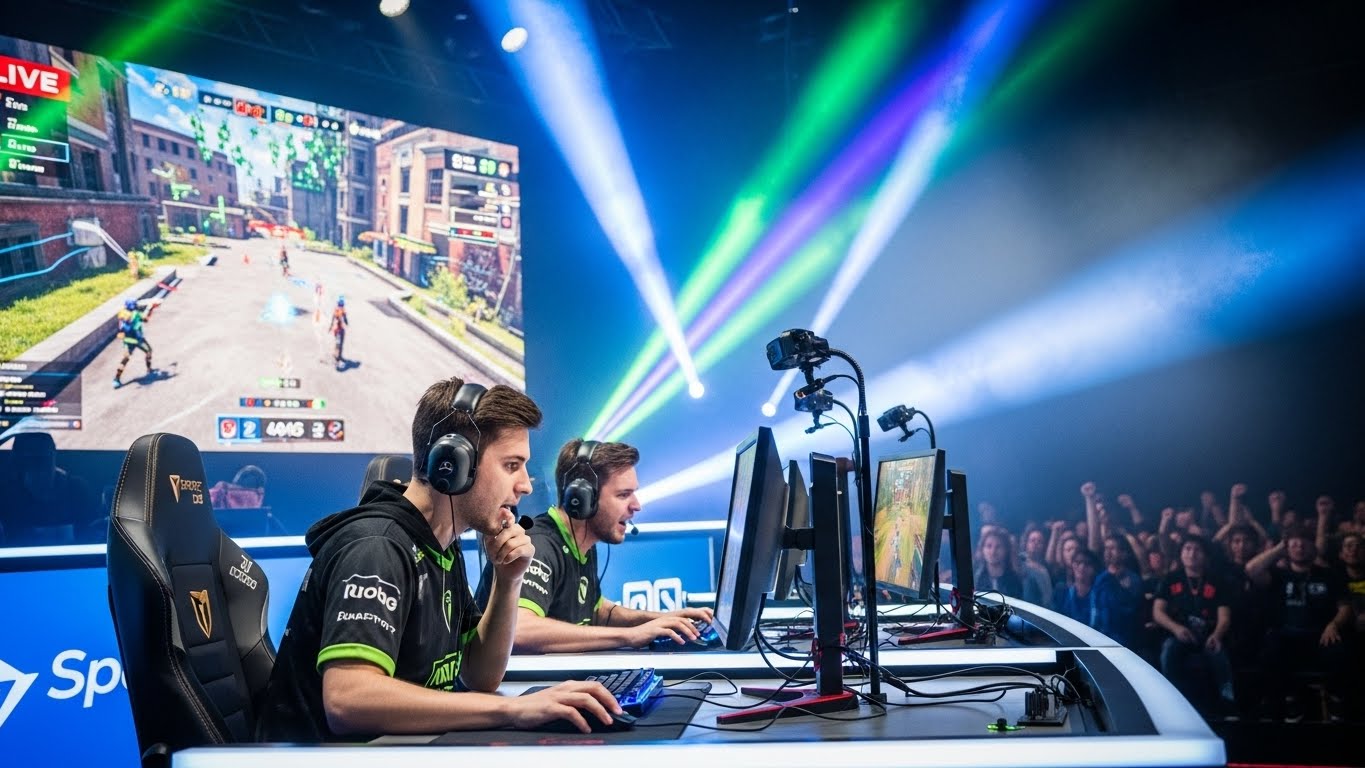
Professional esports players are often misunderstood. While they may not run on fields or courts, their training routines are intense. Players spend long hours practicing mechanics, refining strategies, analyzing opponents, and improving reaction times. Mental endurance is crucial, as matches can last hours and demand constant focus. Team-based esports require communication, trust, and synergy, similar to traditional sports. Many players also work with psychologists, nutritionists, and fitness trainers to maintain peak performance, highlighting that esports athletes face pressures comparable to any professional competitor.
Games as Competitive Platforms
Each esport title functions as its own competitive ecosystem. Rules, strategies, and required skills differ significantly from one game to another. Some games emphasize lightning-fast reflexes and precision, while others reward long-term planning, adaptability, and teamwork. Game developers play a unique role by balancing gameplay and introducing updates that can shift competitive dynamics overnight. This constant evolution keeps esports fresh but also challenges players to continuously adapt, ensuring that dominance is never permanent.
The Role of Teams and Organizations
Esports teams operate much like traditional sports franchises. They sign players to contracts, provide training facilities, manage branding, and secure sponsorships. Large organizations compete across multiple game titles, building diverse fan communities. These teams are not just competitive units; they are entertainment brands with content creators, social media strategies, and merchandise. The loyalty fans feel toward teams and players fuels the emotional core of esports, transforming matches into narratives of rivalry, redemption, and legacy.
Fans and Community: The Heart of Esports
One of esports’ greatest strengths lies in its community. Fans are not just spectators; many are players themselves who deeply understand the games they watch. This shared knowledge creates a strong bond between audiences and competitors. Live chats, fan discussions, and community events foster interaction that feels personal and immediate. Unlike traditional sports, where physical distance can limit engagement, esports thrives on digital closeness, making fans feel like active participants in the experience.
Esports and Entertainment Culture
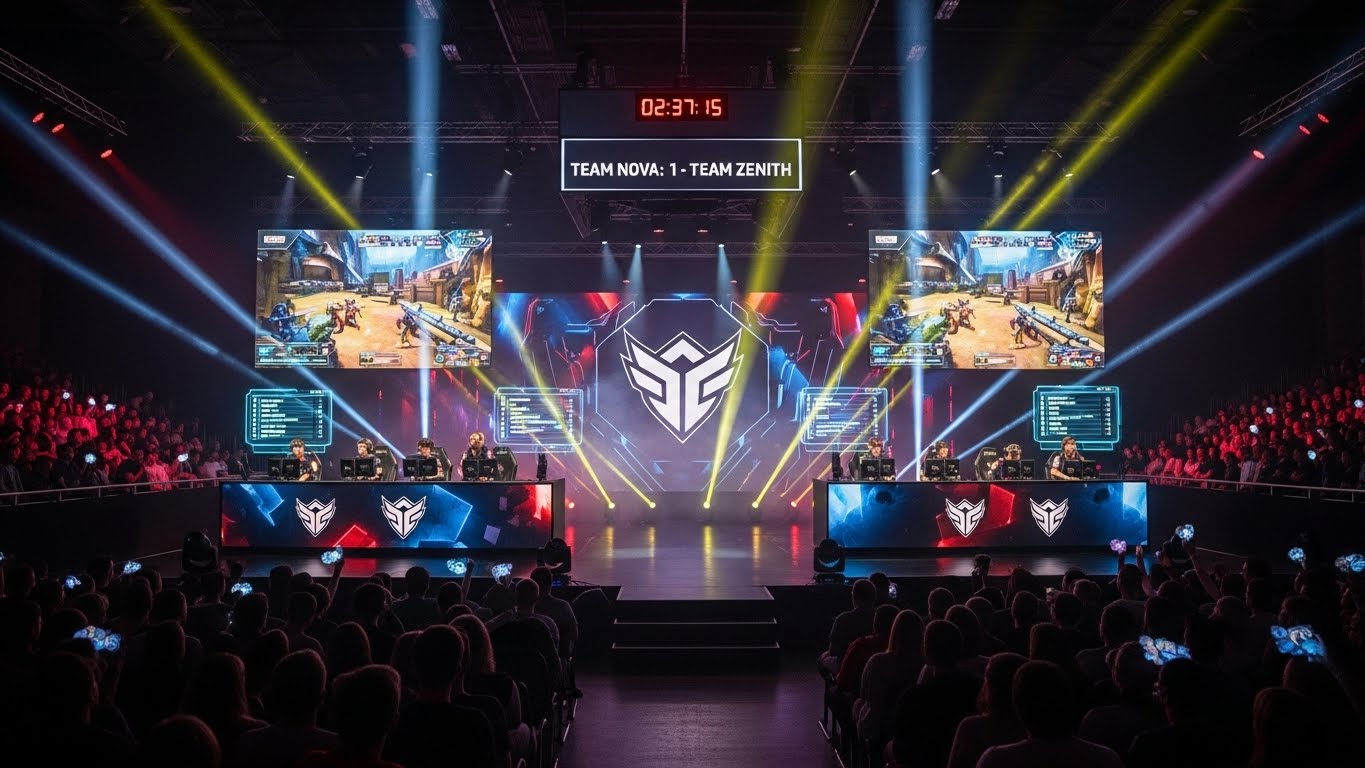
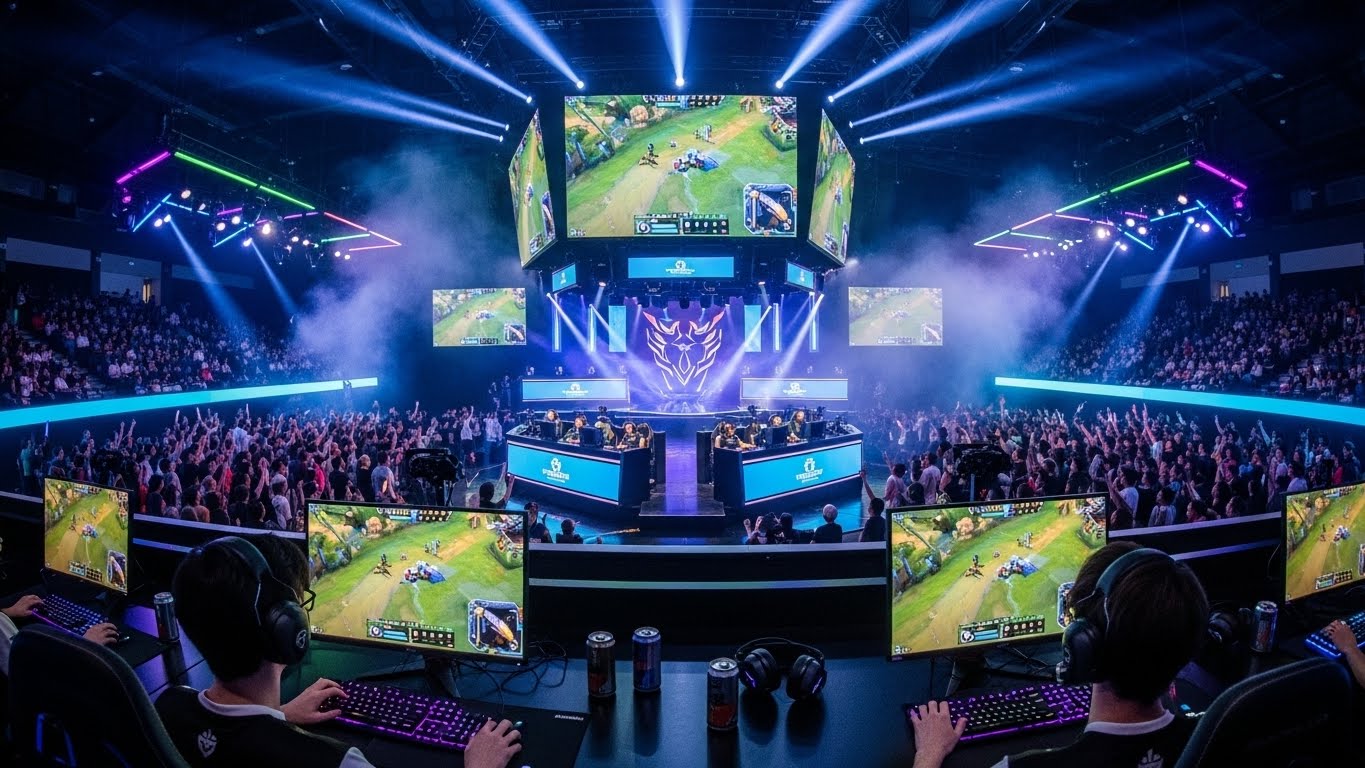
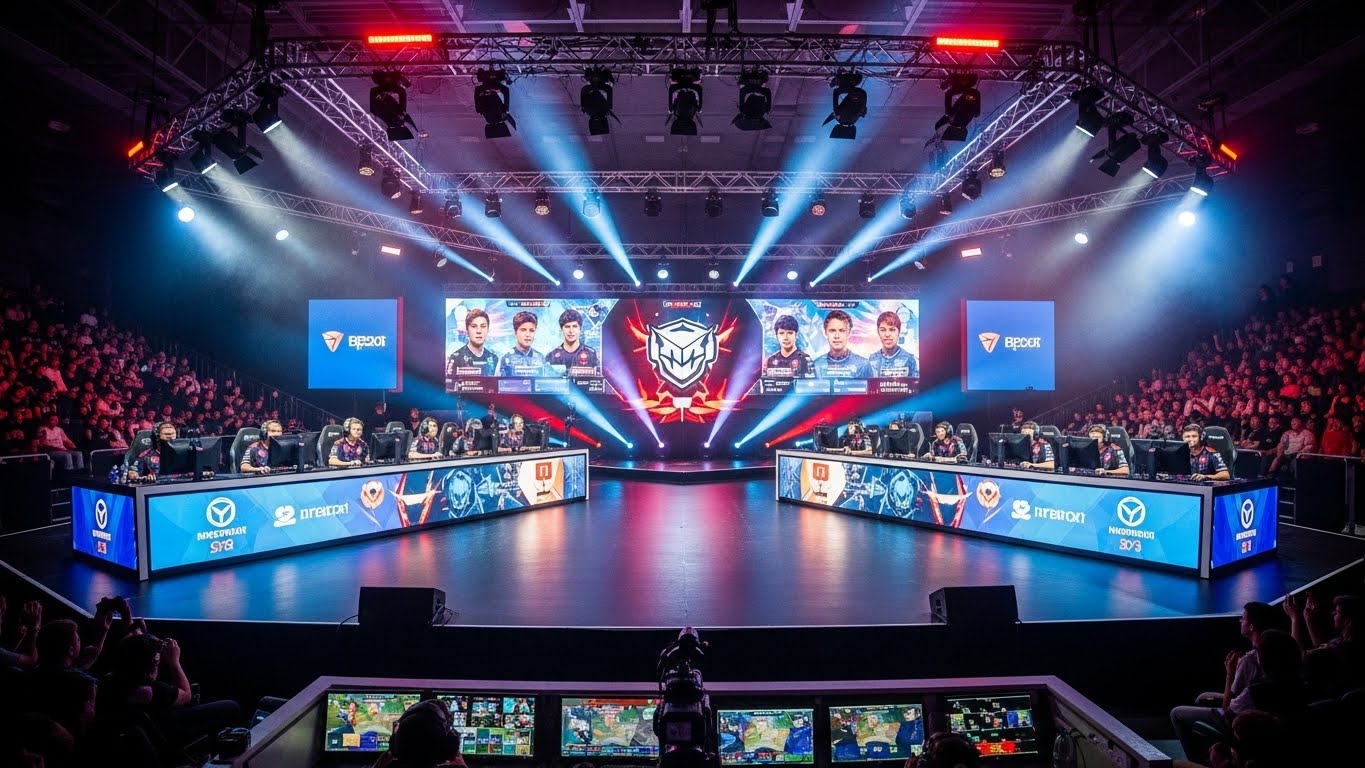
Esports sits at the intersection of sports and entertainment. Broadcasts blend competition with storytelling, analysis, and humor. Commentators, often called casters, play a vital role by explaining complex strategies while keeping matches engaging. Music, visual effects, and stage design add spectacle, turning tournaments into immersive events. This fusion appeals to younger audiences who value interactivity, authenticity, and fast-paced content, positioning esports as a defining form of modern entertainment.
Economic Impact and Career Opportunities
The economic footprint of esports continues to expand. Revenue streams include sponsorships, advertising, media rights, merchandise, and ticket sales. Beyond players, esports supports a wide range of careers such as game design, marketing, event production, data analysis, journalism, and streaming. Educational institutions have also begun offering esports programs and scholarships, recognizing its potential as both a career path and a tool for developing skills like teamwork, leadership, and critical thinking.
Challenges Facing the Esports Industry
Despite rapid growth, esports faces significant challenges. Player burnout is a major concern, as long practice hours and intense competition can take a toll on mental health. The industry also struggles with inconsistent regulations, as different games and regions follow varying standards. Issues such as cheating, match-fixing, and fair player treatment require constant oversight. Additionally, the fast-changing nature of games means careers can be short, making long-term stability a concern for players.
Inclusivity and Diversity in Esports
Esports has the potential to be one of the most inclusive competitive spaces, as physical limitations are less restrictive than in traditional sports. However, barriers still exist. Gender imbalance, online harassment, and lack of representation remain ongoing issues. Efforts to create safer, more inclusive environments are gaining momentum through community guidelines, dedicated tournaments, and organizational initiatives. A more diverse esports ecosystem not only promotes fairness but also strengthens the industry by welcoming broader perspectives and talents.
The Global Nature of Competition
Esports is inherently global. Players from different continents regularly compete against one another, and international tournaments celebrate cultural diversity. This global reach fosters cross-cultural exchange and shared experiences among fans worldwide. Rivalries between regions add excitement, while international success brings pride to local communities. In many ways, esports has become a digital language understood across borders, connecting people through shared passion rather than geography.
The Future of Esports
Looking ahead, esports shows no sign of slowing down. Advancements in technology, such as virtual reality and improved online infrastructure, may redefine how games are played and watched. Integration with traditional sports, mainstream media, and education will likely deepen. As audiences grow and systems mature, esports may further solidify its place alongside established sports, not as a replacement but as an evolution of competitive entertainment.
Conclusion: A New Definition of Sport
Esports represents more than competitive gaming; it reflects how society adapts competition to a digital world. It challenges traditional ideas of athleticism, embraces global connectivity, and empowers a generation raised on technology. From casual players dreaming of professional stages to millions of fans cheering online, esports has created an ecosystem built on passion, skill, and innovation. As pixels become powerhouses, esports stands as a defining symbol of competition in the digital age.