Esports Evolution: How Competitive Gaming Became a Global Powerhouse
Introduction: The Digital Sporting Revolution
In the last two decades, the entertainment world has witnessed a profound transformation. What began as casual video game play has evolved into a sophisticated, competitive industry known as Esports. Short for electronic sports, Esports involves organized, professional gaming competitions where individual players or teams compete for recognition, prizes, and prestige.
Esports has shifted the perception of gaming from a leisurely hobby to a legitimate career path. Today, millions of fans worldwide follow tournaments, root for professional teams, and engage with digital communities. The rise of Esports demonstrates how technology, skill, and entertainment can merge to create a global phenomenon. It is no longer confined to basements or arcades; it has entered stadiums, universities, and mainstream media, cementing its place in global culture.
The Early Days of Competitive Gaming
Esports did not emerge overnight. Its roots trace back to the 1970s when video games began gaining popularity. The first known competitive gaming event took place at Stanford University in 1972, featuring the game Spacewar. Though the prize was modest—a magazine subscription—the event marked the beginning of organized competitive gaming.
The 1980s brought the golden age of arcade gaming. Titles like Pac-Man, Donkey Kong, and Galaga captured public attention, with players competing for high scores and local recognition. These early competitions laid the foundation for the concept of competitive gaming communities, fostering rivalry and skill development.
By the 1990s, home computers and internet connectivity enabled remote multiplayer competitions. Games such as Doom, Quake, and StarCraft allowed players to compete across countries. South Korea emerged as a pioneer, establishing professional StarCraft leagues that attracted national attention and television coverage. This period marked the start of Esports as a structured, professional activity.
The Emergence of Professional Esports
The turn of the millennium saw Esports evolve into a professional industry. With faster internet and online multiplayer functionality, global competitions became feasible. Tournaments offered substantial cash prizes, and sponsors began investing in teams and events.
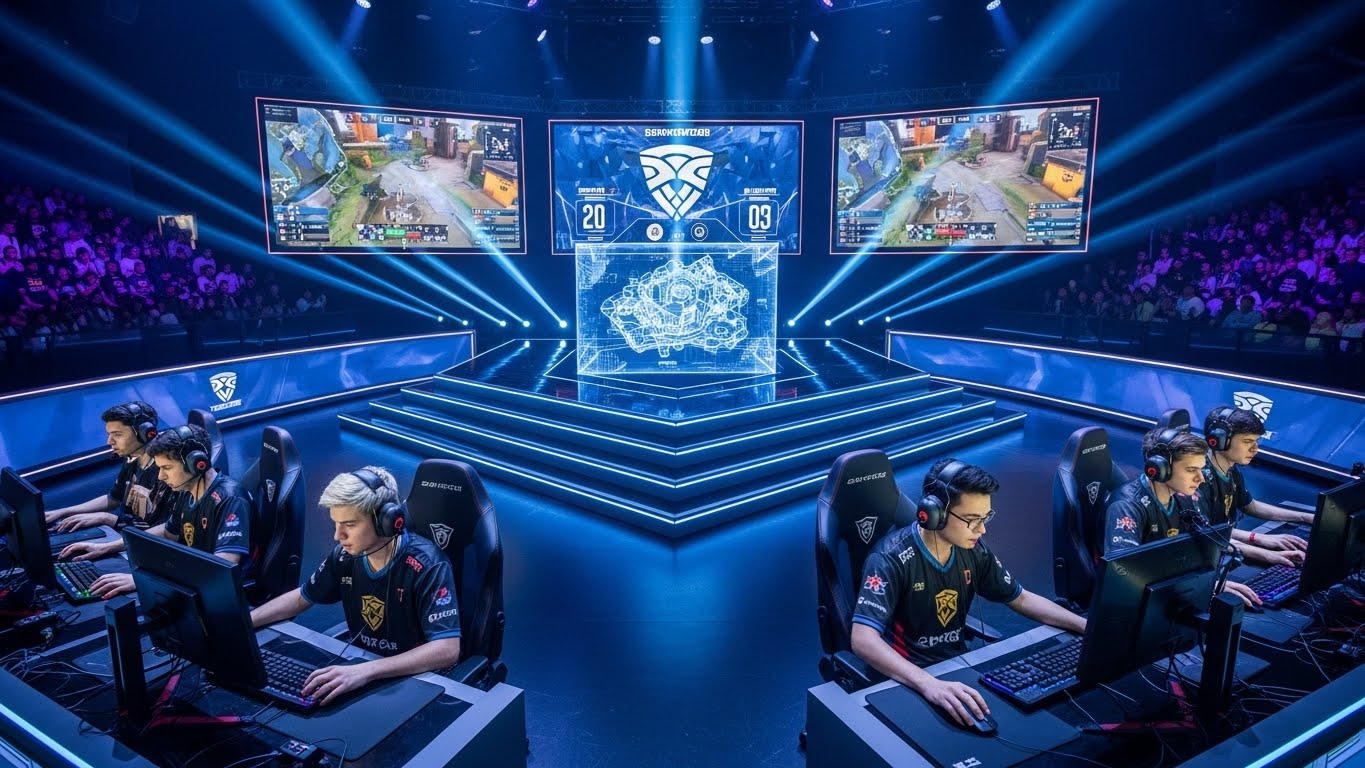
Professional gamers dedicate themselves to rigorous training, similar to traditional athletes. They focus on improving reflexes, strategic decision-making, communication, and teamwork. Leading teams like Team Liquid, Cloud9, and Fnatic operate like sports franchises, providing players with coaches, analysts, and comprehensive support systems.
Esports careers extend beyond competitive play. Streamers, content creators, commentators, and analysts contribute to the industry, earning income through sponsorships, advertising, and merchandise. The structure of professional Esports ensures that it is not merely a pastime but a career opportunity for dedicated individuals.
Popular Esports Game Genres
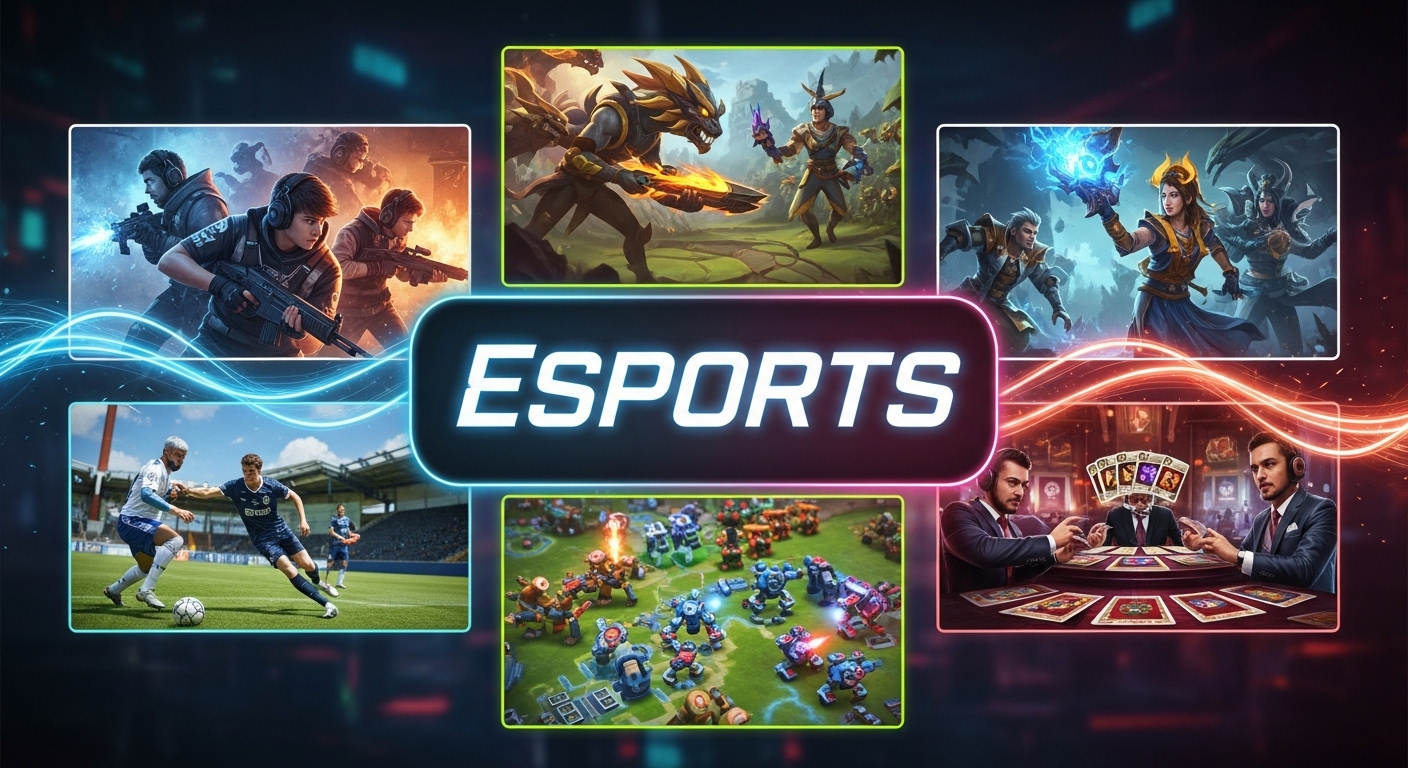
Esports thrives on variety, encompassing multiple genres that appeal to different audiences. Each game type requires distinct skills, strategies, and teamwork.
Multiplayer Online Battle Arena (MOBA)
MOBA games, such as League of Legends and Dota 2, emphasize teamwork and strategy. Players control unique characters with distinct abilities, working together to achieve objectives while countering opponents. MOBA tournaments are widely regarded as some of the most strategic and intense competitions in Esports.
First-Person Shooters (FPS)
FPS games like Counter-Strike: Global Offensive, Valorant, and Overwatch test players’ reflexes, aim precision, and tactical thinking. Professional FPS teams often have specialized roles, and high-level tournaments showcase both individual skill and coordinated team strategy.
Battle Royale
The battle royale genre, represented by games like Fortnite and PUBG, features large-scale competitions where hundreds of players fight to be the last one standing. The unpredictability and excitement of these games make them popular for both casual play and professional tournaments.
Sports Simulation
Games such as FIFA and NBA 2K replicate real-world sports in a virtual environment. Competitive leagues for these games follow structured formats, attracting both casual fans and dedicated professional players who aim for championship titles.
Fighting Games
Fighting games like Street Fighter, Tekken, and Super Smash Bros. showcase one-on-one battles requiring skill, timing, and strategy. These games often maintain grassroots communities and celebrate individual excellence, with events like EVO highlighting top talent worldwide.
Esports Tournaments: From Local Gatherings to Global Spectacles
Esports tournaments have evolved from informal gatherings into major global events. Early competitions were small-scale LAN parties or local online matches. Today, professional leagues and world championships fill stadiums and draw millions of online viewers.
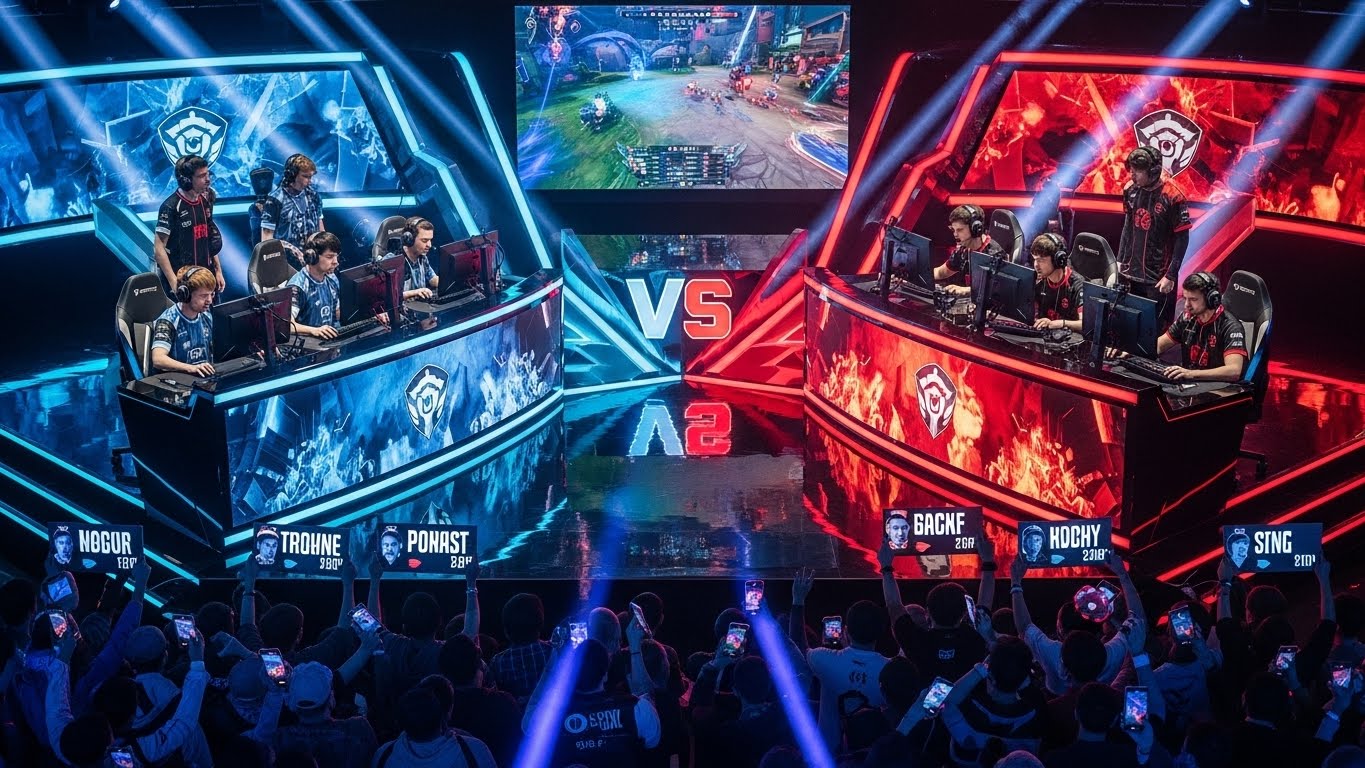
Major tournaments such as The International for Dota 2, the League of Legends World Championship, and the Overwatch League Finals offer multi-million-dollar prize pools. These events combine professional broadcasting, commentary, and high-level production to create an immersive experience for fans.
Tournaments also foster global community engagement. Fans follow team narratives, rivalries, and individual player journeys, transforming Esports competitions into stories that captivate audiences much like traditional sports leagues.
The Role of Streaming Platforms
Streaming platforms have revolutionized how Esports reaches audiences. Platforms allow fans to watch live gameplay, follow favorite players, and interact with communities in real-time. Professional streamers supplement their income through subscriptions, donations, and sponsorships, making content creation a viable career path.
These platforms democratize access to Esports, enabling aspiring players to showcase talent and gain recognition. They also provide educational opportunities, as viewers can learn strategies, team dynamics, and gameplay techniques. Continuous content generation keeps audiences engaged beyond the duration of tournaments, further solidifying fan loyalty.
Esports as a Spectator Sport
Esports has become a legitimate spectator sport. The thrill of watching skilled players execute flawless strategies, clutch moments, and intense rivalries captivates audiences worldwide. Casters, or professional commentators, break down complex strategies and provide live narration, making gameplay accessible and engaging.
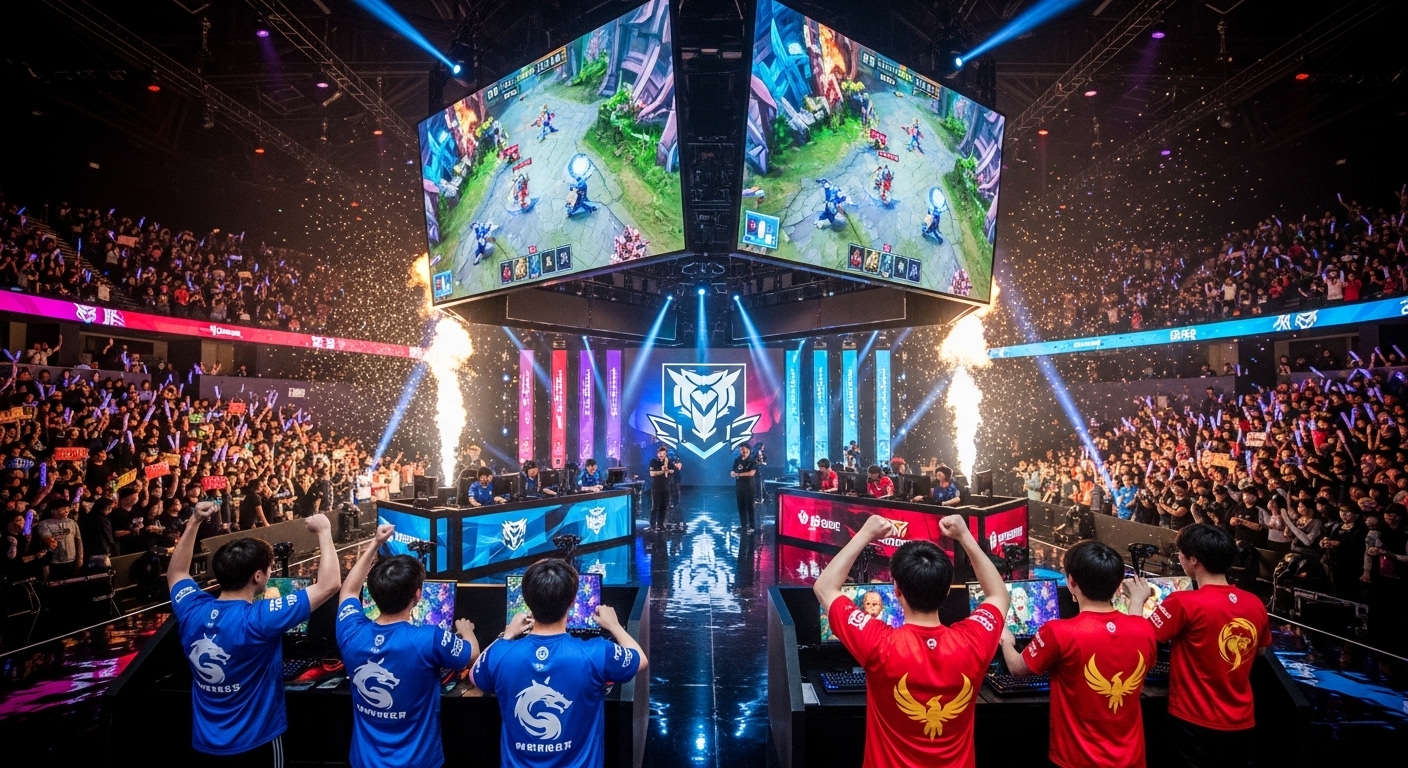
Live events combine gaming with entertainment, featuring elaborate lighting, music, visual effects, and real-time analytics. Fans experience the drama, excitement, and energy of tournaments firsthand. Online communities extend the spectator experience, offering discussion forums, live chats, and fan engagement that enhance the sense of connection and shared culture.
Economic Impact of Esports
Esports has grown into a multi-billion-dollar industry. Revenue streams include sponsorships, media rights, advertising, merchandise, and ticket sales. Major tournaments offer prize pools in the millions, attracting professional players and investors alike.
The industry also creates jobs across multiple disciplines. Event organizers, broadcasters, marketers, analysts, and content creators all contribute to the growing ecosystem. This economic growth has legitimized Esports as a sustainable and professional sector with long-term career opportunities for skilled individuals.
Esports in Education and Youth Development
Educational institutions are increasingly integrating Esports into their programs. Universities and high schools now offer Esports scholarships, team programs, and courses focused on game design, digital marketing, and event management.
Participation in Esports promotes teamwork, communication, problem-solving, and strategic thinking. It encourages collaboration and provides students with skills that are transferable to professional settings. This integration has shifted perceptions, demonstrating that gaming can be both educational and a viable career path.
Challenges Facing the Industry
Despite its success, Esports faces challenges. Player burnout, mental health concerns, and physical strain are ongoing issues. Professional organizations are implementing wellness programs to address these concerns.
The lack of standardized regulations across tournaments and leagues creates inconsistencies. Cheating, match-fixing, and unfair practices occasionally undermine competitive integrity. Efforts are ongoing to develop robust rules, anti-cheating systems, and fair contracts for players.
Diversity and inclusion remain critical areas for growth. While progress has been made, the industry continues to work towards equitable opportunities for women and underrepresented groups.
Technological Advancements Driving Esports
Technology is at the core of Esports. High-performance computers, gaming peripherals, and ultra-fast internet connectivity enable competitive play at the highest level. Innovations in cloud gaming, virtual reality, and augmented reality are expanding the ways players and audiences experience Esports.
Artificial intelligence is increasingly used for analytics, performance evaluation, and strategy development. AI can help teams study opponents, identify strengths and weaknesses, and improve training methods. The continuous advancement of technology ensures that Esports remains dynamic, accessible, and innovative.
Social and Cultural Impact
Esports has had a profound social and cultural impact. It connects people across nations, languages, and backgrounds, creating a sense of shared identity. Communities form around games, fostering friendships and collaboration that transcend physical boundaries.
Esports challenges traditional perceptions of athleticism, emphasizing skill, strategy, and teamwork over physical ability. Women and minority players are gaining recognition, promoting diversity and inclusion. Additionally, Esports contributes to charitable causes, with tournaments raising funds for disaster relief, education, and health initiatives.
The Future of Esports
The future of Esports is promising. Emerging technologies like virtual reality, AI-assisted coaching, and immersive digital environments will redefine competitive play. Governments and global organizations are increasingly recognizing Esports as a legitimate sport, opening opportunities for wider participation and official inclusion in events.
Esports will continue to expand in education, entertainment, and business. Its influence on global culture, youth development, and technology demonstrates that it is more than just a trend—it is a lasting and transformative industry.
Conclusion: The Power of Competitive Gaming
Esports represents the fusion of technology, creativity, and competition. From its modest beginnings in university labs to stadiums and global online platforms, Esports has evolved into a multi-faceted industry with cultural, social, and economic impact.
It has transformed the way people play, watch, and engage with games. It has created professional careers, empowered communities, and reshaped entertainment in the digital era. Esports is not merely a game; it is a movement that reflects the potential of human skill, innovation, and connection in the 21st century.
The rise of Esports marks a new era in global entertainment, proving that competitive gaming is here to stay and will continue to shape the future of sports, culture, and digital interaction.