How Esports Teams Build Global Fanbases
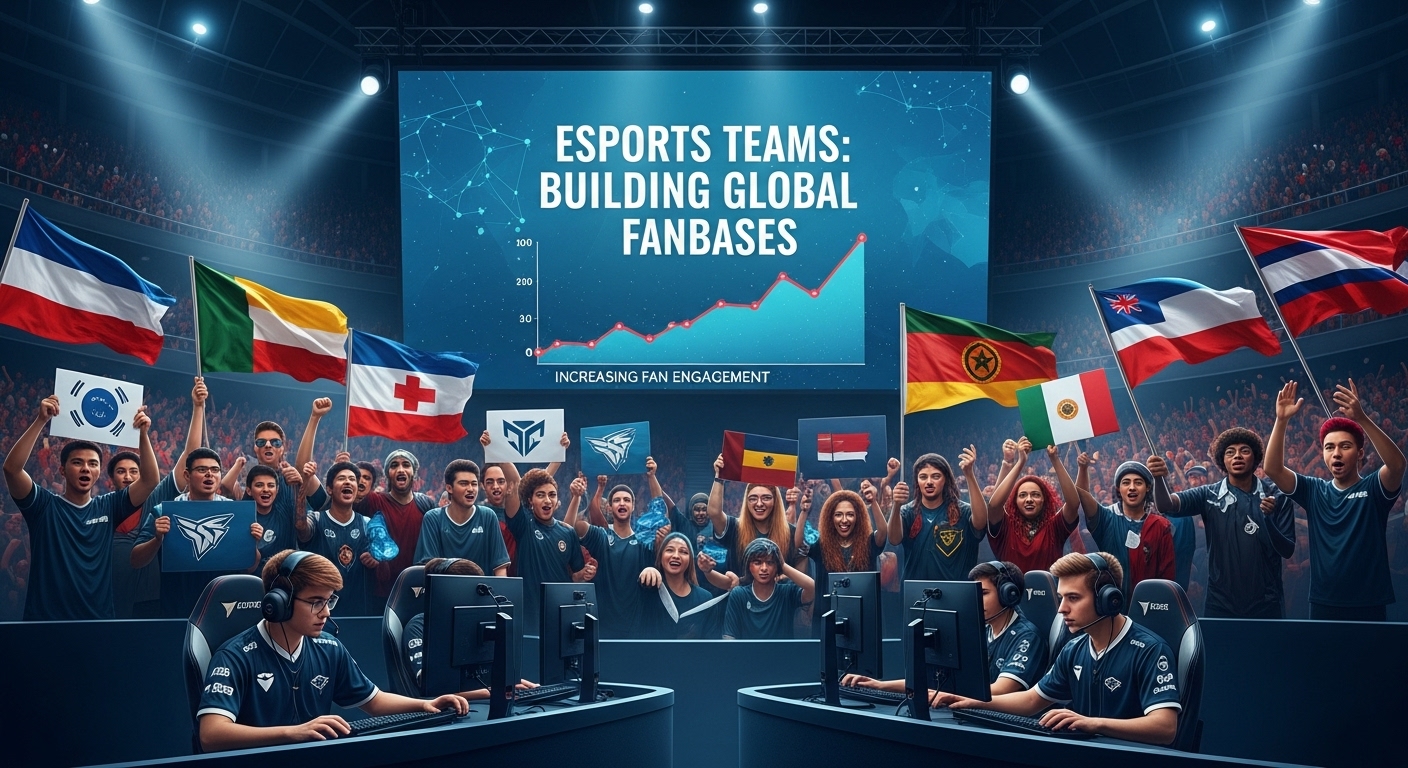
Esports has transformed from a niche passion into a worldwide entertainment powerhouse. Teams once known only within small gaming circles are now international brands, attracting millions of fans across continents. Just like football clubs such as Manchester United or basketball dynasties like the Los Angeles Lakers, esports organizations are learning how to cultivate loyal, passionate, and global communities. But unlike traditional sports, they do so in a digital-first world, where culture, technology, and marketing intersect.
In this blog, we’ll dive deep into how esports teams build global fanbases, covering their strategies, challenges, and successes. By the end, you’ll see how gaming organizations have gone beyond being teams of players—they’ve become media companies, lifestyle brands, and cultural icons.
1. The Rise of Global Esports Teams
Before analyzing fanbase-building strategies, it’s important to understand why esports teams pursue global audiences. Unlike traditional sports, where teams are usually tied to specific cities or regions, esports is inherently international. Games like League of Legends, Counter-Strike, Dota 2, and Valorant are played and streamed globally.
A team based in Los Angeles may have fans in South Korea, Brazil, or Germany. For instance:
- Fnatic (UK) boasts fans across Europe, Asia, and North America.
- T1 (South Korea) is celebrated worldwide thanks to League of Legends superstar Faker.
- Team Liquid (originally Dutch, now US-based) built a reputation across multiple games and countries.
From the start, esports teams weren’t limited by geography—they competed on a digital stage where fans could watch anywhere. That global accessibility became fertile ground for building international fanbases.
2. Social Media as the Global Stage
One of the strongest tools esports teams use is social media. Platforms like Twitter, Instagram, TikTok, and YouTube allow them to communicate directly with fans worldwide. Unlike traditional sports teams that rely heavily on TV broadcasts, esports organizations thrive on digital-first platforms.
Key Social Media Strategies:
- Localized Content: Top teams produce region-specific content in multiple languages. For example, China’s Royal Never Give Up posts in Mandarin for domestic fans, while also maintaining English-language accounts.
- Memes and Culture: Esports culture thrives on memes. Teams often embrace internet humor, helping content spread virally across communities.
- Behind-the-Scenes Access: Fans love seeing the human side of players—team houses, training sessions, or casual interactions. Social media delivers that intimacy.
- Engagement Campaigns: From Q&As to polls and fan challenges, organizations use interactive content to keep audiences engaged.
By using these platforms effectively, esports teams bypass traditional media gatekeepers and connect directly with their audience.
3. Streaming Platforms as Community Hubs
If social media builds awareness, streaming platforms like Twitch, YouTube Gaming, and Bilibili foster community. Fans can watch their favorite teams compete live, interact in chat, and even subscribe to directly support them.
Teams and players often run their own streams outside official competitions. This creates an intimate bond with fans:
- Viewers hear their favorite player’s thoughts in real-time.
- Fans get to see personalities beyond the competitive stage.
- Stream chats create communal spaces where global fans feel united.
For example, when a player streams to tens of thousands of viewers, they’re essentially nurturing a global fan club. Some esports stars have become cultural icons purely from their streaming presence.
4. Branding Beyond Gaming
Building global fanbases requires more than just winning tournaments. Teams have realized that brand identity is key. Just like Nike or Apple, esports organizations cultivate an image that fans identify with.
Elements of Successful Branding:
- Logos & Visual Identity: Teams like Cloud9 (with its iconic blue swirl) or G2 Esports (samurai logo) have strong, recognizable branding.
- Merchandise & Fashion: Jerseys, hoodies, and collaborations with fashion brands turn fans into walking billboards. Fnatic’s partnerships with Gucci and Champion show how esports is entering lifestyle fashion.
- Content as Culture: Teams produce documentaries, short films, and lifestyle vlogs that extend beyond gaming. These position them as entertainment brands.
- Values & Narratives: Many fans connect with underdog stories, resilience, or regional pride. Teams highlight these narratives to build loyalty.
By going beyond the game, esports teams establish themselves as lifestyle and cultural brands, appealing to fans who may not even follow competitive matches closely.
5. Winning as the Foundation
Of course, competitive success still plays a critical role. Winning tournaments elevates visibility, creates memorable moments, and gives fans pride.
- T1 and Faker: Their dominance in League of Legends cemented a massive international fanbase.
- OG Esports in Dota 2: Their back-to-back wins at The International made them global legends.
- Astralis in CS:GO: Their tactical dominance helped them build one of the strongest followings in Europe.
Success builds credibility, and credibility fuels fandom. However, many teams balance this with long-term branding strategies, since wins alone can’t sustain global fanbases forever.
6. Localization: Speaking to Fans in Their Language
Esports is global, but fandom is often local. To truly resonate, teams adapt their outreach to different regions.
- Language Localization: Teams run social media accounts in multiple languages, ensuring accessibility for non-English speakers.
- Regional Partnerships: Collaborations with local brands, such as energy drink companies in Brazil or telecom providers in Southeast Asia, help teams reach specific markets.
- Regional Talent: Recruiting players from various countries creates natural fanbases in those regions. For example, a Brazilian player on a US-based team attracts Brazilian fans.
Localization is crucial for building authenticity and avoiding the impression of being an “outsider” brand.
7. Storytelling & Player Personalities
Fans don’t just support logos—they support people. Esports teams heavily invest in storytelling around their players.
Storytelling Methods:
- Player Profiles & Documentaries: Highlighting struggles, sacrifices, and journeys from obscurity to stardom.
- Narratives of Rivalries: Just like Messi vs. Ronaldo, esports thrives on rivalries—T1 vs. G2 in League, for example.
- Highlight Reels & Memorable Plays: Legendary moments become cultural touchstones fans never forget.
When fans see players as relatable or aspirational figures, they form deep connections that transcend wins and losses.
8. Collaborations with Mainstream Brands
Another powerful way esports teams expand their reach is through brand partnerships. Global companies see esports as a gateway to younger, digitally-native audiences.
Examples include:
- 100 Thieves x Gucci: Blending gaming with luxury fashion.
- Team Liquid x Marvel Entertainment: Creating superhero-themed apparel.
- Fnatic x BMW: Aligning gaming with automotive innovation.
These collaborations bring esports into mainstream visibility, giving teams credibility outside the gaming bubble while attracting new fans.
9. Influencers and Crossover Appeal
Esports teams often collaborate with non-gaming influencers—musicians, athletes, or YouTubers. This crossover expands their reach into new communities.
- FaZe Clan is the best example, blending gaming, music, and lifestyle. Their collaborations with rappers and athletes positioned them as more than a team—they’re a youth culture brand.
- NRG Esports partners with creators who bring entertainment value beyond competitive gaming.
This crossover approach ensures esports teams aren’t siloed but are part of wider cultural conversations.
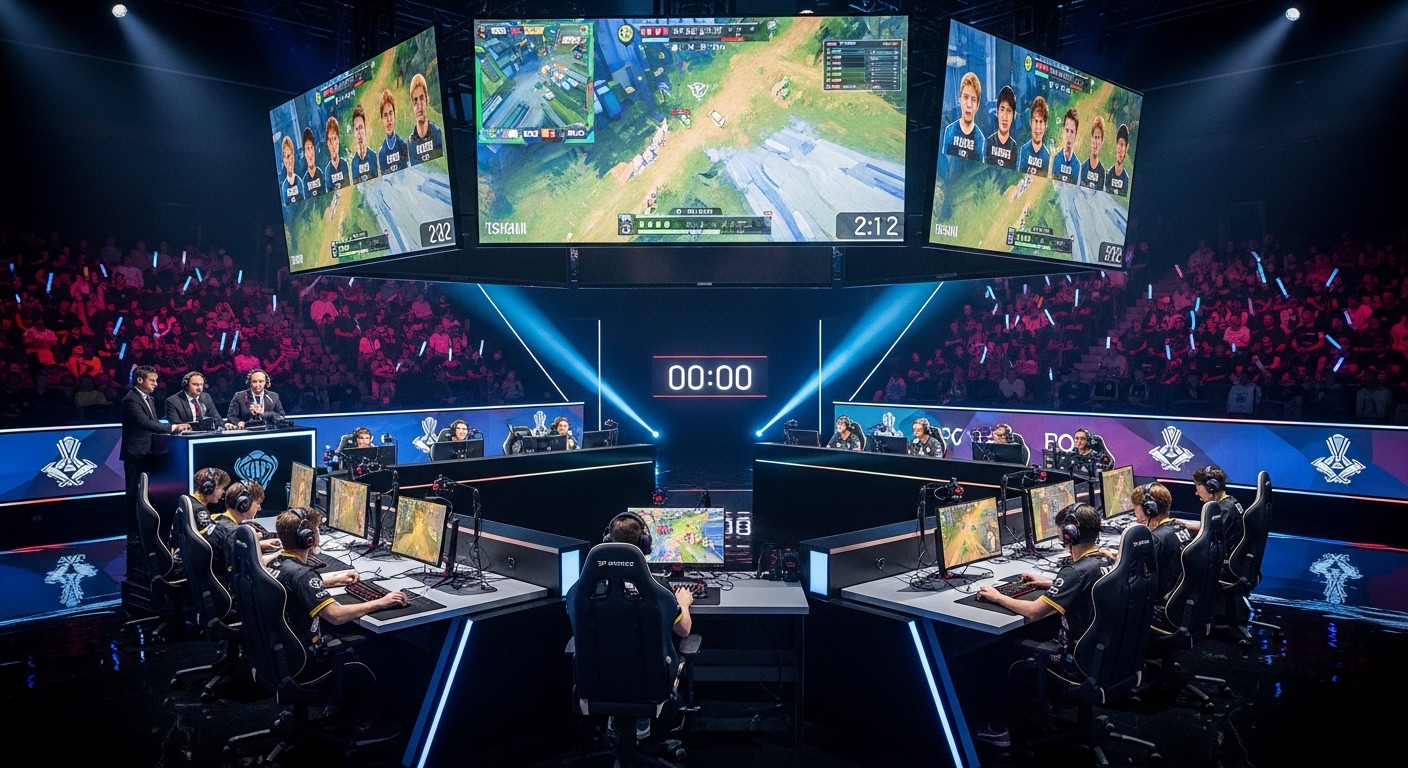
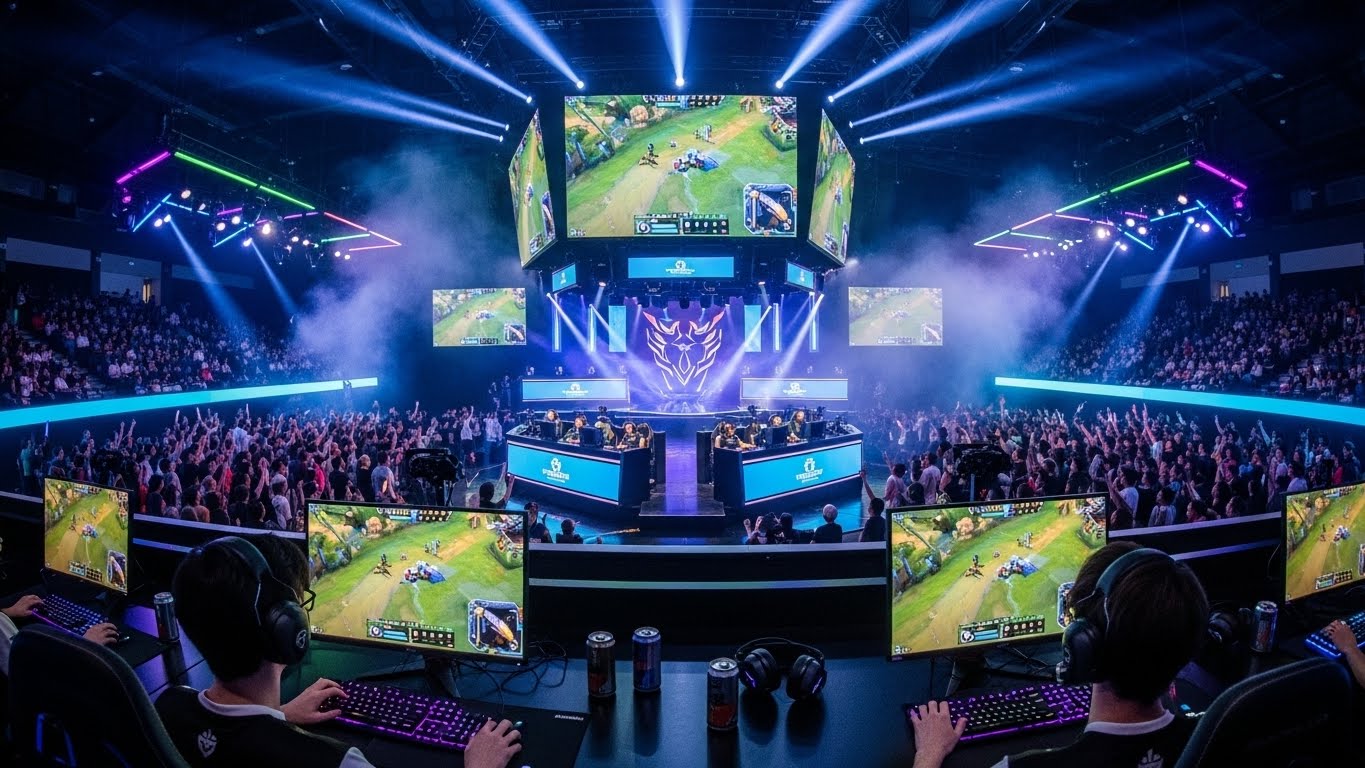
10. Events, Arenas, and Live Experiences
While esports is digital-first, live events create unforgettable experiences that deepen fandom.
- World Championships: Riot Games’ League of Legends Worlds fills stadiums across Europe, Asia, and North America.
- Home Venues: Some teams experiment with home arenas, like Overwatch League’s city-based model.
- Fan Meetups: Autograph sessions, fan parties, and tours bring global fans into direct contact with their favorite teams.
The emotional intensity of being in a crowd, chanting for a team, and witnessing iconic plays live helps cement lifelong loyalty.
11. The Role of Esports Academies
Beyond professional players, teams also build global fanbases by developing youth academies and talent pipelines. Fans often follow young prospects from their early days, watching their journey to stardom.
- T1 Academy nurtures upcoming Korean talent.
- Fnatic Rising develops European prospects.
This not only creates continuity for the team but also attracts new fans eager to see the “next big star.”
12. Challenges in Building Global Fanbases
While esports teams have numerous opportunities, building international loyalty is not without challenges:
- Cultural Differences: Humor, values, and traditions vary across regions, requiring careful localization.
- Oversaturation: With hundreds of teams worldwide, standing out is difficult.
- Short Player Careers: Frequent roster changes can make it harder for fans to stay loyal.
- Global Competition: Unlike traditional sports with regional exclusivity, esports fans can choose from teams worldwide.
Teams must continually innovate to maintain and grow their global fanbases.
13. Case Studies: Global Success Stories
Fnatic
Founded in 2004, Fnatic grew from a European team into a global powerhouse. By winning titles in multiple games and expanding into lifestyle branding (fashion collabs, merchandise), they’ve built a worldwide following.
T1
South Korea’s T1 built a massive global fanbase largely due to Faker’s legendary career. Their dominance in League of Legends and smart branding campaigns made them icons far beyond Asia.
FaZe Clan
FaZe blurred the lines between gaming, music, and pop culture. They positioned themselves as a youth lifestyle brand, with fans who may never even watch their competitive matches.
These examples show that while strategies differ, the common thread is blending competitive excellence with cultural relevance.
14. The Future of Esports Fanbases
Looking ahead, esports teams will continue experimenting with new ways to connect globally. Some future trends include:
- Metaverse & VR Experiences: Fans attending matches in virtual arenas.
- AI-Powered Engagement: Personalized fan interactions through chatbots and AI.
- Blockchain & NFTs: Digital collectibles that give fans a sense of ownership.
- Regional Leagues & Expansion: More localized leagues to balance global reach with community ties.
- Cross-Media Storytelling: Expanding into TV shows, films, and anime to broaden appeal.
Esports teams are uniquely positioned to innovate because their audience already lives in the digital world.
15. Conclusion
Esports teams are not just organizations that compete in video games—they are global entertainment brands. Through social media, streaming, branding, storytelling, localization, partnerships, and live experiences, they cultivate fanbases that span continents.
The key to their success lies in blending competitive excellence with cultural resonance. Fans don’t just watch for the wins; they buy into the identity, lifestyle, and stories these teams represent.