and Entertainment
The rise of esports over the last decade has been nothing short of remarkable. Once considered a hobby or niche pursuit, esports has exploded into a multi-billion-dollar industry, captivating millions of fans worldwide. From professional players and global tournaments to sponsorship deals and media coverage, esports has firmly established itself as a mainstream phenomenon. This blog post explores how esports evolved from its humble beginnings, what drives its success, and what the future holds for this rapidly growing industry.
The Birth of Esports: From Arcade Games to Global Tournaments
Esports as we know it today didn’t happen overnight. The early roots of competitive gaming can be traced back to the 1970s and 1980s when arcade games like Space Invaders and Pong first emerged. However, the concept of organized competitive gaming didn’t truly take shape until the 1990s. The advent of personal computers and online gaming platforms made it possible for players to compete against each other over the internet, giving rise to some of the first competitive gaming events.
Games like Quake, StarCraft, and Warcraft III became the cornerstones of competitive gaming during the late 1990s and early 2000s. These games allowed players to battle in real-time strategy, first-person shooter, and multiplayer formats, creating a perfect environment for online tournaments. While these events were often local or regional, they set the stage for the explosion of esports in the following years.
The defining moment for esports came in 2011 with the release of League of Legends, developed by Riot Games. This game became a global sensation, attracting millions of players and viewers alike. The first League of Legends World Championship in 2011 was a milestone event, with prize pools and professional teams taking center stage. This marked the beginning of esports as a serious competitive and spectator-driven industry.
The Growth of Esports: From Hobby to Industry
The Role of Streaming Platforms in Expanding Esports’ Reach
The rise of streaming platforms like Twitch, YouTube Gaming, and Facebook Gaming played a crucial role in the meteoric growth of esports. These platforms allowed gamers to stream their gameplay live, while viewers could watch and interact with them in real-time. This accessibility and interactivity transformed esports into a global spectator sport.
In 2013, Twitch—now the largest live-streaming platform for gaming—was acquired by Amazon for nearly $1 billion, signaling the growing importance of the esports ecosystem. Twitch enabled gamers to showcase their skills to a massive audience, fostering a community of passionate fans who followed players, teams, and tournaments. This digital engagement has made esports more accessible than ever before, with millions tuning in to watch live matches, tournaments, and events from anywhere in the world.
Esports: A Professional Career
As esports grew in popularity, the idea of professional gaming began to take hold. Today, professional esports players can make a living from their skills, just like athletes in traditional sports. Organizations such as Cloud9, T1, and Team Liquid recruit top-tier players, providing them with salaries, training facilities, and resources to compete in major tournaments.
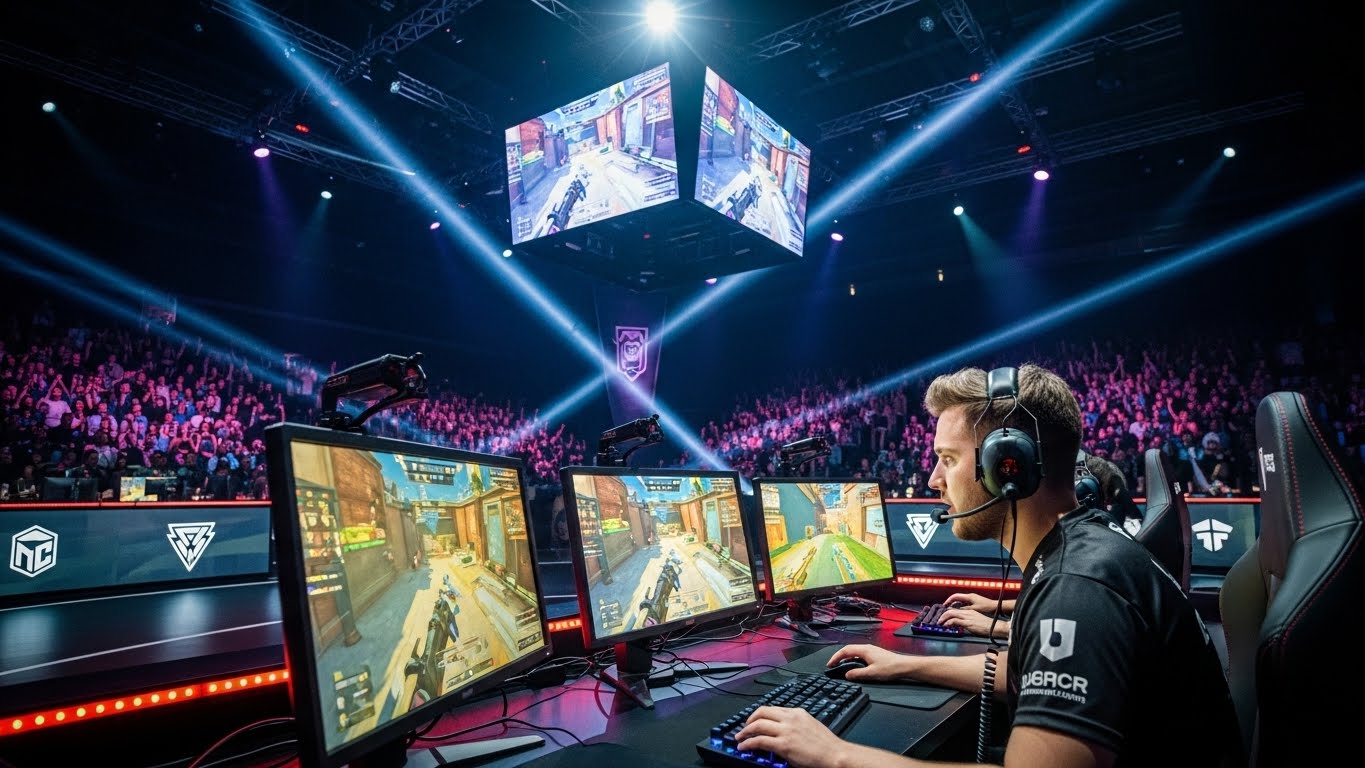
The level of competition in esports is now comparable to traditional sports, with players spending hours each day perfecting their craft. While many professional athletes focus on physical training, esports players hone their strategic thinking, hand-eye coordination, and reaction time. In fact, esports players can spend up to 12 hours a day practicing, competing, and streaming to maintain their elite status.
The Explosion of Esports Tournaments and Prize Pools
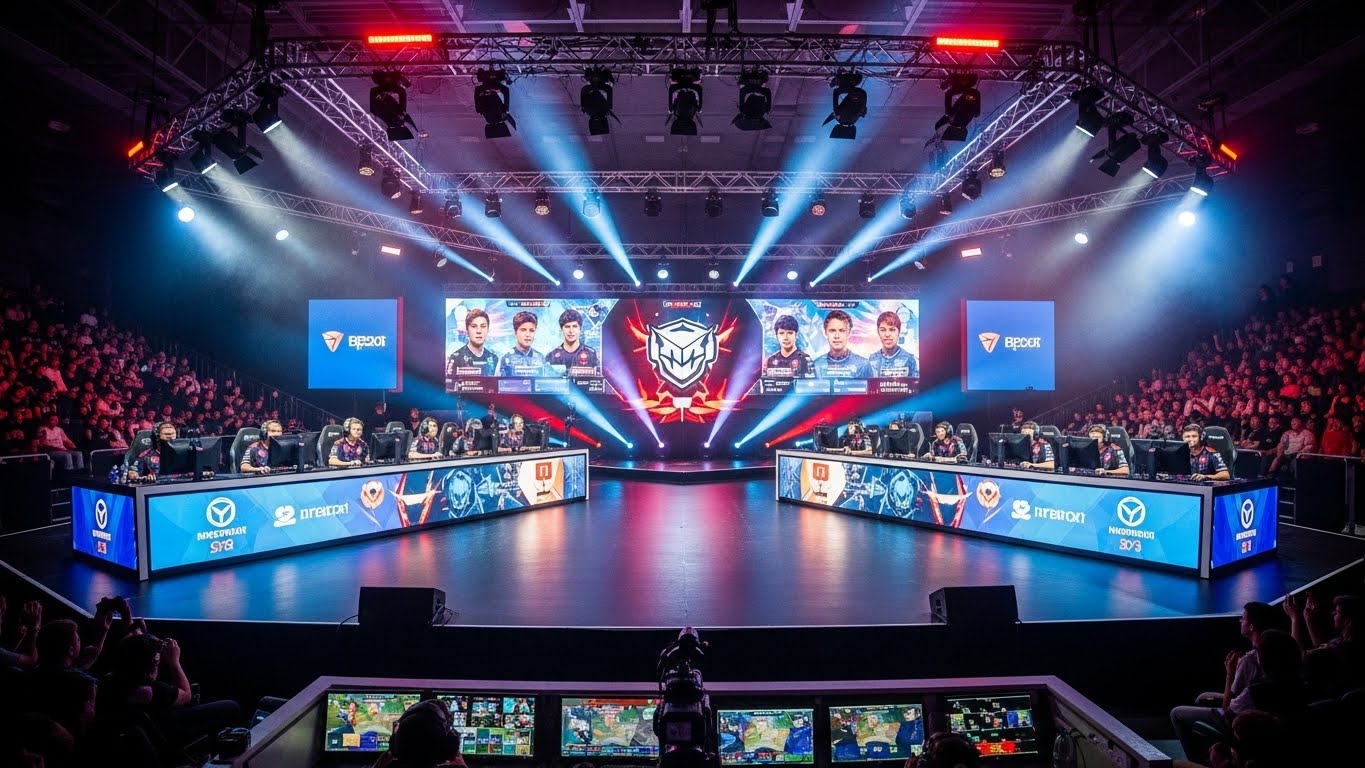
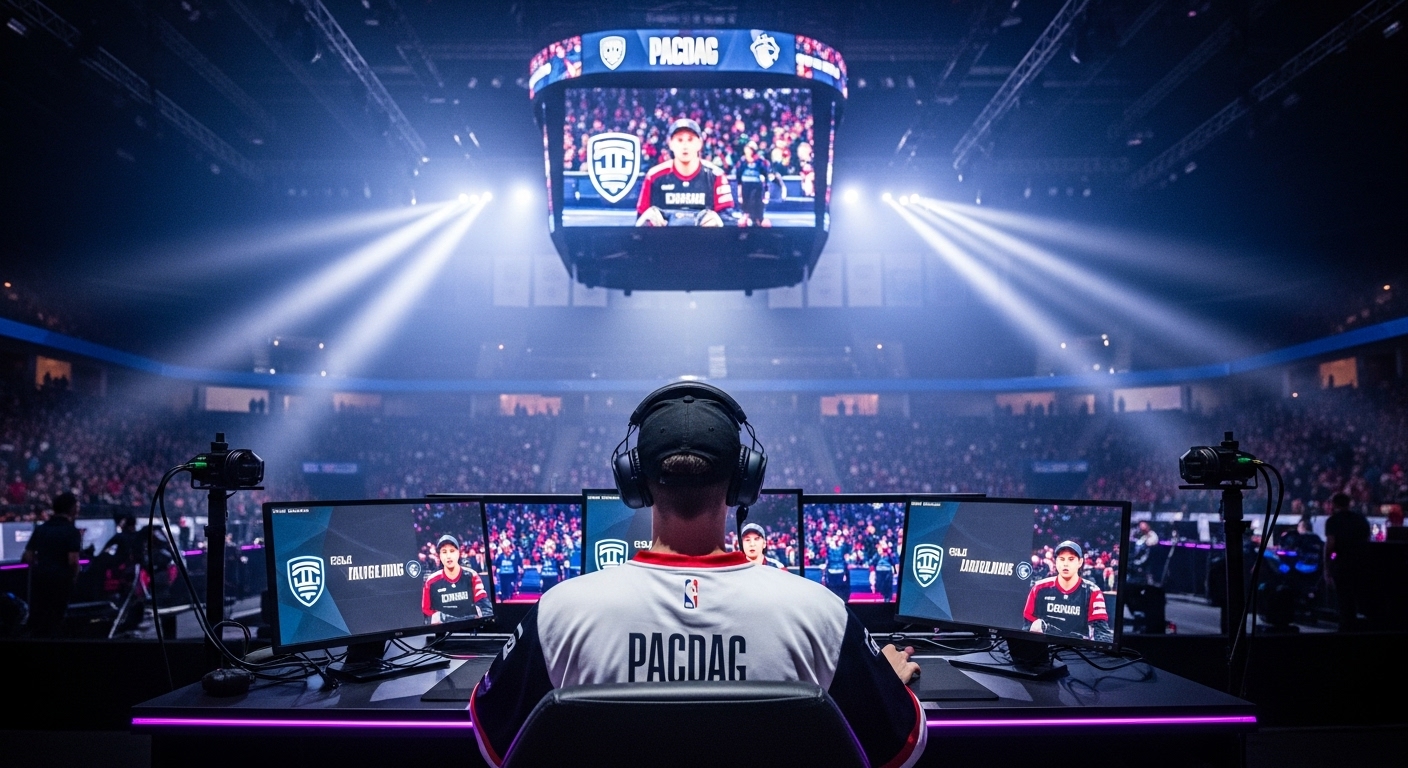
One of the most exciting aspects of esports is its tournaments. These events have become a spectacle, drawing thousands of fans to arenas and millions of viewers online. Esports tournaments are now held in some of the world’s biggest venues, such as the Staples Center in Los Angeles and the AccorHotels Arena in Paris. In 2020, The International, a Dota 2 tournament, held one of the largest prize pools in esports history at over $40 million.
These massive prize pools attract some of the best players worldwide and contribute to the professionalization of esports. With huge rewards on the line, esports has become a legitimate career path for gamers who want to turn their passion into a full-time profession.
The Business Side of Esports: Corporate Investment and Sponsorships
Esports’ rapid growth has attracted the attention of major corporations looking to tap into the lucrative gaming audience. Brands from a variety of industries—ranging from tech and consumer goods to automotive and lifestyle—are now investing heavily in esports sponsorships and partnerships.
Major companies such as Intel, Coca-Cola, Nike, and Red Bull have become household names in the esports world, sponsoring tournaments, teams, and players. This influx of corporate dollars has helped elevate esports to a global phenomenon, with events being broadcast on major television networks and streaming platforms. The sponsorship deals have also enabled organizers to offer even larger prize pools, create more elaborate productions, and expand the overall reach of esports.
Beyond tournament sponsorships, brands are also involved in merchandising, in-game promotions, and creating unique experiences for fans. For example, League of Legends has collaborated with brands like Louis Vuitton to design exclusive in-game skins and real-world merchandise. These cross-industry collaborations not only boost esports’ appeal but also make it a more integrated part of mainstream entertainment.
Esports as a Cultural and Social Movement
Esports is more than just a competitive activity; it has become a cultural movement. The global appeal of esports is reflected in the diverse range of players, teams, and fan communities. Whether you’re in South Korea, the United States, or Brazil, esports has a universal language that transcends geographical and cultural boundaries.
Esports has also introduced a new form of social interaction. Fans can communicate with players, engage with each other on social media platforms, and participate in online communities. This sense of community is one of the core reasons why esports has experienced such rapid growth. Tournaments like Overwatch League and League of Legends World Championship have generated global fanbases that rival those of traditional sports leagues.
Additionally, the growing recognition of esports as a legitimate form of entertainment has opened doors for new career opportunities in gaming-related fields such as broadcasting, commentary, event management, and game development. Colleges and universities are increasingly offering scholarships for esports players, while some have even introduced dedicated esports programs.
The Future of Esports: Innovation and Expansion
Looking ahead, the future of esports is bright, with several exciting trends on the horizon. Virtual reality (VR) and augmented reality (AR) are expected to revolutionize the way esports events are experienced. Imagine watching a Fortnite tournament in 360-degree VR or attending a League of Legends event where you can interact with the game world through AR. These technological advancements will further blur the lines between gaming and reality, offering an even more immersive spectator experience.
Another growing trend is the rise of mobile esports. With mobile gaming on the rise, titles like PUBG Mobile and Clash Royale have already made a mark on the competitive gaming scene. Mobile esports will likely continue to grow, allowing even more players to compete at the highest level and providing new opportunities for fans to engage with their favorite games.
Finally, as esports continues to grow, we may see it become an integral part of traditional sports leagues. Some professional sports teams have already established esports divisions, while cities like Los Angeles and Paris have created esports-specific arenas. With the ongoing growth of the esports ecosystem, it’s only a matter of time before esports and traditional sports become even more intertwined.
Conclusion: Esports Is Here to Stay
Esports has evolved from a niche hobby to a global entertainment juggernaut, reshaping the way we think about gaming, sports, and competition. With professional leagues, massive tournaments, and millions of passionate fans, esports is now a force to be reckoned with. The continued growth of the industry, coupled with advancements in technology and increased corporate investment, ensures that esports is here to stay.
For players, fans, and industry professionals, the future of esports is full of endless possibilities. Whether it’s through new technologies, expanded opportunities, or the merging of traditional sports with digital competitions, esports will continue to influence and define the entertainment landscape for years to come.