
eSports Revolution: The Rise of Competitive Gaming in the Digital Age
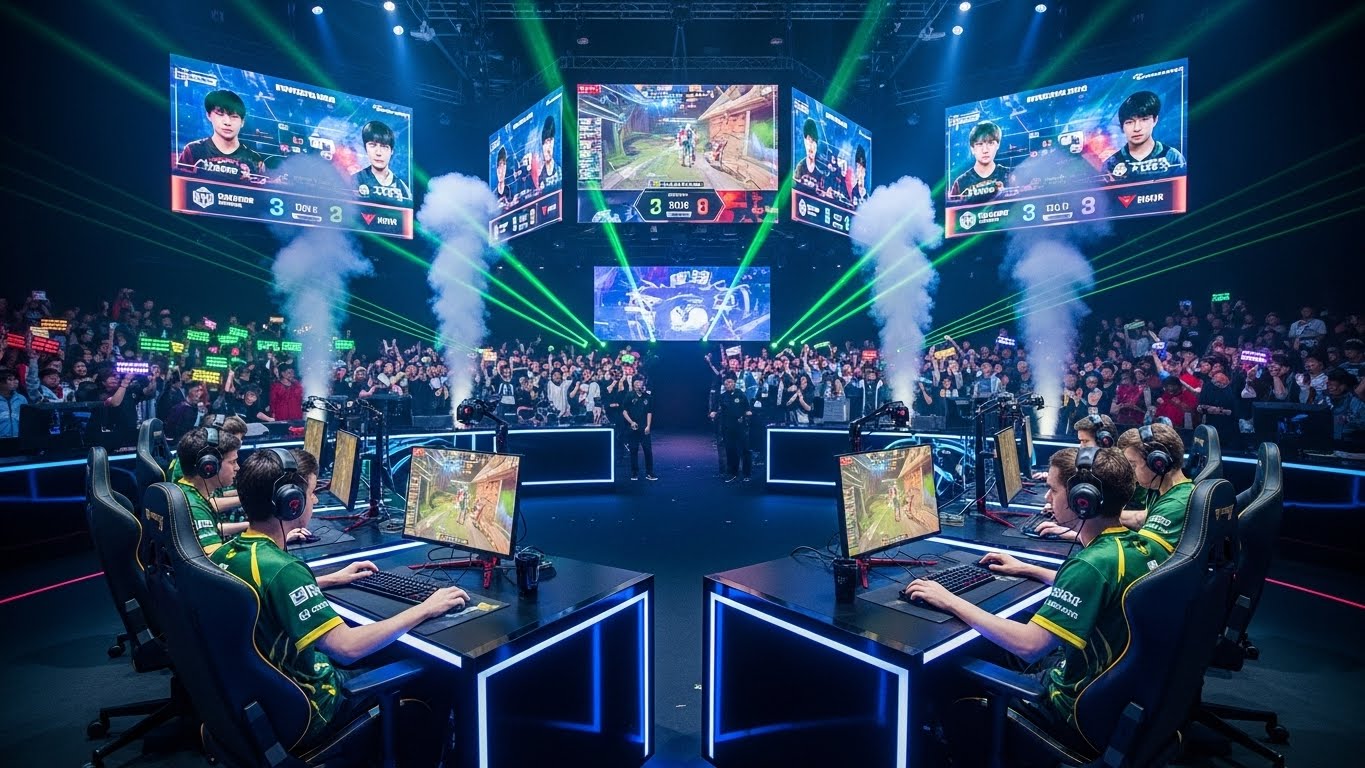
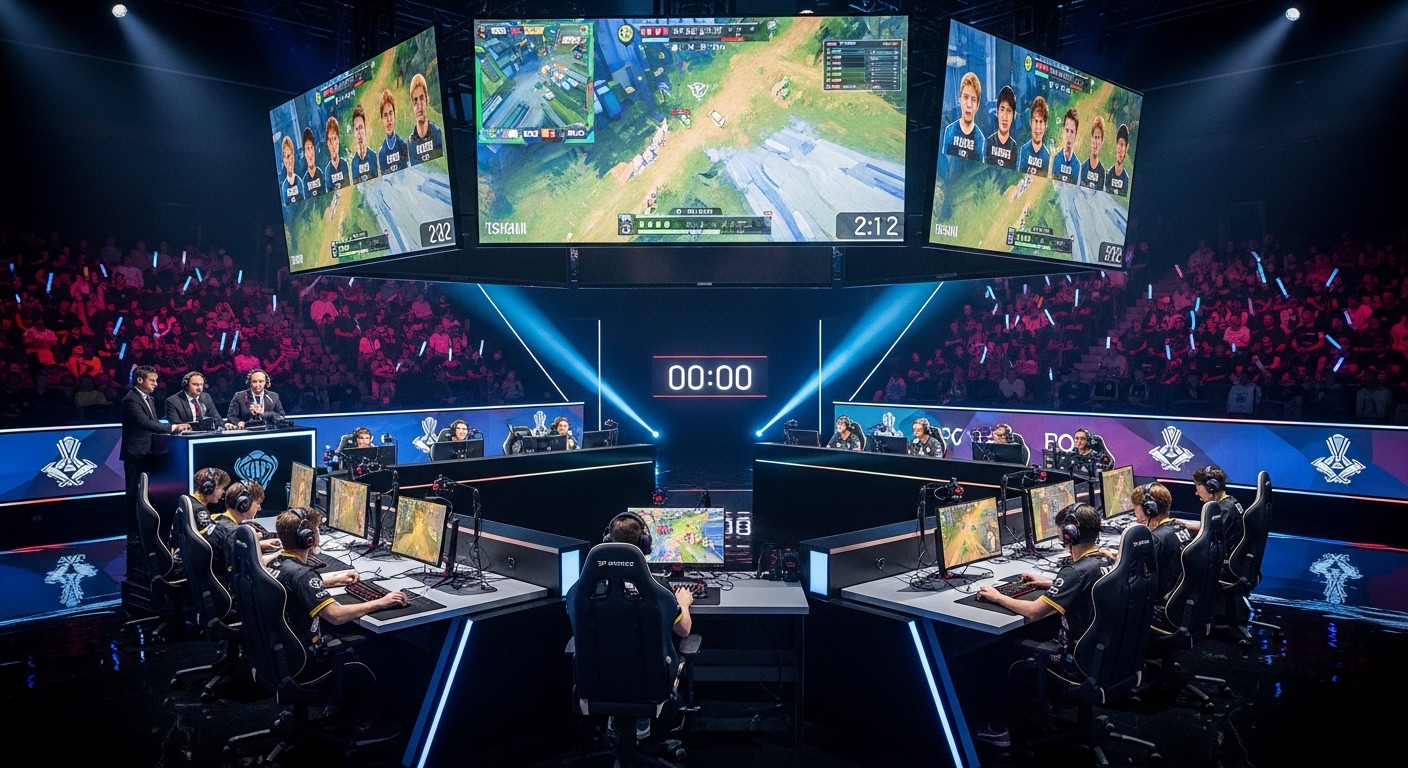
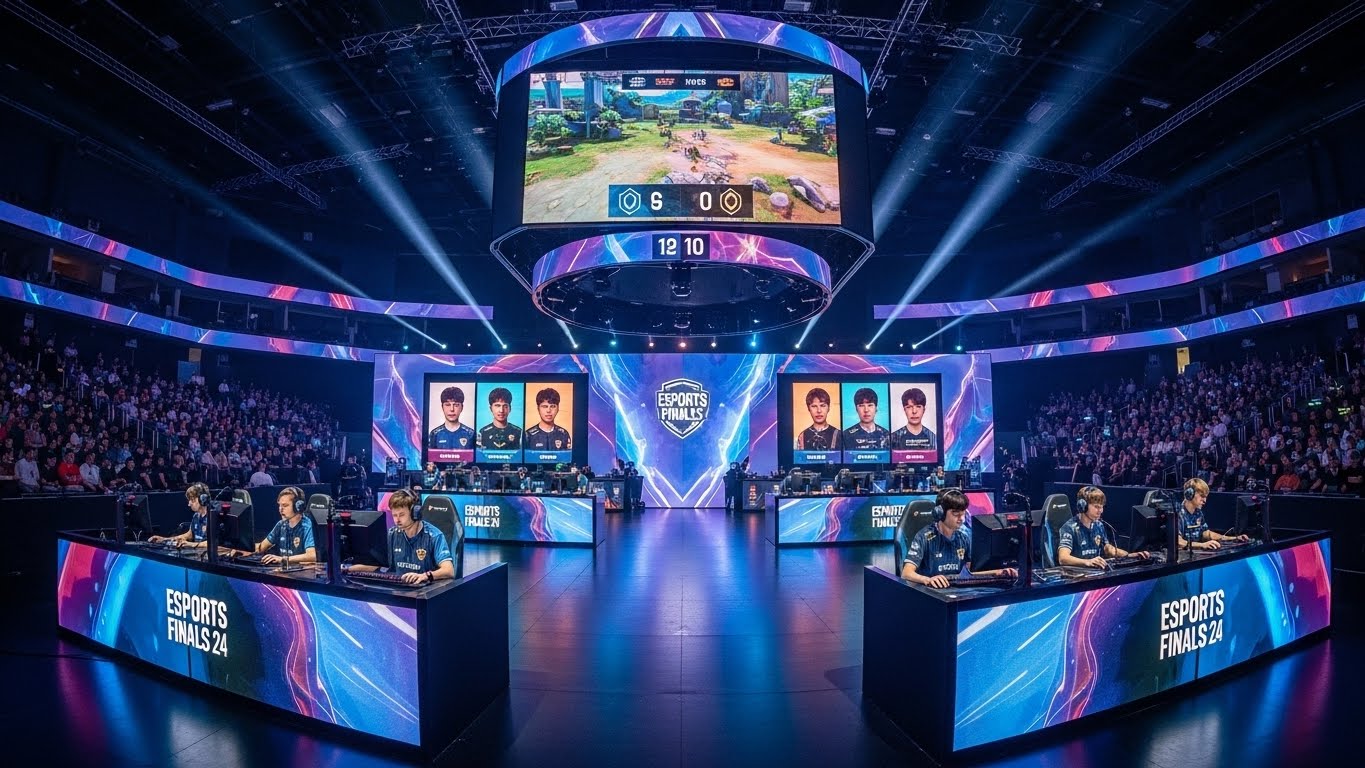
The world of gaming has undergone a massive transformation, evolving from casual entertainment into a professional, global phenomenon. eSports, short for electronic sports, has emerged as a central force in this evolution. It combines skill, strategy, and teamwork to create competitions that attract millions of players and fans worldwide.
Understanding eSports
eSports refers to organized, competitive video gaming where individuals or teams compete in tournaments. Unlike casual gaming, eSports emphasizes strategy, quick decision-making, and precision. Popular game genres in eSports include multiplayer online battle arenas, first-person shooters, fighting games, and sports simulations.
The Global Growth of eSports
Over the last decade, eSports has experienced explosive growth. Streaming platforms allow fans to watch live tournaments from anywhere, while professional leagues offer substantial prize pools that turn gaming into a viable career. Major tournaments now attract millions of viewers, and sponsorship deals have made the industry highly lucrative.
Popular eSports Games
The eSports arena is home to a variety of games that cater to different skills and audiences:
- Multiplayer Online Battle Arenas (MOBAs): Games like League of Legends and Dota 2 require teamwork, strategy, and fast thinking.
- First-Person Shooters (FPS): Titles such as Counter-Strike: Global Offensive and Valorant demand precision, reflexes, and tactical skills.
- Fighting Games: Street Fighter and Tekken emphasize timing, strategy, and mastery of complex mechanics.
- Sports Simulations: FIFA, NBA 2K, and other sports games replicate real-world sports competition digitally.
The Role of Streaming and Online Communities
Streaming platforms and online communities are integral to eSports’ success. Fans can watch live gameplay, interact with players, and join communities that share their passion. These interactions create a unique culture where players and audiences connect, compete, and grow together.
Career Opportunities in eSports
Beyond professional players, eSports offers diverse career paths. Commentators, analysts, coaches, tournament organizers, and content creators all contribute to the industry. Sponsorships and brand partnerships also provide monetization opportunities, making eSports a multifaceted career landscape.
Challenges Facing eSports
Despite its rapid growth, eSports faces several challenges. Ensuring fair competition, preventing cheating, maintaining player health, and navigating regulatory differences across regions are ongoing concerns. The industry must address these issues to sustain long-term growth and credibility.
The Future of eSports
The future of eSports is bright, driven by innovations such as virtual reality, augmented reality, and artificial intelligence. These technologies will enhance immersion, strategy, and audience interaction. As eSports becomes increasingly mainstream, it will continue to shape the future of entertainment and digital culture.
Conclusion
eSports has transformed competitive gaming into a global spectacle. It combines skill, technology, and community to create an experience that captivates millions worldwide. With continuous innovation and growing popularity, eSports is set to remain a dominant force in the world of digital entertainment for years to come.