Introduction: The Digital Evolution of Competition
For decades, traditional sports like football, basketball, and cricket dominated global entertainment and culture. However, the rise of the digital age introduced a new form of competitive pastime that has grown far beyond expectation. Esports, or electronic sports, is no longer just a niche hobby enjoyed by a handful of passionate gamers. It has evolved into a global phenomenon, attracting millions of viewers, sponsoring large-scale tournaments, and creating opportunities for players, creators, and industries alike. This blog explores the world of esports, its rapid expansion, cultural impact, and the future that lies ahead.
What Exactly Is Esports?
Esports refers to organized, competitive video gaming. Unlike casual play, esports involves structured tournaments, professional teams, coaches, managers, and even analysts. A wide variety of games fall under the esports umbrella, including first-person shooters, strategy games, fighting games, and sports simulations. Some of the most popular titles include competitive battle arenas, objective-based shooters, and virtual sports games. These games require skill, teamwork, strategy, and split-second decision making, making them surprisingly similar to traditional sports in terms of dedication and discipline.
The Rise of Esports: From Bedrooms to Stadiums
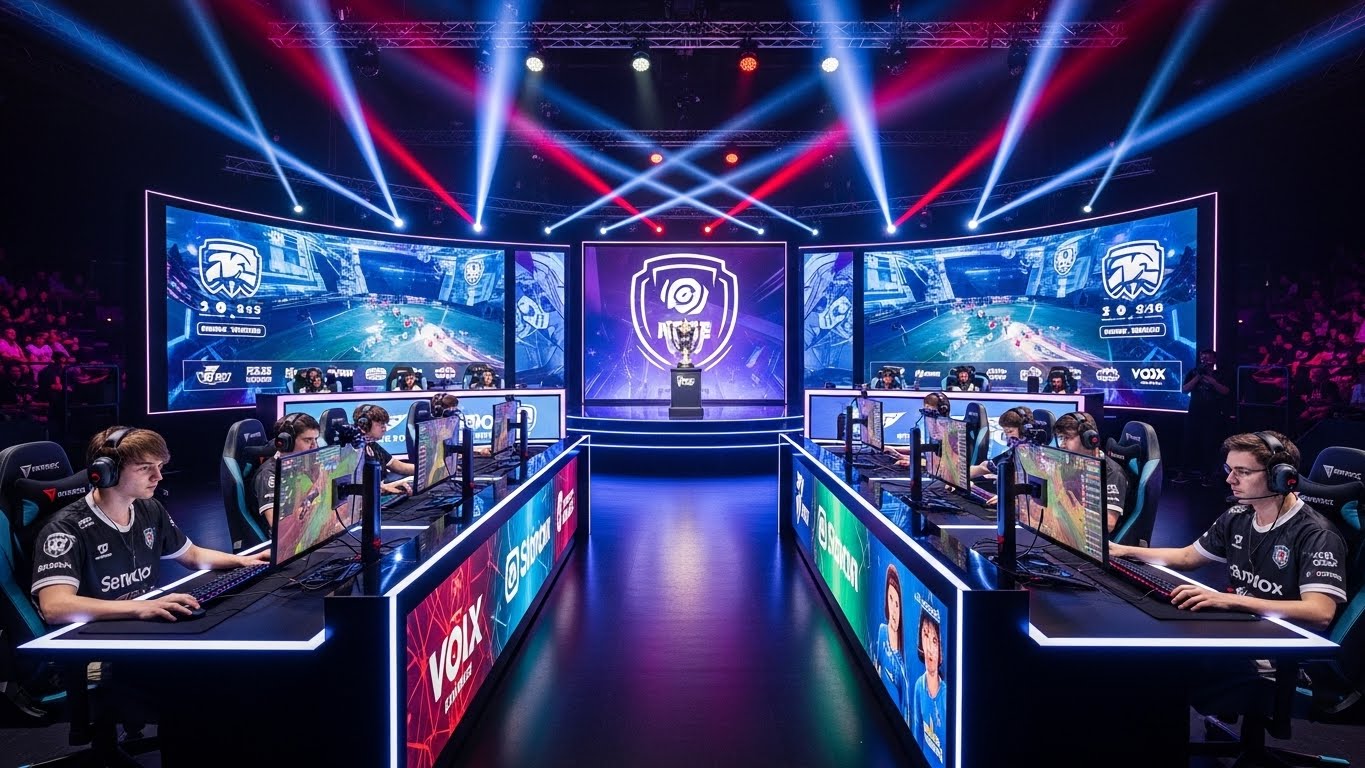
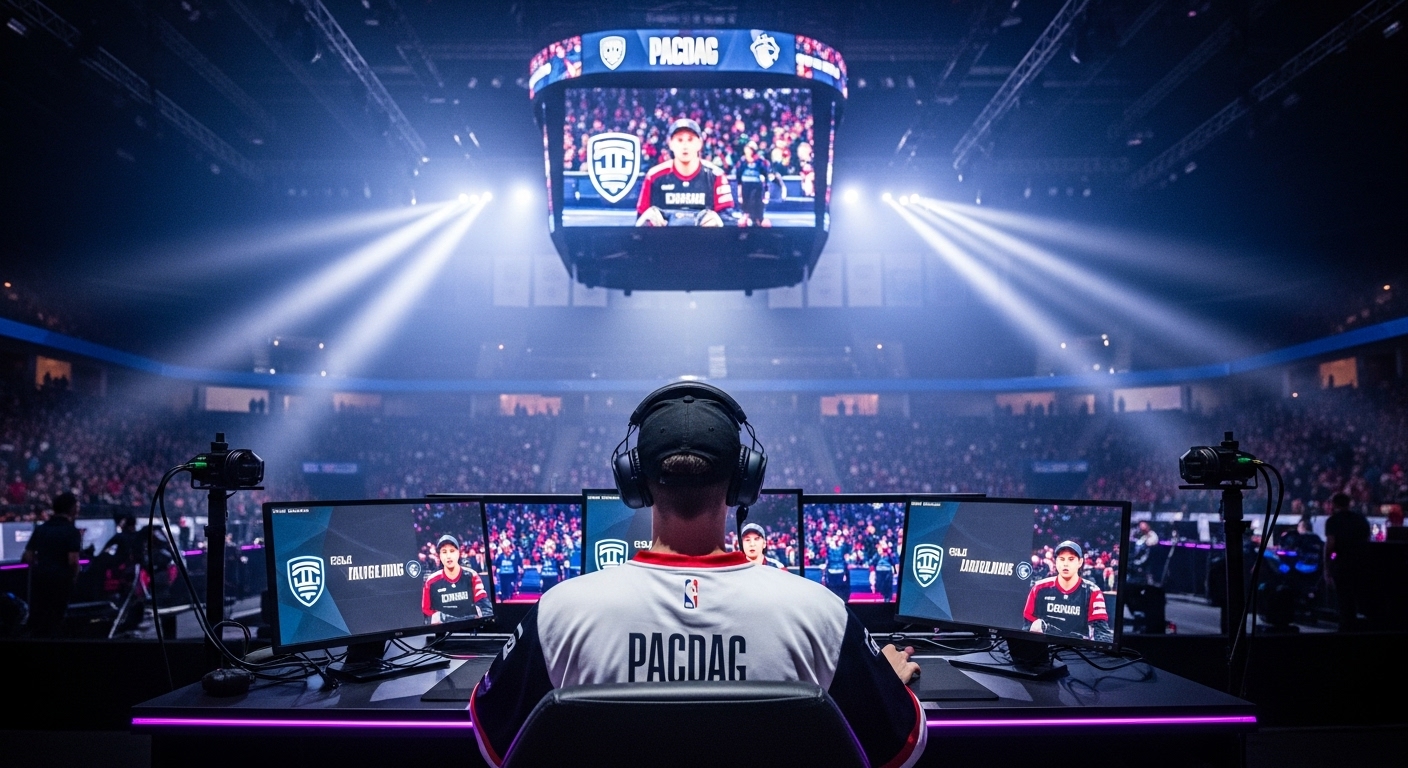
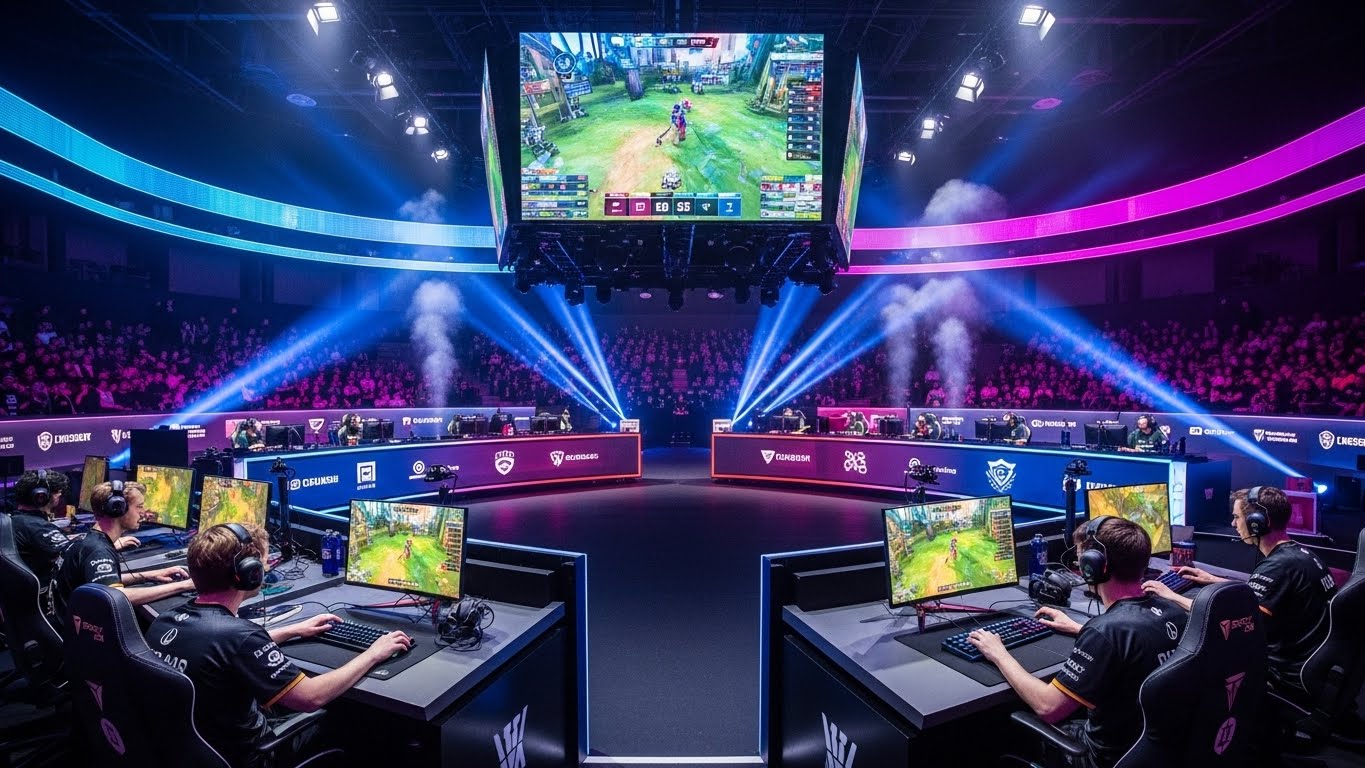
Esports did not become massive overnight. Early competitions in the 1990s were small, often held in gaming cafes or local community centers. However, the introduction of high-speed internet, live streaming platforms, and improved gaming technology led to a sharp upward trajectory. What once consisted of small LAN parties slowly transformed into enormous arenas filled with roaring fans. Today, esports tournaments are held in stadiums, convention centers, and even specialized esports arenas specifically designed to host competitions. Viewership has reached millions, with major championships being watched around the world.
The Professional Esports Ecosystem
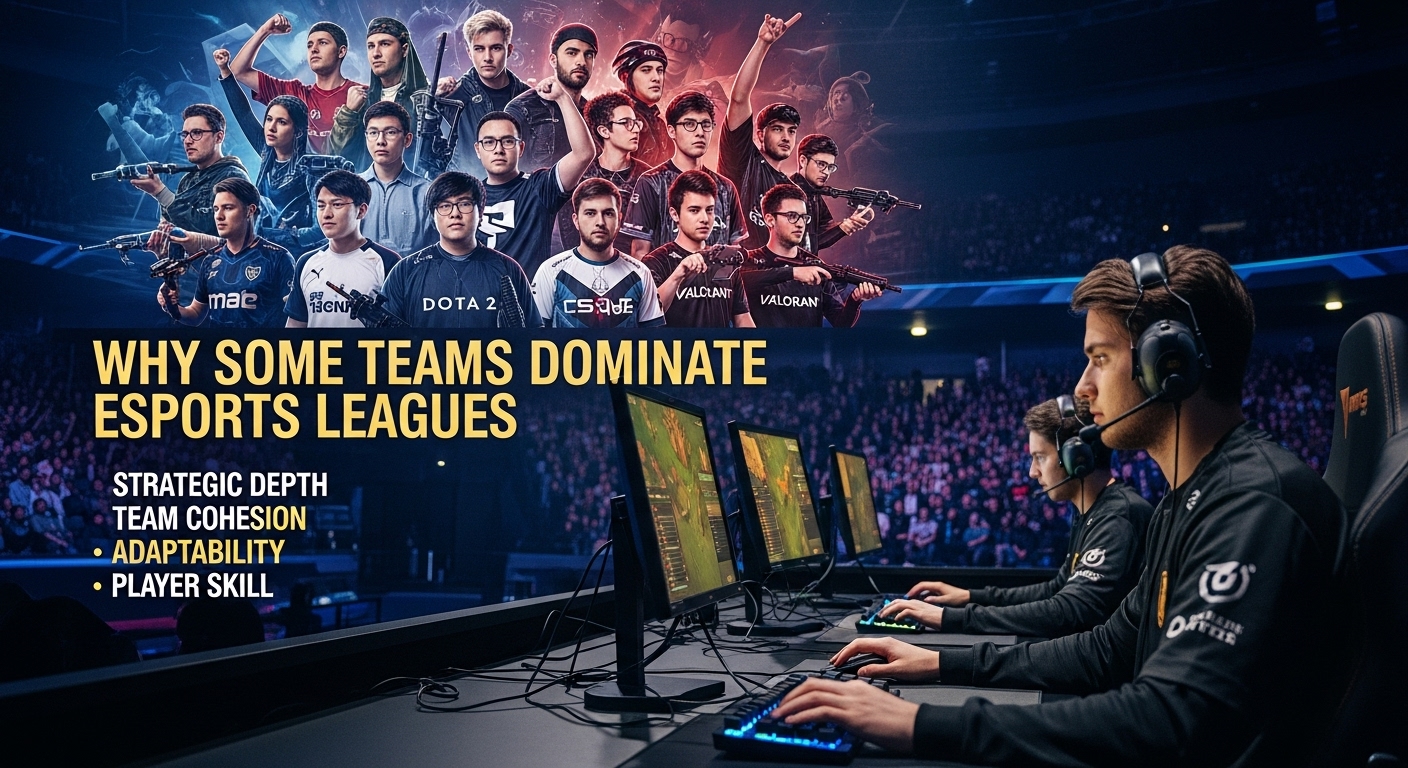
Esports has grown into an ecosystem that mirrors traditional sports in many ways. Professional teams operate with structured roles, practice schedules, sponsorship agreements, and management staff. Players are recruited based on their in-game performance, teamwork, and communication skills. Many teams are owned by well-known organizations, celebrities, and even traditional sports franchises. The ecosystem also includes coaches who guide gameplay strategies, analysts who break down competitors’ patterns, and mental performance specialists who support players during high-pressure events. The level of professionalism has created an industry where players can earn a living through salaries, sponsorships, and prize money.
Training and Discipline in the Esports World
Contrary to popular belief, esports athletes undergo rigorous training. A typical day for a professional gamer includes several hours of practice, team strategy discussions, physical workouts, and mental conditioning. Physical fitness has become increasingly important, as reaction speed, endurance, and posture can significantly affect performance. Teams often live together in training houses or manage branded training centers where they develop coordination and synergy. The focus on discipline has reshaped the perception of esports athletes, showing that gaming is not just entertainment but also a demanding profession.
Esports and Technology: A Perfect Partnership
Technology plays a central role in esports growth. Advancements in gaming hardware, ultra-fast internet speeds, and streaming platforms have allowed competitions to become seamless global events. Virtual reality, motion capture, and enhanced graphics have further improved the player and viewer experience. Live streaming services have democratized esports, offering aspiring players the opportunity to showcase their skills to global audiences. Meanwhile, mobile gaming has opened doors for new regions and communities, making esports more accessible than ever before.
The Global Community and Cultural Impact of Esports
Esports is unique in its ability to unite players from different backgrounds, languages, and regions. Unlike many traditional sports that require expensive equipment or large playing fields, gaming needs only a device and a stable connection. This accessibility has created a global community that collaborates, competes, and celebrates digital victories together. Esports fandom is passionate and well-connected, with fans supporting teams, analyzing matches, and creating online discussions. Major tournaments often feel like international celebrations, blending music, entertainment, and gameplay into one vibrant experience.
Economic Impact and Opportunities in the Esports Industry
The economic impact of esports is substantial. The industry generates revenue through sponsorships, advertising, merchandise sales, tournament tickets, and media rights. Many brands have entered esports to reach younger digital audiences. Technology companies, beverage brands, automotive manufacturers, and even universities now sponsor teams or events. Esports career opportunities extend far beyond professional players. Aspiring creators can become streamers, commentators, event organizers, game designers, or digital marketers. This diverse range of roles has made esports a viable career path for many young individuals.
Esports in Education: A Growing Movement
Esports programs are increasingly being introduced in schools, colleges, and universities worldwide. Institutions recognize that gaming helps develop teamwork, quick thinking, strategic planning, and leadership skills. Scholarships for esports players are becoming more common, allowing talented gamers to pursue education alongside competition. Some schools even use esports as a tool for teaching subjects like mathematics, science, and communication through interactive and engaging methods. This educational integration further proves the legitimacy and long-term sustainability of esports.
Challenges Facing the Esports Industry
Despite its success, the esports world faces several challenges. Player burnout is a major concern due to intensive training schedules and the mental pressure of frequent competitions. Additionally, the industry must address issues related to fair play, such as cheating or match fixing. There are also concerns about maintaining a healthy balance between gaming and personal life for young players who enter the competitive scene early. The esports community continues to work on solutions, promoting player wellness, creating better support systems, and establishing global standards for fair competition.
The Future of Esports: Where It’s Headed Next
The future of esports appears brighter than ever. As technology evolves, virtual reality competitions, artificial intelligence training tools, and global cross-platform tournaments may become standard. Esports is expected to integrate more deeply into mainstream entertainment, possibly merging with traditional sports through hybrid events. Many predict that esports could even become part of major international sporting festivals. With growing interest, investment, and accessibility, esports is set to expand into new regions and demographics, transforming the landscape of competitive entertainment.
Conclusion: The New Era of Competitive Excellence
Esports is more than a trend; it is a cultural shift. It has created a space where digital skill, teamwork, and innovation come together to entertain and inspire. From local gatherings to global arenas, esports has proven its ability to captivate millions and create meaningful opportunities. As technology continues to advance, the potential for esports is limitless. Whether you are a gamer, a spectator, or someone curious about digital culture, the world of esports invites you to explore its exciting and ever-growing universe.