
Esports: A New Frontier in Competitive Entertainment
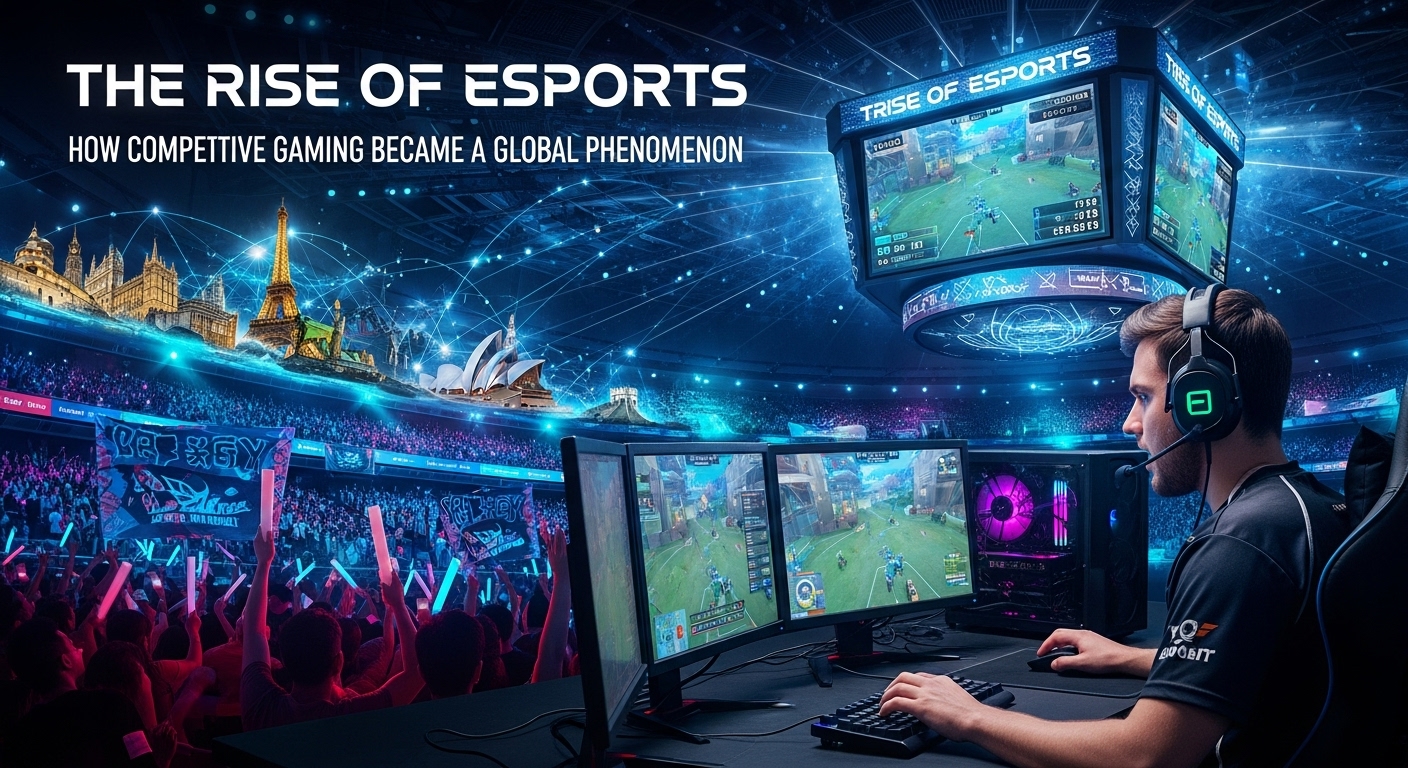
The world of competitive entertainment has seen a massive transformation in recent years, and perhaps one of the most exciting developments has been the rise of esports. Esports, short for electronic sports, is a term that refers to competitive video gaming at a professional level, where players and teams battle it out for glory, recognition, and a share of multimillion-dollar prize pools. What was once a hobby for passionate gamers has now evolved into a global phenomenon, attracting millions of viewers, massive sponsorship deals, and even academic programs dedicated to it. This blog delves into the evolution of esports, its impact on the entertainment industry, and what the future holds for competitive gaming.
The Evolution of Esports: From Passion to Profession
Esports didn’t emerge overnight. In fact, the journey to its current status as a multi-billion-dollar industry has been long and gradual, starting from humble beginnings in the late 20th century.
In the early days of competitive gaming, the focus was on local tournaments and grassroots events. The rise of multiplayer games in the 1990s, such as Quake and StarCraft, laid the foundation for the esports movement. These games were some of the first to allow players to compete against each other over a network, creating the perfect environment for competitive play. LAN (Local Area Network) parties, where gamers would come together to compete in person, were some of the first major steps toward organized esports.
However, the true turning point for esports came with the growth of online gaming. The ability to connect players from around the world revolutionized competitive gaming. Titles such as Warcraft III, StarCraft II, and Counter-Strike began to dominate the competitive scene, setting the stage for the esports industry as we know it today. In the early 2000s, countries like South Korea led the charge, where esports became a national pastime, with televised tournaments and dedicated gaming channels. The global shift toward broadband internet enabled esports to spread worldwide, and the arrival of online platforms like Twitch allowed fans to tune in to live broadcasts of esports events.
The Pillars of Esports: Teams, Tournaments, and Platforms
To understand the growth of esports, it’s essential to explore its various pillars, including the teams and players, the tournaments and leagues, and the platforms that facilitate the ecosystem. These are the fundamental elements that have transformed competitive gaming from a niche interest into a global industry.
Professional Teams and Players
Esports is driven by its professional players and teams. Over the past decade, the number of professional organizations and players has skyrocketed. Leading esports teams like Cloud9, T1, Fnatic, and Team Liquid have become household names, not only among gamers but also within mainstream media. These teams recruit top-tier players who dedicate their lives to honing their skills and competing at the highest levels.
Professional esports players often train rigorously, practicing for hours each day to master the strategies, mechanics, and mental endurance required to compete. Just like athletes in traditional sports, esports players have to be in peak physical and mental condition to stay competitive. Many players have coaches, analysts, and managers to help them optimize their gameplay and performance during tournaments.
While esports is still relatively young compared to traditional sports, it has already produced numerous success stories. Some top esports players, especially those competing in games like Dota 2 and League of Legends, have earned millions in prize money and sponsorship deals. These players are often regarded as superstars in the gaming community, with fans tuning in to watch them compete and interacting with them on social media.
Esports Tournaments and Leagues
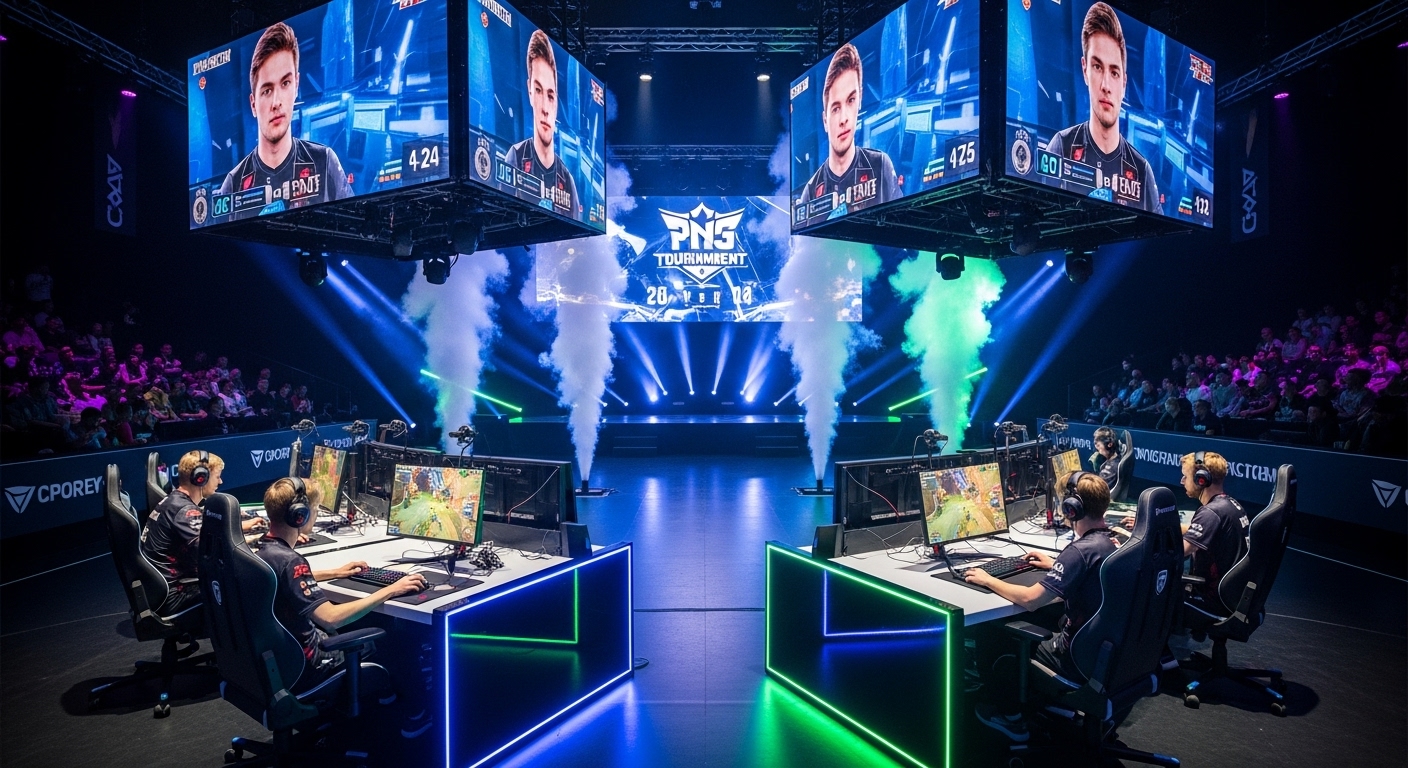
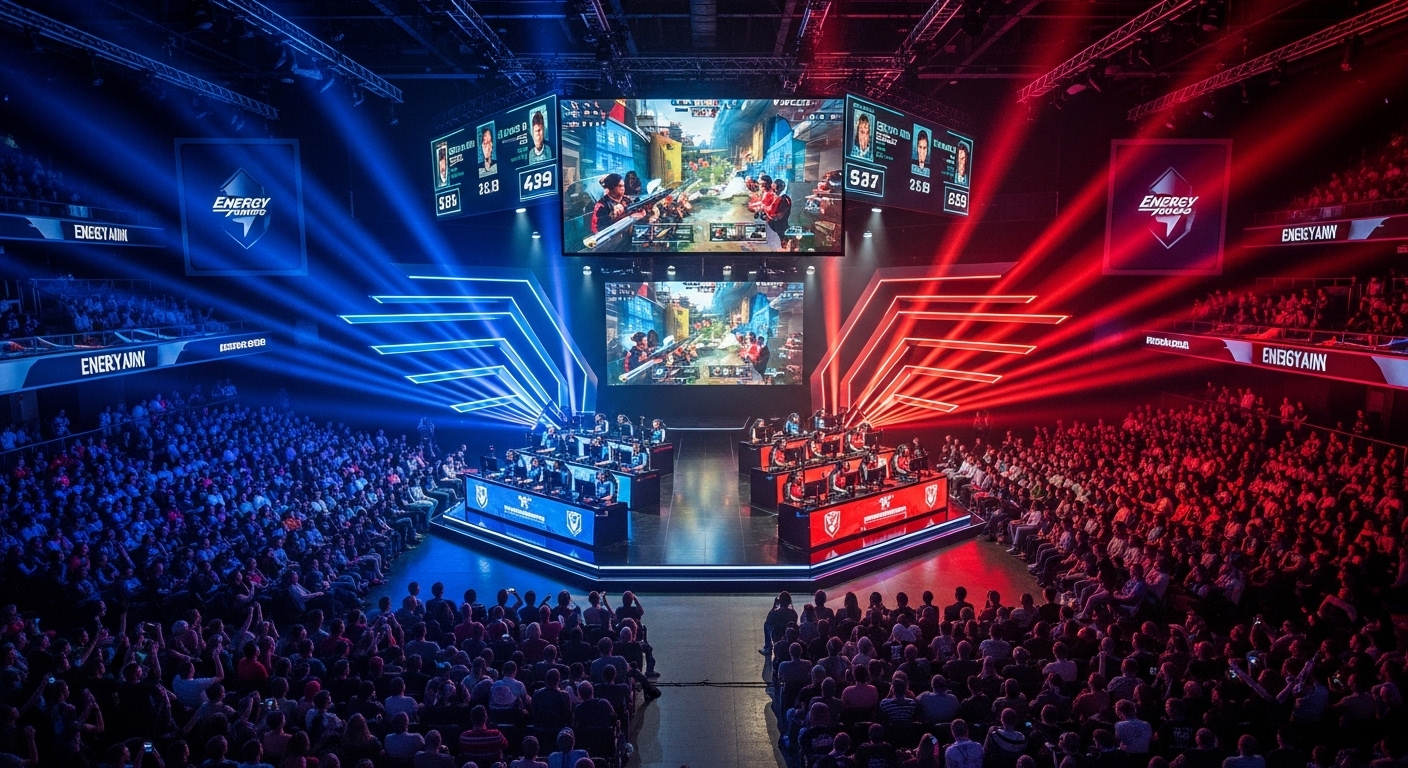
Esports tournaments are the heartbeat of the industry. These events not only give players a chance to showcase their skills but also attract massive audiences and sponsorships. Some tournaments are so large that they are held in massive arenas or stadiums, drawing in tens of thousands of spectators in person, with millions more watching online.
One of the most iconic events in the esports world is The International, an annual tournament for the game Dota 2. This tournament has one of the largest prize pools in esports, often reaching over $30 million, and is watched by millions around the world. Similarly, the League of Legends World Championship attracts millions of viewers each year, offering both competition and entertainment on a grand scale.
In addition to individual tournaments, there are professional esports leagues such as the League of Legends Championship Series (LCS) and Call of Duty League (CDL), which operate in a more structured, seasonal format. These leagues feature a regular season of games, playoffs, and a finals event, much like traditional sports leagues such as the NBA or NFL.
Esports tournaments and leagues are often broadcast live on platforms like Twitch, YouTube, and Facebook Gaming, where fans can watch the action in real time. The competitive nature of these events, combined with the excitement of the games, creates a thrilling experience for fans.
Streaming Platforms: The New Age of Entertainment
One of the driving forces behind the rise of esports is the growth of streaming platforms. Twitch, the leading platform for live video game streaming, has played a significant role in bringing esports into the mainstream. Twitch allows fans to watch their favorite esports players and teams in real-time, often with commentary, analysis, and interactive features that enhance the viewing experience.
In addition to Twitch, YouTube Gaming and Facebook Gaming have also entered the space, offering more options for fans to tune in to live esports events. These platforms have made it easier for viewers to access esports content from anywhere in the world, regardless of time zone or location.
Live streaming has become a major revenue stream for esports, with sponsorships, advertisements, and donations driving much of the financial support for the industry. Streamers, including top-tier esports players and content creators, have amassed huge followings, and some have even parlayed their online fame into traditional media opportunities. For fans, streaming has provided an unprecedented level of access to esports, making it easier than ever to follow the action and engage with the community.
The Business of Esports: Money, Sponsorships, and Media
As the popularity of esports has grown, so too has its financial impact. Esports is now a billion-dollar industry, with revenue streams coming from a variety of sources, including sponsorships, media rights, merchandise, and ticket sales.
Sponsorships and Brand Partnerships
Sponsorships have been a major driver of revenue for esports organizations and events. Just like traditional sports, companies from a wide range of industries, including technology, consumer goods, and even fast food, have jumped on board to sponsor esports teams, tournaments, and content creators.
Brands like Intel, Red Bull, Alienware, and Coca-Cola have become prominent sponsors of esports, associating their names with high-profile events and players. These sponsorships provide esports organizations with the financial backing needed to fund operations, pay players, and host large-scale tournaments.
Media Rights and Broadcasting
In addition to sponsorships, media rights have become a significant revenue source for esports. As more fans tune in to watch esports events online and on television, media companies have recognized the potential of esports to attract large audiences. This has led to broadcasting deals with networks like ESPN, which has aired esports events like The Dota 2 International and League of Legends tournaments.
The rise of esports has also led to the creation of dedicated esports channels and platforms, including the ESL One and Overwatch League. These channels provide a continuous stream of competitive gaming content, making it easier for fans to stay connected to the scene.
Merchandise and Ticket Sales
The sale of merchandise, including jerseys, gaming peripherals, and other esports-related products, has also contributed to the industry’s revenue. Fans are eager to support their favorite teams by purchasing official merchandise, which helps increase brand visibility and creates a sense of community.
Similarly, ticket sales for live events, especially major tournaments held in arenas, contribute to the economic growth of esports. These events attract tens of thousands of spectators and often sell out within minutes, demonstrating the increasing popularity and demand for in-person esports experiences.
The Future of Esports: Trends and Possibilities
The future of esports looks incredibly bright. With its continued growth, we can expect even more advancements and trends to shape the industry. Some key developments to watch include:
-
Mobile Esports: Mobile gaming is on the rise, especially in regions like Asia, where smartphone gaming is ubiquitous. Games like PUBG Mobile, Arena of Valor, and Free Fire have gained massive followings, and mobile esports tournaments are becoming more common.
-
Esports in Education: Universities and colleges have begun offering esports scholarships and creating academic programs in esports management, broadcasting, and game design. This marks a shift toward recognizing esports as a legitimate career path.
-
Virtual Reality (VR) and Augmented Reality (AR): VR and AR technologies have the potential to revolutionize esports, creating more immersive and dynamic experiences for players and fans alike.
-
Esports in the Olympics: The inclusion of esports in the Olympics has been a topic of debate in recent years. While there are challenges, the growing global reach of esports makes it a strong contender for future Olympic inclusion.
Conclusion
Esports has come a long way since its humble beginnings. What started as a niche hobby has now grown into a multi-billion-dollar industry, attracting millions of fans, players, and sponsors worldwide. As the industry continues to expand, esports is poised to become a dominant force in the world of competitive entertainment. Whether you’re a fan of gaming or a newcomer to the scene, one thing is clear: esports is here to stay. And as it continues to evolve, it will undoubtedly reshape the future of sports, entertainment, and technology.