Introduction to the Rise of Esports
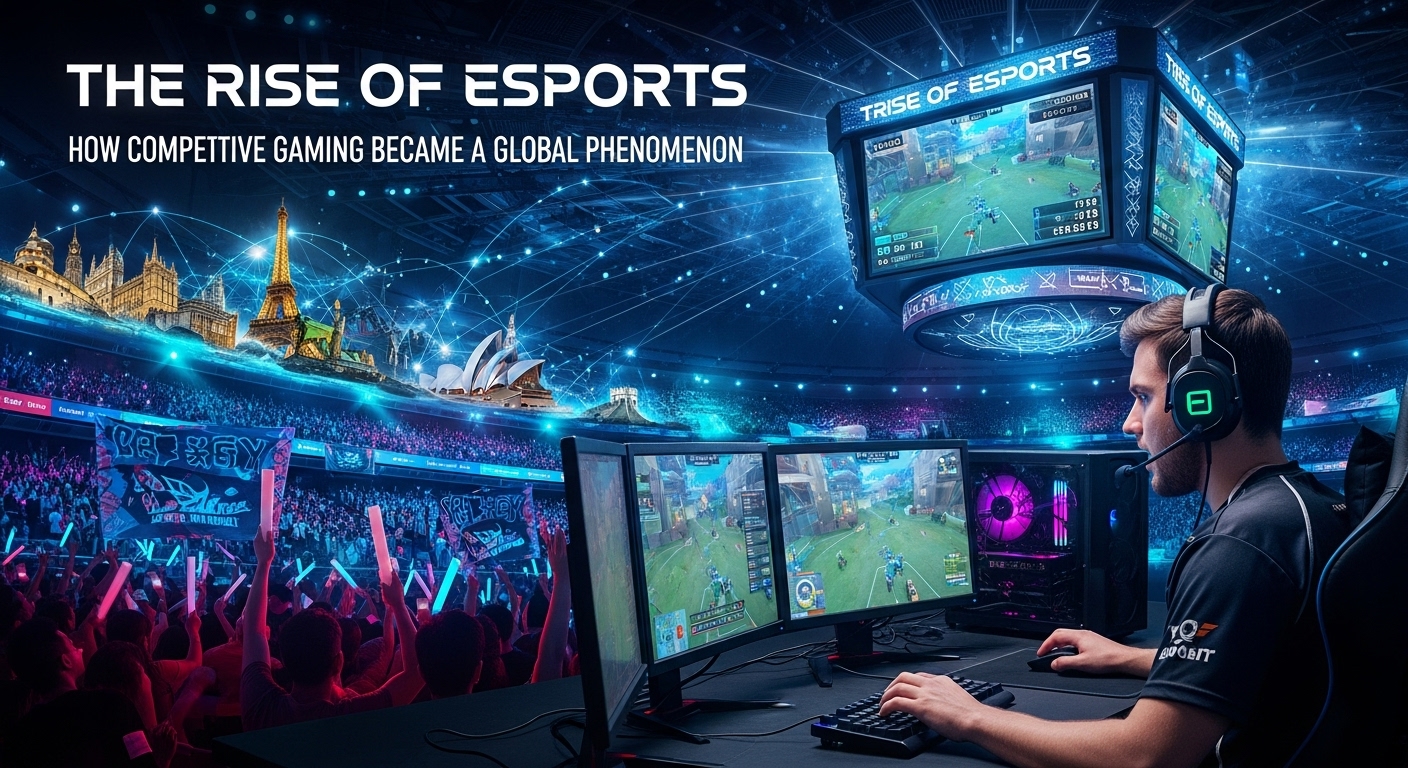
Esports, short for electronic sports, has grown from a niche hobby into one of the most powerful entertainment and sporting industries of the modern age. What was once a pastime limited to small gaming communities has evolved into a global phenomenon with millions of fans, massive tournaments, and professional players who earn fame, sponsorships, and substantial incomes. The growth of Esports has redefined the boundaries of what we consider “sports,” challenging traditional ideas of athleticism, teamwork, and competition.
Over the past two decades, Esports has exploded across continents, bringing together players, developers, sponsors, and audiences into a shared culture of digital competition. From local gaming cafés to massive international arenas filled with cheering fans, the transformation of gaming into a professional sport represents one of the most fascinating shifts in modern culture.
The Early Days of Competitive Gaming
The origins of Esports trace back to the early days of arcade gaming in the 1970s and 1980s. Games like Space Invaders and Pac-Man introduced the concept of achieving high scores, encouraging players to compete for bragging rights. The first known video game competition took place in 1972 at Stanford University, where students competed in a game called Spacewar!. The winner received a year’s subscription to a magazine, but the idea of gaming as a competitive event was born.
In the 1990s, with the rise of home gaming consoles and the spread of the internet, multiplayer competition became more accessible. Titles like Street Fighter II, Quake, and StarCraft created the first wave of organized tournaments. LAN parties—where gamers would connect their computers in local networks—became the foundation of early Esports culture. It was during this time that professional teams began to form, and the idea of earning money through gaming began to seem possible.
The 2000s: A Decade of Transformation
The 2000s marked a turning point in the history of Esports. Faster internet connections, more powerful PCs, and the growing popularity of online gaming made it easier for players to compete globally. South Korea became one of the first countries to fully embrace Esports, treating it with the same respect as traditional sports. Televised tournaments and government recognition helped professionalize gaming. StarCraft players in Korea became national celebrities, inspiring a generation of gamers worldwide.
Western countries soon followed. Games like Counter-Strike, Dota, and Call of Duty began to build massive online communities. Esports organizations started to appear, providing players with training, sponsorships, and salaries. Tournaments such as the World Cyber Games and Electronic Sports World Cup helped standardize competitive gaming at an international level.
This era also saw the beginning of streaming platforms, which allowed fans to watch matches live. The excitement of watching skilled players battle for supremacy became a shared experience, turning Esports from a private hobby into a spectator sport.
The Golden Age of Esports
The 2010s are widely regarded as the golden age of Esports. During this decade, Esports entered mainstream consciousness, driven by major developments in technology, broadcasting, and global engagement. The launch of streaming platforms such as Twitch and YouTube Gaming revolutionized the industry. Suddenly, anyone could tune in to watch live tournaments or follow their favorite players from anywhere in the world.
Games like League of Legends, Dota 2, Fortnite, and Overwatch took the Esports scene by storm. Each game developed its own unique community, tournament structure, and competitive ecosystem. The League of Legends World Championship and The International for Dota 2 became two of the most prestigious events in Esports, offering multi-million-dollar prize pools and attracting millions of viewers online.
In addition, traditional sports organizations began to take notice. Major football clubs and sports franchises invested in Esports teams, recognizing the potential for brand growth and fan engagement. Universities around the world started offering scholarships for Esports players, solidifying gaming as a legitimate career path.
Professional Players and Their Lifestyle
Professional Esports athletes dedicate an extraordinary amount of time to mastering their craft. The life of a professional gamer may look glamorous from the outside, but it requires intense discipline, strategic thinking, and teamwork. Players often practice for eight to twelve hours a day, analyzing gameplay footage, studying opponents, and perfecting their reflexes.
Unlike traditional athletes who rely on physical strength, Esports players depend on mental agility, hand-eye coordination, and decision-making speed. Their training regimens often include physical exercise to maintain focus and prevent injuries like carpal tunnel syndrome or eye strain. Mental health and teamwork also play a huge role, as the pressure to perform at the highest level can be overwhelming.
Successful players can earn large sums of money through tournament winnings, sponsorships, and streaming. However, competition is fierce, and careers can be short-lived. Just like in traditional sports, only a small percentage of players reach the top, while many others struggle to stay relevant in the ever-evolving world of gaming.
The Role of Streaming and Community
One of the most important elements in the rise of Esports has been community engagement. Streaming platforms have allowed fans to interact directly with players, breaking down barriers that traditionally separate athletes from audiences. Streamers build loyal fanbases through personality, skill, and authenticity. This connection has given rise to a culture where viewers feel like part of a larger family.
Streaming has also democratized Esports, allowing aspiring players to showcase their skills without the need for major sponsorships. Many professional players began as streamers who caught the attention of teams and organizations. The community-driven nature of Esports has made it more inclusive and adaptable than many other industries.
Furthermore, Esports fans are among the most dedicated in the world. They not only watch tournaments but also participate in discussions, create fan art, organize community events, and support their favorite teams financially through merchandise and donations. This strong sense of belonging continues to fuel the growth of the Esports ecosystem.
Esports as a Cultural Movement
Esports has transcended gaming to become a significant part of global youth culture. It represents creativity, innovation, and digital collaboration. The combination of technology, entertainment, and competition appeals to a generation raised on the internet and social media. Esports has also contributed to changing perceptions of gaming, transforming it from a solitary activity into a recognized and respected pursuit.
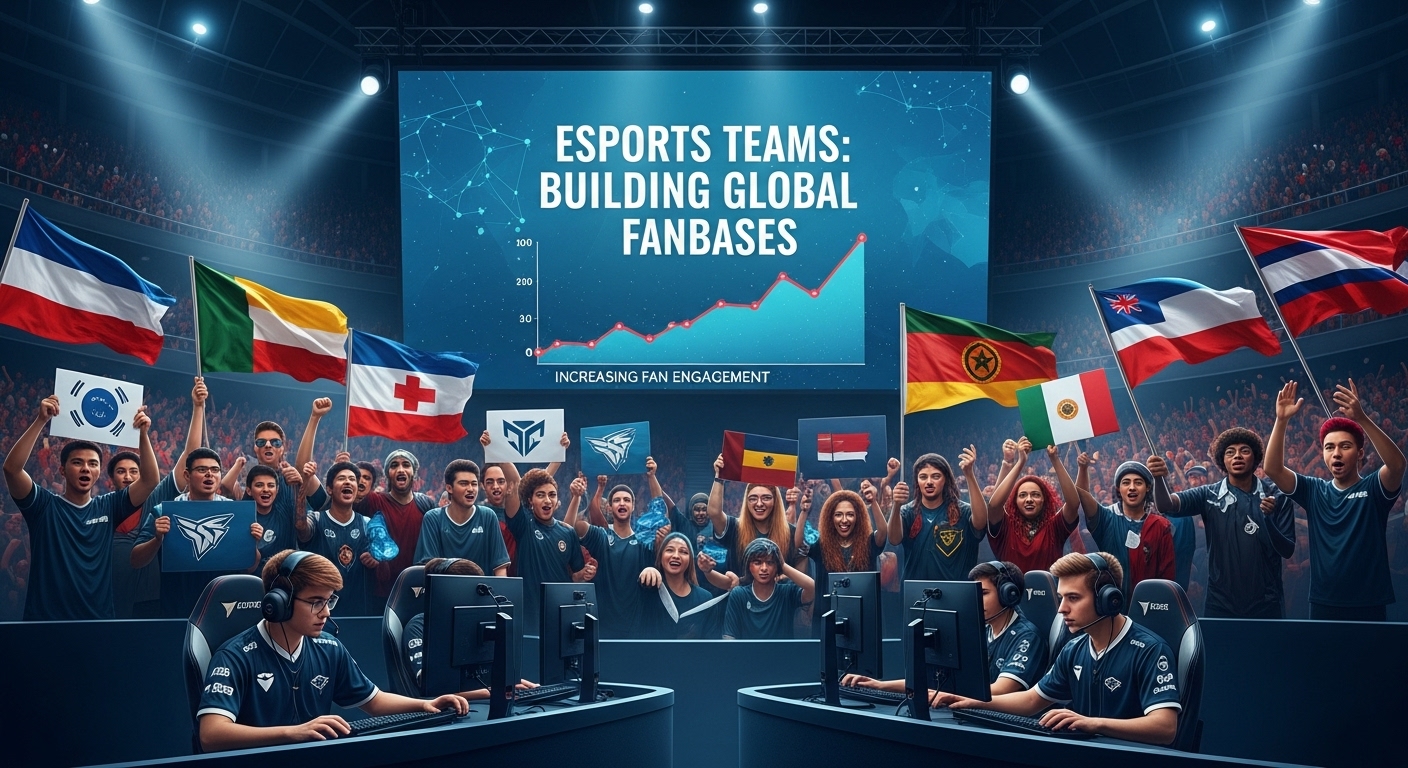
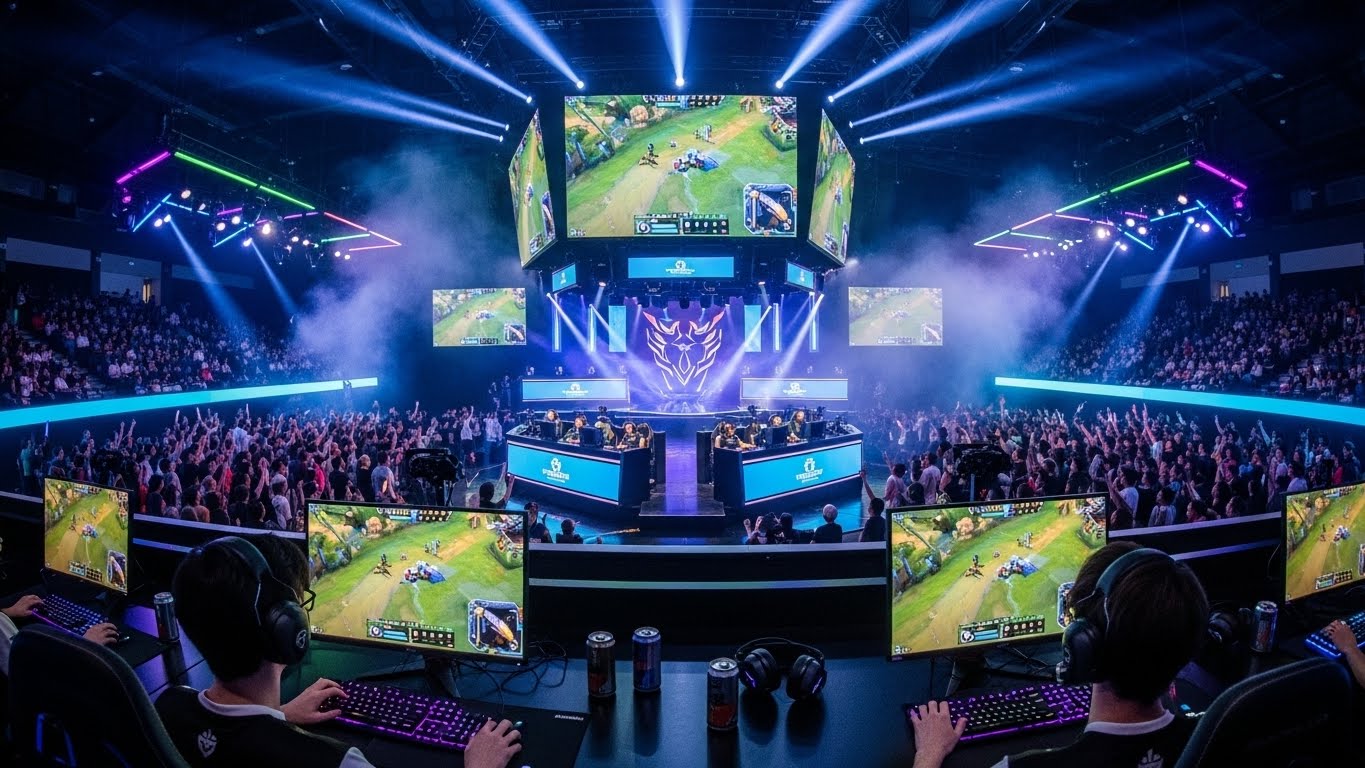
Today, Esports events fill entire stadiums, complete with live audiences, commentators, and elaborate stage setups. The energy inside an Esports arena rivals that of any traditional sporting event. Fans chant, wave banners, and cheer for their teams just as passionately as football or basketball supporters.
Beyond entertainment, Esports has influenced fashion, music, and even education. Collaborations between game developers and major brands have led to the creation of gaming-inspired clothing lines and products. Music artists perform at gaming events, blending two massive industries into one cultural celebration.
The Economic Impact of Esports
The Esports industry is now a multi-billion-dollar powerhouse. It generates revenue through sponsorships, advertising, ticket sales, merchandise, and media rights. Global brands such as car manufacturers, tech companies, and beverage producers invest heavily in Esports marketing because it provides access to a young, tech-savvy audience that traditional advertising often struggles to reach.
Cities around the world have also begun to recognize the economic value of hosting Esports tournaments. Large-scale events draw tourism, create job opportunities, and boost local economies. Dedicated Esports arenas have been built in major cities to accommodate the growing demand for live competitions.
Furthermore, the Esports job market extends beyond players. Coaches, analysts, event organizers, commentators, and content creators all play essential roles in keeping the industry thriving. The Esports ecosystem has become an entire economy in itself, creating opportunities for people with a wide range of talents and skills.
Esports and Education
Esports has also made its way into academic settings. Schools and universities around the world now offer Esports programs that teach not only gameplay but also event management, broadcasting, and marketing. Students can earn degrees and scholarships based on their performance in Esports, just as they would in traditional athletics.
Educational institutions see Esports as an opportunity to engage students in teamwork, problem-solving, and technology-related fields. Many schools use gaming as a tool to teach communication and leadership skills. This approach helps to legitimize Esports further, bridging the gap between digital entertainment and formal education.
Challenges Faced by the Esports Industry
Despite its success, Esports faces several challenges. One major issue is player burnout. The intense schedule, constant travel, and pressure to perform can take a toll on mental and physical health. Organizations are beginning to focus more on player well-being, offering psychological support and promoting balanced lifestyles.
Another concern is sustainability. The fast-changing nature of gaming means that popular titles can quickly lose relevance. When a game’s player base declines, so does its Esports scene. Developers and organizers must constantly adapt to new trends to maintain audience interest.
Cheating and match-fixing are also ongoing threats. With so much money involved, integrity becomes crucial. Esports organizations continue to implement stricter regulations and use advanced technology to detect unfair practices.
Finally, representation and inclusivity remain topics of discussion. While Esports has a diverse global audience, women and minority groups are still underrepresented at professional levels. Many initiatives are working to make Esports a more welcoming environment for all players.
The Future of Esports
The future of Esports looks brighter than ever. With advancements in virtual reality, artificial intelligence, and 5G connectivity, the gaming experience is expected to reach new levels of immersion and interactivity. Esports may soon include virtual arenas where players and fans can meet as digital avatars, blurring the line between physical and digital reality.
The possibility of Esports being included in major sporting events such as the Olympics is also becoming more realistic. As international recognition grows, Esports may soon share the same stage as traditional sports, showcasing its global influence and cultural importance.
Moreover, the development of mobile gaming has opened up Esports to a wider audience, especially in regions where access to gaming PCs or consoles is limited. Mobile Esports tournaments are growing rapidly, bringing new players and fans into the fold.
Esports is also likely to expand into educational and social spaces, encouraging teamwork, innovation, and digital literacy among younger generations. As technology continues to advance, the potential for Esports to inspire creativity and collaboration is limitless.
Conclusion
Esports has evolved from a small community of passionate gamers into a global industry that connects millions across cultures and continents. It is more than just competition—it is a celebration of technology, teamwork, and human skill. The rise of Esports demonstrates how entertainment can adapt and thrive in the digital age, proving that gaming is not a distraction but a powerful medium of connection, creativity, and progress.
The story of Esports is still being written, but one thing is certain: it has already changed the world. From the humble days of arcade battles to multi-million-dollar arenas, Esports stands as a testament to human innovation and the boundless spirit of competition. Its future holds even more promise, and as technology evolves, so too will the ways we play, watch, and celebrate this extraordinary form of modern sport.