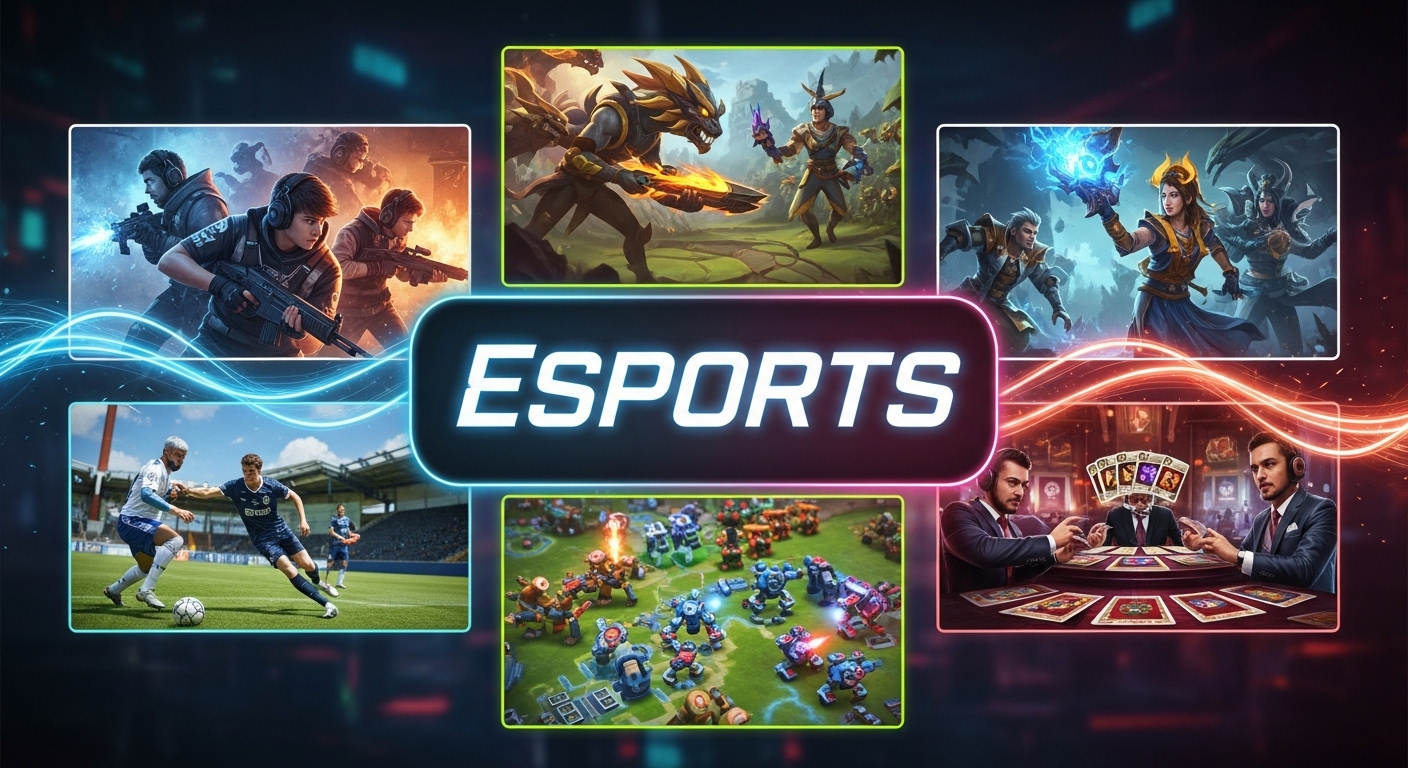
Esports, short for electronic sports, has transformed from a niche hobby into a global phenomenon that captivates millions of players and fans worldwide. Once viewed as a pastime for teenagers in their bedrooms, competitive gaming has evolved into a multi-billion-dollar industry with professional teams, international tournaments, and a dedicated fan base rivaling that of traditional sports. This blog explores the evolution of esports, its cultural significance, the opportunities it provides, and its impact on entertainment and society.
The Origins of Esports
The history of esports can be traced back to the earliest days of video gaming. In the 1970s, video games such as Pong and Space Invaders captured the imagination of young players, who began competing informally for high scores. These early competitions were primarily local events in arcades or small gaming centers. However, the first large-scale organized tournament took place in 1980 with the Space Invaders Championship, which attracted thousands of participants across the United States.
The competitive scene truly began to take shape in the 1990s with the rise of personal computers and online gaming. Games like Quake and StarCraft introduced real-time competition that required both strategy and dexterity, laying the foundation for modern esports. The combination of skill, strategy, and community engagement became the cornerstone of the emerging esports culture.
The Expansion of Online Gaming and Competitive Communities
The growth of the internet in the early 2000s accelerated the expansion of esports. Online multiplayer games allowed players from different regions to compete against each other in real time. Games like Counter-Strike, Warcraft III, and later League of Legends created communities where players could form teams, compete in leagues, and develop strategies together.
Streaming platforms and online forums helped foster these communities, allowing players to share gameplay tips, strategies, and tournament updates. As these communities grew, competitive gaming evolved from informal competitions into structured tournaments with rules, schedules, and prize money. This period marked the shift of esports from a hobbyist activity to a serious competitive pursuit.
The Role of Major Tournaments
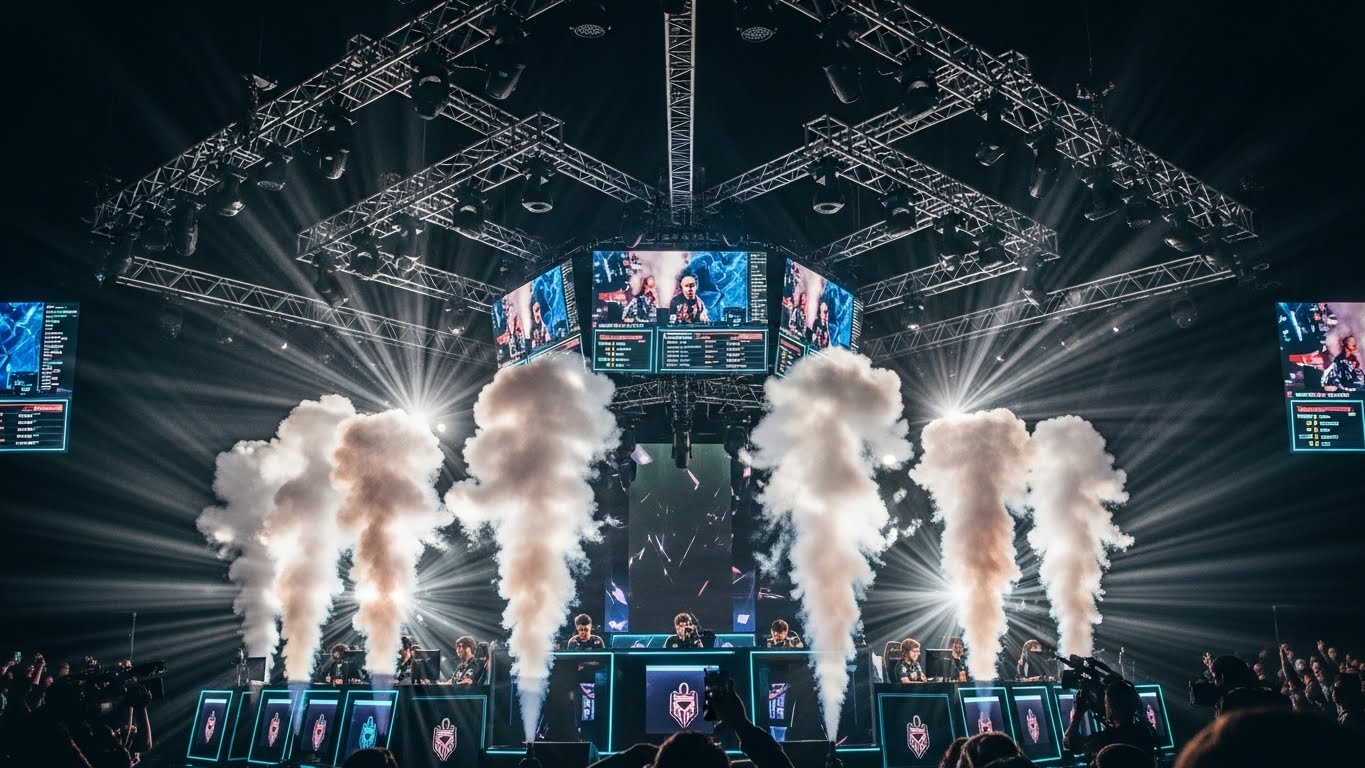
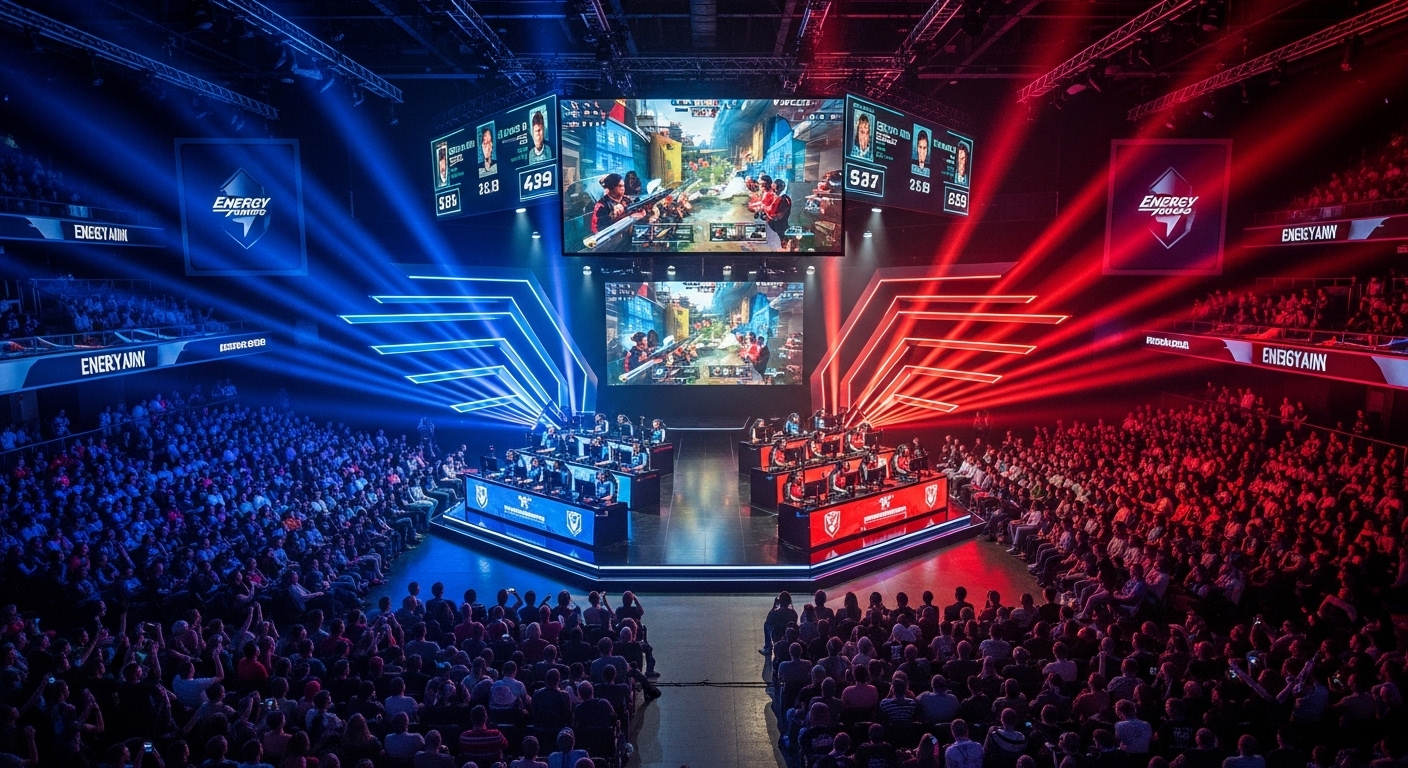
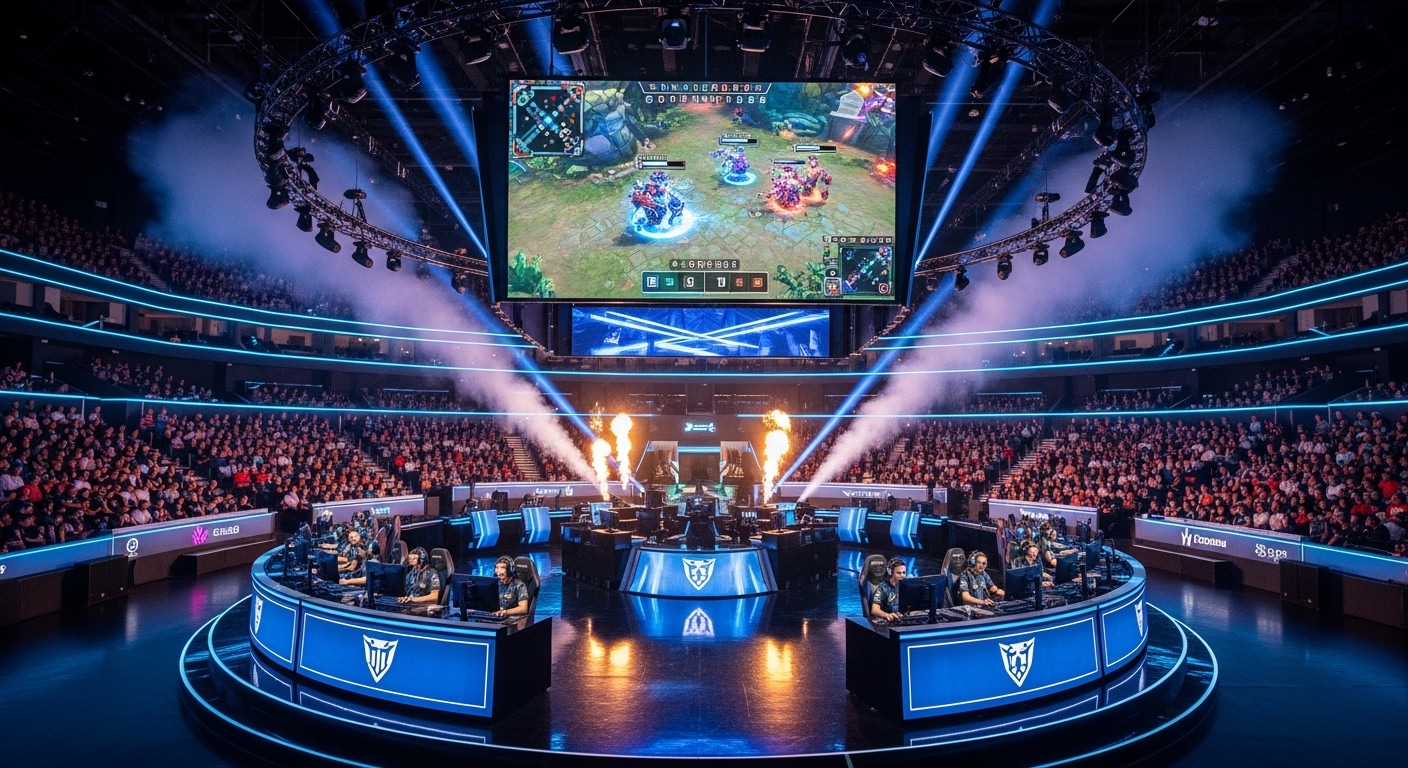
Major tournaments have played a crucial role in shaping the modern esports industry. Events like the League of Legends World Championship, Dota 2’s The International, and Counter-Strike’s Major Championships have become global spectacles, attracting millions of viewers. These tournaments not only offer substantial prize pools but also provide a platform for players to showcase their skills on an international stage.
The competitive structure and organization of these tournaments mirror traditional sports leagues, with professional teams, coaches, analysts, and commentators contributing to the overall production. The growth of these tournaments has also drawn attention from mainstream media, sponsors, and investors, helping esports secure its place in the broader entertainment industry.
Esports as a Career
Esports has created new career opportunities for players, coaches, content creators, and support staff. Professional players can earn substantial incomes through tournament winnings, sponsorships, and streaming. Top-tier players in popular games often secure contracts that include salaries, performance bonuses, and other benefits.
Coaches and analysts play an essential role in developing strategies, analyzing opponents, and improving team performance. Beyond players, content creators and streamers contribute to the esports ecosystem by producing engaging content, building communities, and attracting new fans. Even roles such as event organizers, commentators, and marketing professionals have emerged, demonstrating the breadth of career paths within the industry.
The Influence of Technology
Technology has been a driving force behind the rise of esports. High-speed internet, advanced gaming hardware, and streaming platforms have made it possible for competitive gaming to reach a global audience. Real-time streaming allows fans to watch their favorite players and teams live, creating a sense of connection and engagement similar to traditional sports broadcasts.
Innovations in gaming technology, such as virtual reality and augmented reality, are poised to further transform esports. These technologies could introduce new types of competitive experiences, immersive spectator events, and interactive gameplay that blurs the line between players and viewers.
The Cultural Impact of Esports
Esports has had a profound impact on modern culture, particularly among younger generations. Competitive gaming has become a mainstream form of entertainment, with fans following professional teams, analyzing strategies, and celebrating player achievements. Esports has also influenced popular culture, inspiring merchandise, documentaries, and even music collaborations with gaming themes.
The rise of esports has contributed to the normalization of gaming as a legitimate pursuit. Once considered a solitary or unproductive activity, gaming is now recognized for its potential to develop strategic thinking, teamwork, and reflexes. Educational institutions and universities are increasingly offering scholarships and courses focused on esports, highlighting its growing legitimacy.
The Global Reach of Esports
One of the most unique aspects of esports is its global accessibility. Unlike traditional sports, esports is not constrained by physical locations or facilities. Players from different continents can compete against each other online, and tournaments can be broadcast worldwide in real time.
Esports has a particularly strong presence in Asia, Europe, and North America, with each region developing its own competitive ecosystem. In countries like South Korea and China, esports has become a cultural phenomenon, with professional players achieving celebrity status. The international appeal of esports has fostered cross-cultural connections, with fans sharing experiences, strategies, and events across borders.
Esports and Traditional Sports Collaboration
Esports has begun to intersect with traditional sports in significant ways. Many professional sports teams have established their own esports divisions, recognizing the potential to engage younger audiences and diversify their brand. For instance, basketball and football clubs have invested in esports teams and leagues, merging fanbases and marketing strategies.
This collaboration has elevated esports as a recognized form of competition and entertainment. The infusion of traditional sports expertise, such as team management and marketing, has helped professionalize esports, making it more appealing to investors, sponsors, and mainstream audiences.
Challenges Facing the Esports Industry
Despite its rapid growth, esports faces several challenges. Player burnout is a major concern, as professional gamers often maintain intense practice schedules that can lead to physical and mental strain. Organizations are working to address this through structured training programs, wellness initiatives, and better work-life balance for players.
Another challenge is ensuring fairness and integrity in competitive play. Cheating, match-fixing, and doping are issues that esports organizations and governing bodies must actively combat to maintain credibility. Additionally, esports must navigate regulatory challenges, particularly when it comes to international competition, intellectual property rights, and age restrictions.
The Future of Esports
The future of esports is incredibly promising. As technology continues to advance, new gaming genres, competitive formats, and spectator experiences are likely to emerge. Virtual reality competitions, interactive live events, and innovative broadcasting techniques could redefine how audiences engage with esports.
Esports is also likely to become more inclusive and diverse. More women and underrepresented groups are entering the competitive scene, both as players and in support roles. This inclusivity is crucial for sustaining long-term growth and ensuring that esports remains a dynamic and welcoming community.
Educational initiatives will continue to play a role in legitimizing esports. Universities and schools are creating structured programs for aspiring esports professionals, offering scholarships and training opportunities that bridge the gap between passion and career development. This formalization will further strengthen esports as a respected and enduring industry.
Conclusion
Esports represents one of the most exciting transformations in the entertainment landscape of the 21st century. From its humble beginnings as local gaming competitions to its current status as a global industry with professional teams and massive audiences, esports has proven its staying power. It has created new careers, fostered global communities, and influenced traditional sports in ways that were unimaginable just a decade ago.
As the industry continues to evolve, esports will likely become even more immersive, inclusive, and influential. Whether as a player, fan, or content creator, participating in the esports ecosystem offers opportunities for connection, creativity, and competition on a scale that transcends geography. Esports is no longer just a pastime—it is a cultural and competitive force reshaping the way we understand games, sports, and entertainment.