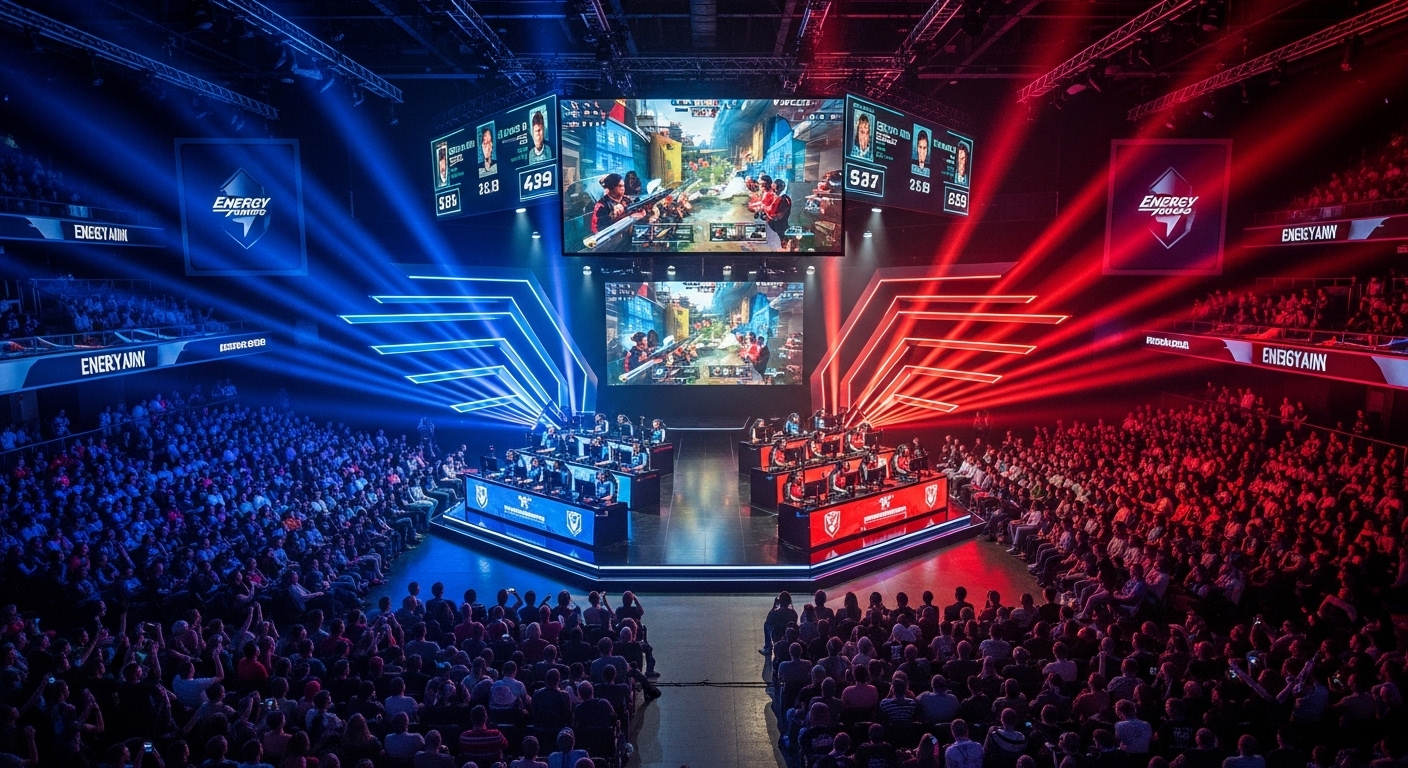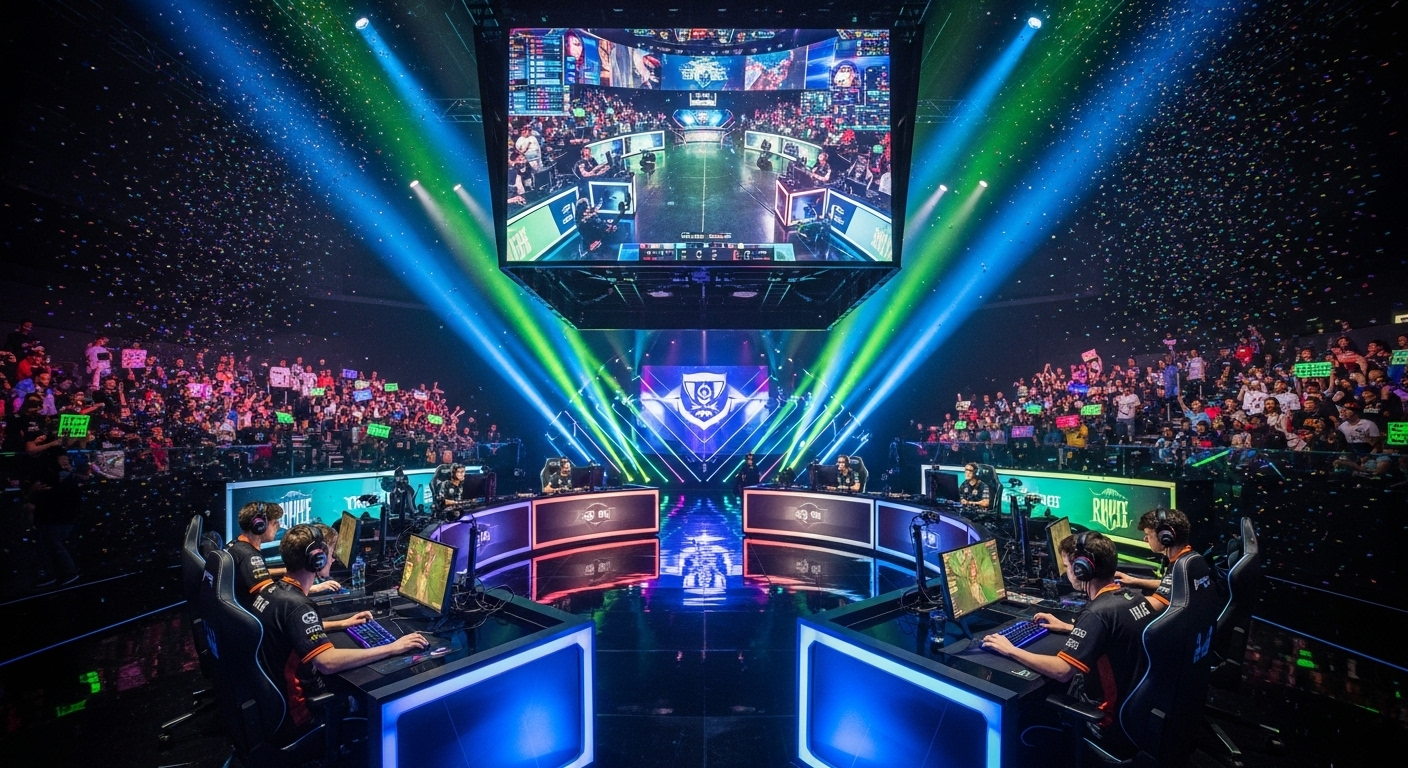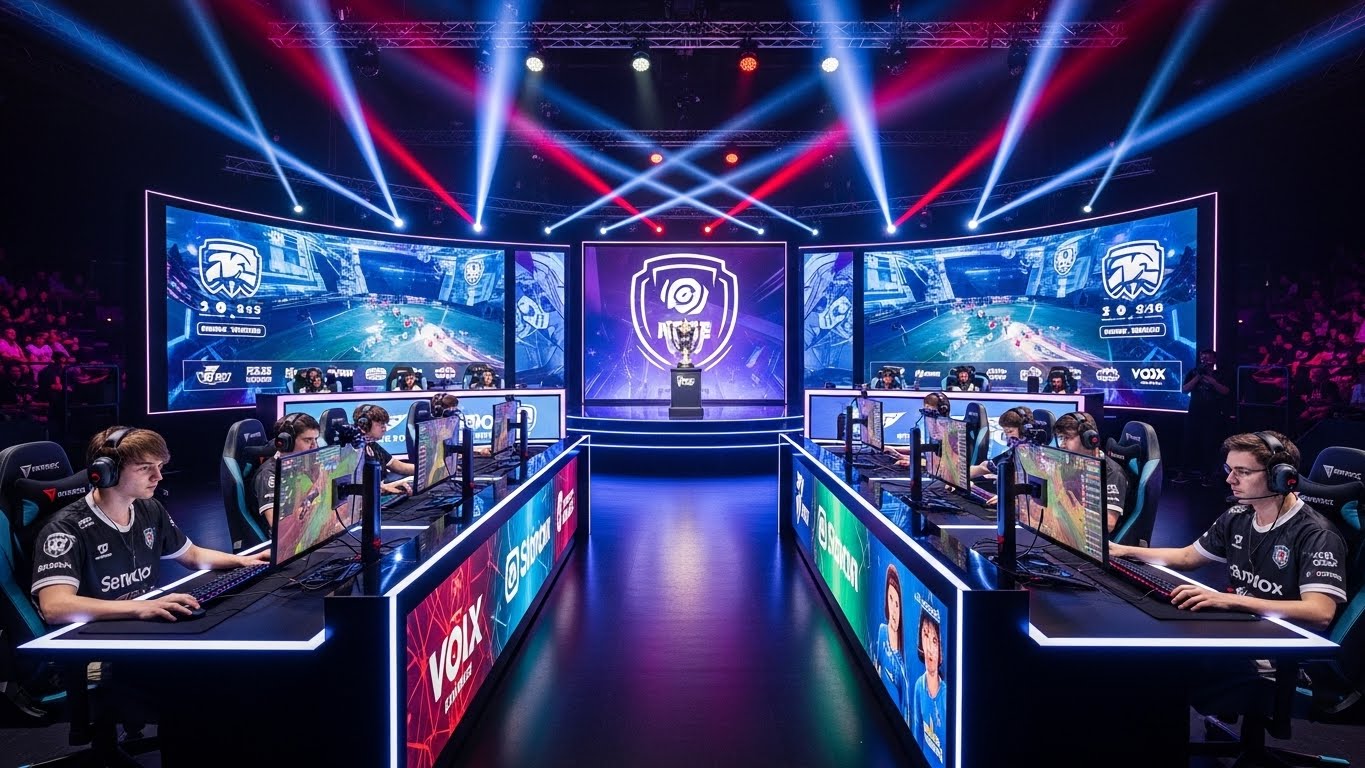
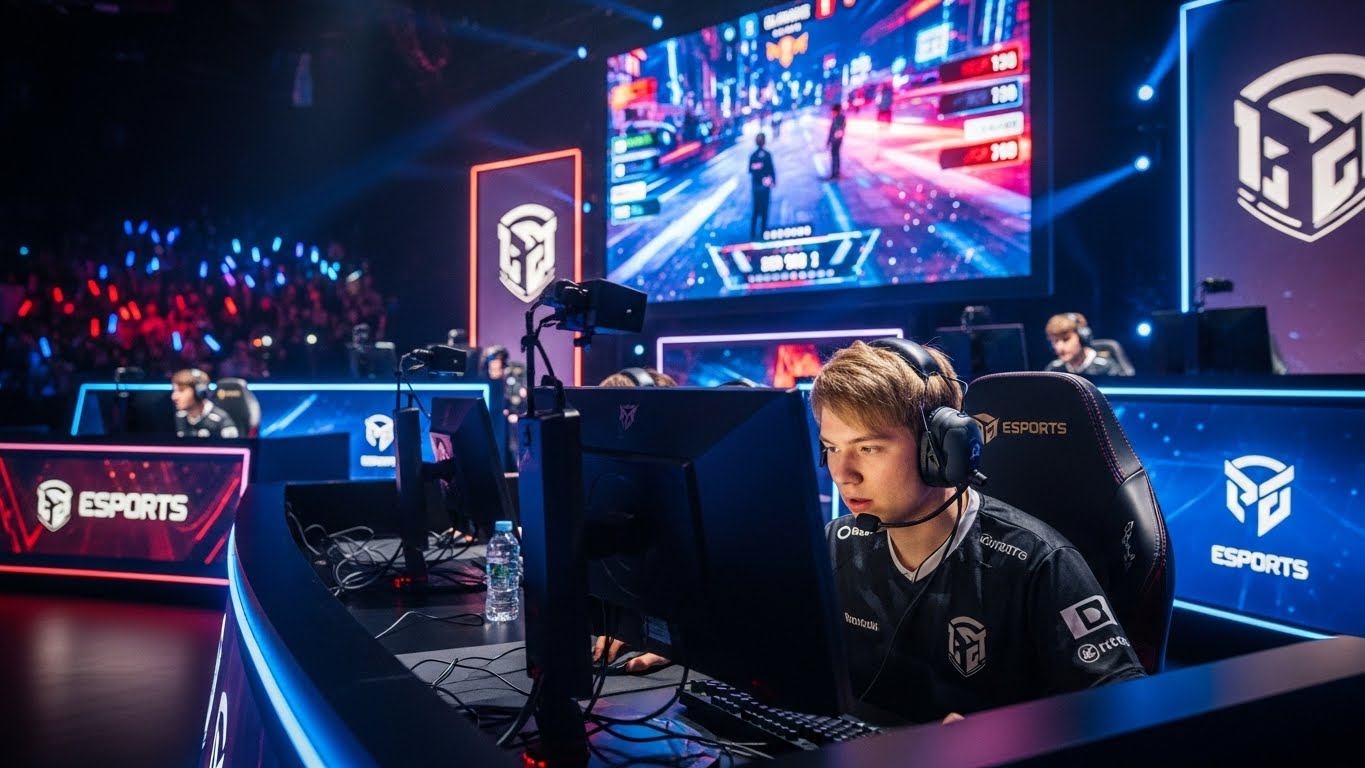
Esports, short for electronic sports, has rapidly grown into one of the most popular and lucrative forms of entertainment worldwide. From humble beginnings as a hobbyist activity to becoming a multi-billion-dollar industry, esports has revolutionized the way people perceive gaming. What was once considered an isolated pastime is now a global phenomenon that has millions of fans, professional teams, and lucrative sponsorships. In this blog post, we explore how esports evolved, its impact on culture, the economics behind it, and what the future holds for competitive gaming.
The Origins of Esports
Esports as we know it today didn’t appear out of thin air. Its roots can be traced back to the early days of video gaming when competitive play was first introduced. In the 1970s and 1980s, arcade games like Space Invaders and Pong sparked the idea of gaming competitions. In fact, the first known esports tournament, The Intergalactic Spacewar Olympics, was held in 1972 at Stanford University, where players competed in the game Spacewar. However, it wasn’t until the late 1990s and early 2000s that esports began to gain serious traction.
The rise of the internet played a crucial role in the development of esports, as it allowed players to compete against one another from different locations. The launch of multiplayer online games like StarCraft, Warcraft III, and Quake in the late 1990s and early 2000s paved the way for large-scale online tournaments. Early tournaments, such as The World Cyber Games and Electronic Sports World Cup, helped establish esports as a formalized, competitive activity.
The Growth of Esports: From Hobby to Profession
Esports experienced exponential growth in the 2010s as gaming technology advanced, and online streaming platforms like Twitch and YouTube allowed fans to watch tournaments live. This shift transformed esports from a niche interest to a mainstream spectacle. What once attracted only a small group of gamers and enthusiasts began to captivate broader audiences, including people who had never played competitive video games themselves.
The financial backing from major corporations also played a pivotal role in the growth of esports. Sponsorships from global brands like Coca-Cola, Intel, and Red Bull, as well as investment from traditional sports franchises, helped legitimize esports as a professional sport. By the mid-2010s, professional teams, player salaries, and even coaches were commonplace, further cementing esports as a professional industry.
The Global Appeal of Esports
One of the most fascinating aspects of esports is its global appeal. Unlike traditional sports, esports transcends geographical boundaries, connecting players and fans from all corners of the world. In countries like South Korea, esports is already deeply ingrained in the culture, with games like League of Legends and StarCraft enjoying massive followings. South Korea is home to some of the world’s most famous esports players, who are treated like celebrities.
In North America, Europe, and China, esports is also flourishing, with major tournaments attracting thousands of spectators and millions more watching online. In fact, some esports tournaments, like The International for Dota 2, now offer prize pools that surpass those of traditional sports events. These tournaments are broadcasted on major TV networks, streamed online, and even viewed in movie theaters, showing just how far esports has come in terms of mainstream appeal.
The Diversity of Esports Games
One of the defining features of esports is the wide variety of games that are included in the competitive scene. Esports encompasses a broad spectrum of genres, each offering a unique set of challenges and strategies. These games range from real-time strategy games like StarCraft II to team-based shooters like Counter-Strike: Global Offensive and Overwatch, and even multiplayer online battle arena (MOBA) games like League of Legends and Dota 2.
While the game itself is the core of any esports competition, it is the communities built around these games that help fuel the growth of the industry. Each game has its own loyal fanbase, and players often develop strong rivalries, making tournaments even more thrilling for spectators. These fan-driven communities, both online and offline, are what keep esports vibrant and constantly evolving.
The Economics of Esports
Esports is no longer just a hobby; it’s a full-fledged industry. The economics behind esports are vast, involving multiple revenue streams including sponsorships, broadcasting rights, merchandise sales, and ticket sales. Major gaming companies, such as Riot Games, Valve, and Blizzard Entertainment, have invested heavily in the esports ecosystem, hosting tournaments with multi-million-dollar prize pools and securing lucrative broadcasting deals.
Streaming platforms like Twitch have further fueled this economic boom by allowing players to monetize their content through subscriptions, donations, and ad revenue. Popular esports players and streamers have become some of the highest-paid content creators, earning millions annually from sponsorships, endorsements, and their live streams. For many, gaming has transformed from a pastime to a viable career.
Esports also has a ripple effect on other sectors of the economy. The demand for gaming hardware, such as high-end PCs, gaming peripherals, and specialized equipment for teams and events, has created a thriving market. Additionally, esports tourism is becoming a growing industry, with fans traveling to attend live events or tournaments hosted in cities around the world.
The Role of Esports in the Digital Age
In many ways, esports represents the intersection of sports and the digital age. It is a sport that has been born and nurtured in the digital landscape, where technology plays a central role in shaping both the competition and the viewing experience. Innovations in virtual reality (VR), augmented reality (AR), and artificial intelligence (AI) are likely to have a transformative impact on the future of esports.
The introduction of virtual reality in esports is already beginning to make waves. VR technology offers an immersive experience for players and spectators alike, allowing them to experience the action in ways never before possible. As VR headsets become more affordable and widespread, esports is expected to become more interactive and engaging for audiences.
Furthermore, AI and machine learning are being used to enhance player performance and provide deeper insights into gameplay. Coaches and analysts can use AI-powered tools to break down matches, identify weaknesses, and fine-tune strategies. This data-driven approach to training is helping esports athletes improve their skills and stay ahead of the competition.
The Professionalization of Esports
What separates esports from casual gaming is the level of professionalism it now carries. Much like traditional athletes, esports players are treated as professionals, with salaries, contracts, coaches, nutritionists, and extensive training regimens. Professional esports players dedicate hours every day to practicing, studying strategies, and improving their gameplay, often under intense pressure.
Coaching and team dynamics also play a critical role in the success of esports teams. Just like traditional sports, esports teams have coaches, analysts, and support staff who work behind the scenes to help players perform at their best. These staff members analyze gameplay, adjust strategies, and even manage player well-being to avoid burnout and improve overall performance.
Esports as a Career Path
One of the most remarkable developments in esports is that it has become a viable career path for many individuals. While professional gamers are the most visible figures in the industry, there are numerous other career opportunities available within esports. These include roles in event production, broadcasting, content creation, marketing, and game development.
Colleges and universities around the world are now offering scholarships for esports players and degrees related to esports management, game design, and digital media. This institutional support not only helps to legitimize esports as a career path but also encourages young people to pursue their passion for gaming while preparing for a professional future in the industry.
The Challenges Facing Esports
Despite its rapid growth, esports still faces a number of challenges. One of the biggest concerns is ensuring fair play and addressing cheating in online tournaments. Developers and tournament organizers are continually working to implement anti-cheating measures to maintain the integrity of the competitions.
Another issue is the physical and mental health of players. Professional gamers often train for long hours, which can lead to burnout and other health problems such as repetitive strain injuries and eye strain. As the esports industry matures, there is a growing emphasis on player welfare, with teams offering mental health support, fitness programs, and proper rest to maintain players’ overall well-being.
The Future of Esports
The future of esports looks incredibly bright. As technology continues to advance, the experience of watching and playing esports will only become more immersive. The integration of virtual reality, augmented reality, and artificial intelligence will redefine the way we interact with esports.
Additionally, esports is likely to continue its expansion into new territories. Countries across the globe are investing in esports infrastructure, hosting tournaments, and integrating esports into educational curricula. The growing recognition of esports as a legitimate career path will further solidify its place in the global entertainment landscape.
Conclusion
Esports has come a long way from its early days as a casual hobby to become a billion-dollar global industry. It has proven that competitive gaming is not just a passing trend but a legitimate form of entertainment that resonates with millions of fans worldwide. Whether you are a player, a fan, or an aspiring professional, esports offers endless opportunities for involvement and growth. As the industry continues to evolve, it will undoubtedly shape the future of entertainment for generations to come.