
The Ever-Growing World of Esports: A Digital Revolution in Competitive Gaming
Introduction: The Rise of a New Era
In the last two decades, esports has evolved from a niche pastime into a global phenomenon that rivals traditional sports in both popularity and profitability. The idea of watching people play video games competitively might have seemed strange twenty years ago, but today it attracts millions of viewers, massive sponsorship deals, and prize pools worth millions of dollars. Esports is not just about playing games; it is about strategy, teamwork, communication, and dedication. It is a reflection of how entertainment, technology, and competition have merged in the modern world.
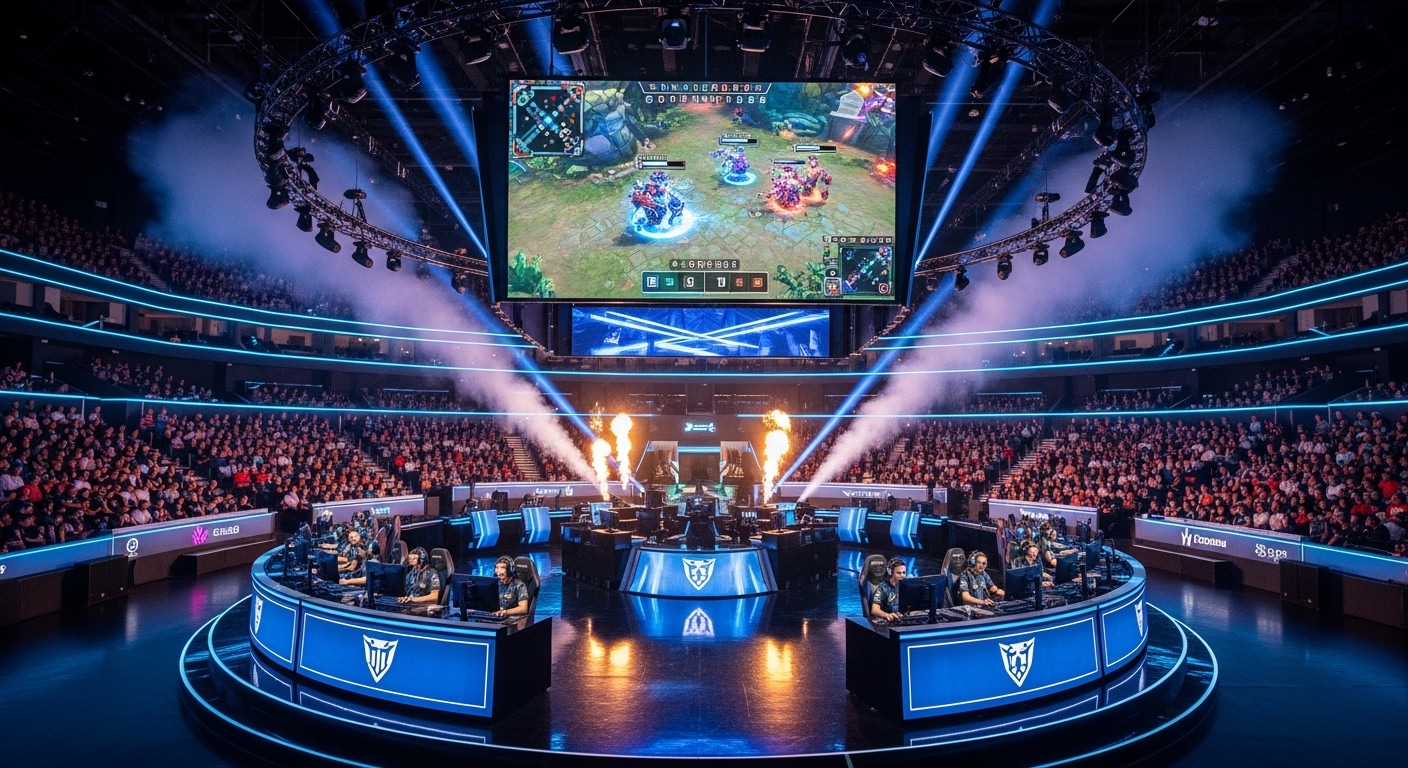
From packed stadiums to online streaming platforms, esports has carved out its own place in popular culture. It has redefined how people view competition and has created a new generation of professional athletes who train just as hard as those in traditional sports. The world of esports continues to grow at an unprecedented rate, shaping the future of digital entertainment and competitive gaming.
The Roots of Esports: From Arcades to Arenas
The story of esports begins in the early days of arcade gaming. In the 1970s and 1980s, games like Space Invaders and Pac-Man drew competitive players into arcades, where local tournaments were held to determine who was the best. The 1980 Space Invaders Championship is often considered one of the first major gaming competitions, attracting thousands of participants from across the United States.
As technology advanced, personal computers and consoles began to dominate the gaming scene. By the 1990s, games like Street Fighter II, Doom, and StarCraft laid the groundwork for organized online competition. Local area network (LAN) parties became a popular way for players to connect and compete, and small tournaments began to emerge in college dorms, internet cafes, and gaming conventions.
The late 1990s and early 2000s marked the true beginning of esports as an organized industry. Titles like Counter-Strike, Warcraft III, and Quake gained international attention, and tournaments started offering significant cash prizes. The formation of leagues and organizations such as the Cyberathlete Professional League and Major League Gaming signaled that competitive gaming was no longer just a hobby—it was becoming a profession.
The Role of Technology in Esports Growth
The explosive rise of esports would not have been possible without rapid advancements in technology. High-speed internet made online gaming accessible to millions, while streaming platforms transformed how audiences consumed content. The launch of live-streaming platforms allowed gamers to broadcast their matches to global audiences, giving fans a new way to connect with their favorite players and teams.
The improvement in hardware, including faster processors, high-resolution monitors, and advanced graphics cards, created more immersive and competitive experiences. Developers began designing games with esports in mind, creating titles that balanced skill, strategy, and entertainment value.
Cloud computing, artificial intelligence, and data analytics also played key roles in improving training methods. Teams began using detailed performance analytics to track player behavior, analyze opponent strategies, and refine techniques—just like professional sports teams. This fusion of technology and competition has allowed esports to evolve into a data-driven, performance-focused industry that rewards precision and consistency.
The Expansion of Esports Titles
Esports is not dominated by one single game. Instead, it encompasses a wide variety of genres and styles that appeal to different audiences. The diversity of games has helped the industry reach a wide demographic, from first-person shooter fans to real-time strategy enthusiasts.
Some of the most iconic esports titles include:
- League of Legends (LoL): A multiplayer online battle arena (MOBA) that has become one of the biggest games in esports history. With huge international tournaments and a dedicated fanbase, it remains a cornerstone of competitive gaming.
- Dota 2: Known for its complexity and massive prize pools, Dota 2’s annual world championship, The International, regularly features multi-million-dollar prizes funded by the community itself.
- Counter-Strike: Global Offensive (CS:GO): A tactical first-person shooter that has defined team-based competition with its emphasis on strategy, communication, and reflexes.
- Valorant: A modern shooter that blends elements of traditional gunplay with character abilities, quickly becoming one of the fastest-growing esports titles.
- Fortnite: Beyond being a cultural phenomenon, Fortnite’s battle royale format has created a new competitive style, drawing millions of players and fans worldwide.
- FIFA, NBA 2K, and Rocket League: These games have bridged the gap between esports and traditional sports, appealing to fans of both worlds.
The variety of titles ensures that esports is not limited to a single audience. It attracts players from all walks of life, each finding their preferred genre and community within the larger ecosystem.
Professionalism and the Life of an Esports Athlete
Gone are the days when gamers were stereotyped as casual players sitting in dark rooms. Today, professional esports athletes are disciplined, strategic, and physically and mentally trained to perform at their peak.
A typical esports professional trains for six to ten hours a day, analyzing game footage, refining mechanics, and coordinating with teammates. Many teams employ coaches, analysts, nutritionists, and psychologists to ensure players maintain both mental and physical health. Reaction times, hand-eye coordination, and strategic decision-making are critical skills developed through constant practice.
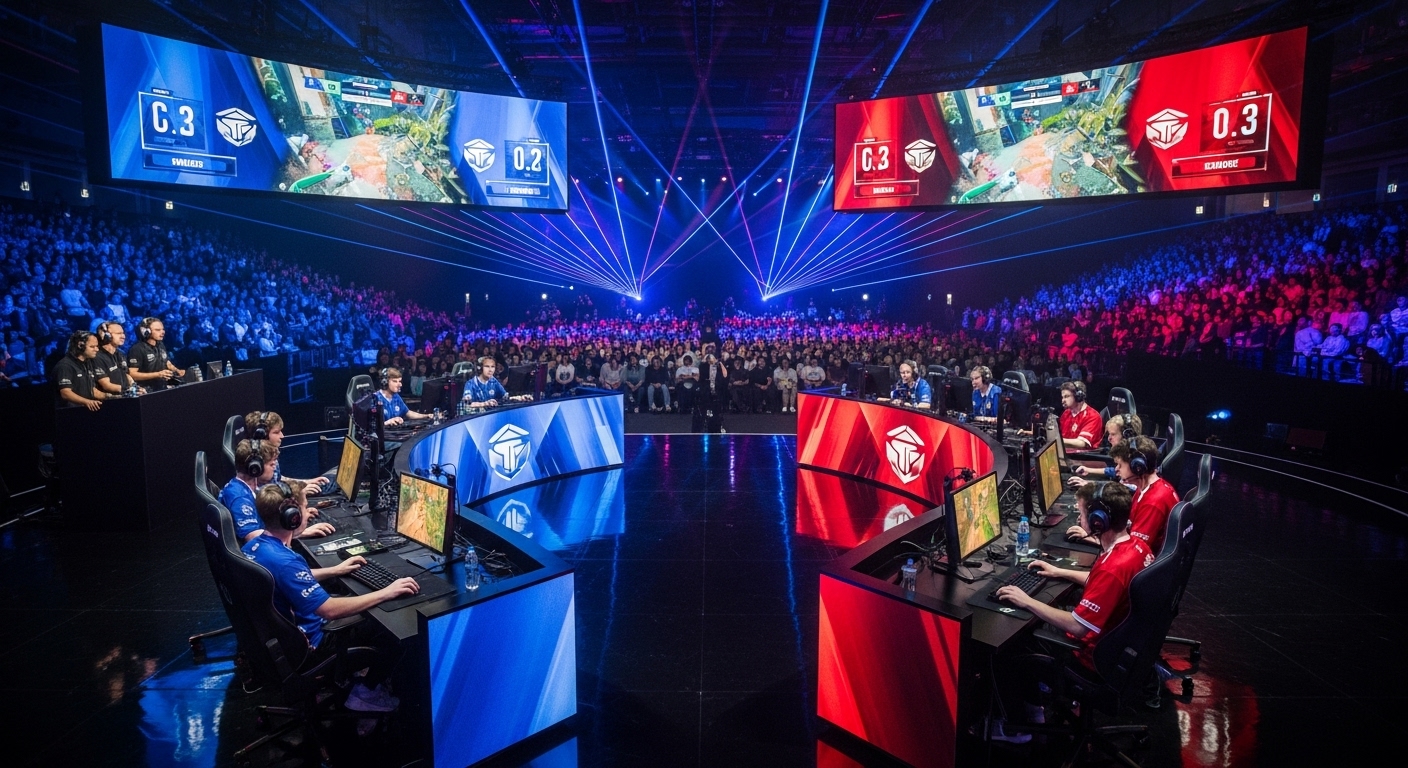
Like any professional sport, the pressure to perform at a high level is immense. Players compete in front of millions of viewers online and in sold-out arenas, where a single mistake can determine the outcome of a match. This intense competition has fostered a culture of professionalism within the industry, with contracts, sponsorships, and even player transfers resembling traditional sports systems.
The Spectator Experience and the Role of Streaming
One of the major reasons for esports’ success is its accessibility to viewers. Unlike traditional sports, which require television broadcasting rights, esports events can be streamed live for free on multiple platforms. This open accessibility has helped esports grow a global audience.
Commentators, known as “casters,” play a vital role in making the games engaging for both hardcore fans and casual viewers. They explain strategies, analyze plays, and bring excitement to every match. Esports productions have become highly professional, featuring multiple camera angles, real-time statistics, and high-quality graphics that rival mainstream sports broadcasts.
Streaming has also given rise to gaming influencers and content creators who contribute to the ecosystem. Many professional players maintain personal streams where they interact with fans, providing tutorials, gameplay tips, and behind-the-scenes content. This direct engagement with audiences has built strong communities around each game, deepening fan loyalty.
The Economics of Esports
The financial growth of esports has been nothing short of remarkable. What began as small cash-prize tournaments has evolved into an industry worth billions of dollars. The revenue streams come from sponsorships, advertising, merchandise, media rights, and ticket sales.
Brands ranging from energy drinks to car manufacturers and technology companies invest heavily in esports. Sponsorships are not limited to game-related products; even non-endemic brands see the value of connecting with the younger, tech-savvy esports audience.
Tournaments like The International for Dota 2 and the League of Legends World Championship offer prize pools that rival traditional sports championships. The ecosystem has expanded to include team organizations, event producers, broadcasting companies, and marketing agencies, all working together to fuel the industry’s continuous growth.
The rise of franchised leagues, such as the Overwatch League and Call of Duty League, has brought structure and stability to the competitive scene. These leagues operate with city-based teams, fixed schedules, and standardized regulations, making esports more accessible to mainstream audiences.
The Global Reach of Esports
Esports is truly a global industry. Unlike many traditional sports that are region-specific, competitive gaming transcends borders. Players from Asia, Europe, North America, and even Africa compete on equal footing in international tournaments.
Asia, particularly South Korea, is often considered the birthplace of modern esports. The country’s commitment to professional gaming infrastructure, training facilities, and education programs has set a global standard. South Korean players have dominated titles like StarCraft and League of Legends for years.
China, on the other hand, has become one of the largest esports markets, boasting enormous audiences and government-backed initiatives to promote gaming as a legitimate career. In Europe and North America, esports has gained institutional recognition, with universities offering scholarships for esports athletes and even developing academic programs focused on esports management.
The Middle East and South America are emerging as new hubs for esports, fueled by growing youth populations, improved internet access, and increasing investments from both public and private sectors. This worldwide expansion shows that esports is not just a Western or Asian phenomenon—it is a truly global movement.
Challenges Facing the Esports Industry
Despite its massive growth, esports faces several challenges that must be addressed to ensure its sustainable future.
One major issue is player burnout. The demanding training schedules, frequent travel, and pressure to perform can take a toll on mental and physical health. Many professional players retire in their early twenties, raising questions about long-term career paths and post-retirement opportunities.
Another challenge is regulation and governance. Since esports is a relatively new industry, there is no universal governing body overseeing rules, contracts, or player rights. This has led to inconsistencies in tournament standards and occasional disputes between players, teams, and organizers.
Cheating and match-fixing have also been problems, as with any competitive sport. Developers and organizations continue to invest in anti-cheat systems and integrity programs to preserve the credibility of esports.
Additionally, inclusivity remains a topic of discussion. While esports is theoretically open to everyone, gender representation and accessibility issues persist. Efforts are being made to create more inclusive spaces and encourage participation from underrepresented groups.
The Future of Esports: A New Frontier
The future of esports looks brighter than ever. As technology continues to evolve, new platforms and experiences will emerge. Virtual reality (VR) and augmented reality (AR) could redefine how people play and watch games, offering immersive environments that blur the line between reality and the digital world.
Esports is also moving closer to traditional sports integration. Some professional sports organizations have launched their own esports divisions, while global sporting events are considering including esports categories in their programs. This blending of virtual and physical competition will likely shape the next decade of entertainment.
Moreover, the continued rise of mobile gaming is expanding the esports audience even further. Mobile titles like PUBG Mobile, Mobile Legends, and Free Fire have brought competitive gaming to regions where high-end PCs and consoles are less common, ensuring that esports remains accessible to all.
As younger generations grow up in a world where gaming is a normal part of life, esports will only continue to gain legitimacy and influence. Schools, governments, and businesses are already recognizing its potential as both an educational tool and an economic driver.
Conclusion: More Than Just Games
Esports is far more than just playing video games. It is a global movement that celebrates skill, strategy, and community. It has transformed the way people view competition, entertainment, and technology. From humble beginnings in arcade halls to packed stadiums and millions of online viewers, esports has proven that digital competition can be as thrilling and meaningful as any physical sport.
As the industry continues to mature, it will undoubtedly face challenges, but its foundation is strong. Esports represents the spirit of innovation, the drive for excellence, and the limitless potential of human creativity in the digital age. The journey of esports is still being written, and its future holds endless possibilities for players, fans, and the world at large.