Introduction: Esports Takes Center Stage
In recent years, esports has evolved from a niche hobby into a global cultural and entertainment phenomenon. What began as a small community of dedicated gamers has expanded into a multi-billion-dollar industry, captivating millions around the world. Esports now commands attention from traditional sports fans, investors, and mainstream media, and it shows no signs of slowing down.
What is Esports?
At its core, esports refers to competitive video gaming where individuals or teams compete in various game titles for prizes, recognition, and sometimes even sponsorships. Unlike casual gaming, esports demands a high level of skill, strategy, and coordination. Players often dedicate hours each day to practice and refine their skills, making esports one of the most rigorous and demanding forms of competition today.
Esports Games: Diversity and Strategy
Esports is not limited to a single genre. In fact, one of the reasons for its widespread appeal is the variety of game types it encompasses. Multiplayer Online Battle Arenas (MOBAs) like League of Legends and Dota 2 emphasize strategic team play, while first-person shooters (FPS) such as Counter-Strike and Overwatch showcase individual precision and teamwork. Other genres like real-time strategy (RTS), battle royale, and sports simulation games are also heavily represented in the esports scene.
Each of these genres attracts a unique player base and fan following. For example, MOBAs like League of Legends have created global competitive leagues with millions in prize money, while battle royale games like Fortnite have helped shape the future of esports with their fast-paced, last-man-standing format. The diverse range of games ensures that there’s something for everyone, whether you’re a strategist, a sharpshooter, or a sports enthusiast.
The Esports Industry: Behind the Scenes
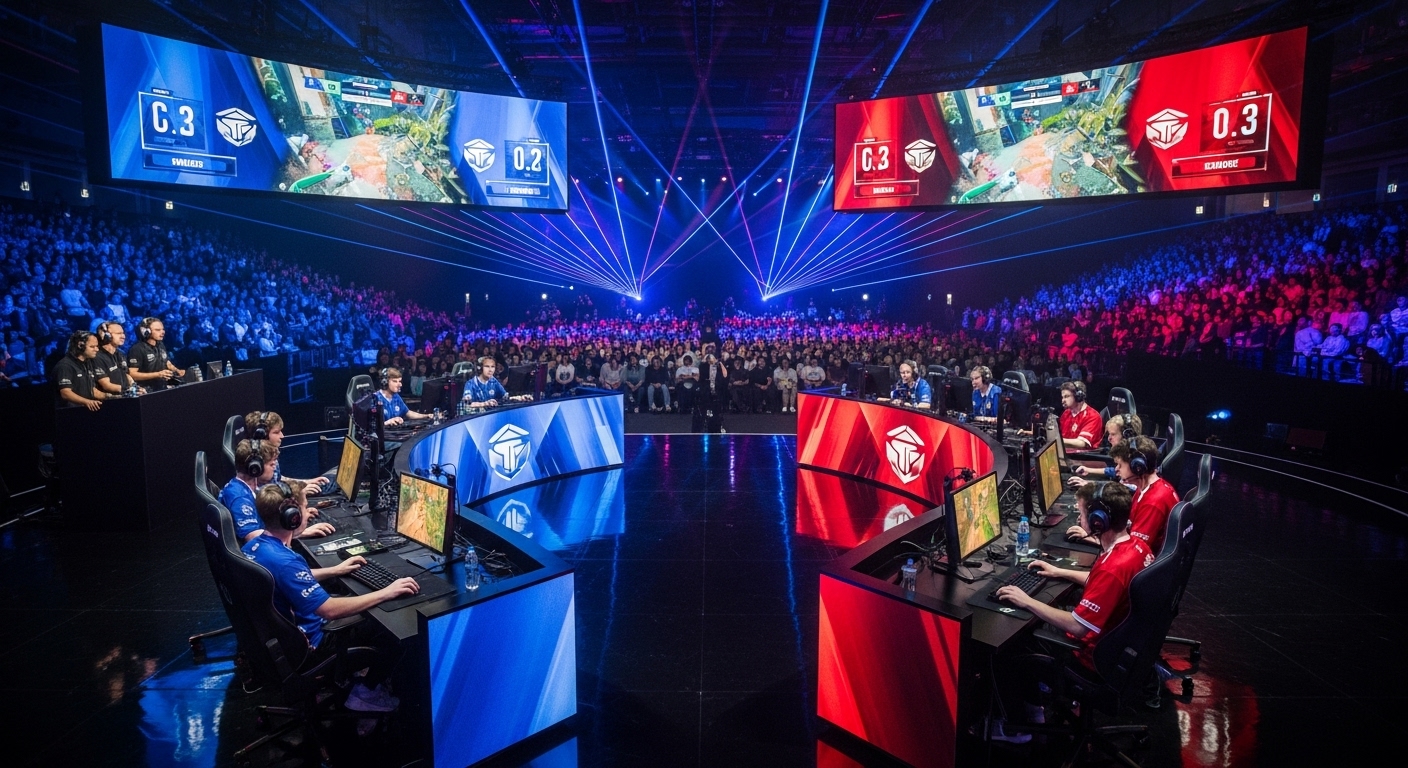
Esports is no longer just about gaming; it’s a full-fledged industry. Professional players, coaches, analysts, broadcasters, and event organizers all work together to create an ecosystem that supports competition at the highest level. Large-scale tournaments like The International (Dota 2), League of Legends World Championship, and Overwatch League are major events that attract millions of viewers and generate millions of dollars in revenue.
Sponsorships and partnerships play a significant role in the growth of esports. From tech companies like Intel to mainstream brands such as Coca-Cola and Nike, companies are increasingly investing in esports, recognizing the potential to connect with younger, tech-savvy audiences. This influx of corporate investment has helped establish esports as a legitimate industry and business opportunity.
Esports Athletes: The New Professional Gamers
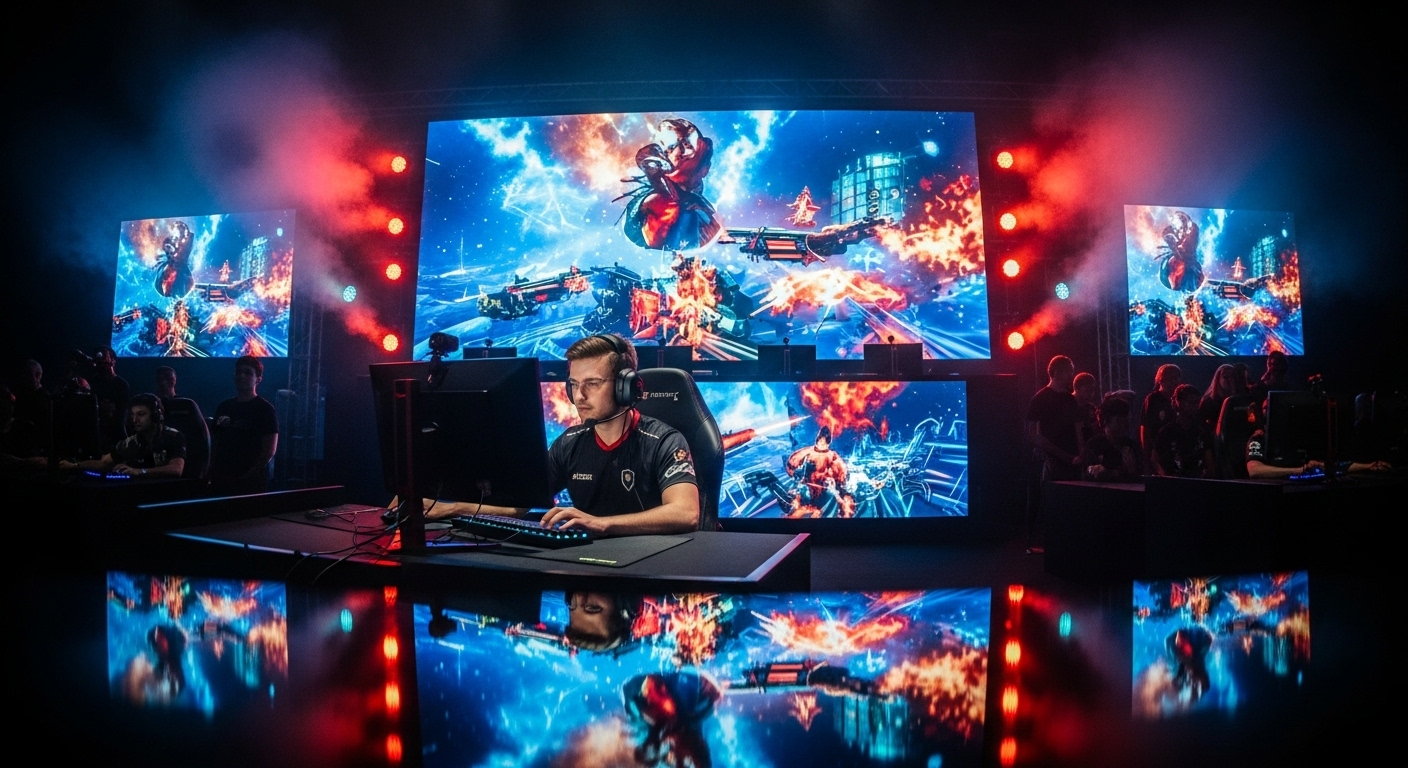
Just like professional athletes in traditional sports, esports players are highly skilled individuals who train extensively to compete at the highest level. These gamers may spend up to 12 hours a day honing their craft, reviewing gameplay footage, practicing strategies, and staying in top physical and mental shape. The pressure to perform at the highest level is immense, with players competing for millions of dollars in prize money and sponsorships.
In addition to their gaming skills, many esports players develop significant personal brands, amassing large social media followings and becoming celebrities in the gaming world. The lifestyle of a professional esports player involves not only gaming but also maintaining a social media presence, participating in brand deals, and attending events. This shift has transformed esports into a legitimate career path, one that is recognized by educational institutions and professional organizations alike.
Esports Fans: A Global Community
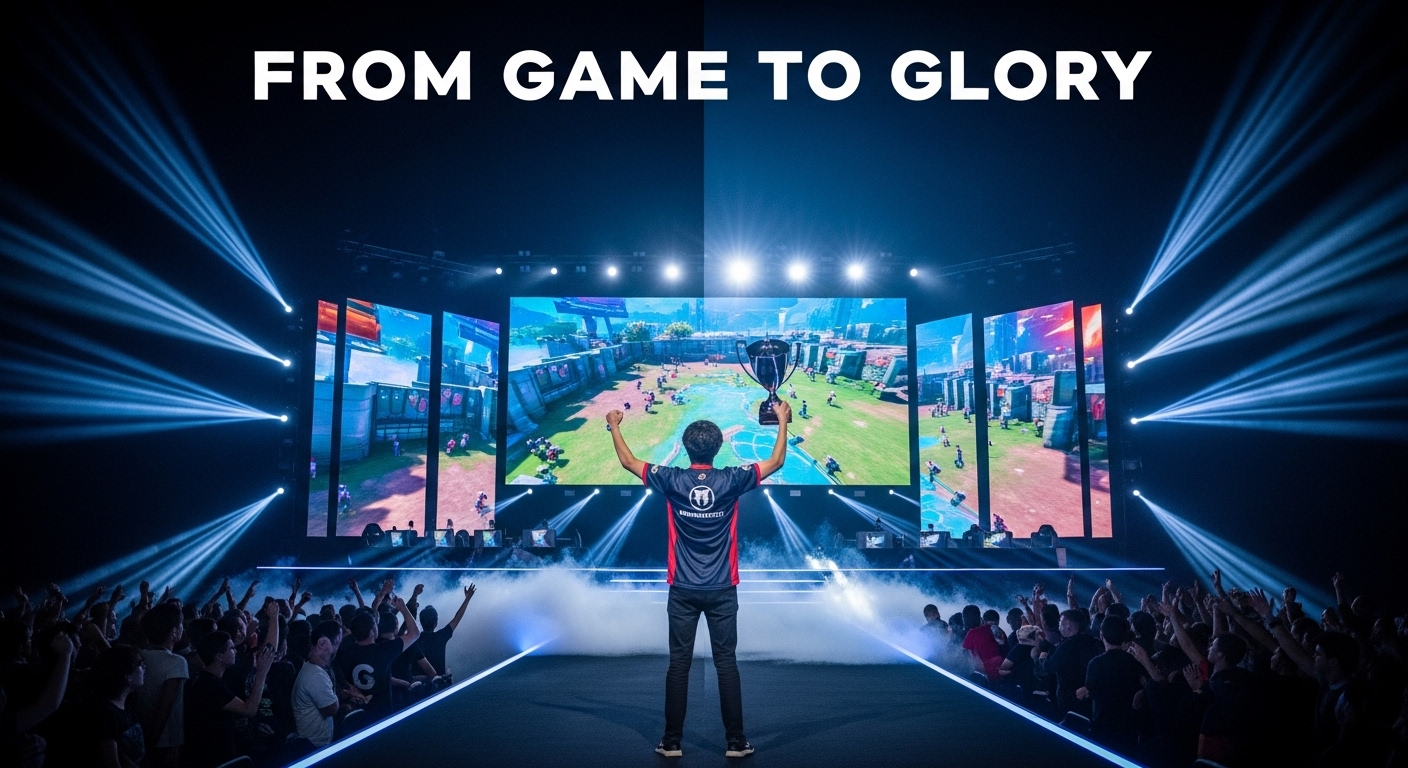
The audience for esports has grown exponentially, and it’s no longer confined to gamers. Esports attracts fans from all walks of life, forming a global, interconnected community. Fans not only watch live-streamed tournaments on platforms like Twitch and YouTube but also attend live events in packed arenas, cheering for their favorite teams and players. These events have become massive cultural happenings, featuring not just the competition but also entertainment like live music, cosplay, and merchandise.
The esports community is built on shared excitement and passion for gaming, fostering a sense of belonging for fans around the world. Online discussions, fan meet-ups, and social media engagement all help to bring fans closer to the action, making esports not just a sport to watch, but a lifestyle to embrace.
Challenges in Esports: Growing Pains
Despite its rapid growth, esports faces its own set of challenges. Player burnout is a major issue, as the intense training schedules and pressure to perform can take a mental and physical toll. The short careers of many professional players—often due to age or the evolving nature of competitive games—also raise concerns about sustainability in the industry.
Additionally, there are issues like toxicity within online communities, cheating scandals, and the need for better regulation and player protections. Many organizations are working to address these concerns, aiming to create a more welcoming and fair environment for all participants, from players to fans.
The Future of Esports: Endless Possibilities
Looking ahead, the future of esports is incredibly bright. With technological advancements like virtual reality (VR) and artificial intelligence (AI), esports could become even more immersive and exciting for both players and fans. The expansion of esports into mainstream media and potential partnerships with traditional sports leagues could help cement its place in the entertainment landscape.
The inclusion of esports in major events like the Asian Games and the potential for Olympic recognition further solidify esports as a legitimate competitive pursuit. As younger generations continue to embrace gaming, esports will only grow in popularity and importance, opening up even more opportunities for players, fans, and businesses alike.
Conclusion: Esports is Here to Stay
Esports has truly arrived. From humble beginnings in small tournaments to global, high-stakes competitions, esports has become a force to be reckoned with in the world of entertainment. Whether it’s the excitement of watching a live match, following your favorite team, or experiencing the thrill of competition, esports offers something for everyone. As the industry continues to evolve, its influence will undoubtedly continue to grow, reshaping the landscape of both gaming and sports.