
The Explosion of Esports: From Gamer’s Hobby to Global Entertainment Giant
Introduction: The Evolution of Esports
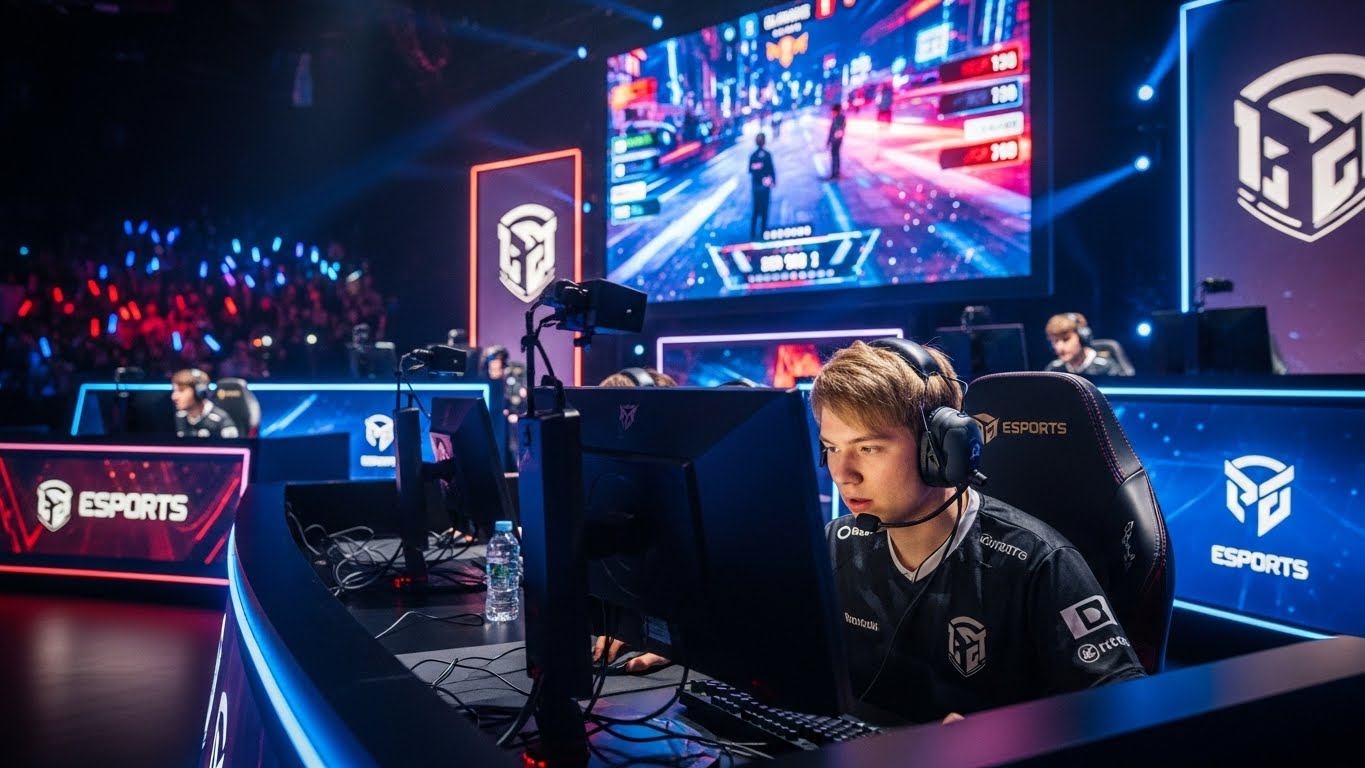
Over the last decade, esports has emerged from its origins as a niche subculture into a global entertainment phenomenon. What once seemed like a pastime enjoyed primarily by gamers has now evolved into a multi-billion-dollar industry that attracts millions of viewers, professional athletes, and corporate sponsors. The esports landscape is no longer just about playing video games for fun; it’s about competitive skill, massive audiences, and lucrative careers. In this post, we’ll explore how esports has become such a dominant force in entertainment, the factors behind its rapid rise, and what the future holds for this growing industry.
What is Esports? A Quick Overview
Esports, short for electronic sports, refers to organized, multiplayer video game competitions, particularly between professional players, individually or as teams. Unlike casual gaming, esports involves competitive play at the highest level, often broadcast live to global audiences via streaming platforms like Twitch and YouTube. Games that dominate the esports scene include League of Legends, Dota 2, Counter-Strike: Global Offensive, Fortnite, and Overwatch.
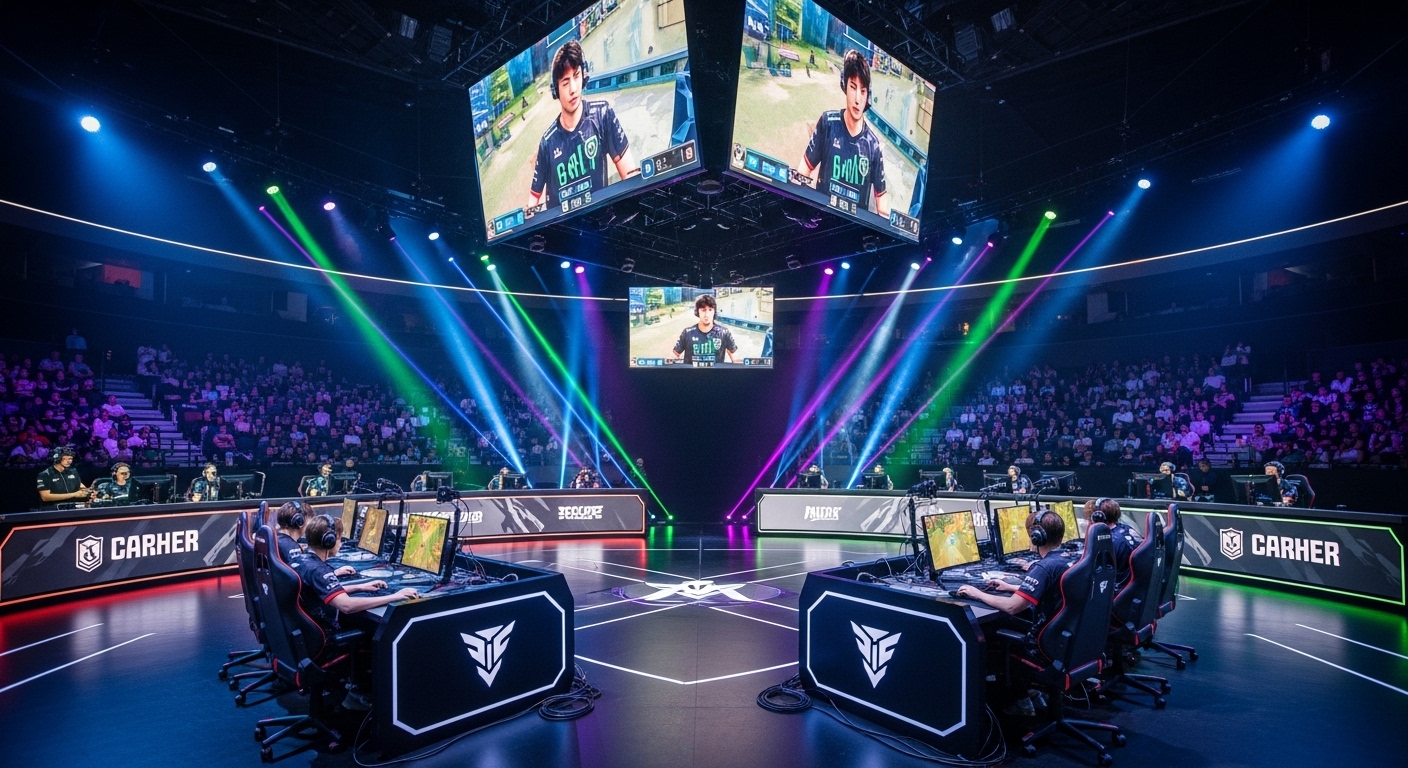
Esports is not just a hobby but a full-fledged industry. Tournaments with huge prize pools, sponsorship deals, streaming platforms, and professional teams now make up a massive ecosystem. Whether it’s watching a live event in an arena or following the action on a stream from the comfort of your home, esports is accessible to anyone with an internet connection.
The Global Growth of Esports
Esports has experienced an astronomical rise in popularity, and its growth shows no signs of slowing down. What began as small-scale tournaments among friends has evolved into highly organized competitions with multi-million-dollar prize pools. The most prestigious tournaments, such as The International (Dota 2) and the League of Legends World Championship, offer millions of dollars in rewards, attracting top-tier talent from around the world.
This rapid expansion has not only been driven by the gaming community but also by mainstream media and corporate sponsorships. According to recent reports, the global esports industry is expected to surpass $1.5 billion in revenue in 2025, up from $1.1 billion in 2023. A significant portion of this growth comes from media rights, sponsorships, and advertising, showing just how much the esports industry is embedded in the broader entertainment ecosystem.
Key Factors Behind Esports’ Success
Several factors have contributed to the meteoric rise of esports. These elements have helped shape esports into a global phenomenon and have fueled its continued growth.
1. Streaming Platforms: Connecting Fans and Players
The rise of streaming platforms like Twitch, YouTube Gaming, and Facebook Gaming has been crucial to the growth of esports. These platforms offer live broadcasts of gaming events, tournaments, and casual gameplay, allowing fans to watch their favorite players in real-time. This shift to digital streaming has allowed esports to grow beyond the limitations of traditional media and reach an even larger audience.
Twitch, in particular, has played a massive role in elevating esports. With millions of active users and streams that cover everything from casual play to high-stakes competitive tournaments, Twitch has become the go-to hub for esports fans. Streaming not only allows viewers to watch events live but also enables interaction via live chats, allowing fans to engage with players, commentators, and other viewers.
2. Sponsorships and Corporate Investment
As esports has gained mainstream attention, corporate sponsorships have flowed into the industry. Brands from various sectors, including technology, fashion, and even fast food, are investing in esports. Companies like Intel, NVIDIA, Red Bull, and Coca-Cola have all sponsored major tournaments, while tech giants like Amazon and Microsoft have invested in platforms like Twitch and Mixer.
This influx of sponsorship money has helped legitimize esports, making it more financially stable and sustainable. It has also led to the creation of professional esports teams, with players now able to earn salaries and even sign endorsement deals. The partnerships between esports organizations and corporations have opened up new revenue streams, contributing significantly to the industry’s growth.
3. Global Reach and Accessibility
One of the most compelling aspects of esports is its accessibility. With a computer or gaming console and a decent internet connection, anyone can participate in or watch esports competitions. This global accessibility has been a game-changer, as players from all corners of the world can compete in high-level tournaments, irrespective of geographical location.
Esports has successfully transcended borders, attracting fans from various countries and cultural backgrounds. Major tournaments, like the League of Legends World Championship, have participants from North America, Europe, Asia, and South America. This global appeal has made esports a truly international event, with millions tuning in from all over the world to watch live streams, cheer on their favorite teams, and even place bets on matches.
4. The Rise of Mobile Gaming
While traditional esports competitions often focus on PC or console games, mobile gaming has also become a major component of the esports ecosystem. With smartphones becoming more powerful, games like PUBG Mobile, Mobile Legends, and Clash Royale have exploded in popularity, particularly in regions like Southeast Asia and India. The accessibility of mobile gaming, coupled with a large smartphone user base, has significantly expanded the audience for esports.
Tournaments like PUBG Mobile Global Championship and Free Fire World Series attract millions of viewers and offer substantial prize money, proving that mobile gaming is not just a casual pastime but a serious competitive industry. The growth of mobile esports is also an indicator of how the gaming landscape is evolving to meet the demands of a wider, more diverse audience.
5. Social Media and Community Engagement
The rise of social media platforms such as Twitter, Instagram, and Reddit has also played a vital role in the growth of esports. Fans now have an unprecedented level of access to their favorite players, teams, and tournaments. Players can directly interact with their fans, post updates, and even host Q&A sessions on social platforms. This level of engagement has created a strong sense of community around esports, making it not just about watching games but about participating in a shared experience.
Online communities on platforms like Reddit and Discord allow fans to discuss strategies, share content, and follow esports events in real-time. This sense of community has strengthened fan loyalty and turned esports into a lifestyle, with fans engaging with their favorite teams and players on a daily basis.
The Esports Audience: A New Generation of Viewers
Esports has attracted a unique and highly engaged audience, one that differs significantly from traditional sports fans. The average age of an esports fan is younger, with the majority of viewers falling between the ages of 18 and 34. This demographic is tech-savvy, spends a significant amount of time online, and is highly engaged with the digital world.
This younger audience is more likely to consume entertainment content online, using platforms like YouTube, Twitch, and social media to follow their favorite esports teams and players. The interactive nature of esports—where fans can engage directly with players, watch live events, and participate in online communities—has made esports a more personal and immersive experience compared to traditional sports.
Esports fans are also known for their loyalty and passion. Many fans support specific teams, follow individual players, and even take part in fantasy esports leagues. The sense of community and belonging in esports is strong, and the audience is not just watching for entertainment—they are active participants in the ecosystem.
Challenges Faced by the Esports Industry
Despite its rapid rise, esports still faces several challenges that could impact its long-term sustainability. One of the most significant issues is the lack of regulation and standardized structures. Unlike traditional sports, where governing bodies set clear rules and guidelines, the esports industry remains fragmented, with different game developers, tournament organizers, and media companies creating their own set of rules and standards.
The absence of a centralized governing body makes it difficult to ensure consistency, transparency, and fair treatment for players and teams. The issue of player welfare is also a concern. Many esports players start their careers at a young age and face intense pressure to perform. The demands of training, traveling, and competing can take a toll on their mental and physical health. As the industry grows, there will need to be more focus on player support, including mental health resources, fair contracts, and career longevity.
Another challenge facing esports is the potential for online harassment and toxicity. While esports communities are often vibrant and supportive, the anonymity of online gaming can lead to negative behavior, including trolling and cyberbullying. This can create a toxic environment for both players and fans, potentially driving away newcomers and damaging the reputation of esports as a whole.
The Future of Esports
Looking ahead, the future of esports appears incredibly promising. As technology continues to evolve, esports will likely benefit from advancements in virtual reality (VR), augmented reality (AR), and artificial intelligence (AI). These technologies could create entirely new forms of esports competitions, making the gaming experience even more immersive and interactive for both players and viewers.
Additionally, the continued growth of mobile gaming will likely expand esports to even more regions, particularly in emerging markets like Asia, Latin America, and Africa. As mobile technology improves and internet infrastructure becomes more widespread, esports will reach new audiences who previously had limited access to competitive gaming.
Esports is also expected to become even more integrated with traditional sports. Partnerships between esports organizations and sports leagues, such as the NBA and NFL, are likely to grow, further blurring the lines between physical and digital sports. Esports could eventually be included in major international events, such as the Olympics, marking a historic moment for the industry.
Conclusion: Esports is Here to Stay
Esports is no longer just a niche hobby for gamers—it is a legitimate, global industry that continues to grow at an unprecedented rate. With the rise of streaming platforms, corporate investment, and a dedicated fanbase, esports has proven that it is much more than just entertainment; it is a cultural force.