The World of Esports: Revolutionizing Competitive Gaming
Introduction to Esports
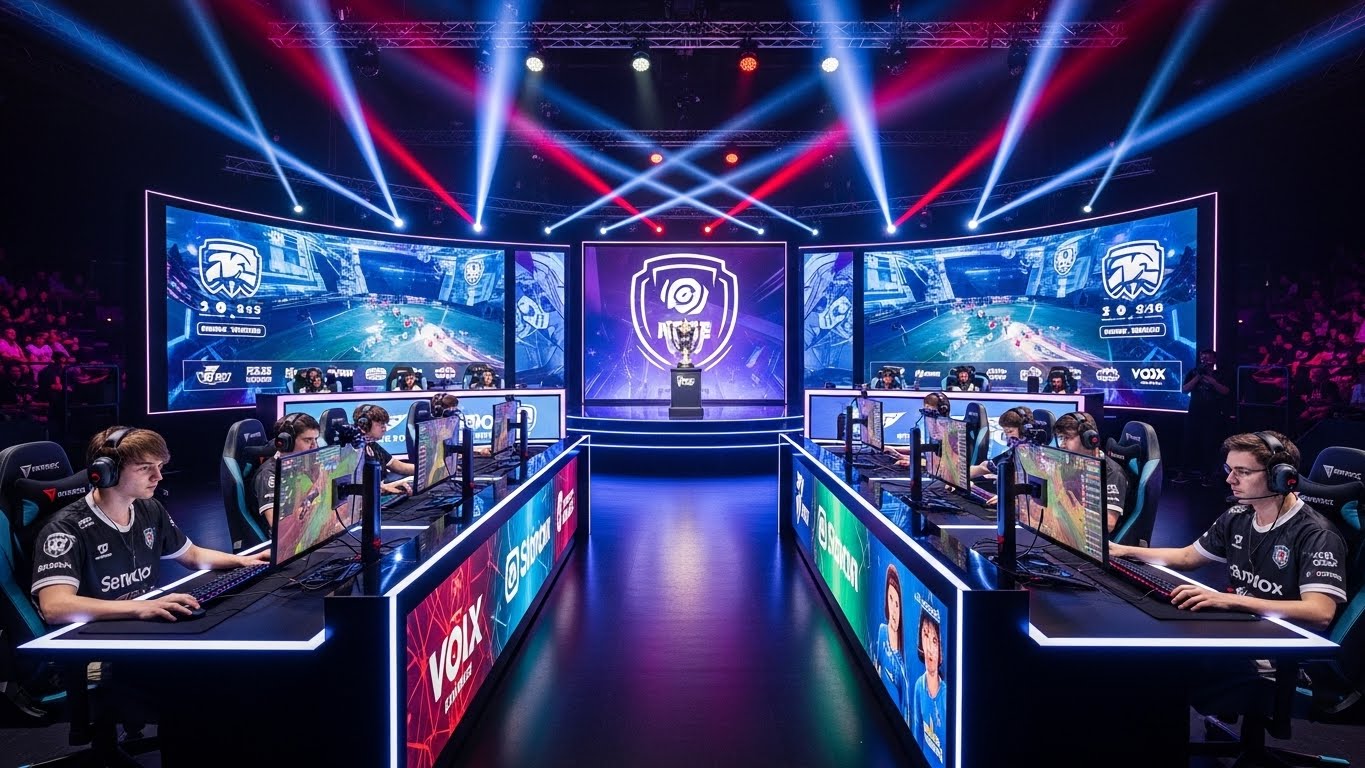
Esports, short for electronic sports, has evolved from a niche hobby into a global phenomenon. It involves competitive video gaming where individuals or teams compete in tournaments for recognition, prizes, and prestige. Unlike casual gaming, esports demands precision, strategy, teamwork, and dedication. The rise of streaming platforms and professional leagues has transformed esports into a legitimate career path for many players, drawing massive audiences and sponsorships comparable to traditional sports.
The History and Evolution of Esports
The roots of esports trace back to the 1970s and 1980s when arcade games and early computer games became popular among youth. Competitions began to emerge, often in arcades or university campuses. The first recognized esports tournament was the 1972 “Intergalactic Spacewar Olympics,” held at Stanford University.
The 1990s marked a pivotal moment with the rise of PC gaming and multiplayer titles. Games like Quake, Counter-Strike, and StarCraft laid the foundation for professional esports. South Korea emerged as a hub, especially for StarCraft, where players became national celebrities and esports gained government recognition.
The 2000s and 2010s saw explosive growth with the proliferation of high-speed internet, online multiplayer platforms, and streaming services. Platforms like Twitch and YouTube allowed fans to watch live matches, further expanding esports’ global reach. Today, esports tournaments rival traditional sports events, with audiences in the millions and prize pools exceeding tens of millions of dollars.
Popular Esports Games
Esports encompasses a wide variety of games, each with its own unique competitive scene:
Multiplayer Online Battle Arena (MOBA)
MOBA games like League of Legends and Dota 2 are some of the most popular esports titles. Players control individual characters with unique abilities, working with a team to destroy the opponent’s base. These games demand strategy, coordination, and quick reflexes. Tournaments like The International for Dota 2 have prize pools exceeding $40 million, highlighting the global scale of competitive MOBA gaming.
First-Person Shooters (FPS)
FPS games such as Counter-Strike: Global Offensive, Call of Duty, and Valorant focus on combat, accuracy, and teamwork. These games are often fast-paced, requiring precise aim, strategic movement, and communication between teammates. Major tournaments attract large audiences and sponsorships, showcasing the skills of elite players.
Battle Royale
Games like Fortnite, PUBG, and Apex Legends fall under the battle royale category. Players compete to be the last person or team standing on a shrinking map. The genre emphasizes adaptability, resource management, and survival skills. Fortnite’s World Cup highlighted the massive popularity and financial potential of battle royale esports.
Fighting Games
Fighting games such as Street Fighter, Tekken, and Super Smash Bros. offer one-on-one competition that tests reaction time, combo execution, and strategic thinking. Fighting game tournaments have a loyal following, with events like EVO (Evolution Championship Series) being highly anticipated by fans worldwide.
Sports Simulations
Sports simulation games, including FIFA, NBA 2K, and Madden NFL, bring traditional sports into the digital realm. These games require knowledge of real-world sports strategies and mechanics, making them appealing to both gamers and sports enthusiasts. Major leagues now integrate esports divisions, further bridging the gap between virtual and physical sports.
The Structure of Esports Competitions
Esports competitions have evolved to mirror professional sports, with leagues, tournaments, and seasonal rankings.
Leagues and Seasons
Many esports titles have structured leagues with regular seasons, playoffs, and finals. Examples include the League of Legends Championship Series (LCS) and the Overwatch League (OWL). Teams compete over months, earning points and building fan bases, much like football or basketball teams.
Tournaments
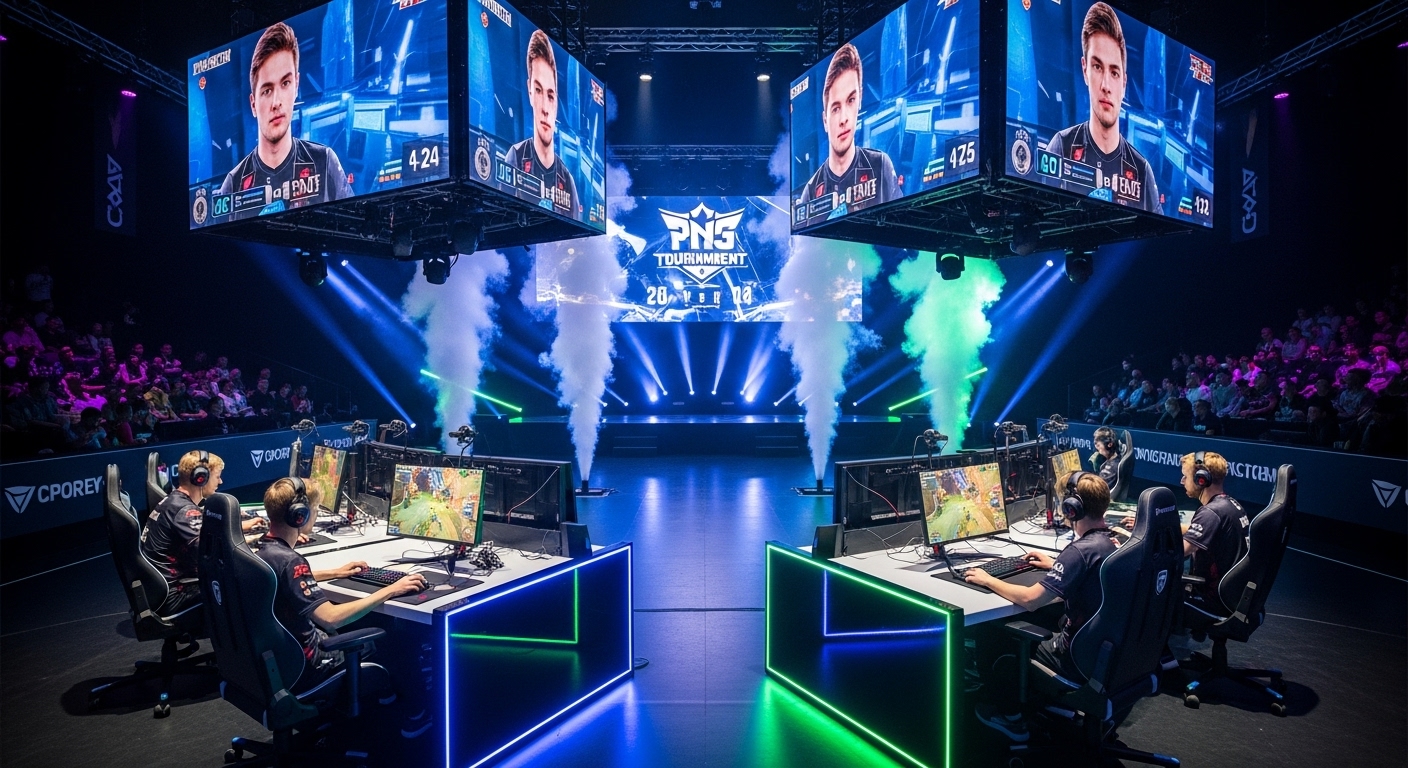
Tournaments are often standalone events that attract global attention. They can range from online competitions to massive stadium events. High-stakes tournaments offer substantial prize pools, drawing elite players from around the world. Examples include The International, Fortnite World Cup, and CS:GO Majors.
Ranking Systems
Ranking systems in esports track individual or team performance across matches. Players earn points, advance through tiers, and qualify for larger events based on their skill and consistency. Rankings provide fans with insight into who the top competitors are, enhancing engagement and anticipation for major matches.
The Role of Teams and Players
Esports is not just about individual talent—it’s heavily team-oriented, especially in games like MOBAs and FPS titles. Teams have coaches, analysts, and managers who study opponents, develop strategies, and optimize performance.
Professional players dedicate hours to practice, often training six to ten hours daily. Their routines include physical fitness, mental health management, and skill development. The competitive environment is intense, and only a small percentage of aspiring players reach the top professional level.
Esports Streaming and Content Creation
The rise of streaming platforms has revolutionized esports and gaming culture. Platforms like Twitch, YouTube Gaming, and Facebook Gaming allow players to broadcast live gameplay to millions of viewers. Streaming has created new revenue streams through subscriptions, donations, sponsorships, and advertisements.
Content creation extends beyond live streaming. Professional players often share tutorials, behind-the-scenes footage, and commentary, building personal brands and engaging with fans. Influencers and content creators play a vital role in promoting esports and fostering community interaction.
The Economics of Esports
Esports is a multi-billion-dollar industry with revenue streams from sponsorships, advertising, ticket sales, merchandising, and media rights. Major corporations, including tech companies, beverage brands, and sports organizations, invest heavily in esports to reach younger, digitally engaged audiences.
Sponsorship deals can be highly lucrative for top teams and players. Brands often collaborate with teams for co-branded merchandise, events, and promotional campaigns. Prize money from tournaments adds another income layer, with top-tier players earning six-figure salaries, even surpassing traditional sports athletes in some cases.
Esports and Education
Esports has started to influence education, with universities offering esports programs and scholarships. Colleges recognize esports as an opportunity to attract students and develop skills like teamwork, communication, and strategic thinking.
High school and university leagues are growing, providing students with competitive platforms and pathways to professional esports careers. Educational programs also focus on game design, programming, and esports management, integrating esports into the broader academic landscape.
Challenges in Esports
Despite its growth, esports faces several challenges:
Health and Wellbeing
The intense schedules and sedentary nature of esports can lead to physical and mental health issues. Eye strain, repetitive strain injuries, and mental burnout are common concerns among professional players. Teams now emphasize wellness programs, including exercise, nutrition, and mental health support.
Regulation and Governance
Esports lacks standardized global regulation, leading to disputes over contracts, cheating, and tournament management. Organizations like the Esports Integrity Commission (ESIC) work to establish fair play standards, but governance remains a developing aspect of the industry.
Inclusivity
While esports is growing, issues of gender inequality and accessibility persist. Efforts are being made to promote diversity, with initiatives encouraging female and underrepresented players to participate. Increasing inclusivity remains a critical step toward broadening esports’ appeal and fostering equitable competition.
The Future of Esports
The future of esports looks promising, with technological advances and societal acceptance driving growth. Virtual reality (VR) and augmented reality (AR) gaming could redefine competitive formats, offering immersive experiences for players and viewers alike.
Esports may also integrate further with traditional sports, forming hybrid entertainment experiences. Global expansion, particularly in regions like Africa, Latin America, and Southeast Asia, is expected to diversify the player base and fan communities.
Streaming innovations, artificial intelligence for analytics, and interactive spectator experiences will continue to transform esports, making it more engaging and accessible. The industry’s adaptability ensures its relevance for years to come, cementing esports as a cornerstone of modern entertainment.
Conclusion
Esports has evolved from humble beginnings to a global industry that rivals traditional sports. Its growth is fueled by technological innovation, strategic gameplay, and dedicated communities. Professional players, teams, and content creators drive engagement, while tournaments and leagues showcase skill and competition on a grand scale.
Despite challenges in health, governance, and inclusivity, esports continues to expand, offering new career opportunities, entertainment formats, and educational pathways. The future promises further integration with technology, global outreach, and innovative experiences that will shape the landscape of competitive gaming for generations.
Esports is more than just playing games; it is a cultural phenomenon, a professional pursuit, and a symbol of how digital innovation can transform sports and entertainment in the modern era.