
Esports Revolution: How Competitive Gaming is Redefining Sports and Entertainment
Introduction: The Rise of a New Competitive Frontier
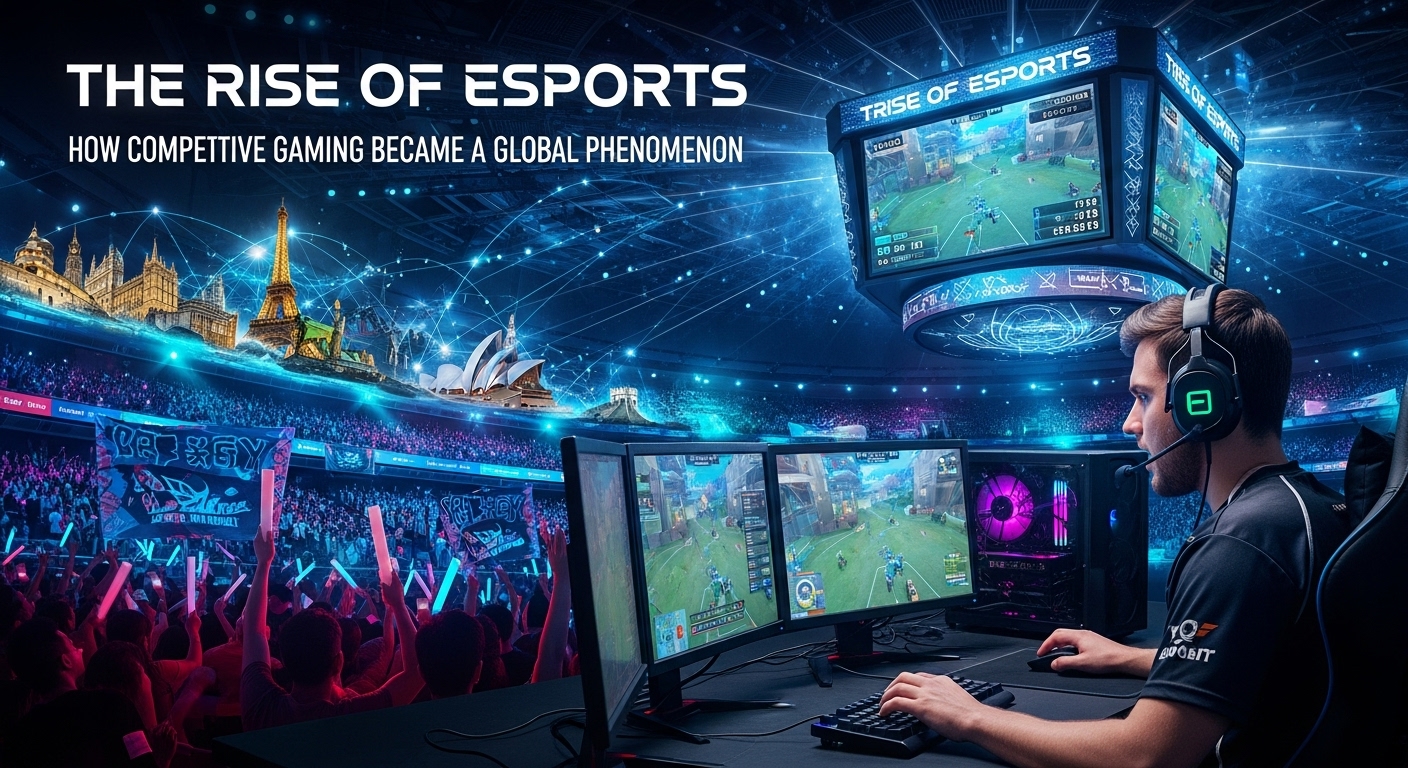
The world of sports has always been a source of excitement, passion, and community. Traditionally, it meant physical competition, whether on a field, court, or track. However, in recent years, a new form of competition has emerged—esports. Short for electronic sports, esports is competitive video gaming at a professional level. What started as casual gaming among friends has transformed into a massive global industry, drawing millions of players and spectators alike. This blog explores how esports has grown into a cultural and economic powerhouse, reshaping how we think about competition and entertainment.
The Origins and Evolution of Esports
Competitive gaming has roots dating back to the 1970s and 1980s with arcade tournaments and early console competitions. But esports as we know it began to take shape in the 1990s with the rise of multiplayer PC games such as Quake, StarCraft, and Counter-Strike. These games introduced players to real-time competition against others, both locally and eventually online.
One of the key milestones was the 1997 Red Annihilation tournament for Quake, which is often considered one of the first major esports events. This tournament helped demonstrate that video games could be played competitively with spectators.
The advent of broadband internet in the 2000s made online play accessible globally, allowing esports to grow rapidly. South Korea’s adoption of esports as a national pastime, especially around games like StarCraft, further accelerated its development. This laid the foundation for professional teams, leagues, and televised matches.
The Popularity Surge: Key Games and Genres
Esports today encompasses a wide range of game genres, each with its own fan base and competitive scene.
Multiplayer Online Battle Arenas (MOBAs) such as League of Legends and Dota 2 are among the most popular esports games globally. These games require players to work in teams to destroy their opponents’ base, demanding strategic thinking, quick reflexes, and teamwork.
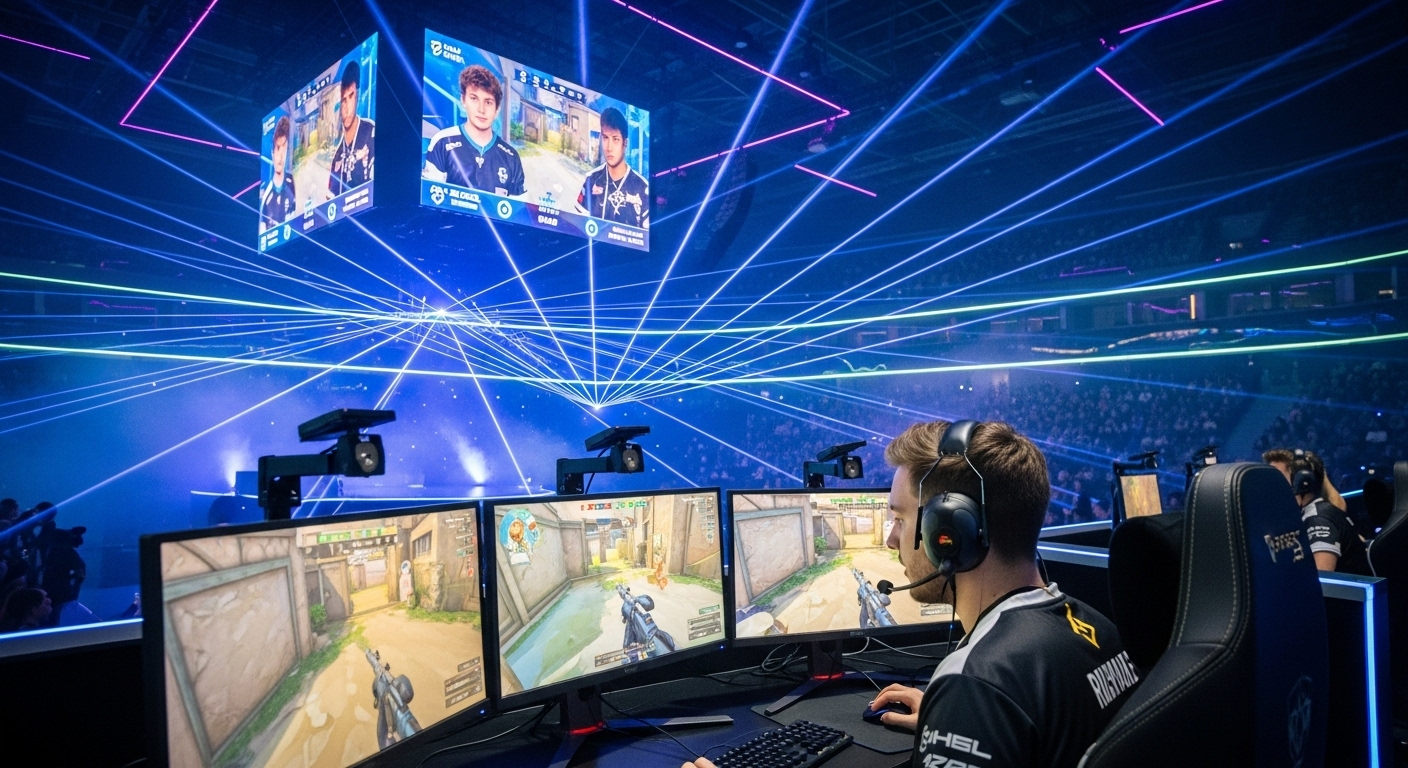
First-Person Shooters (FPS) like Counter-Strike: Global Offensive and Overwatch emphasize precision, speed, and coordination. The thrill of fast-paced gunfights combined with tactical depth has attracted millions of viewers.
Battle Royale games such as Fortnite and PUBG brought a fresh twist to competitive gaming with their last-person-standing format, encouraging adaptability and survival skills.
Real-Time Strategy (RTS) games like StarCraft remain beloved for their complexity and high skill ceiling.
Sports Simulators including FIFA and NBA 2K offer a digital rendition of traditional sports, appealing to fans who appreciate both gaming and real-world athleticism.
Understanding the Esports Ecosystem
The esports industry is a complex web involving various key players.
Game Developers and Publishers create and maintain the games. Their role is critical as they often organize official competitions, control rules, and influence the esports scene’s direction through game updates.
Teams and Organizations recruit players, provide training, manage sponsorships, and build fan engagement. Many of these organizations operate much like traditional sports clubs.
Players dedicate themselves to rigorous training, strategy development, and maintaining peak performance under pressure.
Tournament Organizers coordinate events, secure venues, manage logistics, and ensure fair play.
Broadcasters and Streaming Platforms such as Twitch and YouTube Gaming allow global audiences to watch live matches, interact, and become part of the community.
Sponsors and Advertisers invest heavily in esports, seeing it as an effective way to connect with younger audiences.
The Cultural Impact of Esports
Esports has created a unique culture that blends gaming, social interaction, and competition. It offers an inclusive space where players from diverse backgrounds can compete and collaborate.
Communities form around favorite teams and games, often organizing online forums, fan art, cosplay, and meetups. The global nature of esports transcends language and geography, creating friendships and rivalries worldwide.
Furthermore, esports has started influencing mainstream culture. Celebrities endorse teams, major brands sponsor tournaments, and esports personalities achieve celebrity status.
Educational institutions have begun incorporating esports programs and scholarships, recognizing it as a legitimate career path. This integration is a testament to esports’ growing social acceptance.
The Economics Behind Esports
Esports is a billion-dollar industry with diverse revenue streams.
Sponsorships and advertising are major sources of income, with brands eager to reach esports’ young, digitally savvy audience.
Media rights deals and broadcasting partnerships generate significant funds for leagues and tournaments.
Ticket sales and merchandise provide additional revenue, especially for major live events.
Prize money for players and teams incentivizes excellence and professionalism.
Streaming and content creation allow players and organizations to monetize their fanbases through subscriptions, ads, and donations.
Life as a Professional Esports Player
Becoming a pro gamer requires exceptional skill and dedication. Most players start young, investing countless hours into honing their abilities.
Professional players often train more than traditional athletes, focusing on reaction time, strategy, communication, and teamwork.
The pressure to perform is immense, with intense competition and public scrutiny. Mental health and burnout are significant concerns, prompting teams to invest in psychological support and wellness programs.
Physical health is equally important. Regular exercise, balanced diets, and ergonomic setups help players maintain stamina and prevent injuries common in esports, such as repetitive strain.
The Spectator Experience: Why Esports Captivates Millions
Watching esports is thrilling for several reasons. The combination of fast-paced gameplay, complex strategies, and dramatic storylines keeps viewers engaged.
Commentators and analysts enhance the experience by breaking down plays and narrating the action.
Interactivity on streaming platforms allows fans to chat, participate in polls, and influence broadcast elements, making viewership a communal experience.
Live events replicate the energy of traditional sports, with cheering crowds, fan contests, and elaborate production values.
Challenges Facing the Esports Industry
Despite rapid growth, esports faces several challenges.
Governance and regulation are still evolving, with issues around contracts, player rights, and match-fixing.
Player welfare is a growing concern, especially related to mental health and career longevity.
Market saturation risks viewer fatigue due to an abundance of games and events.
Technological and accessibility barriers prevent some regions from fully participating in esports.
Dependence on game publishers means the scene’s stability is tied to the popularity and support of individual games.
The Global Reach of Esports
Esports is a truly global phenomenon.
Asia, particularly South Korea and China, remains a dominant force with well-established infrastructures, massive audiences, and government backing.
North America and Europe contribute significant financial power and innovative content creation.
Emerging markets in Latin America, Southeast Asia, and Africa are rapidly growing thanks to mobile gaming and improved internet access.
Cultural differences shape how esports is experienced and consumed in various regions, enriching the industry as a whole.
Looking Ahead: The Future of Esports
Esports is poised for exciting growth.
Technological advancements like virtual and augmented reality could transform how games are played and watched.
Educational programs will likely expand, making esports a more recognized academic discipline.
Traditional sports and esports will continue to converge, creating new hybrid entertainment forms.
Greater professionalization and regulation will improve player protections and industry sustainability.
Global expansion will bring more diverse voices and players into the spotlight, fostering innovation and inclusivity.
Conclusion: Esports as a Cultural and Economic Powerhouse
Esports is more than just video games; it represents a new frontier in entertainment, competition, and community building. Its rapid rise challenges old paradigms and opens opportunities for millions worldwide. While challenges remain, the enthusiasm, creativity, and dedication within esports promise a vibrant future.
Whether you’re a player, fan, or newcomer, the world of esports invites you to be part of a thrilling and evolving global phenomenon.