Introduction
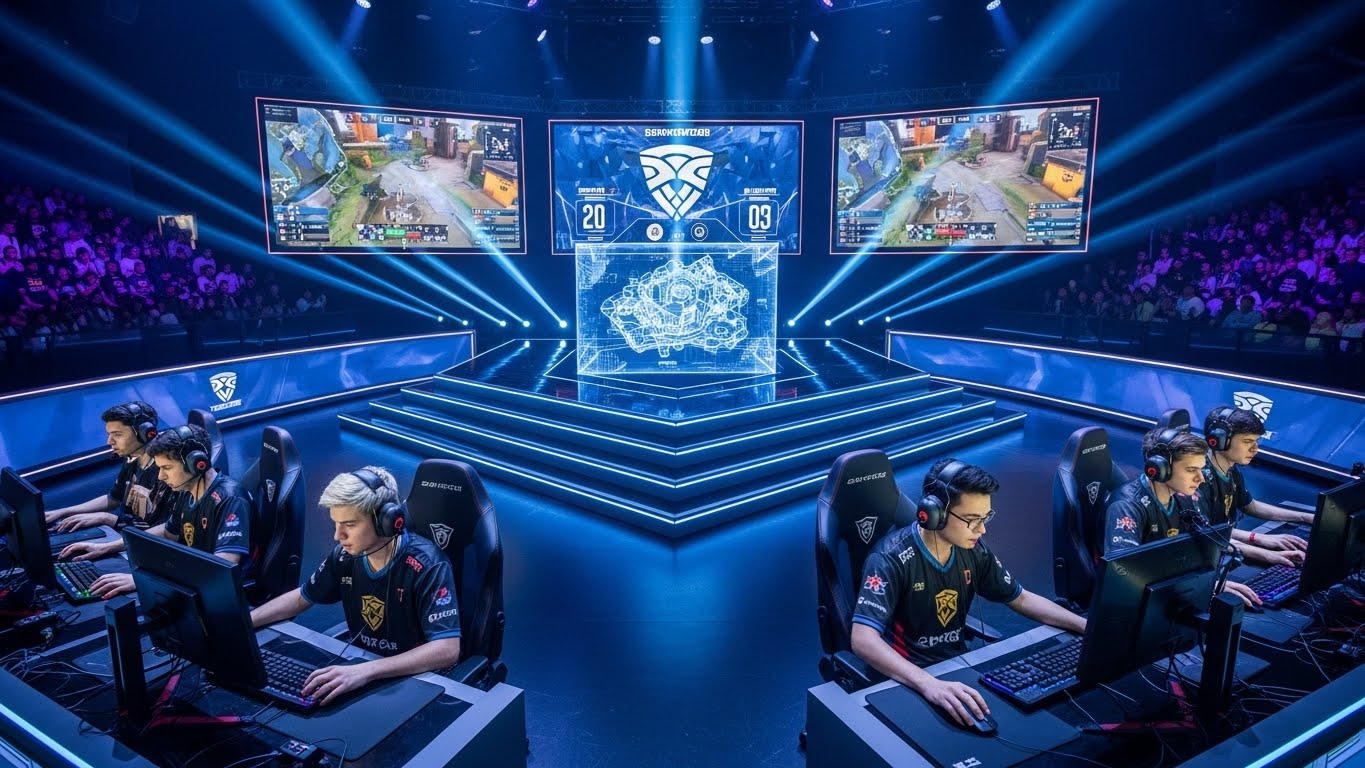
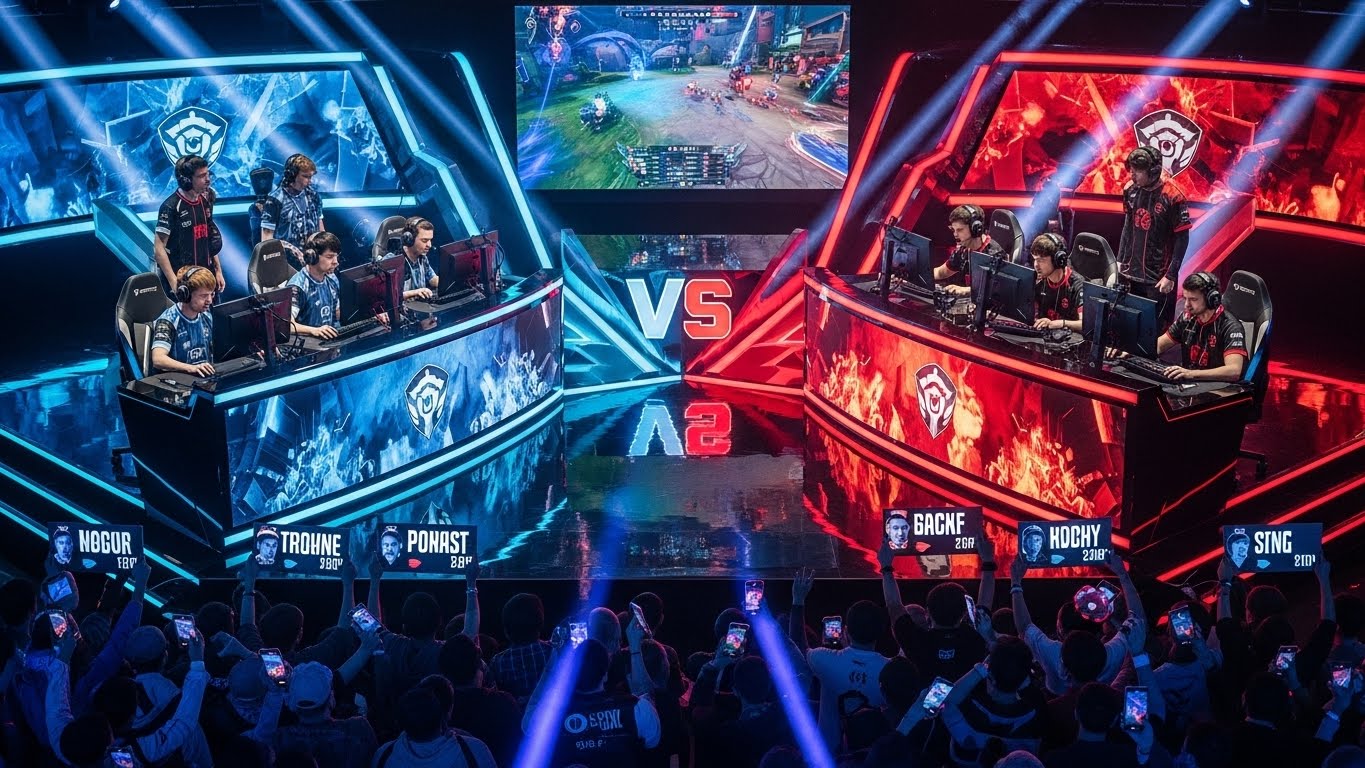
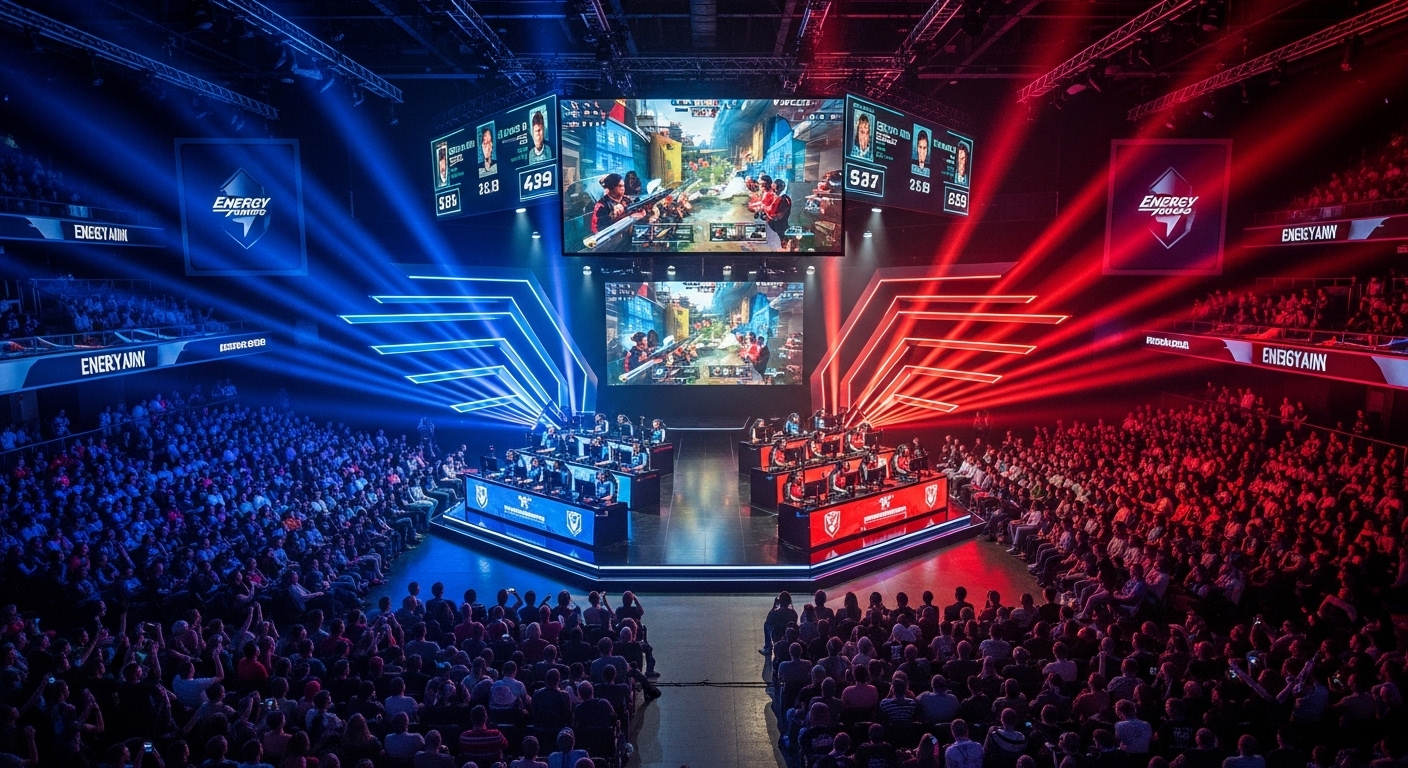
Esports is no longer just a hobby or a niche interest—it has become one of the most rapidly growing industries in the world. What began as small, informal competitions between friends or local groups has evolved into a massive global phenomenon. Today, esports draws millions of fans, generates billions of dollars, and has transformed gaming into a legitimate career option for countless players, streamers, and content creators. With large-scale tournaments, professional teams, and high-profile sponsors, esports has firmly established itself as a mainstream form of entertainment.
In this blog, we will explore the rise of esports, the factors fueling its growth, the business side of the industry, its cultural impact, and what the future holds for competitive gaming.
The Evolution of Esports
The history of esports dates back to the early days of competitive gaming. In the 1970s, the first organized video game competition took place at Stanford University, where students competed in Spacewar, one of the earliest video games. This event, while small, marked the beginning of a long journey toward the global esports industry we know today.
The real turning point came in the late 1990s and early 2000s with the rise of local area network (LAN) parties and online gaming. Gamers began to connect over the internet to compete in games like Quake, StarCraft, and Counter-Strike. These games introduced multiplayer competitions on a global scale and laid the groundwork for the modern esports tournaments that would follow.
The 2010s saw esports explode in popularity, thanks in large part to the rise of live streaming platforms like Twitch. Players and fans could now watch live broadcasts of competitive matches, making esports more accessible and engaging. Major tournaments like The International for Dota 2, League of Legends World Championship, and Overwatch League became household names, drawing in millions of viewers and offering prize pools worth millions of dollars.
The Key Drivers of Esports’ Success
Several factors have contributed to the rapid rise of esports and its continued success as a global entertainment industry. These factors not only explain why esports has become so popular but also why it shows no signs of slowing down.
1. Technological Advancements
The development of high-speed internet and powerful gaming hardware has been essential for the growth of esports. Players around the world now have access to fast, reliable internet connections, allowing them to compete in real-time without lag or connection issues. Gaming hardware has also improved dramatically, with high-end PCs, graphics cards, and gaming peripherals offering superior performance and visual fidelity.
Moreover, streaming technology has allowed viewers to watch esports events with minimal latency, creating a smooth and engaging experience. Streaming platforms like Twitch, YouTube Gaming, and Facebook Gaming have played a crucial role in making esports accessible to a global audience.
2. Online Communities and Social Media
The rise of online communities and social media platforms has been instrumental in shaping the esports culture. Communities on platforms like Reddit, Discord, and Twitter bring fans together to discuss games, share content, and interact with professional players. Social media allows fans to keep up with their favorite teams and players, participate in conversations, and even influence the direction of the esports industry.
The sense of community is further reinforced by the interactive nature of esports streaming. Platforms like Twitch allow fans to chat with players and other viewers in real-time, creating a more personal and engaging experience. This interaction has made esports more than just a spectator sport—it has transformed it into a participatory and immersive event.
3. Professionalization and Sponsorship
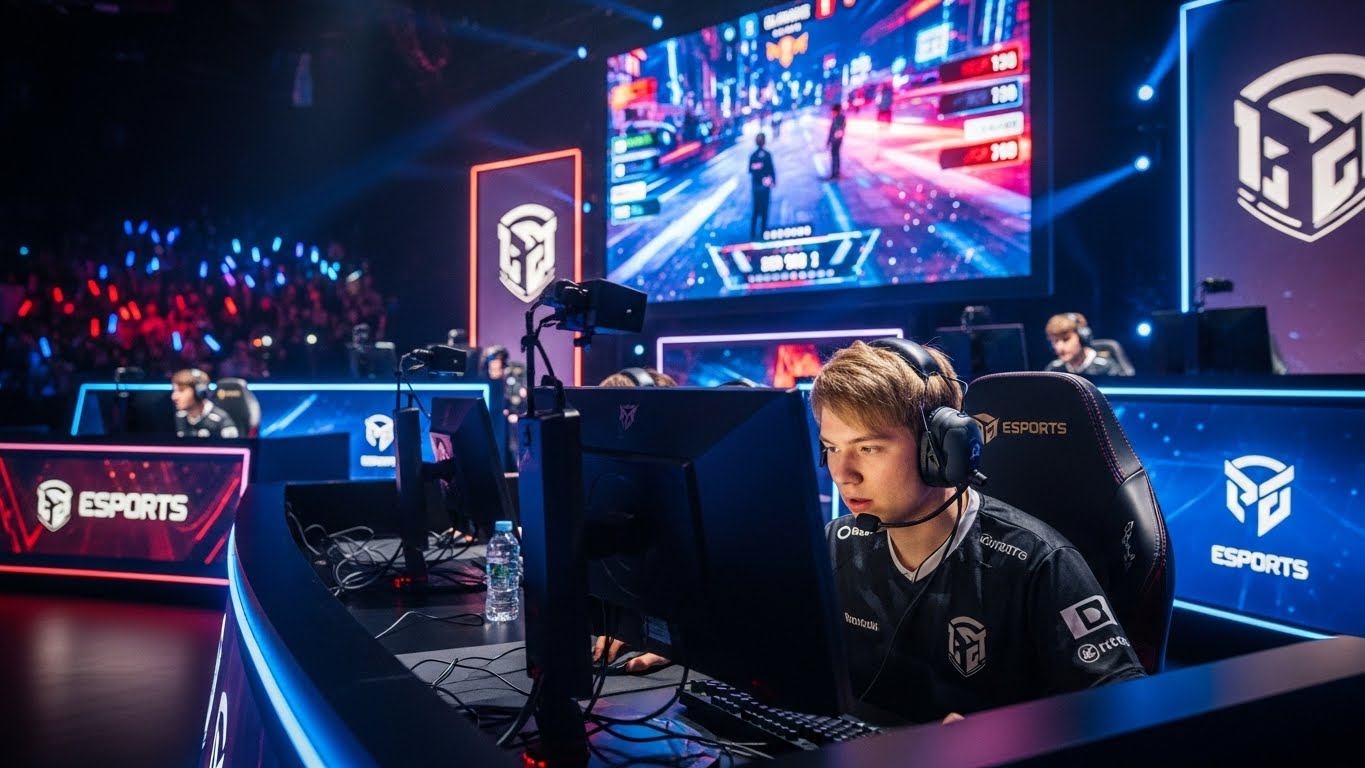
One of the most significant developments in esports has been its professionalization. What was once a hobbyist pursuit has evolved into a legitimate career for many players. Esports organizations now operate like traditional sports teams, with coaches, analysts, managers, and staff. These teams compete in well-established leagues and tournaments, and their players are treated as professionals.
As esports has grown, so has its appeal to major brands. Sponsorships from global companies like Intel, Coca-Cola, Red Bull, and Nike have become commonplace. These companies recognize the massive audience that esports attracts and have invested heavily in the scene. Sponsors provide funding for tournaments, support individual players, and help promote esports as a mainstream form of entertainment.
4. Expanding Global Reach
Esports is a global phenomenon. While certain countries like South Korea, the United States, and China have long been esports powerhouses, the sport has expanded into regions like Europe, Southeast Asia, and Latin America. The accessibility of mobile gaming has also played a huge role in broadening the esports audience, especially in developing countries where high-end gaming PCs and consoles may be less common.
The rise of mobile esports, with games like PUBG Mobile and Free Fire, has introduced competitive gaming to a wider audience and opened new markets for the industry. These games are more accessible to players with limited resources, and their popularity continues to grow in regions like India, Brazil, and Southeast Asia.
The Business of Esports
Esports has become a multi-billion-dollar industry, with significant revenue generated from sponsorships, broadcasting rights, merchandise, and in-game purchases. The financial success of esports has transformed it into a major business, with various stakeholders benefiting from its growth.
1. Sponsorship and Advertising
Sponsorship deals are one of the primary revenue streams for esports organizations and events. Major brands like Coca-Cola, Samsung, and Intel have partnered with esports teams, tournaments, and leagues to promote their products to the millions of fans watching and participating in esports. In return, sponsors receive exposure to a tech-savvy, engaged audience.
Esports tournaments and events often feature commercials, product placements, and brand activations, allowing companies to advertise directly to viewers during live broadcasts. This has turned esports into a highly lucrative marketing platform for brands looking to reach a younger, digitally native audience.
2. Broadcasting and Media Rights
As esports has grown in popularity, media companies have begun to pay for the rights to broadcast major tournaments. Just as traditional sports networks pay for broadcasting rights to cover football or basketball games, companies like ESPN, Fox Sports, and NBC have started to air esports events.
Broadcasting deals are helping to legitimize esports as a mainstream form of entertainment. The revenue generated from media rights is crucial for the sustainability of esports organizations and tournaments, and it allows for even larger production values and higher-quality broadcasts.
3. Merchandising and In-Game Revenue
Esports organizations also generate revenue through merchandise sales. Fans can purchase team jerseys, apparel, and accessories, allowing them to show support for their favorite players and teams. This not only generates income for the organizations but also helps build fan loyalty and identity.
In addition, many esports games offer in-game purchases, such as skins, cosmetic items, and battle passes. These microtransactions are a significant revenue stream for game developers and have become a key part of the business model for many popular esports titles.
The Cultural Impact of Esports
Esports has had a profound cultural impact, not only as a form of entertainment but also as a social and cultural phenomenon. Competitive gaming has brought together people from all walks of life, fostering a sense of community and shared experience. Fans engage with their favorite games, players, and teams in ways that go beyond just watching a match.
1. Community and Identity
Esports communities are built on a sense of belonging. Fans and players alike come together to support their favorite teams, share experiences, and participate in discussions. These communities are often centered around specific games, players, or tournaments, and they foster deep emotional connections.
Players and teams often develop loyal followings, with fans showing their support through social media, fan art, and even live interactions during streams. This sense of identity and community is a major draw for esports fans, who feel connected to the players and teams they support.
2. Changing the Perception of Gaming
Esports has helped shift the perception of gaming from a solitary, passive activity to a legitimate sport that requires skill, strategy, and teamwork. The rise of esports has demonstrated that gaming is not just about casual play—it can be a highly competitive and rewarding pursuit.
This shift has led to gaming becoming more widely accepted in mainstream culture. Many universities now offer esports scholarships, and esports is even being considered for inclusion in the Olympic Games. These developments signal that competitive gaming is becoming an integral part of global sports culture.
The Future of Esports
The future of esports looks incredibly bright. As technology continues to advance, esports will only become more immersive, engaging, and global. Virtual reality (VR) and augmented reality (AR) could change how players and fans interact with games, offering more immersive experiences. Cloud gaming and 5G networks will make high-quality gaming accessible to even more people, further expanding esports’ global reach.
The continued rise of mobile esports will open up new markets, especially in regions where traditional gaming infrastructure is less accessible. The growth of esports in countries like India, Brazil, and Indonesia demonstrates the potential for esports to become even more widespread.
Finally, the integration of esports into traditional sports and entertainment platforms will only continue to grow. Partnerships with major media companies, the inclusion of esports in global events, and the increasing popularity of esports betting will ensure that esports remains a central part of the global entertainment landscape.
Conclusion
Esports has come a long way since its humble beginnings. From small LAN parties to multi-million-dollar tournaments broadcast to millions of viewers, esports has become one of the most exciting and influential industries in the world.