Esports Explosion: Understanding the Phenomenon That’s Reshaping Global Entertainment
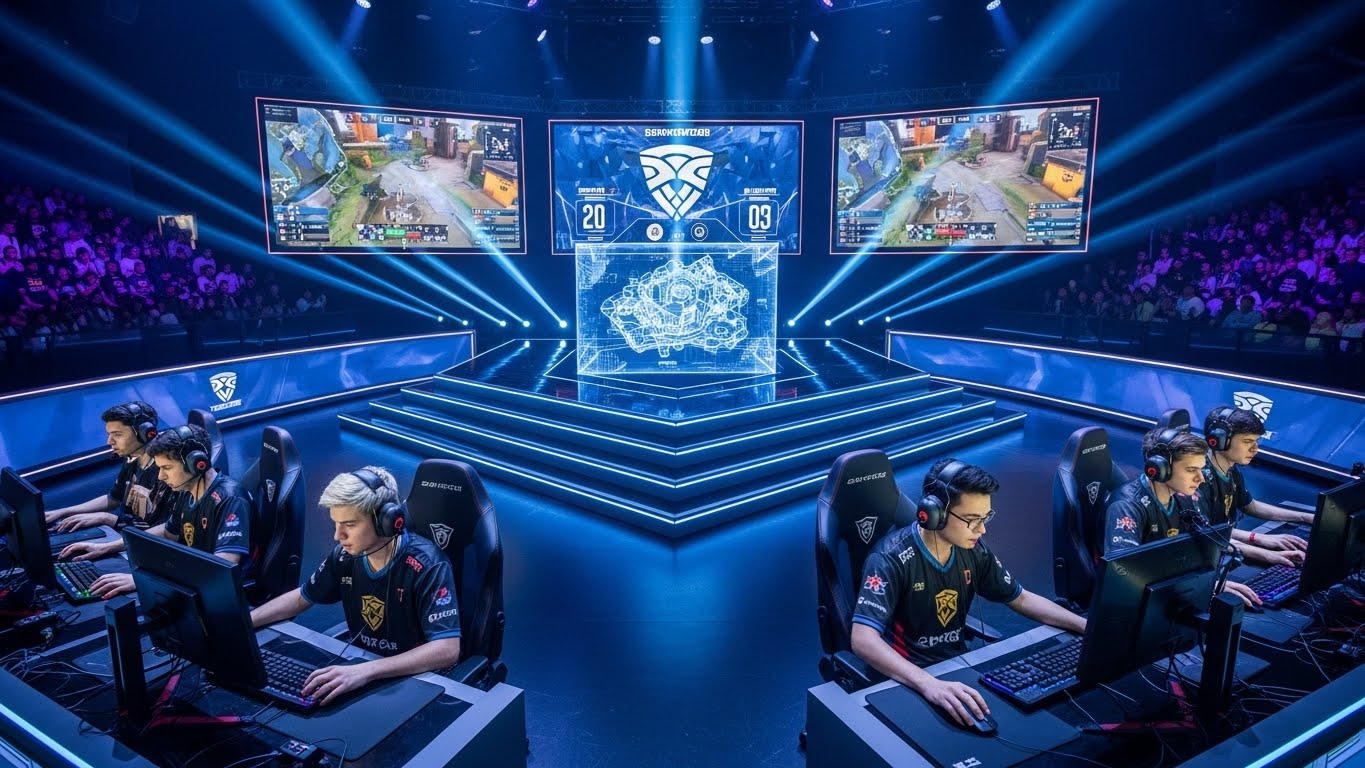
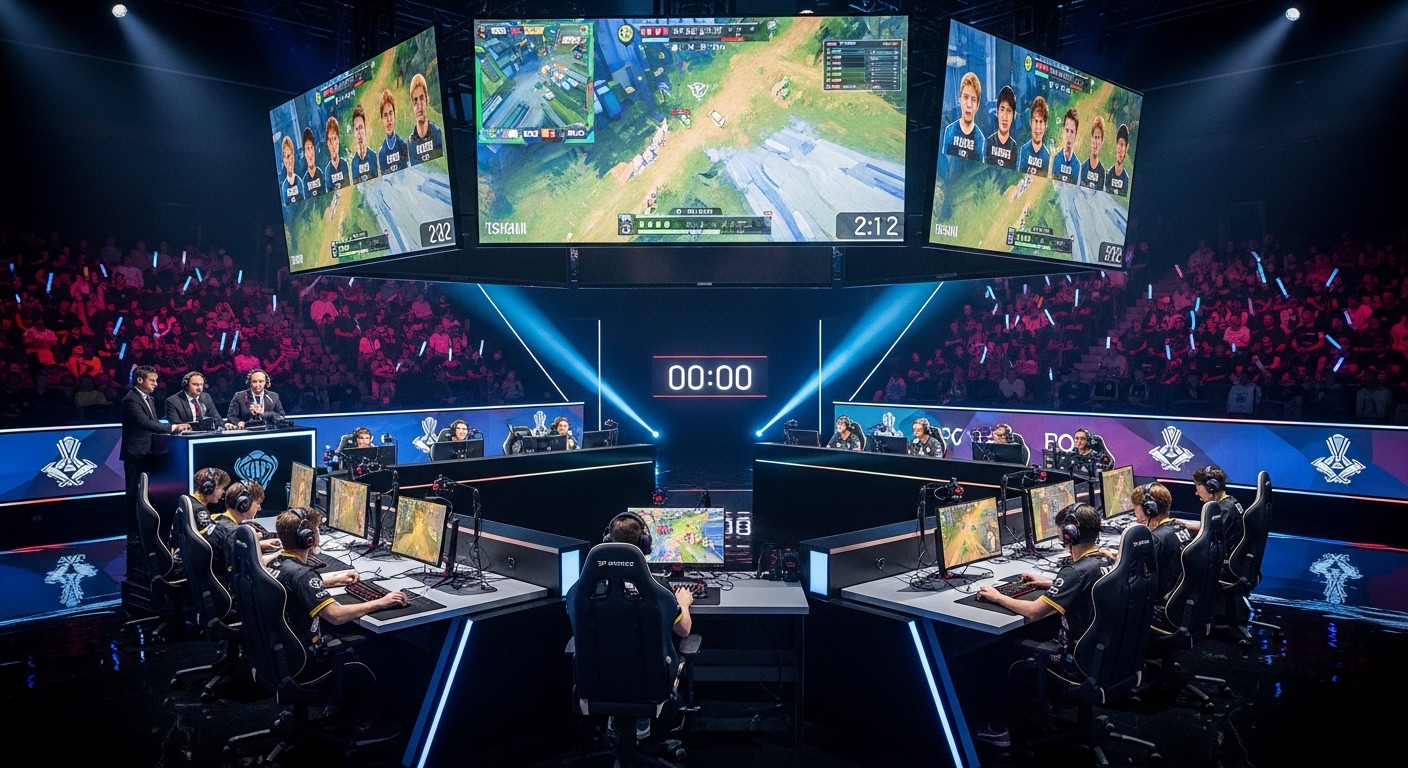
Esports has evolved from a niche hobby to a global powerhouse, captivating millions of players and viewers alike. Competitive gaming, once seen as a hobbyist pastime, has exploded into a multibillion-dollar industry, and its influence is only growing. With an ever-expanding fan base, professional leagues, major sponsorships, and an undeniable cultural impact, esports is now considered a legitimate form of entertainment on par with traditional sports. This blog post will dive into the history, current trends, and future prospects of esports, offering an in-depth look at what makes this industry so unique and influential.
The Rise of Esports: From Arcade Games to Global Tournaments
The Humble Beginnings
Esports can trace its roots back to the 1990s when gaming enthusiasts began competing against each other in local tournaments, often within the confines of arcades or small LAN (Local Area Network) parties. These early events were not as formalized as the massive competitions we see today, but they laid the groundwork for the esports ecosystem. Games like Doom, Warcraft II, and Quake became early frontrunners in competitive play, with communities forming around these titles, and small-scale tournaments cropping up globally.
The first major turning point in esports came in 1997 with the introduction of the Red Annihilation tournament for Quake. This event was unique because it attracted a large audience, including a few prominent sponsors, and was one of the first events to be broadcast over the internet. As broadband internet became more accessible, gamers from all over the world were able to participate in tournaments without needing to be physically present in a specific location. This shift brought a new era of digital competition, setting the stage for esports as we know it today.
The Influence of Streaming: A New Era of Engagement
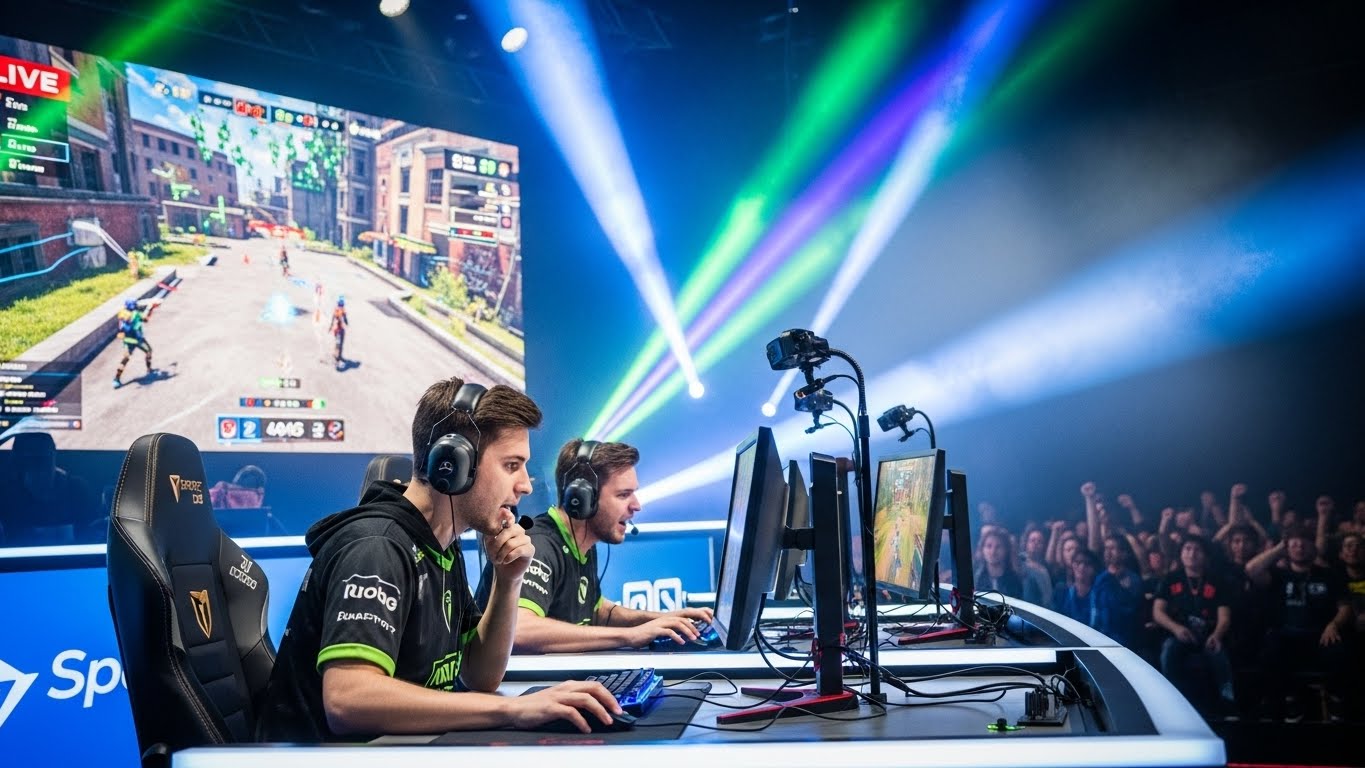
In the mid-2000s, a new technological breakthrough would play a crucial role in esports’ meteoric rise: live streaming. The launch of platforms like Twitch revolutionized how fans could interact with esports. Instead of merely watching pre-recorded matches, fans could now tune in live, watch their favorite players compete in real-time, and even engage with them through live chats. For many fans, this was the first time they could see top-tier players at the peak of their abilities and be part of the action from home.
Twitch, which began as a general live-streaming platform for various content creators, quickly became the home for esports broadcasts. With thousands of streamers and tournaments broadcasting simultaneously, the platform enabled players to gain visibility, sponsorships, and large fan bases. This shift in accessibility allowed esports to transition from a niche activity to a mainstream form of entertainment.
Esports as a Profession: From Hobby to Full-Time Career
The Emergence of Professional Teams
As esports gained in popularity, the landscape began to shift dramatically. Professional players, coaches, and analysts started forming teams, and organizations began emerging to manage these players, offering salaries and benefits like any other professional sport. Games like League of Legends, Dota 2, and Counter-Strike: Global Offensive became the cornerstone of these professional leagues. With tournaments offering massive prize pools, esports transformed into a career option for talented players who could now compete for substantial rewards and recognition.
The development of structured leagues like the Overwatch League and the League of Legends Championship Series (LCS) further formalized the competitive environment. The Overwatch League, launched in 2018, was a breakthrough in the world of esports, drawing comparisons to traditional sports leagues like the NBA and NFL. It introduced the franchise model, where cities and organizations could own professional esports teams, allowing fans to support teams based on geography, just as they do in traditional sports. This shift marked the beginning of esports as a truly global and organized profession, with players representing their cities and organizations in tournaments broadcast worldwide.
A Growing Industry: Sponsorships and Big Money
As the esports ecosystem grew, so did its commercial potential. Major global brands, including Coca-Cola, Intel, and Mercedes-Benz, began investing heavily in esports. With a demographic that’s largely made up of tech-savvy millennials and Gen Z, brands saw a unique opportunity to connect with a younger, highly engaged audience. Sponsorships flooded in, supporting both major tournaments and individual streamers, while global media companies began investing in esports broadcast rights, helping further legitimize the scene.
Tournaments like The International (Dota 2), League of Legends Worlds, and CS:GO Majors boast prize pools that rival traditional sports events, often reaching millions of dollars. In fact, The International set a record in 2018 for the largest prize pool in esports history, with more than $25 million on the line. This kind of financial backing is a clear indication that esports is no longer just a hobby but an industry with significant economic weight.
The Culture of Esports: From Gaming to Global Community
A New Form of Socializing
One of the most unique aspects of esports is its ability to foster an inclusive and global community. Unlike traditional sports, where people often have to travel to physical arenas to watch games live, esports offers an opportunity for fans to come together online. Through platforms like Twitch, YouTube Gaming, and Discord, players and fans engage in real-time discussions, cheering for their favorite teams or players, and even forging friendships.
Esports events have become social experiences for many fans. Major tournaments now feature live broadcasts with commentary, analysis, and behind-the-scenes content, making the events not only about watching gameplay but also about connecting with other fans. The community aspect of esports has helped bridge gaps between people of different cultures, languages, and backgrounds, uniting them through a shared love of gaming.
Esports Stars: The New Age of Celebrities
Esports has also produced a new breed of celebrities. Players like Faker (Lee Sang-hyeok, a League of Legends legend) and Ninja (Tyler Blevins, a Fortnite star) have amassed millions of followers, endorsement deals, and sponsorships, turning themselves into international household names. Many of these players have created lucrative careers out of gaming, thanks to streaming platforms, sponsorships, and even product lines. They have become influencers in their own right, shaping not only gaming culture but also mainstream pop culture.
Moreover, esports has provided visibility and opportunities for people from diverse backgrounds, including women and marginalized groups, to excel in a competitive environment. Organizations like The Women’s Esports League are working to create a more inclusive space, ensuring that everyone, regardless of gender, can participate and thrive in the competitive gaming scene.
The Growth of Mobile Esports: A Game-Changer for Global Reach
The Rise of Mobile Gaming
While traditional esports has predominantly centered around PC and console gaming, mobile gaming has recently experienced explosive growth. Titles like PUBG Mobile, Free Fire, and Clash Royale have made competitive gaming accessible to millions of players worldwide. Mobile esports has become particularly popular in regions like Southeast Asia, India, and Latin America, where smartphone penetration is high but access to high-end gaming PCs may be limited.
The accessibility and portability of mobile games have allowed esports to reach a far broader audience. Major mobile tournaments, such as the PUBG Mobile World League and Free Fire World Series, have attracted millions of viewers, with prize pools that rival those of traditional PC esports events. This shift is significant because it makes competitive gaming more inclusive, with players from developing countries now able to participate at the highest level.
Impact on Traditional Esports
The rise of mobile gaming is reshaping the esports landscape. It offers an alternative entry point for aspiring professional players who may not have the resources to invest in a high-end gaming PC. The global appeal of mobile gaming, combined with its relatively low barrier to entry, means that esports could continue to grow and attract new, diverse audiences from all corners of the globe.
The Future of Esports: What’s Next?
Esports in the Mainstream: TV, Sponsorship, and Global Leagues
The future of esports looks bright, with increasing integration into mainstream media. Esports is already broadcast on traditional sports networks like ESPN, and more media companies are expected to get involved in the coming years. Esports leagues will continue to expand, attracting new sponsors, advertisers, and global audiences. We may even see esports featured in the Olympics, as discussions about adding gaming as an official event gain traction. The increasing professionalism and organization of the industry will solidify esports’ place in global entertainment.
Virtual Reality and Augmented Reality: The Next Frontier
One of the most exciting prospects for the future of esports is the integration of virtual reality (VR) and augmented reality (AR). As VR technology becomes more affordable and immersive, we could see entire esports tournaments played in virtual environments. This could lead to a new era of esports, where players are not just controlling avatars on a screen but engaging in fully immersive worlds.
In addition, AR could enhance the fan experience, allowing viewers to interact with matches in real time through augmented features on their screens. Imagine watching a League of Legends match with AR overlays showing real-time player stats or strategy insights, all while sitting in the comfort of your home.
Conclusion: The Esports Revolution is Just Beginning
Esports is no longer just a passing trend—it’s a global phenomenon that is reshaping the entertainment landscape. From its humble beginnings in arcades to its current status as a multi-billion-dollar industry, esports has proven that it’s here to stay. The future of esports looks even more exciting, with mobile gaming, professional leagues, sponsorships, and emerging technologies poised to transform the industry even further.