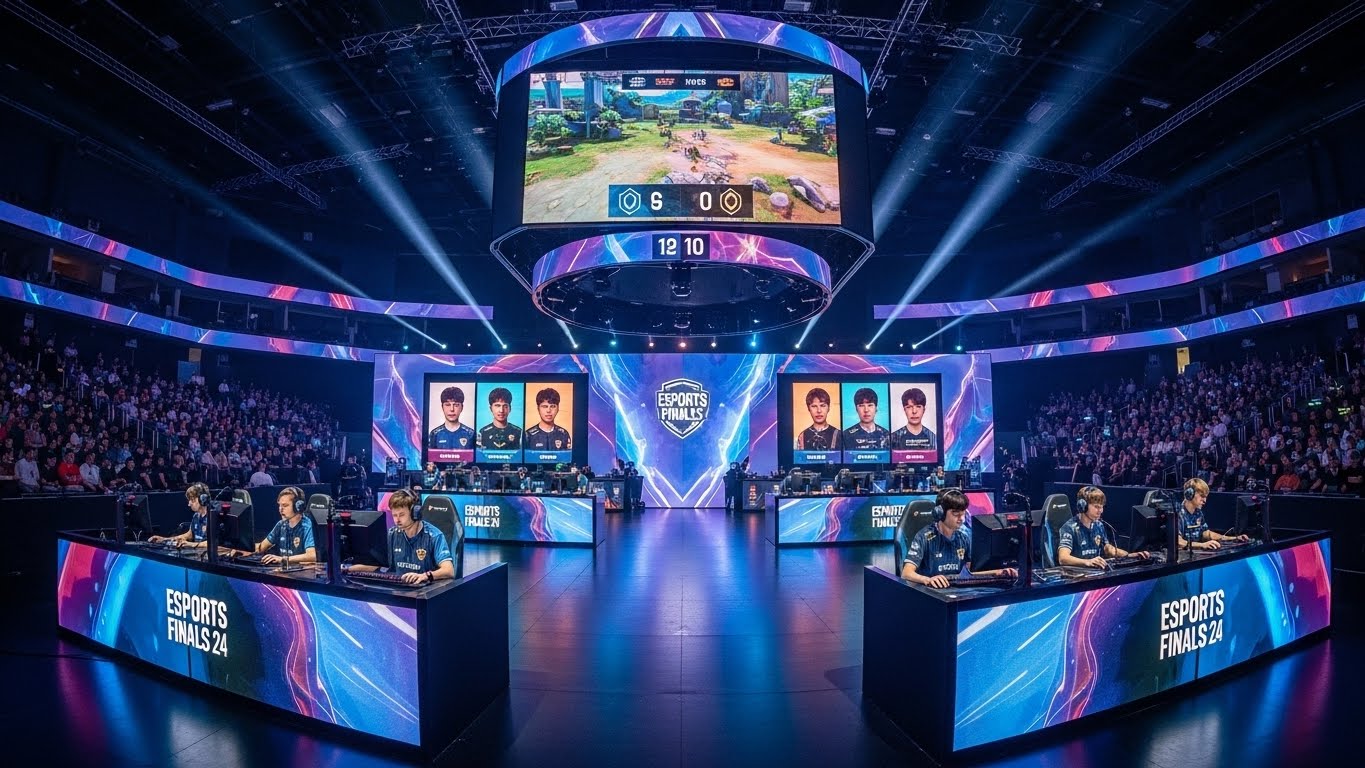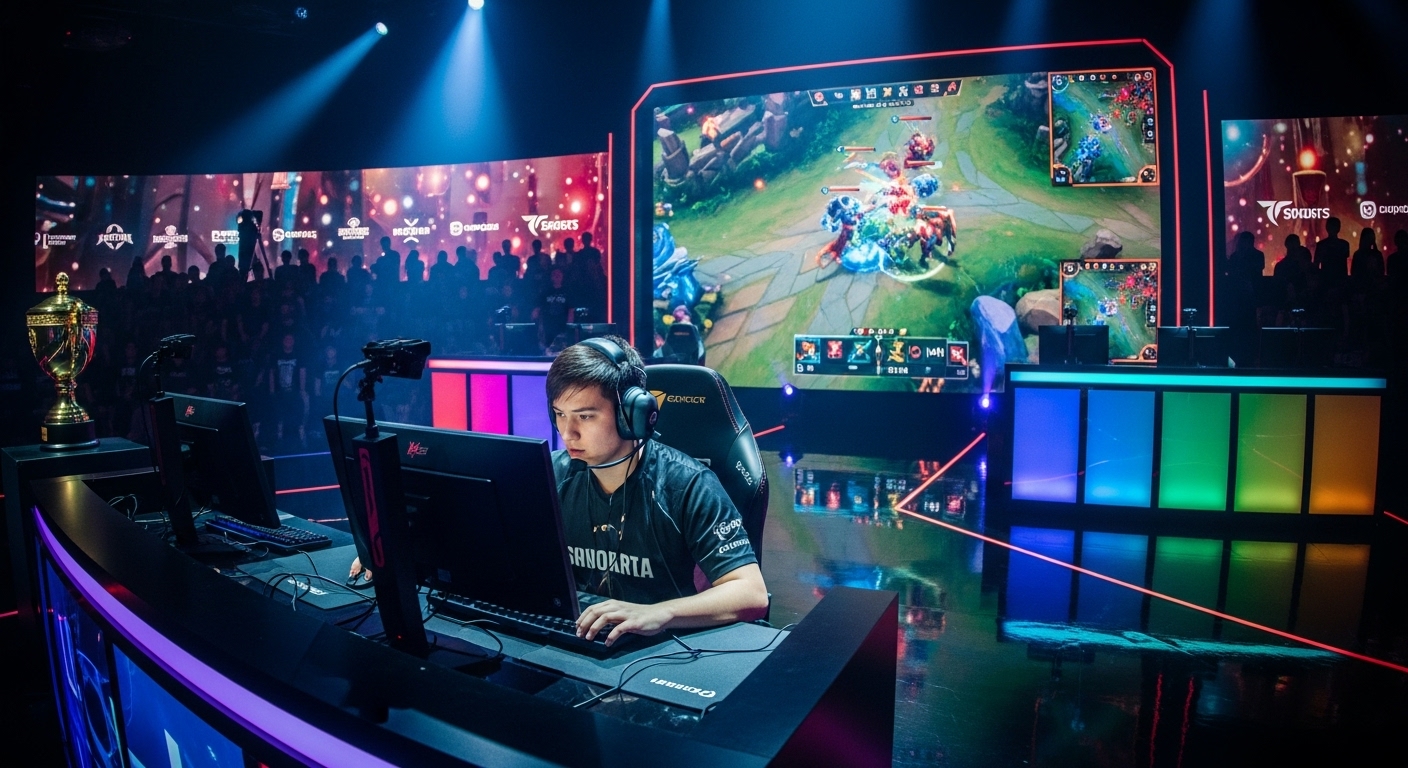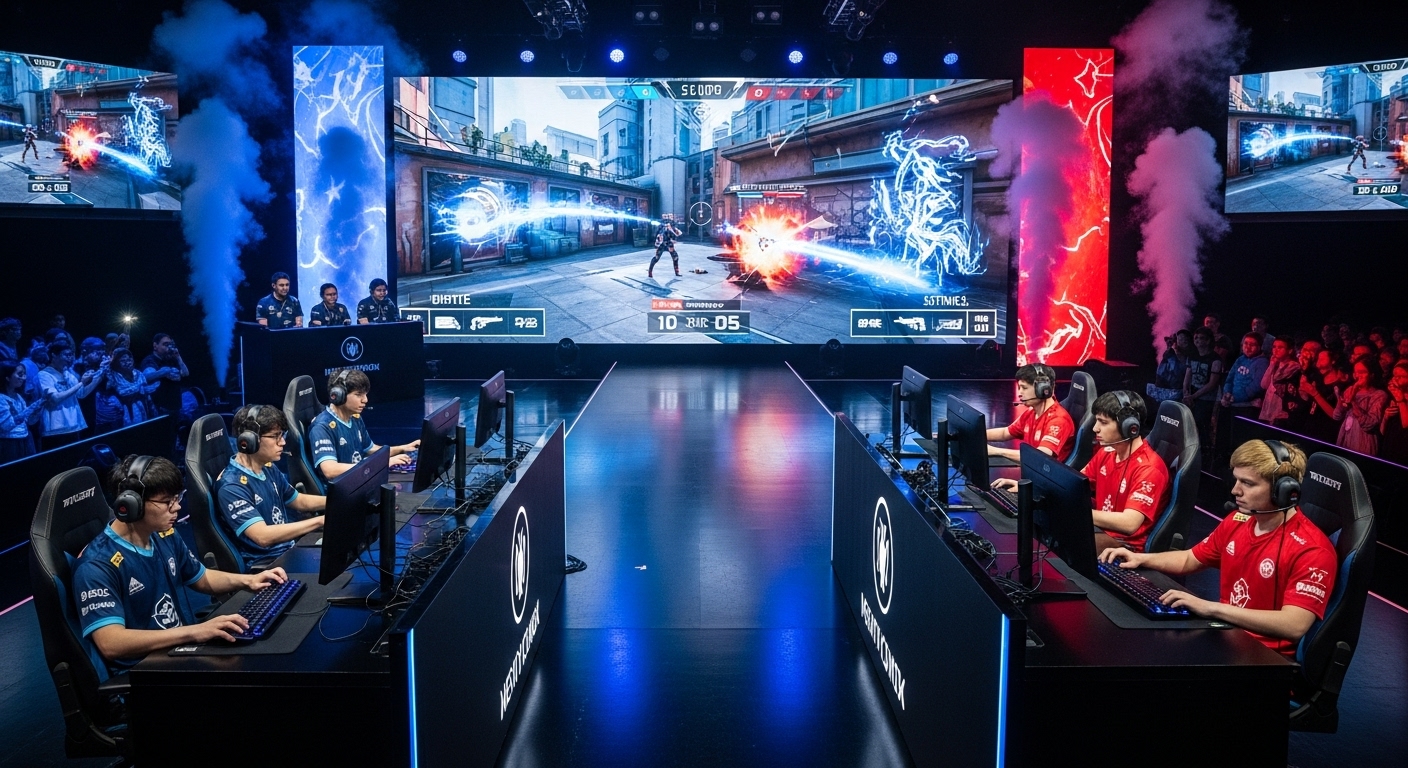
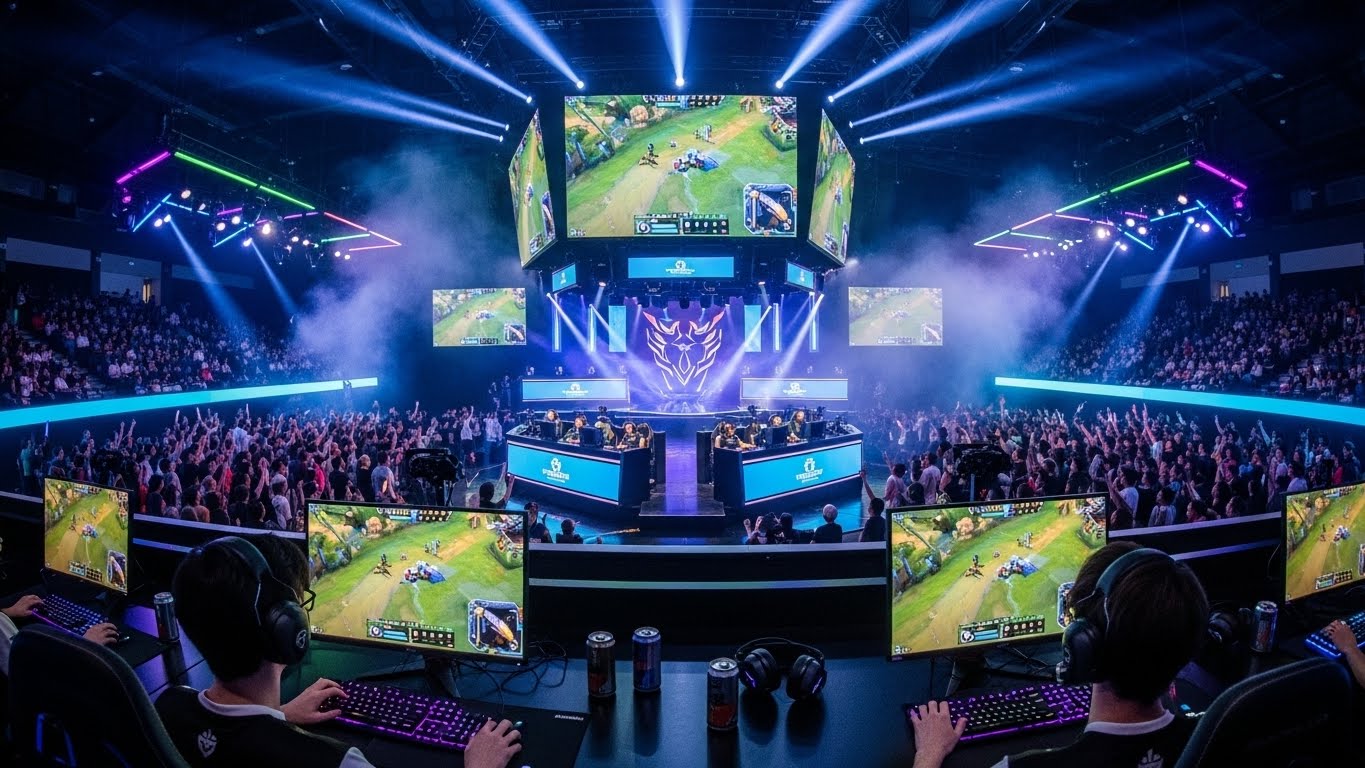
Esports, once a niche hobby limited to small groups of gaming enthusiasts, has exploded into a worldwide cultural and professional phenomenon. Competitive gaming now rivals traditional sports in popularity, viewership, and economic impact. With millions of players, fans, and tournaments across the globe, esports has become more than just entertainment—it is a platform for innovation, competition, and community. This blog explores the growth, impact, and future of esports, showing how it is shaping the digital and real worlds alike.
Understanding Esports
Esports, short for electronic sports, is organized competitive gaming where individuals or teams compete in tournaments. Unlike conventional sports that rely on physical athleticism, esports emphasizes mental agility, strategy, teamwork, and reflexes. Popular games span various genres, including first-person shooters, real-time strategy games, multiplayer online battle arenas, and sports simulations. Titles such as League of Legends, Dota 2, Fortnite, Counter-Strike, and Valorant have become staples in the competitive gaming scene.
Competitions are structured similarly to traditional sports leagues, with rankings, seasons, playoffs, and championships. Teams often employ coaches, analysts, and support staff to ensure peak performance. This professional framework has transformed gaming from a casual pastime into a legitimate and highly respected competitive discipline.
The Explosive Growth of Esports
The growth of esports over the past decade has been extraordinary. Professional teams operate like traditional sports franchises, offering salaries, sponsorships, and comprehensive training for players. International tournaments now attract audiences of millions, both online and in packed stadiums. For example, the League of Legends World Championship and The International Dota 2 Championship have become marquee events watched worldwide.
Streaming platforms have played a critical role in the rise of esports. Live broadcasts allow fans to follow their favorite players and teams from anywhere in the world, creating an interactive and global community. This accessibility has transformed esports into a cultural phenomenon with reach far beyond the gaming community.
Skill, Strategy, and Mental Agility
Success in esports requires far more than fast reflexes. Players must master complex game mechanics, understand opponent strategies, and make split-second decisions under high-pressure conditions. Team-based games emphasize communication, coordination, and collaborative problem-solving, while solo competitions demand precise planning, situational awareness, and adaptability.
Mental resilience is a defining trait of top players. The intense pressure to perform in front of millions, coupled with long hours of practice, requires focus, discipline, and emotional control. In many ways, competitive gaming tests the mind as much as the hands, demanding strategy, concentration, and perseverance.
Esports as a Career
Esports has created a wide range of career opportunities. Professional players earn salaries, prize money, and endorsement deals, while supporting roles such as coaches, analysts, content creators, and event organizers provide additional avenues for professional growth. Teams often provide structured practice schedules, nutrition guidance, and mental health support to optimize player performance.
Esports academies and training programs for young players have emerged, offering pathways to professional gaming. These programs combine technical skill development with education, preparing participants for careers in the growing esports ecosystem. The rise of esports as a legitimate career challenges outdated stereotypes that gaming is only a hobby, highlighting the dedication and discipline required to succeed.
Global Reach and Cultural Impact
Esports transcends geographical and cultural boundaries. International tournaments bring together players and fans from diverse regions, fostering global community and cultural exchange. Educational institutions now offer scholarships and academic programs related to esports, including game design, media production, and digital management.
The industry also drives technological innovation. High-performance gaming hardware, virtual reality integration, and sophisticated streaming platforms are developed to meet the demands of competitive play. These advancements have applications beyond gaming, influencing sectors such as education, media, and entertainment.
Mental Health in Esports
Competitive gaming is mentally demanding. Long hours of practice, pressure to perform, and the expectation to maintain consistent success can contribute to stress and burnout. However, esports can also have positive effects on mental well-being. Players develop problem-solving abilities, emotional resilience, and social skills through teamwork and strategic thinking.
Many professional organizations now employ mental health professionals and coaches to support players’ well-being. These support systems help manage stress, prevent burnout, and promote a healthy balance between training and personal life. A focus on mental wellness ensures that esports remains a sustainable career choice.
Fans and Community Engagement
The esports community is central to the industry’s success. Fans watch tournaments, engage in discussions, create content, and form communities around their favorite teams and games. Unlike traditional sports, esports fans often interact directly with players via streaming platforms and social media, creating a highly interactive and participatory fan culture.
Communities around esports foster a sense of identity and belonging. Fans contribute to the culture of gaming by supporting players, analyzing strategies, and celebrating achievements. This engagement is a driving force behind the rapid growth of esports, making it more than a competition—it is a global social phenomenon.
Esports in Education
Esports has increasingly entered educational institutions. Schools and universities now host esports clubs, competitions, and scholarships. Academic programs related to esports include courses on digital media, game design, marketing, and management.
Participation in esports teaches students discipline, time management, teamwork, and strategic thinking. Students learn to balance practice with academic responsibilities, developing transferable skills that prepare them for both professional and personal life. The integration of esports into education demonstrates its legitimacy and growing relevance in modern society.
Women in Esports
Historically, esports has been male-dominated, but female participation is steadily increasing. Women are making their mark as professional players, coaches, commentators, and content creators. Their achievements challenge stereotypes and promote inclusivity within the industry.
Supporting diversity in esports strengthens competition, encourages innovation, and broadens the appeal of the sport. Increased visibility of female gamers inspires the next generation while fostering a more inclusive and welcoming community. Representation in esports is essential for the long-term growth and cultural relevance of the industry.
Technology Shaping Esports
Technology is at the heart of esports. Advanced gaming hardware, high-speed internet, and software innovations enable competitive play at the highest level. Streaming platforms allow live broadcasts to reach global audiences, while analytics tools provide insights into player performance, strategies, and trends.
Emerging technologies such as virtual reality and augmented reality are creating new ways to experience competitive gaming. VR tournaments, for example, allow players and audiences to engage in immersive environments that blur the line between physical and digital competition. Technological advancements ensure esports remains dynamic, innovative, and appealing to both players and fans.
The Economic Impact of Esports
Esports has become a multi-billion-dollar industry. Revenue is generated through tournament prize pools, sponsorships, media rights, merchandise, and streaming. Professional teams operate like businesses, employing players, coaches, marketing specialists, and content creators.
The industry also stimulates job creation in related fields such as game development, media production, and event management. Major esports events attract sponsorships from global brands, emphasizing the economic significance of competitive gaming. The financial impact of esports demonstrates its legitimacy as a professional and commercial enterprise.
The Future of Esports
The future of esports is bright and full of potential. Emerging technologies, expanding audiences, and increasing mainstream recognition will continue to fuel growth. Mobile esports, virtual reality competitions, and AI-driven analytics are likely to redefine gameplay and competitive formats.
Partnerships with traditional sports organizations, media companies, and brands will further integrate esports into global entertainment culture. As the industry evolves, it will continue to provide opportunities for innovation, career development, and community engagement, ensuring its position as a cornerstone of modern digital culture.
Conclusion: Esports as a Cultural Revolution
Esports is more than a game—it is a global movement that combines skill, strategy, technology, and community. It provides career opportunities, drives innovation, and connects people across borders. Players develop mental resilience, teamwork, and strategic thinking, while fans engage in a participatory culture that fosters belonging and identity.
Through competition, creativity, and technological innovation, esports is redefining what it means to compete in the modern world. The digital arena has become a platform for talent, opportunity, and cultural exchange. Esports is not just entertainment—it is a revolution that bridges the digital and physical worlds, shaping the future of competition, innovation, and human connection.