Why Some Teams Dominate Esports Leagues
Esports has grown from a niche subculture into a global entertainment and sporting powerhouse. With millions of fans tuning in across streaming platforms, huge prize pools, and sponsorship deals rivaling those of traditional sports, professional gaming has firmly established itself in the modern competitive landscape. Just like in football, basketball, or Formula 1, some teams consistently rise above the rest. They dominate leagues, accumulate championships, and carve out dynasties that are remembered for years.
But what makes certain teams so successful in esports? Why do some organizations seem to maintain dominance while others fade into obscurity after a short burst of success? The answers lie in a mixture of factors—talent recruitment, coaching, infrastructure, team chemistry, culture, adaptability, and even business management. In this post, we will explore these elements in depth to understand why some teams dominate esports leagues.
1. The Power of Talent Scouting and Recruitment
At the heart of every successful esports team are its players. Unlike casual gaming, professional esports requires lightning-fast reflexes, high game IQ, and years of disciplined practice. Teams that dominate are those that consistently scout and recruit top-tier talent.
Identifying Rising Stars
Dominant teams often have exceptional scouting systems that allow them to identify rising stars before they become household names. For example, in League of Legends, organizations like T1 (formerly SK Telecom T1) have repeatedly recruited young prodigies who later turned into legends. Similarly, in Counter-Strike: Global Offensive (CS:GO), teams like Astralis built their core roster by spotting synergy and potential, not just raw skill.
Building Around Star Players
In many cases, teams revolve around one or two standout players whose skill level is unmatched. Think of Faker in League of Legends or s1mple in CS:GO. The team becomes built around their strengths, and the organization supports them with compatible teammates. This approach mirrors traditional sports, where star athletes like Lionel Messi or Michael Jordan have entire strategies designed to maximize their effectiveness.
Retaining Talent
Recruiting top players is one thing; keeping them is another. The most successful teams ensure they create an environment that players don’t want to leave—through competitive salaries, facilities, and a sense of belonging.
2. Coaching and Strategic Depth
Esports has evolved far beyond raw mechanical skill. Strategy, preparation, and adaptability play equally crucial roles.
The Rise of Esports Coaches
In the early days of esports, teams often lacked structured coaching. Players would self-practice and rely on instinct. Today, nearly every dominant team has a head coach, analysts, and support staff. These professionals review game footage, study opponents’ strategies, and craft game plans tailored for each match.
For example, League of Legends teams that dominate often employ analysts who break down opponent tendencies—whether they prefer aggressive early plays, late-game scaling, or objective-focused strategies. Having a coach to guide drafts, morale, and discipline is the difference between chaos and consistency.
Adaptation During Matches
Dominant teams excel at adapting mid-game. Their coaching staff prepares them to remain calm under pressure and switch strategies when things aren’t going according to plan. In CS:GO, in-game leaders (IGLs) are particularly vital. A brilliant IGL like gla1ve from Astralis can completely shift momentum by making tactical calls that catch opponents off guard.
3. Team Chemistry and Communication
Individual skill matters, but esports is rarely a solo endeavor. Most competitive titles are team-based, meaning synergy, communication, and trust are fundamental.
The Importance of Synergy
Even if a roster is stacked with superstar players, dominance isn’t guaranteed. Without synergy, the team collapses under pressure. Successful teams understand each other’s playstyles and communicate efficiently during matches. This chemistry allows them to execute complex strategies without hesitation.
Language and Cultural Barriers
International rosters face unique challenges. Communication breakdowns can cost games. Teams that dominate leagues usually solve this problem by either building region-specific rosters or investing in language training and translators. Some organizations even adopt a “team language” to unify communication.
Trust and Mental Resilience
Great teams don’t just trust each other’s skills—they trust that mistakes won’t define them. This resilience creates an environment where players feel safe to take risks, innovate, and learn from losses.
4. Infrastructure and Training Facilities
The most dominant esports teams are backed by organizations that invest heavily in infrastructure.
State-of-the-Art Facilities
Modern esports powerhouses like Team Liquid, Cloud9, and T1 have training facilities that rival traditional sports teams. These include gaming houses, physical fitness gyms, nutrition programs, and even mental health support.
Structured Training Regimens
Dominant teams don’t just grind games endlessly. Their practice sessions are structured and intentional. They scrimmage against other top-tier teams, analyze replays, and conduct post-game reviews. These systems of disciplined training elevate them above competitors who rely solely on raw playtime.
Physical and Mental Conditioning
Contrary to stereotypes, top esports athletes train physically too. Exercises that improve reaction time, hand-eye coordination, and stamina are common. Mental conditioning is equally vital; psychologists and performance coaches are increasingly part of the support staff for dominant teams.
5. Organizational Culture and Leadership
Behind every great esports team lies an organization that provides vision, stability, and resources.
Strong Management
Good management ensures players feel secure. Teams with frequent roster changes, poor financial backing, or internal disputes rarely dominate leagues. Stability in leadership fosters long-term success.
Culture of Winning
Organizations that dominate cultivate a winning mindset. Players buy into a culture that emphasizes professionalism, discipline, and improvement. When a team believes in its culture, it builds an identity that others fear facing.
Player Welfare and Longevity
Burnout is a real threat in esports. Dominant teams prioritize player welfare to ensure longevity. Regular breaks, balanced schedules, and psychological support help maintain peak performance over multiple seasons.
6. Adaptability to Meta Shifts
Esports titles evolve rapidly. Game developers constantly patch and update mechanics to maintain balance. Teams that dominate are those that adapt quickly to these changes.
Understanding the Meta
“Meta” refers to the most effective strategies, champions, or weapons at a given time. A patch update can completely shift the meta. Dominant teams are often the first to identify and master new metas.
For example, when Riot Games changes items or champions in League of Legends, dominant teams immediately test, analyze, and integrate new strategies. In CS:GO, weapon balance changes often reshape how teams approach maps. Staying ahead of the curve is crucial for continued dominance.
Innovation and Creativity
The best teams don’t just adapt—they innovate. They create new strategies that force others to adapt. Think of how OG revolutionized Dota 2 with their flexible drafts during The International, or how Astralis redefined utility usage in CS:GO. Innovation is what sets dynasties apart from one-hit wonders.
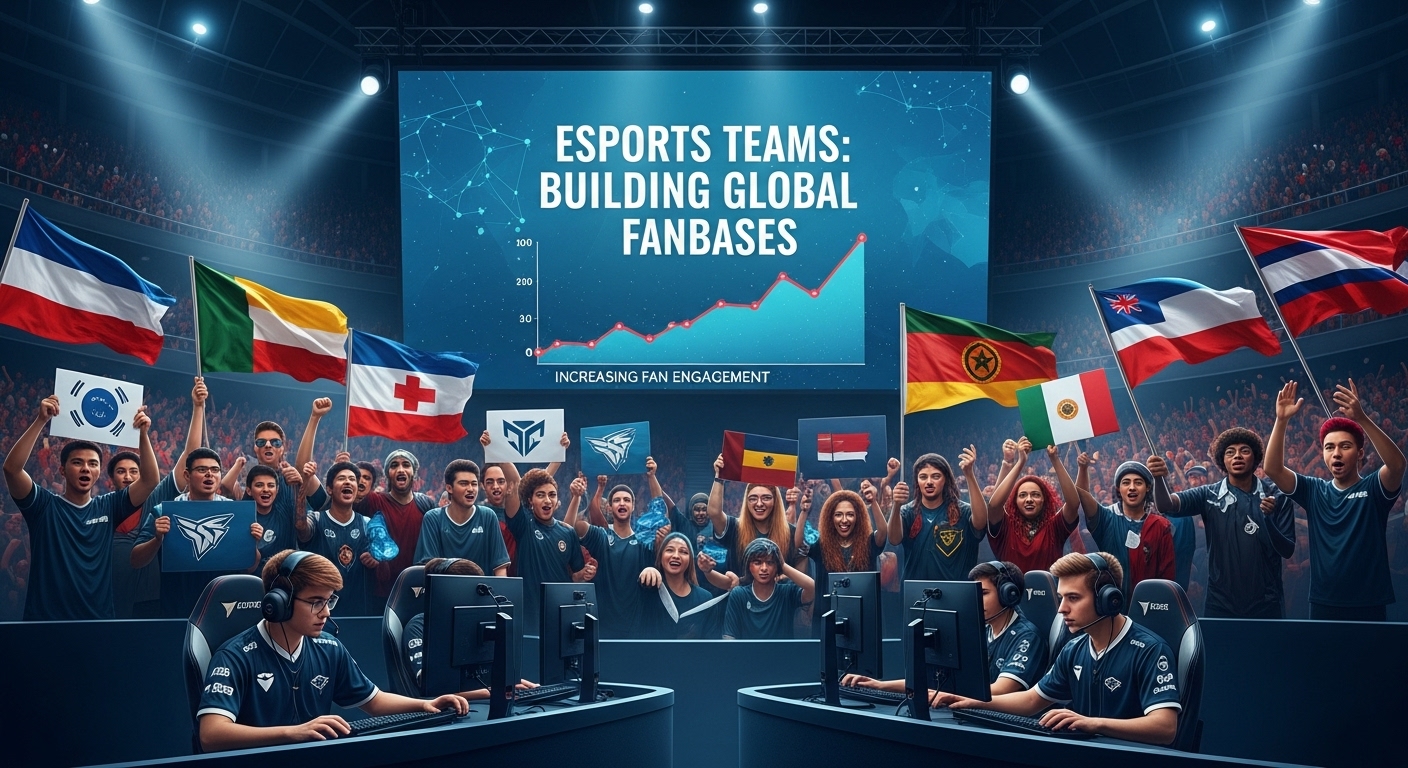
7. Fan Support and Brand Power
While fan support doesn’t directly win games, it creates an environment that contributes to dominance.
The Psychological Boost
Playing in front of a supportive crowd, whether online or in stadiums, boosts morale. Fans also provide motivation during tough seasons. Teams with massive fanbases—like T1, Fnatic, or Cloud9—enjoy this psychological edge.
Financial Backing
A large fanbase attracts sponsors and merchandise sales, giving organizations more resources to invest in infrastructure, training, and talent acquisition. The cycle of success fuels itself: strong performance builds fans, and fans fuel more resources for dominance.
8. Case Studies of Dominant Esports Teams
To understand dominance, let’s look at a few teams that have carved dynasties across different esports titles.
T1 (League of Legends)
Led by Faker, T1 has been a staple of dominance in League of Legends. Their combination of scouting young talent, strong coaching staff, and ability to adapt to metas has made them legends in the game.
Astralis (CS:GO)
Astralis redefined CS:GO by bringing structure, discipline, and innovation to the game. Their tactical approach and emphasis on team play allowed them to dominate tournaments for years.
OG (Dota 2)
OG made history by winning back-to-back The International championships. Their secret lay in creativity, trust, and an unshakable bond among players. They were fearless in trying unconventional strategies, often catching opponents off guard.
Team Liquid (Multiple Titles)
Team Liquid is one of the most versatile esports organizations, fielding competitive teams across several games. Their investment in infrastructure, talent, and global presence has kept them competitive at the top level for years.
9. The Business Side of Esports Dominance
Behind the gameplay lies a business model that fuels success.
Sponsorships and Partnerships
Dominant teams attract major sponsorships from brands ranging from tech companies to luxury goods. These partnerships provide stability and allow reinvestment in talent and infrastructure.
Expanding Into Multiple Titles
Many dominant organizations don’t limit themselves to one game. By fielding teams in multiple titles, they diversify risk and ensure brand longevity. For example, Fnatic competes in League of Legends, Valorant, and other major titles.
Global Branding and Merchandising
A strong brand identity ensures fan loyalty beyond wins and losses. Dominant organizations often build strong merchandising lines and maintain active social media presences to engage fans worldwide.
10. The Role of Luck and Timing
It would be unfair to ignore the role of luck and timing. Sometimes dominance comes from being in the right place at the right time.
Early Entry Advantage
Organizations that entered esports early often had a head start in building brands and fanbases. Teams like Fnatic, founded in 2004, had the advantage of being pioneers.
Patch Fortunes
Sometimes a game patch favors a team’s playstyle, giving them temporary dominance. While true dynasties transcend these moments, short-term dominance can often be linked to such favorable shifts.
11. Challenges to Sustaining Dominance
Even the most dominant teams eventually face challenges.
Roster Changes
As players retire or transfer, maintaining synergy becomes difficult. A legendary roster is hard to replace.
Rising Competition
The global growth of esports means new teams are constantly emerging with hungry talent and fresh strategies.
Burnout and Fatigue
High-pressure schedules and constant travel wear players down. Even dominant teams eventually feel the weight of burnout.
12. The Future of Esports Dynasties
As esports continues to grow, the way teams dominate may also evolve.
Increased Professionalism
The industry is moving toward more structured systems, similar to traditional sports. Expect more emphasis on sports science, mental health, and long-term player development.
Regional Powerhouses
Just as South Korea dominates in League of Legends and Europe has strong Dota 2 teams, future dynasties may form around regional expertise and culture.
AI and Data Analytics
Data-driven strategies will become even more important. Teams that harness AI analytics to predict trends, optimize drafts, and study opponents will gain an edge.
Conclusion
Dominance in esports leagues is never an accident. It’s the product of exceptional talent, structured training, brilliant coaching, strong organizational backing, adaptability, and a winning culture. While luck and timing can play roles, true dynasties are built on consistent excellence and innovation.
Teams like T1, Astralis, and OG have shown the world that dominance is achievable through preparation, resilience, and vision. Yet, as esports evolves, new challengers will always rise. The cycle of dominance will continue, making the industry endlessly exciting for players and fans alike.