Introduction to Esports
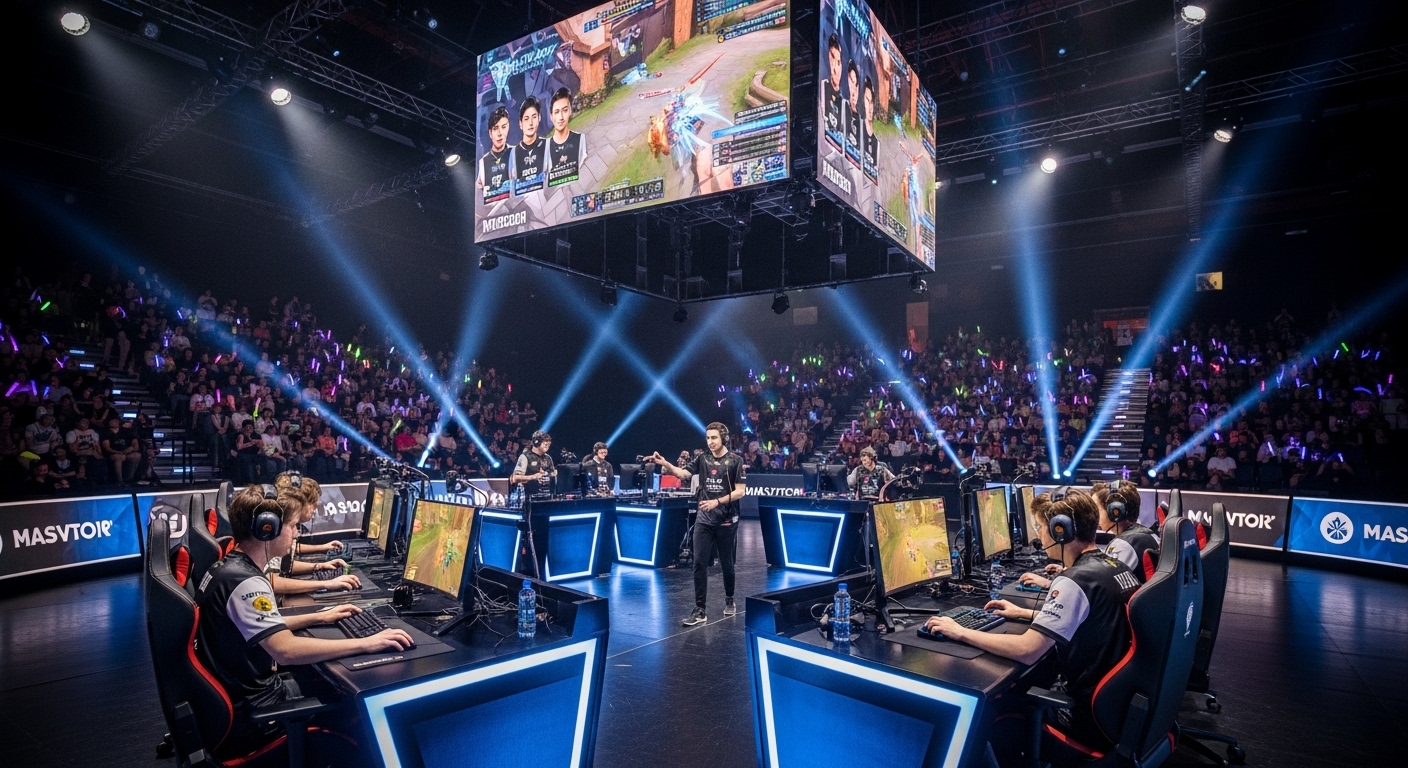
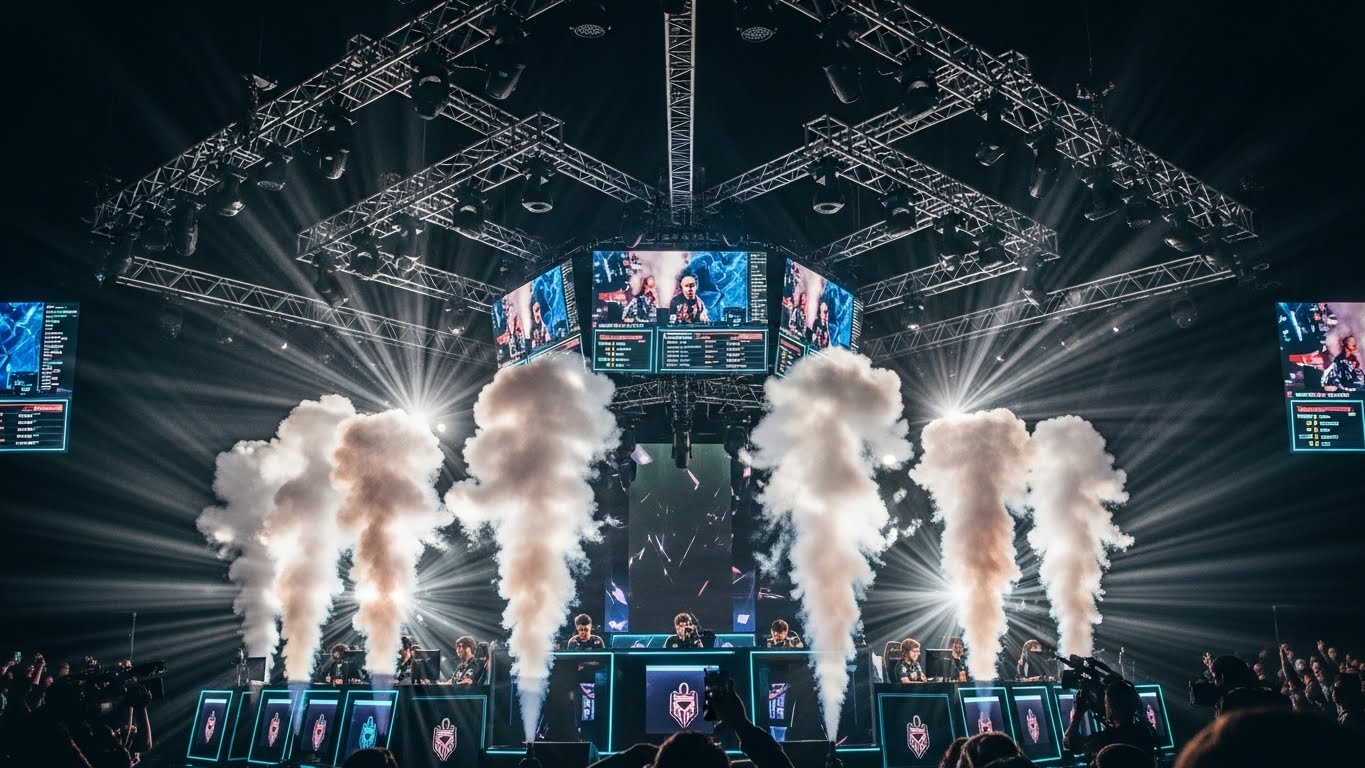
Esports, short for electronic sports, has emerged as one of the most transformative phenomena of the 21st century. What began as small-scale gaming competitions among friends or local communities has evolved into a global industry worth billions of dollars. Millions of players around the world now participate in organized video game tournaments, while millions more watch them live online and in stadiums. Esports represents a fusion of technology, entertainment, and competition unlike anything the world has seen before. It has redefined what it means to be an athlete, what counts as a sport, and how people connect through gaming culture.
The Origins and Early Days of Esports
The story of esports dates back to the 1970s when the first known video game competition took place at Stanford University in 1972. Students competed in the game Spacewar, marking what is often considered the first organized video game tournament. During the 1980s, the rise of arcade gaming introduced titles such as Pac-Man and Donkey Kong, which encouraged high-score competitions. Players would compete to get their names displayed on arcade leaderboards, which gave gaming a competitive edge even before the internet era.
The 1990s saw the birth of modern competitive gaming. With the advent of home consoles, local area network (LAN) parties, and online multiplayer capabilities, games like Doom, Quake, and StarCraft became early esports pioneers. South Korea in particular played a vital role in shaping the competitive gaming scene, with the government recognizing gaming as a legitimate industry and fostering the development of gaming infrastructure. This early commitment positioned South Korea as a global esports powerhouse.
The Rise of Professional Gaming
By the 2000s, esports began to gain serious recognition as a professional pursuit. Games like Counter-Strike, Warcraft III, and StarCraft II created the first generation of professional players and teams. Organizations began sponsoring players, and prize pools started to grow rapidly. The formation of structured leagues, such as the Cyberathlete Professional League (CPL) and the Electronic Sports World Cup (ESWC), helped formalize the competitive scene.
Esports also benefitted from the explosion of broadband internet, which allowed for smooth online play and global competition. Players could now face opponents from across the world without ever leaving their homes. Streaming platforms like Twitch and YouTube Gaming later became essential tools for broadcasting tournaments, making it easy for fans to watch live matches from anywhere.
Major Esports Titles and Genres
Esports covers a wide variety of game genres, each with its own unique style of play and fan base. Some of the most popular genres include first-person shooters (FPS), multiplayer online battle arenas (MOBA), battle royales, and sports simulation games.
FPS games such as Counter-Strike, Call of Duty, and Overwatch focus on precision, teamwork, and fast reflexes. MOBA titles like League of Legends and Dota 2 emphasize strategy, coordination, and long-term planning. Battle royale games, including Fortnite and Apex Legends, combine survival mechanics with large-scale combat, making them both thrilling to play and watch. Sports simulations like FIFA and NBA 2K appeal to fans who enjoy real-world sports but want a virtual competitive environment.
Each of these games has spawned professional leagues, tournaments, and dedicated fan communities. For instance, the League of Legends World Championship attracts millions of viewers every year, while The International, Dota 2’s premier event, often offers prize pools exceeding tens of millions of dollars.
The Role of Technology in Esports Growth
Technology has played a defining role in shaping the evolution of esports. High-speed internet, advanced gaming hardware, and sophisticated software have made competitive gaming accessible to a global audience. High-definition streaming platforms have allowed tournaments to reach millions of viewers, while social media enables players and fans to interact directly.
Artificial intelligence, cloud computing, and virtual reality are expected to push the boundaries of esports even further. AI can analyze gameplay to help players improve their performance, while VR could create entirely new types of competitive experiences that immerse both players and spectators. In addition, game developers now design titles specifically with esports in mind, ensuring balance, spectator-friendly mechanics, and competitive depth.
The Esports Ecosystem: Players, Teams, and Organizations
The esports ecosystem is built on several key components, including players, teams, organizations, tournament organizers, sponsors, and fans. Professional players dedicate countless hours to mastering their craft, often training eight to ten hours a day. Many live in team houses or training facilities where they practice strategies and develop coordination with their teammates.
Esports organizations act as both talent agencies and business enterprises. They provide players with salaries, equipment, coaching, and branding opportunities. Some of the biggest names in esports organizations include Team Liquid, Cloud9, FaZe Clan, and T1. These teams operate like traditional sports franchises, with player transfers, sponsorship deals, and merchandise lines.
Tournament organizers such as ESL, DreamHack, and Riot Games manage global events, ensuring professional standards and entertainment value. Sponsorships from major brands, including technology companies, beverage producers, and car manufacturers, have brought mainstream recognition and financial support to the industry.
Esports as a Career Path
A few decades ago, becoming a professional gamer seemed unimaginable. Today, esports offers a variety of legitimate career paths. Professional players can earn substantial income from tournament winnings, salaries, and endorsements. Streamers and content creators can build massive audiences by sharing gameplay and tutorials online. Beyond playing, there are opportunities in coaching, analytics, broadcasting, event management, and game development.
Colleges and universities around the world are now offering scholarships for esports athletes, similar to those given to traditional sports players. This educational support underscores the growing acceptance of esports as a legitimate pursuit. Moreover, younger generations view gaming as a viable professional goal, inspiring new talent to join the competitive scene.
The Global Popularity of Esports
Esports has transcended cultural and geographic boundaries. Asia, particularly South Korea and China, has been the driving force behind its early development, but North America and Europe have rapidly caught up. Major cities now host large-scale esports events in arenas filled with thousands of cheering fans.
Esports’ global reach is amplified by digital platforms that allow instant access to content. Fans from different continents can watch the same match live and engage in real-time discussions. This interconnectedness has made esports one of the most international and inclusive entertainment industries.
Countries such as the United States, China, Sweden, and Germany have established national esports associations, while governments in places like South Korea have recognized professional gamers as official athletes. Esports has even been included in events like the Asian Games and could potentially become part of the Olympic program in the future.
The Cultural Impact of Esports
Beyond the competition, esports has become a cultural movement. It influences fashion, music, and even education. Gaming personalities have become celebrities, with millions of followers on social media platforms. Esports events now feature live music performances, product launches, and fan experiences, blending gaming with mainstream entertainment.
Esports also fosters a sense of community and belonging. Many fans find connections and friendships through shared gaming interests. Online gaming communities allow people from different backgrounds to collaborate, communicate, and compete in a shared digital space. This cultural exchange is one of the reasons why esports has grown so rapidly worldwide.
Challenges Facing the Esports Industry
Despite its success, esports faces several challenges. One major issue is player burnout. The intense practice schedules and constant pressure to perform can take a toll on mental and physical health. Many professional gamers retire at a young age due to stress or repetitive strain injuries.
Another challenge is maintaining fairness and integrity. Issues such as cheating, match-fixing, and performance-enhancing software can damage the credibility of esports competitions. Developers and tournament organizers continue to implement strict anti-cheat measures and enforce ethical guidelines to preserve competitive integrity.
Monetization and sustainability also remain important topics. While top-tier players and teams earn significant income, lower-tier competitors often struggle financially. The industry must find ways to create balanced opportunities for players at all levels. Additionally, as esports becomes more commercialized, there is concern that the spirit of competition could be overshadowed by corporate interests.
The Role of Esports in Education and Skill Development
Esports is increasingly recognized as a tool for education and skill development. Competitive gaming encourages teamwork, communication, problem-solving, and strategic thinking. Schools and universities have started forming esports clubs and programs to engage students and teach valuable life skills through gaming.
Some educational institutions even use esports as a means to promote STEM learning. Understanding game mechanics involves aspects of coding, physics, and mathematics. Esports management programs teach students about marketing, event planning, and digital media. This integration of gaming into education helps legitimize it as both an academic and professional pursuit.
The Psychological and Social Dimensions of Esports
Esports not only tests physical reflexes and hand-eye coordination but also challenges mental fortitude. Players must manage stress, maintain focus, and adapt quickly under pressure. The mental game in esports is just as crucial as the mechanical skill. Sports psychologists are now a regular part of professional teams, helping players with performance anxiety and motivation.
Socially, esports offers a sense of belonging to individuals who may feel isolated in traditional environments. Online platforms provide spaces for people to share experiences, make friends, and build communities around shared interests. However, the industry also needs to address issues such as toxicity, harassment, and inclusivity to ensure a healthy environment for all participants.
Women in Esports
While esports has traditionally been male-dominated, women are increasingly making their mark. Female players, casters, and team managers are gaining recognition and breaking stereotypes. Initiatives and tournaments dedicated to women in gaming are helping to promote gender equality and create a more inclusive competitive environment.
The participation of women in esports not only enriches the diversity of competition but also inspires younger generations to pursue gaming without fear of discrimination. As more women enter the scene, the industry moves closer to a future where talent and skill are valued above all else.
The Future of Esports
The future of esports looks incredibly bright. The industry continues to attract investment from major corporations, sports franchises, and media networks. Technological innovations like augmented reality, blockchain, and metaverse gaming are expected to reshape the way people experience esports.
In the coming years, we may see hybrid tournaments that blend physical and digital spaces, offering immersive experiences for both players and fans. The integration of AI-driven coaching, data analytics, and performance tracking will further refine player development.
As traditional sports organizations invest in esports teams, the line between physical and digital competition will blur even further. Esports will likely continue to grow as both a professional industry and a cultural phenomenon, with potential to rival traditional sports in global influence and fan engagement.
Conclusion
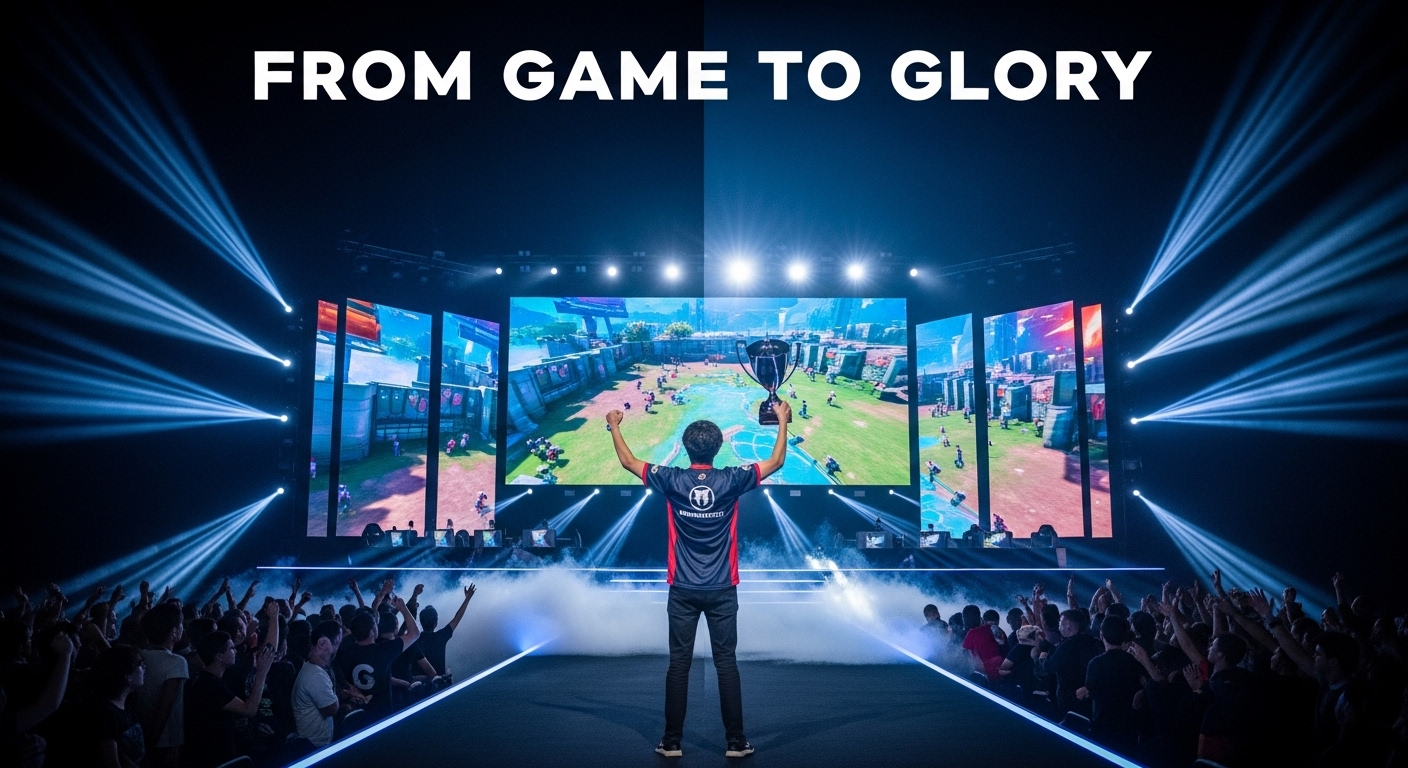
Esports has evolved from a niche hobby into a global industry that transcends entertainment, technology, and culture. It represents a new frontier of human competition and creativity. From humble beginnings in arcades and LAN parties to filling entire stadiums with fans, esports has proven that gaming is more than just play—it is passion, skill, strategy, and connection.
The journey of esports reflects the evolution of society itself—driven by innovation, community, and the universal desire to compete and connect. As the industry continues to mature, it will undoubtedly inspire new generations of gamers, creators, and dreamers who will shape the future of competitive play. Esports is not just the future of gaming; it is the future of global entertainment.