eSports: The Digital Battlefield Redefining Competition and Entertainment
The world of eSports has grown at a staggering rate over the past two decades, evolving from small, community-driven competitions into a global entertainment phenomenon. Professional gamers now compete for millions of dollars in prize money, leagues operate year-round, and fans around the world tune in to watch their favorite players and teams in action. This blog explores the rise of eSports, its structure, cultural impact, business dynamics, and what the future holds for this rapidly expanding industry.
Understanding eSports
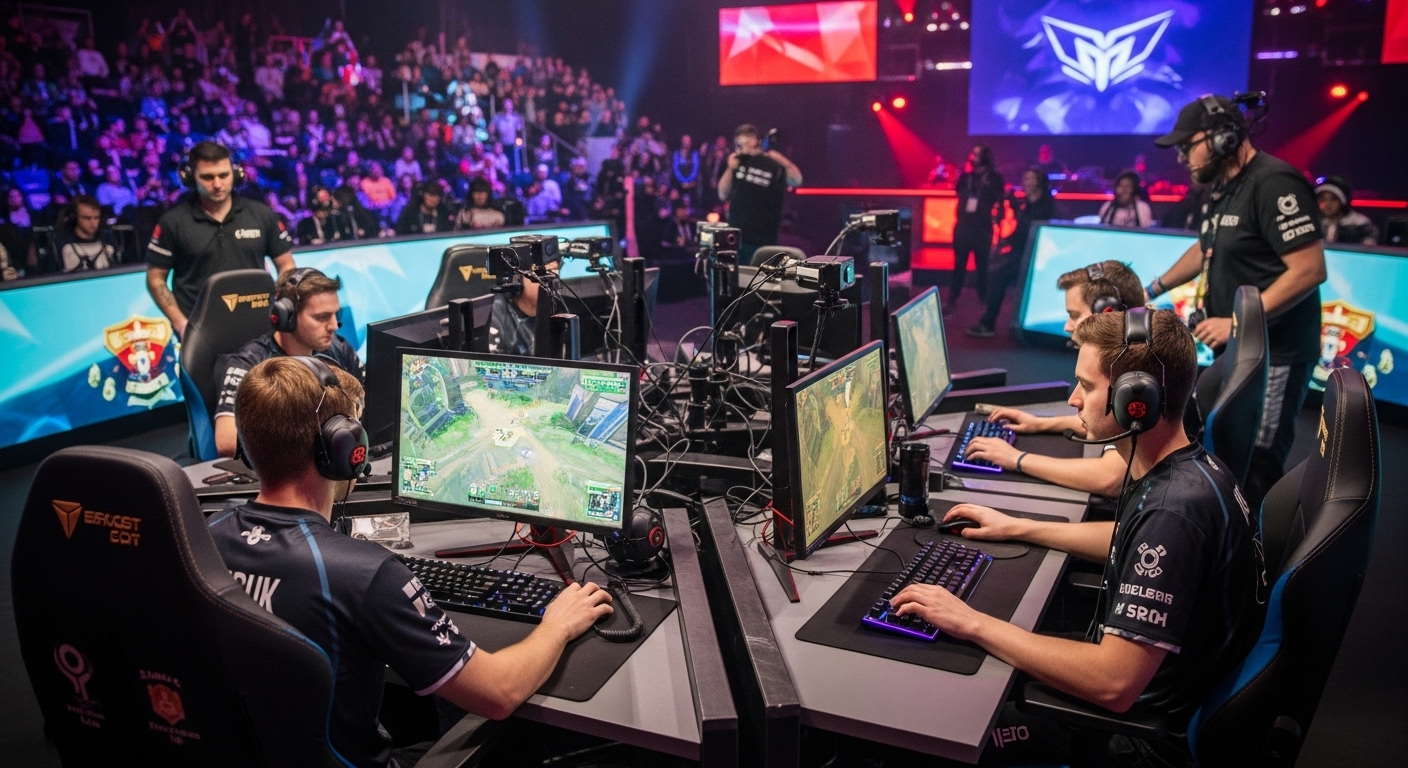
eSports, short for electronic sports, is organized competitive gaming where individuals or teams play video games at a professional level. Unlike casual gaming, eSports requires a combination of strategic thinking, lightning-fast reflexes, communication, and teamwork. Players dedicate countless hours to practice, perfecting their mechanics and strategies to compete at the highest level.
The popularity of eSports spans multiple genres. Multiplayer online battle arena games like League of Legends and Dota 2 dominate with team-based strategy and coordination. First-person shooters like Counter-Strike: Global Offensive and Overwatch emphasize precision, reaction time, and teamwork. Sports simulations like FIFA and NBA 2K attract players familiar with real-world sports while providing a digital twist. Card games and fighting games also maintain niche communities, showing that eSports appeals to a wide variety of competitive gamers.
The rise of online streaming platforms has transformed eSports from an underground activity into a mainstream form of entertainment. Millions of fans now watch live tournaments, stream gameplay, and engage with communities that celebrate their favorite teams and players.
The History and Evolution of eSports
eSports has a rich history that traces back to the earliest video games. In the 1970s and 1980s, competitive gaming existed primarily in arcades. High-score competitions and small local tournaments were the precursors to today’s massive global events.
The 1990s marked a turning point with the rise of personal computers, LAN parties, and multiplayer games. Titles like Quake, StarCraft, and Warcraft III created the foundation for professional gaming. The first notable tournaments attracted players from different regions and established the idea of organized competitive play. In South Korea, StarCraft became a cultural phenomenon, with professional players gaining celebrity status and televised matches drawing massive audiences.
The early 2000s saw the creation of formal leagues such as the Cyberathlete Professional League and the World Cyber Games. These organizations legitimized eSports as a structured competitive activity and encouraged international participation. The release of new games with competitive potential continued to drive the growth of tournaments worldwide.
By the 2010s, eSports had entered what many call its “Golden Age.” Streaming platforms allowed global audiences to watch competitions in real-time, and major sponsors invested in tournaments and professional teams. Prize pools reached millions of dollars, with events like The International in Dota 2 and the League of Legends World Championship attracting record-breaking audiences. The Golden Age also marked the rise of professional teams, structured leagues, and celebrity eSports players who became household names.
Structure of eSports: Teams, Leagues, and Tournaments
Professional eSports is organized across multiple layers, with teams, leagues, and tournaments forming the backbone of the competitive ecosystem.
Teams and Players
Teams are central to eSports, providing organization, training, and support for individual players. Teams often recruit top talent globally, offering salaries, coaching, and housing to maintain peak performance. Teams such as Team Liquid, Fnatic, Cloud9, and G2 Esports have become well-known brands, competing in multiple games and leagues.
Players dedicate their lives to mastering their chosen games, practicing for hours each day and analyzing strategies to gain an edge over competitors. The life of a professional eSports player mirrors that of traditional athletes, combining skill, discipline, and mental fortitude.
Leagues
Leagues provide structure and consistency to professional gaming, allowing teams to compete over a season rather than just a single tournament. Examples include the League of Legends Championship Series, Overwatch League, and Call of Duty League. These leagues feature regular matches, playoffs, and finals, creating a continuous competitive narrative for fans. Leagues also allow for sponsorship deals, media contracts, and fan engagement, which drive the growth of the industry.
Tournaments
While leagues dominate the yearly calendar, tournaments are the pinnacle of competition. International tournaments attract the best teams and players, offering multi-million-dollar prize pools and global recognition. The International for Dota 2 is famous for its crowdfunded prize pool, which has reached over forty million dollars in recent years. The League of Legends World Championship, CS:GO Major Championships, and Fortnite World Cup are also notable for their scale and impact.
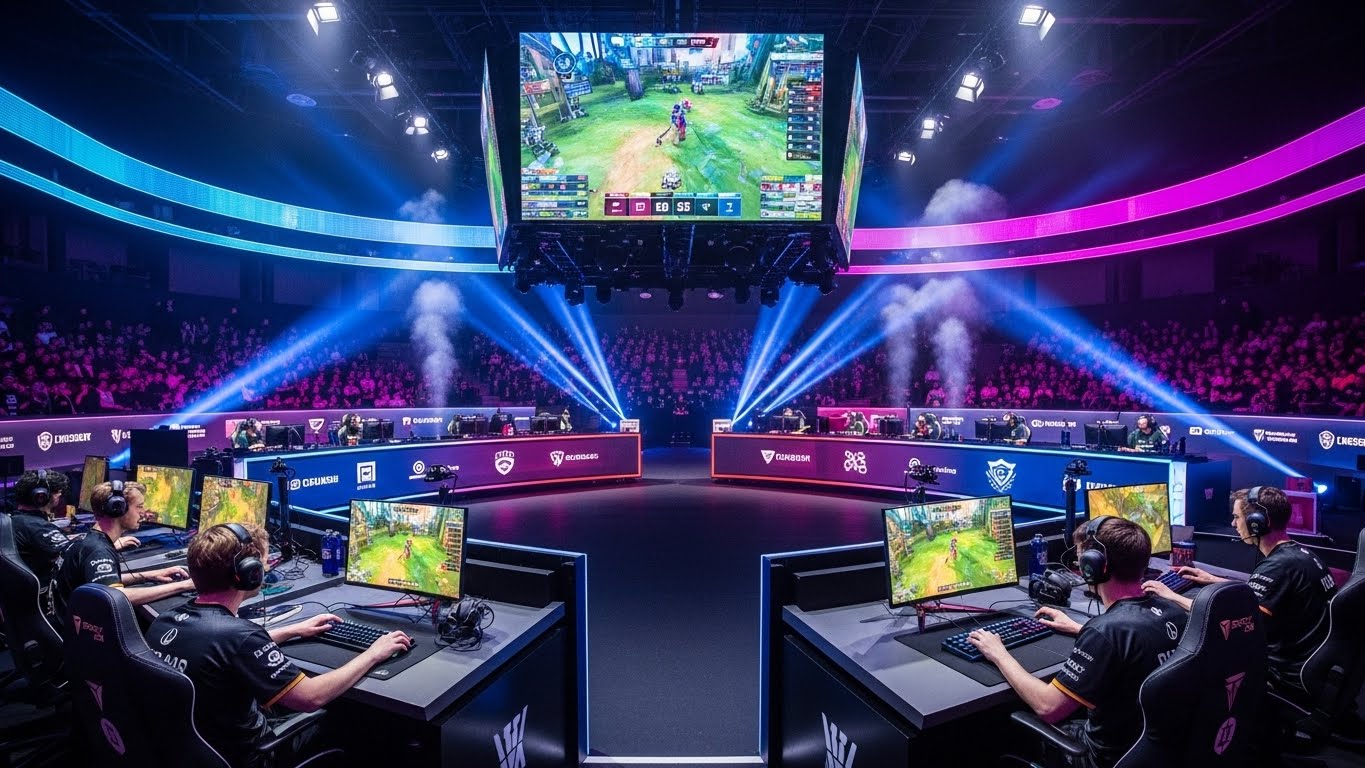
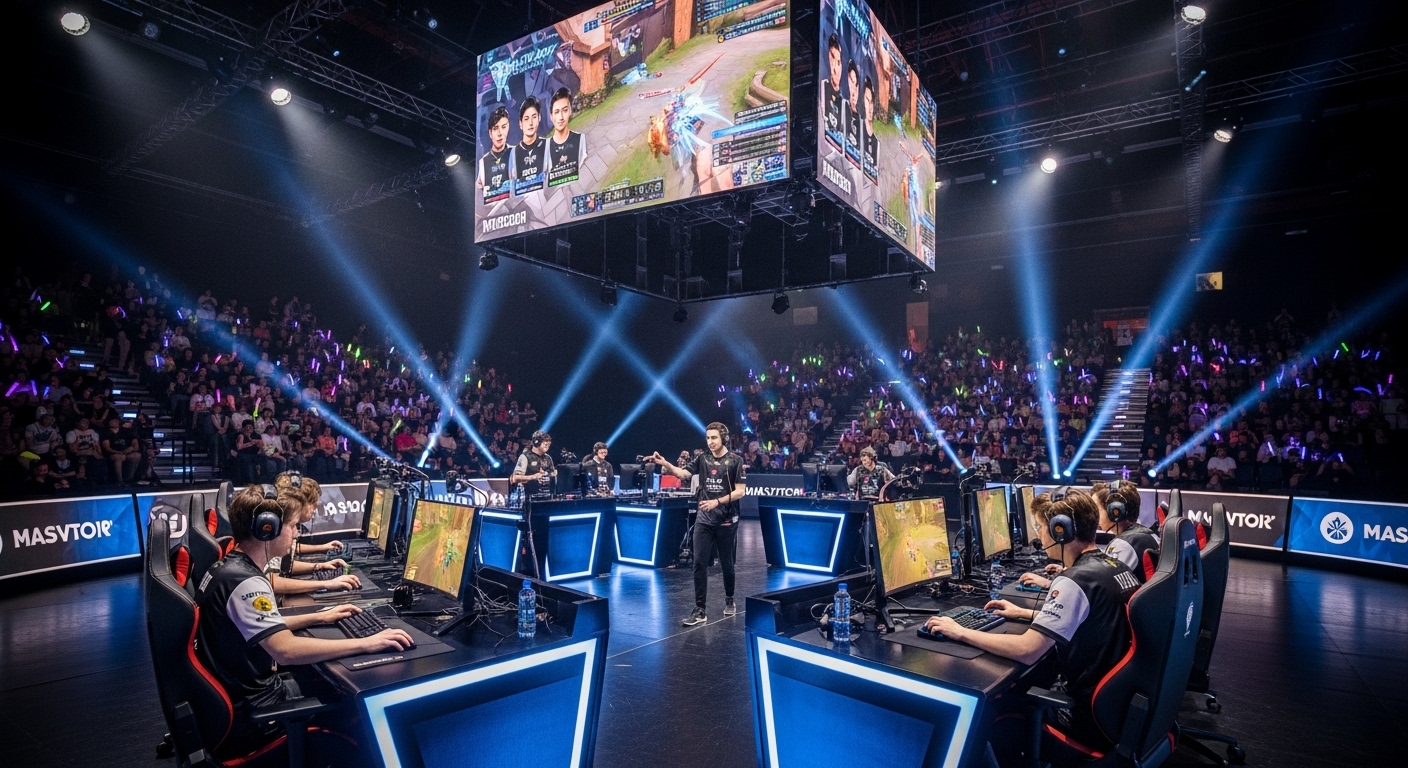
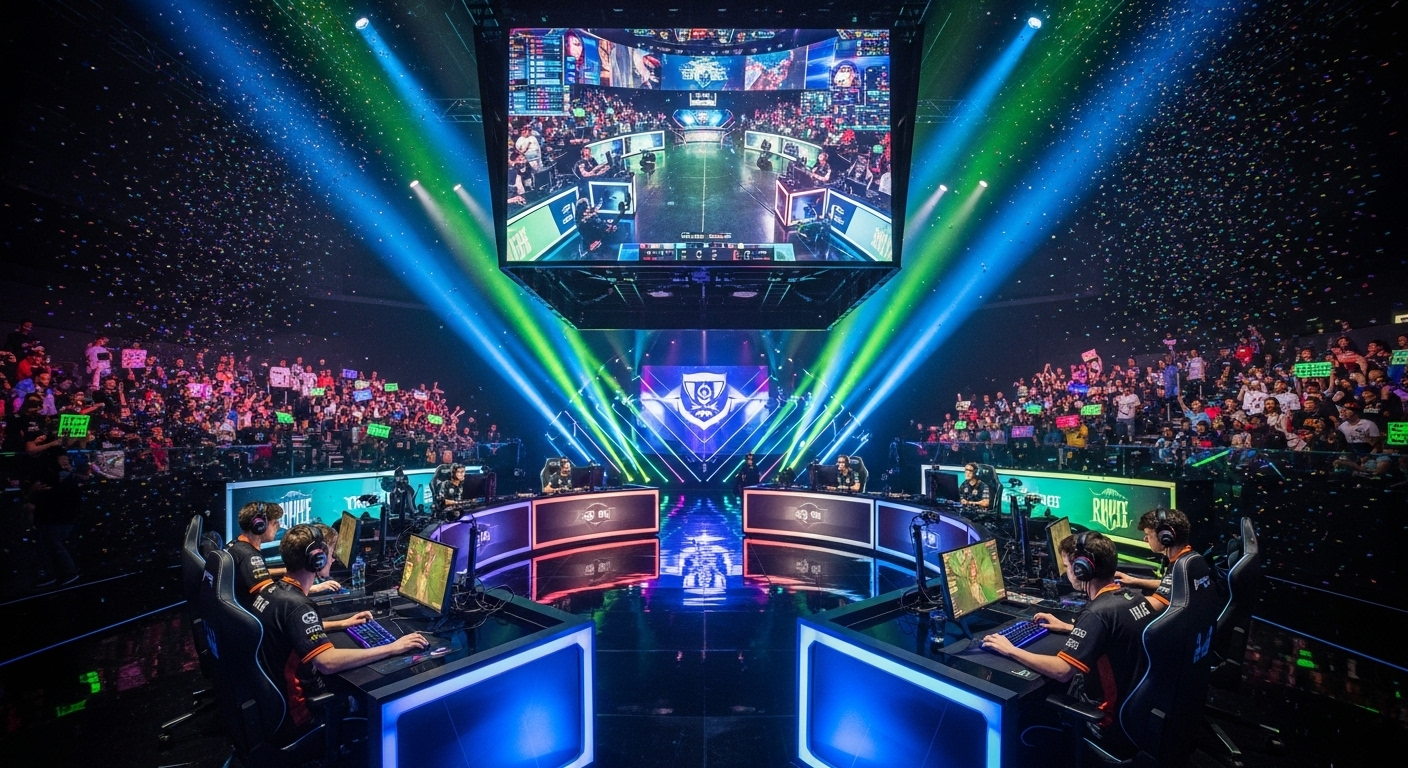
Tournaments are not just about competition; they are cultural events with live audiences, opening ceremonies, and high production value. Fans can experience the excitement of championship-level play in-person or online, fostering a deep sense of community and shared enthusiasm.
The Business of eSports
The financial ecosystem surrounding eSports is vast and multi-faceted, encompassing sponsorships, media rights, merchandise, and prize pools.
Sponsorship and Advertising
Sponsorships are a significant revenue source for eSports teams and tournaments. Companies across industries—including technology, food and beverage, apparel, and automotive—invest in eSports to reach a young, engaged audience. Brands like Intel, Coca-Cola, Red Bull, and Adidas have sponsored events, teams, and players, creating mutually beneficial partnerships.
Advertising on streaming platforms and during tournaments also generates substantial income. Live streams allow interactive advertising, which is more engaging than traditional broadcast ads. Fans can participate in giveaways, polls, and promotions, creating a direct connection between sponsors and the audience.
Streaming and Media Rights
Streaming has been one of the most transformative aspects of eSports. Platforms like Twitch, YouTube Gaming, and other live-streaming services allow fans to watch competitions, follow their favorite players, and engage with interactive content. Media rights deals are also becoming more common, with companies paying for exclusive broadcasting access to tournaments, similar to traditional sports.
Merchandise and Ticket Sales
Merchandise sales provide additional revenue streams. Fans purchase jerseys, caps, and branded equipment to support their favorite teams and players. Major tournaments and league events also sell tickets, providing fans with the opportunity to experience competitions live and contribute to the growth of the industry.
The Cultural Impact of eSports
eSports has reshaped the way society perceives gaming. Once seen as a hobby or pastime, competitive gaming is now recognized as a legitimate career path and a form of entertainment on par with traditional sports.
Professional players have become global celebrities. Athletes such as Faker from League of Legends, s1mple from CS:GO, and Ninja from Fortnite have millions of fans worldwide. Their influence extends beyond gaming, including endorsements, streaming revenue, and appearances at events.
Countries like South Korea and China have fully embraced eSports, incorporating it into mainstream media, education, and culture. Dedicated arenas, training facilities, and government-supported programs have made professional gaming a prestigious pursuit.
The global reach of eSports has also created a strong sense of community. Fans interact across borders, sharing strategies, participating in discussions, and celebrating achievements. Online forums, social media platforms, and streaming chats foster connections that unite diverse audiences around shared interests.
The Future of eSports
The future of eSports is incredibly promising. As technology advances, virtual reality and augmented reality could revolutionize both playing and viewing experiences. VR could allow spectators to feel immersed in the action, while AR could enhance real-time data and gameplay visualization.
Mobile eSports is another growing sector. Games like PUBG Mobile, Clash Royale, and Free Fire have introduced competitive gaming to mobile platforms, expanding access to global audiences. Mobile gaming tournaments are increasingly attracting large prize pools and international attention, demonstrating the potential for further growth.
The integration of eSports into education and mainstream sports also indicates a promising trajectory. Universities are now offering eSports scholarships, training programs, and academic courses, while discussions continue about including eSports in international multi-sport events.
The industry will continue to expand as technology, professionalization, and cultural recognition grow. The potential for new genres, innovative tournaments, and emerging players ensures that eSports will remain at the forefront of entertainment for years to come.
Conclusion
eSports has evolved from small local competitions into a global entertainment and professional industry. With structured teams, professional leagues, international tournaments, and a thriving cultural presence, it has proven that competitive gaming is more than just a pastime. It is an industry that blends skill, strategy, teamwork, and entertainment, reshaping how society engages with gaming and sports.
The growth of eSports shows no signs of slowing down. With technological advancements, global audiences, and continued investment, eSports will continue to redefine competition and entertainment for generations to come. From casual gamers to professional athletes, the digital battlefield is now a space where talent, passion, and innovation come together in ways previously unimaginable.