Esports has evolved from a niche pastime into a global phenomenon that entertains millions, generates billions in revenue, and shapes modern culture. Once considered a hobby for gamers, competitive gaming now rivals traditional sports in popularity, professionalism, and economic impact. In this blog, we explore the history, growth, technology, culture, and future of esports, examining why it has become an unstoppable force in the entertainment world.
The Origins of Esports: From Arcades to Online Arenas
Esports has humble beginnings that date back to the late 1970s and early 1980s, when video games started appearing in arcades. Early competitions, such as local tournaments for games like Space Invaders and Pac-Man, were small-scale and community-driven. They brought together enthusiasts eager to prove their skills and challenge their friends.
The 1990s introduced networked PC gaming, which allowed players to compete remotely, revolutionizing competitive gaming. Games like StarCraft, Counter-Strike, and Warcraft II became the foundation for modern esports. These titles emphasized strategy, teamwork, and fast reflexes, creating dedicated fan bases. South Korea emerged as a central hub, with professional gaming gaining mainstream attention and televised tournaments that showcased players as celebrities.
Global Expansion: Esports Goes Mainstream
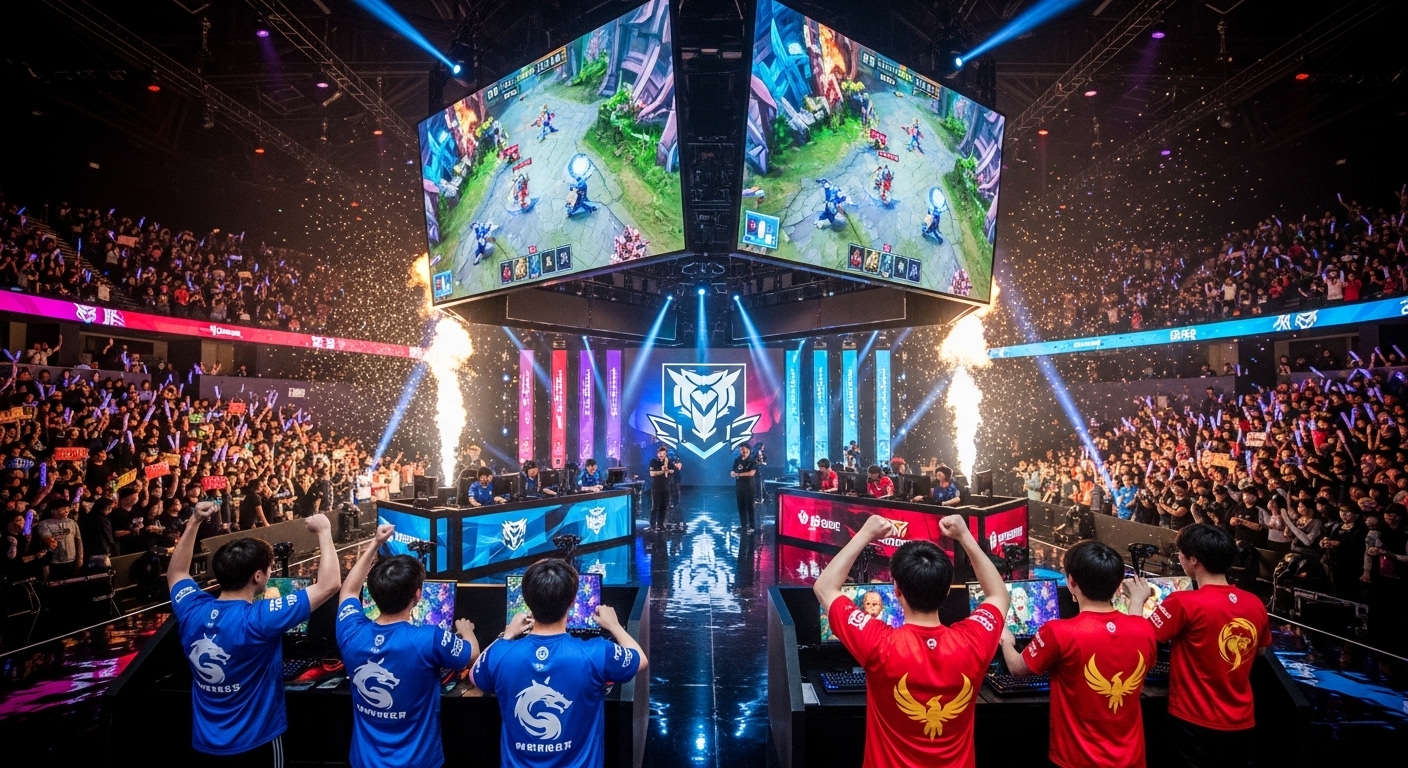
The 2010s marked the era when esports truly entered the global stage. With the rise of streaming platforms, professional leagues, and international tournaments, esports transformed from a hobby into a billion-dollar industry. Titles like League of Legends, Dota 2, and Overwatch attracted massive audiences, with tournaments offering multi-million-dollar prize pools that rival traditional sports events.
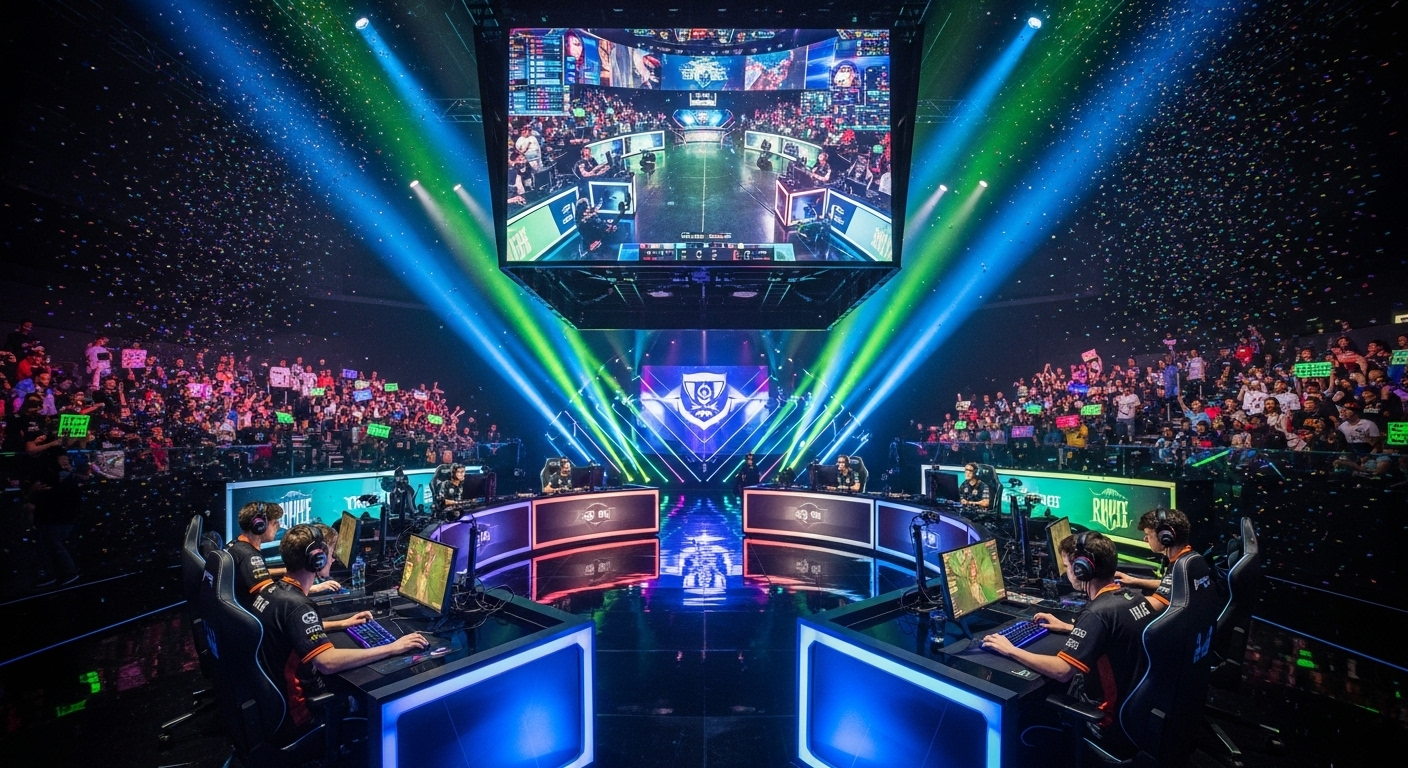
Esports’ global reach is unprecedented because of accessibility. Unlike conventional sports that require physical fields or equipment, esports can be played and watched online, connecting millions of players and fans worldwide. Large-scale arenas now host tournaments with thousands of spectators, while millions watch live streams from home. This accessibility has helped esports gain legitimacy, making professional gaming a recognized career path.
The Technology Powering Esports
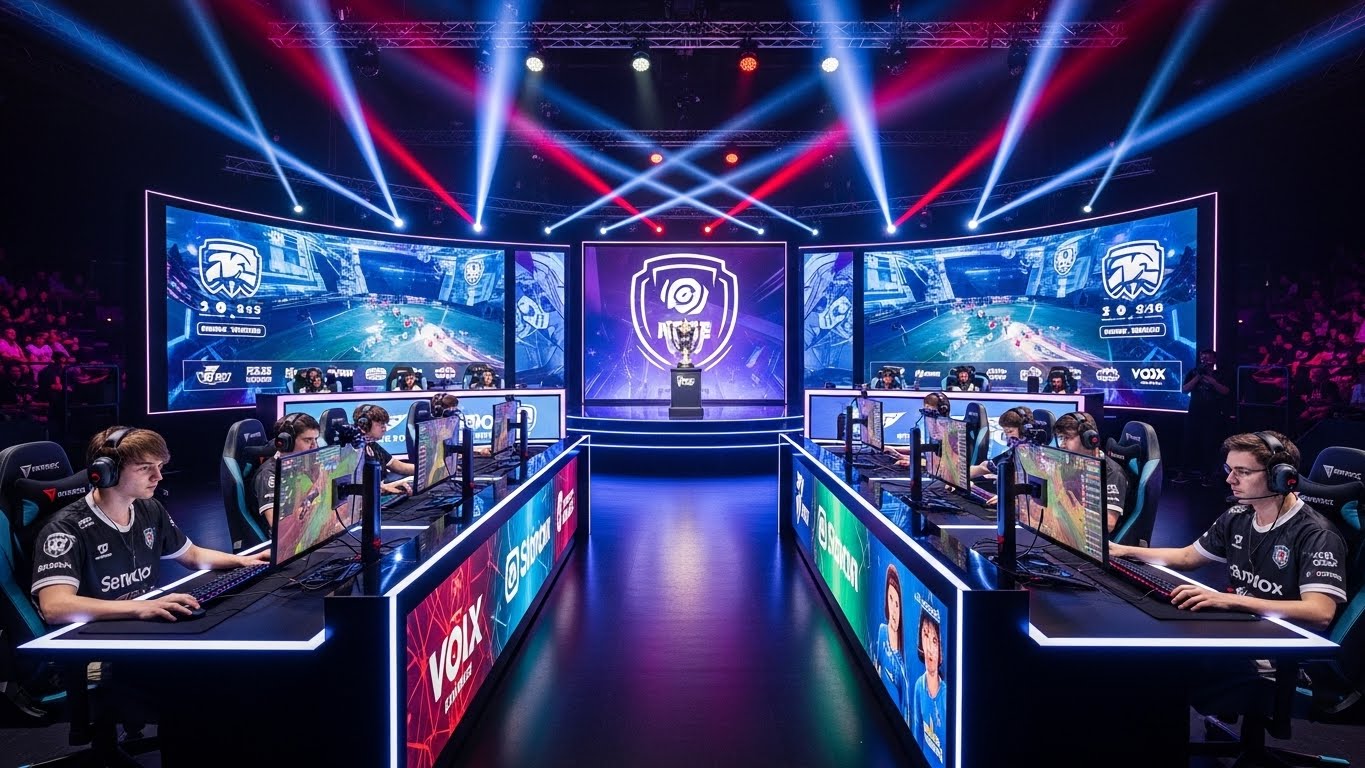
Esports’ growth is deeply intertwined with technological advancements. High-speed internet, powerful gaming PCs, consoles, and streaming platforms are essential to competitive gaming. Live streaming has created an interactive experience, allowing fans to engage with commentators, follow their favorite teams, and participate in virtual communities.
Game development technology is also crucial. Developers design competitive games to be balanced, fair, and engaging, constantly updating them to maintain excitement. Features like spectator modes, replay systems, and matchmaking algorithms enhance the competitive experience. The synergy between gaming technology and broadcasting has transformed esports into a fully immersive form of entertainment.
The Business of Esports: Revenue and Career Opportunities
Esports has become a thriving business ecosystem, encompassing team sponsorships, merchandise, advertising, media rights, and tournaments. Professional teams earn revenue through corporate sponsorships, partnerships, and tournament winnings. Brands see esports as an opportunity to reach a young, tech-savvy audience that traditional media often struggles to engage.
Media rights deals have become increasingly significant. Streaming platforms and broadcasters pay for exclusive rights to air tournaments, while social media amplifies fan engagement. The industry supports careers beyond players, including coaches, analysts, event organizers, marketers, and content creators. This professionalization has solidified esports as a sustainable and lucrative sector.
Cultural Impact: Gaming as a Lifestyle
Esports is more than just playing games; it has become a cultural movement. Professional gamers are celebrated as celebrities, with fan followings rivaling traditional athletes. Gaming conventions, cosplay, and fan art showcase the creativity and enthusiasm of the community, while esports content influences music, fashion, and social trends.
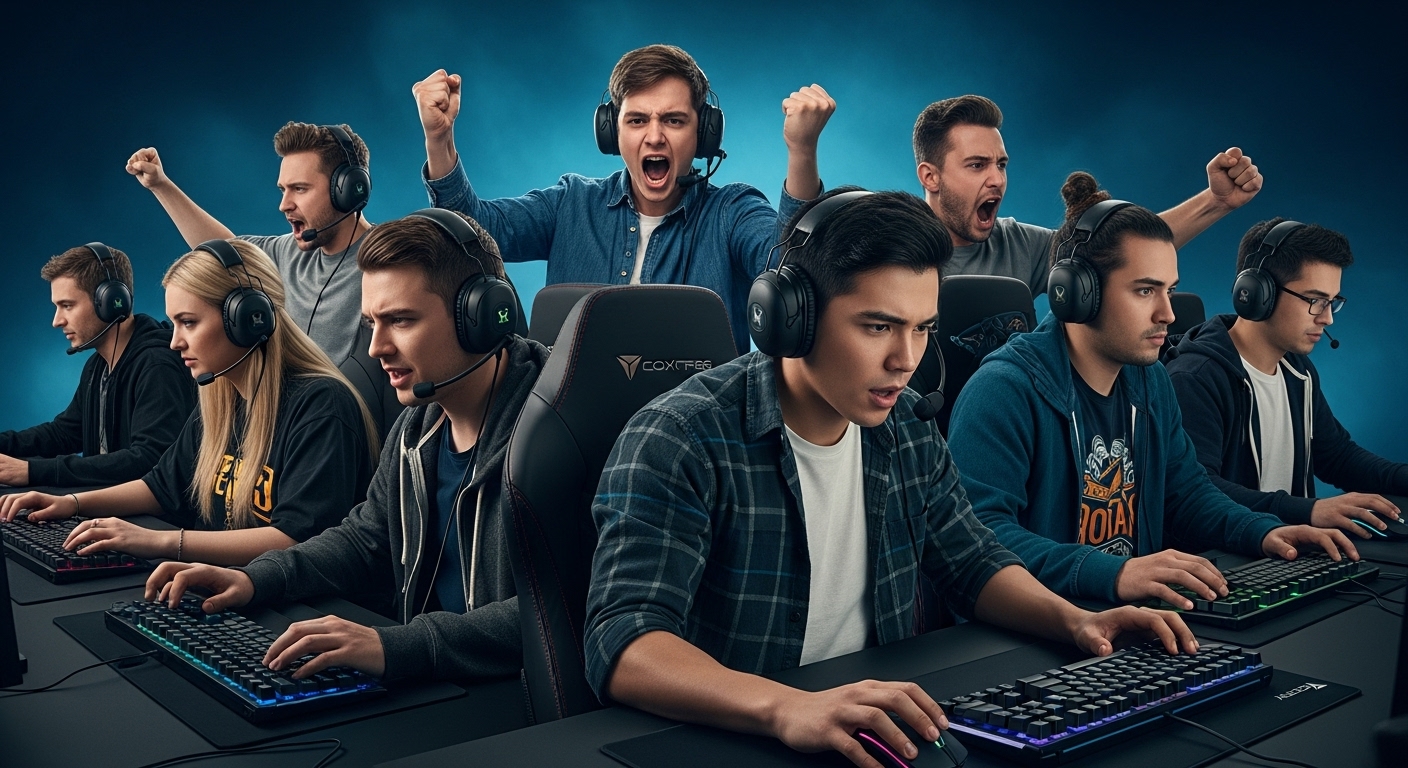
Online multiplayer games foster teamwork, strategy, and communication, helping players develop transferable skills. Esports communities offer a sense of belonging, enabling fans to connect with others who share their passion. This cultural influence extends beyond gaming, impacting youth culture, entertainment, and social interaction worldwide.
Challenges in Esports: Health, Burnout, and Regulation
Despite its popularity, esports faces several challenges. Professional players often endure long hours of practice, intense pressure, and sedentary lifestyles, which can lead to physical and mental health issues. Repetitive strain injuries, eye strain, anxiety, and burnout are common concerns. Organizations are addressing these issues through structured training schedules, fitness programs, and mental health support.
Regulation is another challenge. Ensuring fair play, preventing cheating, and maintaining integrity are essential for the credibility of esports. Governing bodies, developers, and tournament organizers must collaborate to establish rules, enforce standards, and protect players’ rights. Career longevity is also a concern, as esports careers can be shorter than traditional professions, requiring forward-thinking planning and alternative opportunities.
Women in Esports: Breaking Stereotypes
Esports has traditionally been male-dominated, but that is changing. Female gamers are increasingly entering professional leagues, competing at high levels, and gaining recognition. Initiatives promoting gender diversity and inclusion are creating more opportunities for women in esports, both as players and content creators.
Representation is crucial. A more inclusive environment fosters creativity, innovation, and broader engagement. As more women join esports, the community benefits from diverse perspectives and strategies, ultimately strengthening the industry.
The Future of Esports: Innovation and Growth
The future of esports is full of possibilities. Emerging technologies like virtual reality (VR) and augmented reality (AR) may redefine how games are played and experienced. VR esports could offer fully immersive competitions, while AR could blend gaming with real-world environments. Artificial intelligence may enhance coaching, broadcasting, and in-game analytics, making esports more interactive and accessible.
Global expansion is another key trend. Esports is growing rapidly in regions such as Southeast Asia, South America, and Africa, where gaming communities are thriving. Mobile esports is gaining prominence, enabling more players to participate without high-end equipment. As infrastructure and accessibility improve, regional tournaments and grassroots leagues will continue to flourish alongside global competitions.
Education and Careers in Esports
Esports is creating new educational and career opportunities. Universities and institutions are offering courses, degrees, and scholarships focused on esports management, game design, and broadcasting. Careers extend beyond playing professionally to roles such as coaching, analysis, content creation, marketing, and event management.
Skills developed through esports—strategic thinking, teamwork, communication, and adaptability—are transferable to other fields. This professionalization highlights esports as a viable and respected career path, allowing individuals to combine passion with opportunity.
Conclusion: Esports as a Cultural and Economic Force
Esports has evolved from a niche hobby into a global entertainment and cultural powerhouse. It represents a convergence of technology, creativity, and community, offering experiences that traditional sports cannot replicate. While challenges such as health, regulation, and career longevity remain, esports continues to innovate and expand, inspiring millions of players and fans worldwide.
The industry is shaping a new era of entertainment where digital competition, fan engagement, and professional careers coexist. By fostering inclusivity, ethical practices, and technological advancement, esports will continue to grow, redefining what it means to compete, connect, and succeed in the modern world. The esports revolution is far from over, and the opportunities it presents are limitless for those willing to embrace the game.