Esports has moved from casual gaming to a global phenomenon, transforming the way people play, watch, and engage with video games. It has become a professional arena where skill, strategy, and teamwork matter just as much as in traditional sports.
The Birth of Competitive Gaming
Esports began as small-scale tournaments in local communities and online forums. What started with friends competing in games for fun quickly grew into organized competitions with professional rules, sponsors, and fan followings. Titles like first-person shooters, real-time strategy games, and multiplayer online battle arenas became the foundation for competitive gaming, turning hobbyists into elite digital athletes.
Professional Players: The New Athletes
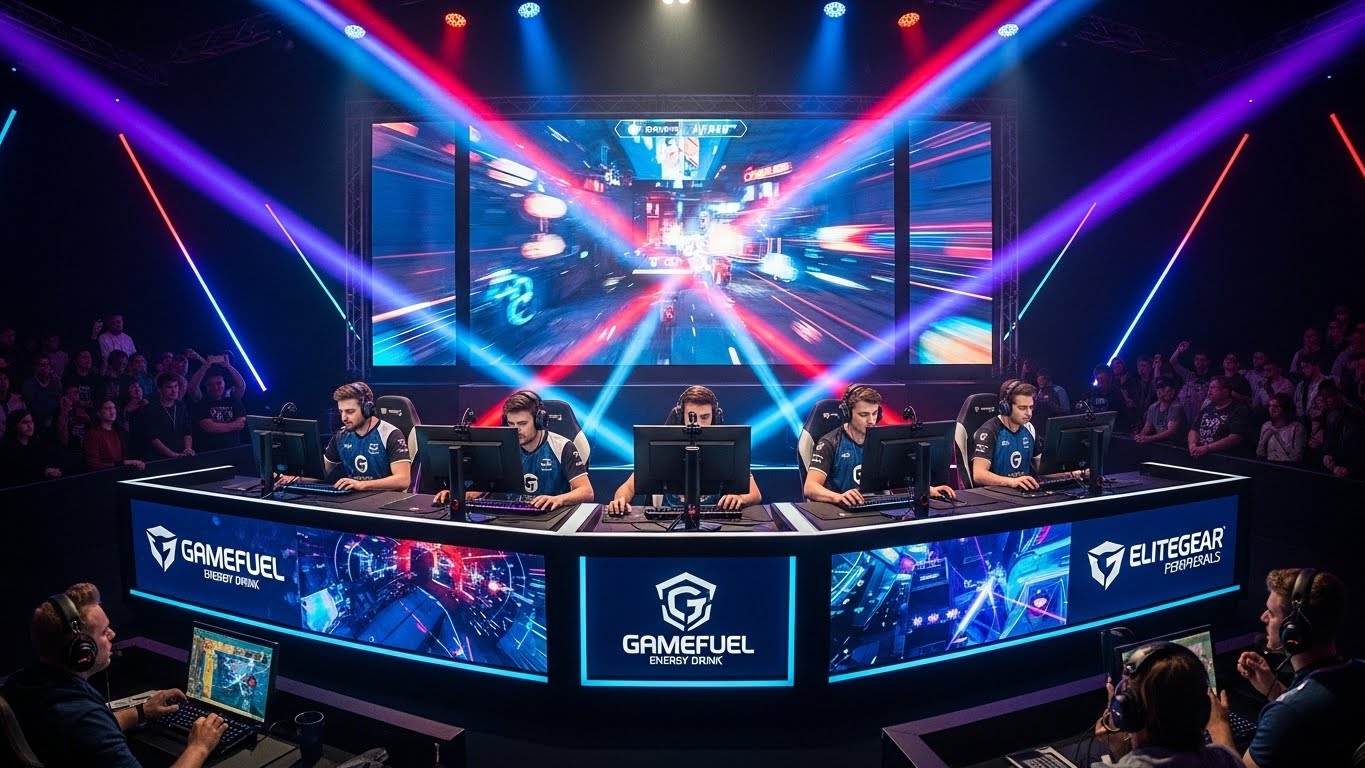
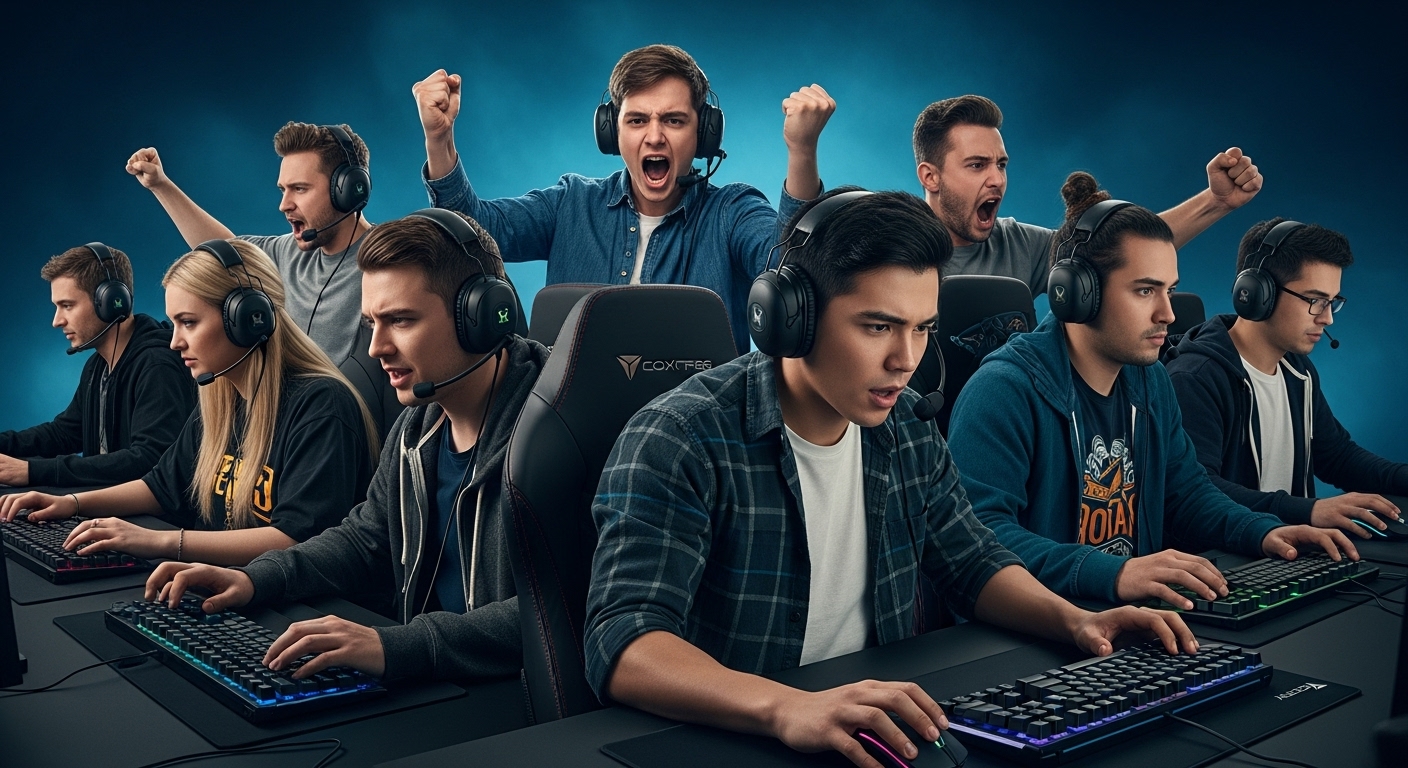
Professional esports players train rigorously, often dedicating more than eight hours a day to practice. Their routines involve strategy analysis, reflex improvement, and teamwork exercises. Like traditional athletes, they rely on coaches, analysts, and support staff to maintain peak performance. Recognition comes in the form of sponsorships, tournaments, and global fanbases, showing that esports demands discipline, precision, and mental resilience.
Major Tournaments and Global Spectatorship
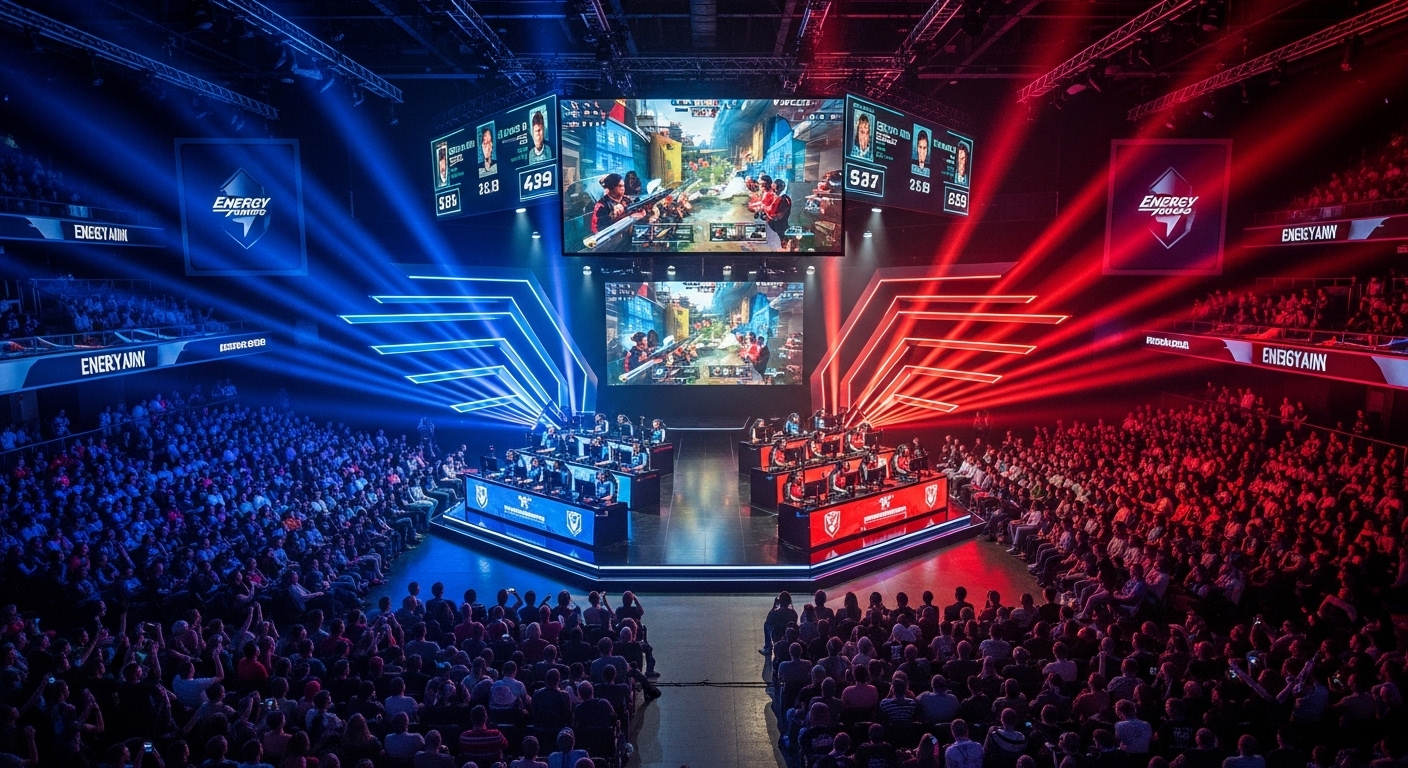
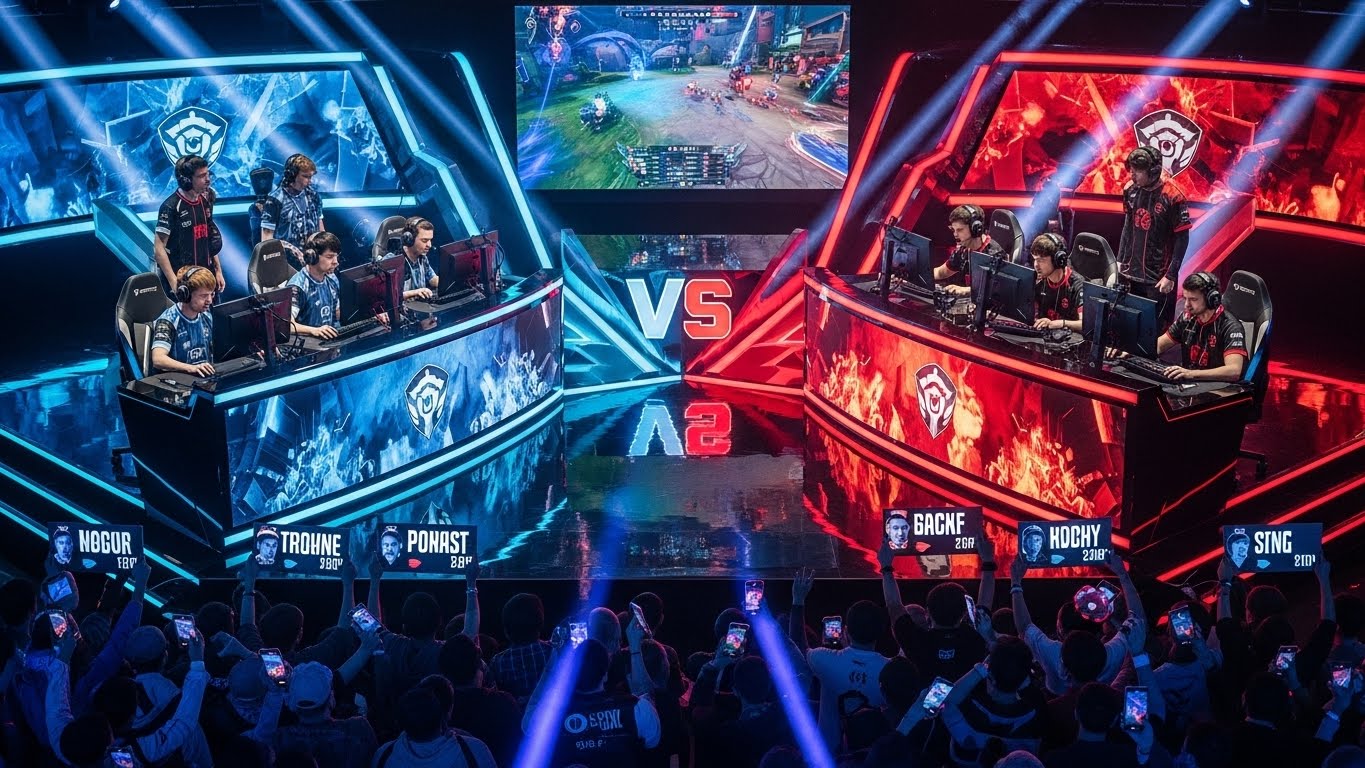
Esports tournaments now attract millions of viewers worldwide. Fans watch live streams, attend massive arena events, and cheer for their favorite teams. International competitions bring together players from different countries, fostering rivalry and camaraderie. The excitement of fast-paced matches, unpredictable strategies, and last-minute comebacks has turned esports into mainstream entertainment on par with traditional sports.
The Economic Impact of Esports
The esports industry has grown into a multi-billion-dollar market. Revenue comes from sponsorships, advertising, ticket sales, and merchandising. Streaming platforms and content creation also contribute significantly. Beyond revenue, esports has created jobs in event management, media production, coaching, and marketing, proving its role as a major economic and cultural force in the digital era.
Technology: The Engine Behind Esports
Esports relies heavily on technology. High-performance computers, fast internet, and advanced gaming hardware make competitive play possible. Streaming platforms allow millions to watch matches live, while performance analytics help players improve. Emerging technologies such as virtual reality and cloud gaming promise to enhance the esports experience, making it more immersive and accessible for players and fans alike.
Cultural and Social Influence
Esports is shaping culture and social interaction. Online communities, fan clubs, and streaming personalities create spaces where people connect, share strategies, and celebrate achievements. Esports has also influenced music, fashion, and media, blurring the lines between digital culture and mainstream entertainment. It has become a platform where people from different backgrounds unite through shared passion.
The Future of Esports
Esports is only set to grow. Schools and universities are introducing esports programs, while traditional sports franchises invest in professional teams. With technological advancements and expanding audiences, competitive gaming is poised to become a long-lasting part of global culture. Esports is no longer just about gaming; it is about skill, community, and the thrill of competition in the digital age.