The Evolution of Esports: A Comprehensive Look at the Rise of Competitive Gaming
Introduction
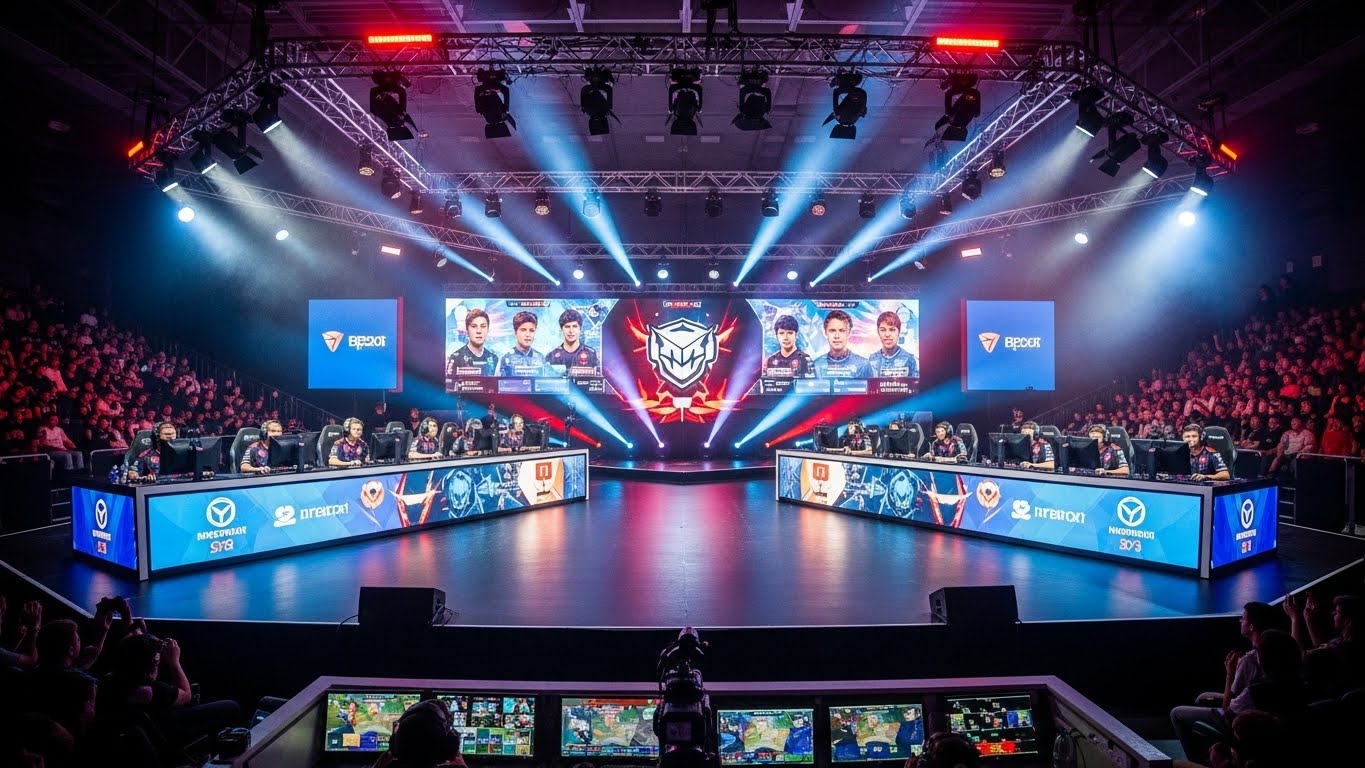
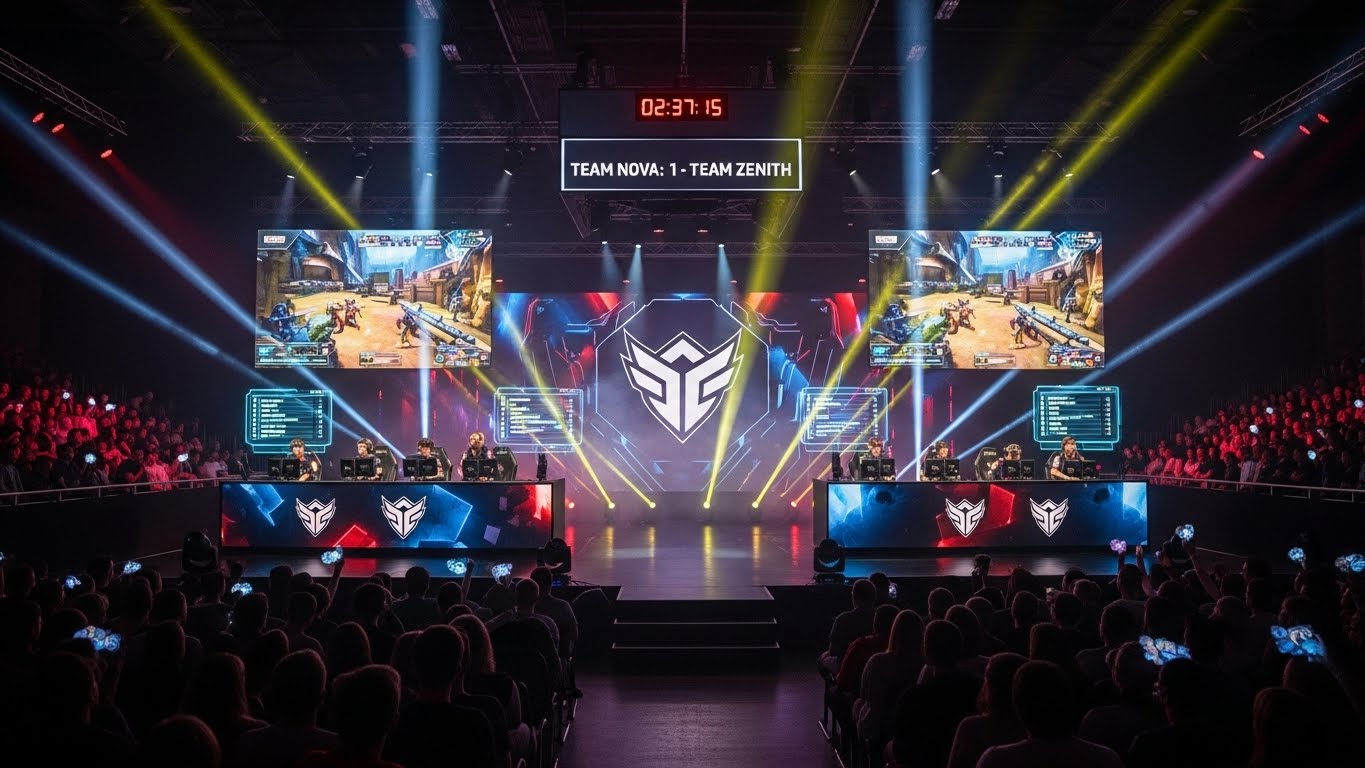
In the past few decades, Esports, or electronic sports, has exploded from a niche hobby into a global phenomenon. What was once a pastime for a select group of gamers has now become a multi-billion-dollar industry, attracting millions of viewers worldwide. Whether you’re watching a League of Legends championship, a thrilling Overwatch match, or the intense action of Counter-Strike, Esports offers a competitive and immersive experience unlike any other.
This blog post will delve into the history, growth, and future of Esports, exploring how gaming became a professional sport, its impact on the world, and what lies ahead in this dynamic industry.
What is Esports?
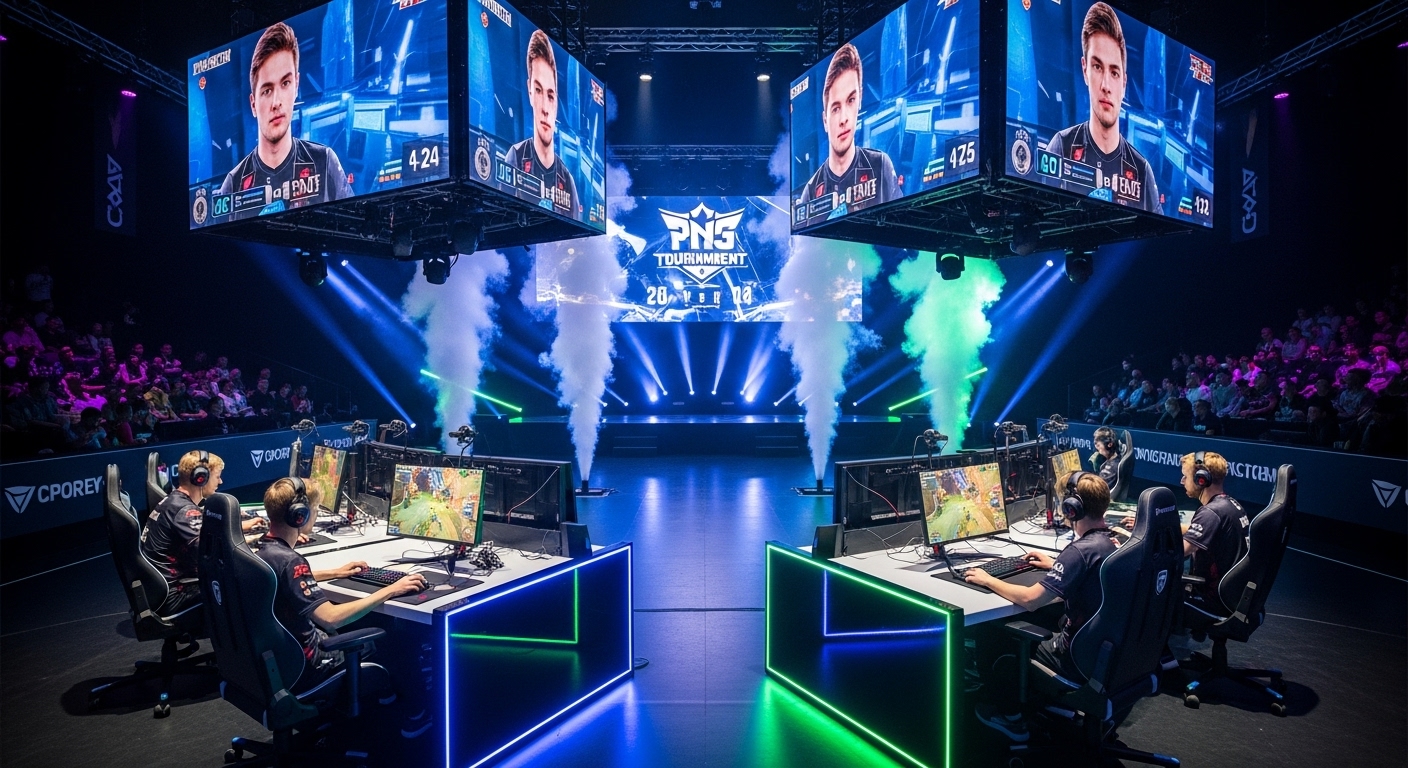
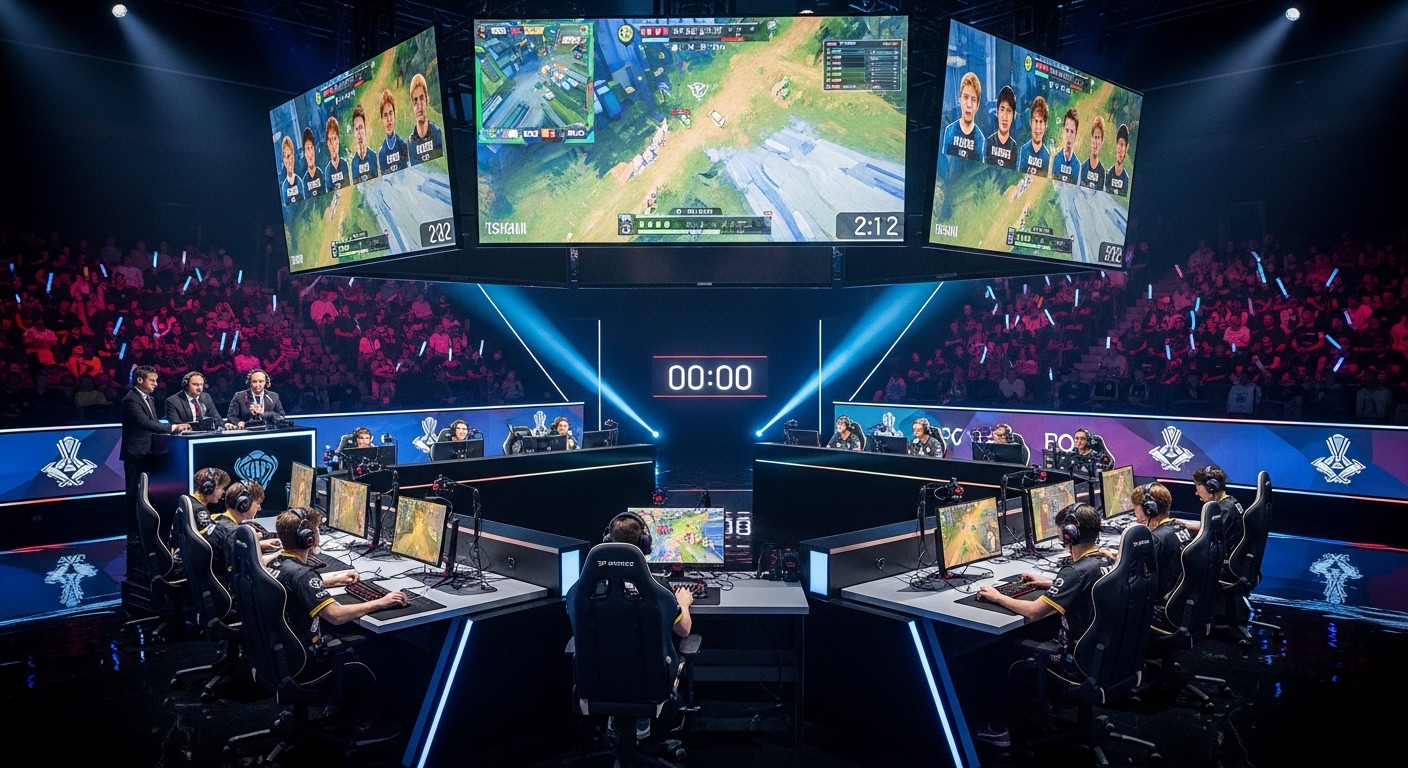
At its core, Esports refers to organized, multiplayer video game competitions, particularly between professional players, individually or as teams. While it may sound like just another gaming event, Esports differs significantly from casual gaming. It involves players who train and compete at a high level, often for substantial cash prizes, sponsorships, and international recognition. Esports is more than just a game – it’s a career for many.
From massive tournaments like The International (Dota 2) to regional competitions, Esports is rapidly becoming one of the largest forms of entertainment in the world. Competitive gaming features various genres, including real-time strategy games, first-person shooters, and multiplayer online battle arena (MOBA) games, each with its own vibrant community of players and fans.
The Origins of Esports
The journey of Esports begins in the late 1990s and early 2000s when competitive gaming tournaments began to take shape. One of the first major milestones in Esports history was the release of StarCraft in 1998. This real-time strategy game introduced players to a new level of tactical depth and complexity, providing the perfect foundation for competitive play.
In the late ’90s and early 2000s, online multiplayer gaming platforms such as Battle.net and Kali allowed players from all over the world to compete against one another. Early Esports events were small-scale, but they planted the seeds for what would later become a massive industry. Games like Quake, Warcraft III, and Counter-Strike helped foster the growth of Esports, with tournaments like the World Cyber Games and Electronic Sports World Cup drawing international attention.
The early 2000s saw a more significant effort to organize Esports tournaments, and the creation of dedicated teams and leagues became a reality. This was the period when sponsorships started becoming more common, and players began to gain recognition for their skills, with major media outlets beginning to cover Esports events.
The Rise of Esports as a Global Phenomenon
The real breakthrough for Esports occurred in the mid-2000s, with games like League of Legends, Dota 2, StarCraft II, and Counter-Strike: Global Offensive dominating the competitive scene. The rise of platforms like Twitch in 2011 played a crucial role in the growth of Esports, allowing fans to watch live streams of their favorite players and teams from the comfort of their own homes.
Twitch revolutionized the way people engaged with gaming, offering not just gameplay but also commentary, analysis, and even player interactions. As the platform grew in popularity, so did Esports, with major events drawing millions of viewers and the prize pools growing exponentially.
In 2014, Valve‘s Dota 2 broke the internet with its The International tournament, offering an unprecedented prize pool of over $10 million. The massive prize, combined with the intense competition and large audience, helped solidify Dota 2’s place as one of the premier Esports titles.
Around this time, other games like League of Legends, Overwatch, Fortnite, and Call of Duty were establishing their own Esports ecosystems, with franchises and organizations forming their professional leagues, creating even more opportunities for players and teams to thrive.
The Growth of Esports Infrastructure
As Esports gained more traction, significant investments poured into the industry. Traditional sports organizations, such as the Dallas Cowboys and Manchester City, began investing in Esports teams and infrastructure. This led to the creation of dedicated Esports arenas and training facilities, further professionalizing the competitive scene.
One of the most significant moves in this direction came in 2018, when Activision Blizzard launched the Overwatch League, a city-based professional league inspired by traditional sports leagues. The Overwatch League provided a model for other games, offering a long-term, sustainable path for professional players, teams, and fans to follow.
In addition to the infrastructure, broadcasting networks like ESPN, TBS, and NBC Sports began to broadcast Esports events. Major companies, such as Coca-Cola, Intel, and Red Bull, also became sponsors, offering substantial support for tournaments and events.
Esports as a Career
With the growth of Esports, many players are now able to make a living through sponsorships, tournament prizes, and streaming. Professional Esports players can earn salaries, bonuses, and a variety of perks, making it a viable career for many.
Training for Esports is no different from other professional sports. Players train for hours each day, developing their skills, communication, and team dynamics. Esports organizations employ coaches, analysts, psychologists, and support staff to help their players perform at their best. Just like traditional athletes, Esports players undergo rigorous training regimens to maintain peak performance.
In addition to competing, many professional players also make money by streaming their gameplay on platforms like Twitch and YouTube Gaming, where they can earn revenue from subscriptions, donations, and ads. Many also leverage their massive followings to land brand deals and sponsorships, further contributing to their income.
The Esports Audience
Esports has a massive global audience, and its appeal is not limited to a specific demographic. According to a 2021 report by Newzoo, the global Esports audience reached over 474 million people, with a large portion of viewers coming from Asia and North America. This growth has been fueled by the rise of live streaming platforms like Twitch, YouTube, and Facebook Gaming, where fans can watch their favorite players and teams in real-time.
What makes Esports unique is the level of engagement it has with its audience. Fans don’t just watch; they actively participate in the experience. Esports events are highly interactive, with live chats, voting systems, and real-time statistics making the viewing experience more engaging. Additionally, the rise of Esports betting has contributed to the growing interest in competitive gaming, with fans placing bets on match outcomes and players.
Esports has a loyal fan base, and much of its audience consists of people who are passionate about gaming and its culture. Esports events attract millions of viewers online, and with the rise of mobile gaming, watching competitive Esports has become even more accessible, making it easy for fans to watch their favorite games from anywhere.
The Role of Technology in Esports
Technology has played a significant role in the rise of Esports. Advances in gaming hardware, software, and broadcasting technology have helped elevate Esports to its current level. High-end gaming PCs, powerful graphics cards, and fast internet connections allow players to compete at a high level, while streaming platforms like Twitch provide fans with an unprecedented viewing experience.
Furthermore, the rise of mobile gaming and cloud gaming is expanding the reach of Esports even further. Games like PUBG Mobile and Arena of Valor have brought Esports to a new demographic, as mobile gaming continues to grow in popularity. Cloud gaming services, such as Google Stadia and NVIDIA GeForce Now, are also making it easier for gamers to access Esports titles without the need for expensive hardware.
In the realm of broadcasting, Esports events are streamed in high-definition, with live commentary, player interviews, and analysis, making the experience more immersive for viewers. Esports also embraces new technologies such as virtual reality (VR) and augmented reality (AR), which could further transform the way fans experience competitions in the future.
The Future of Esports
As Esports continues to grow, the future looks incredibly promising. The industry is expanding into new territories, such as China, India, and Latin America, which will provide new opportunities for players, teams, and sponsors. Esports will likely continue to evolve, with new games emerging and existing titles gaining new forms of competition.
One potential area for growth is the inclusion of Esports in traditional sports events, such as the Olympics. The International Olympic Committee (IOC) has expressed interest in including Esports in future games, although debates about which games to include and how to regulate them are ongoing. The integration of Esports into major sporting events would further legitimize competitive gaming and introduce it to a broader audience.
Another exciting development is the rise of Esports universities and scholarships, where students can pursue a career in gaming and Esports while earning a degree. This would provide aspiring Esports professionals with a more formal education in areas such as gaming, business, and management, preparing them for a career in the industry beyond just playing.
Conclusion
Esports has come a long way since its humble beginnings in the late 1990s. What started as a small group of passionate gamers has now blossomed into a multi-billion-dollar industry, with millions of fans and players around the world. The future of Esports looks brighter than ever, with advancements in technology, a growing fan base, and new opportunities for players, teams, and organizations. As Esports continues to evolve, it will undoubtedly shape the future of entertainment and redefine what it means to be a professional athlete. Whether you are a player, fan, or industry professional, the rise of Esports has changed the way we think about gaming forever.