The Rise of Esports: From Niche Hobby to Global Phenomenon
Esports, or electronic sports, has undergone a meteoric rise over the past two decades. What began as a niche hobby for gamers has now evolved into a multi-billion-dollar industry, drawing millions of viewers, professional players, and investors worldwide. In this blog post, we will explore the growth of esports, its impact on the gaming community, and its role in shaping the future of entertainment and competitive sports.
The Origins of Esports: From Arcade to Arena
The roots of esports can be traced back to the early days of video gaming. In the 1970s and 1980s, arcade games such as Pong, Space Invaders, and Pac-Man attracted a devoted following, leading to the first competitive gaming events. One of the earliest known esports tournaments took place in 1980 when Atari hosted the Space Invaders Championship, drawing thousands of participants.
While these early competitions were modest in scale, they set the stage for the esports phenomenon that would emerge decades later. In the 1990s, with the rise of personal computers and home gaming consoles, games like Street Fighter II, Doom, and Warcraft began to see competitive play. The advent of the internet further accelerated the growth of competitive gaming, allowing players to connect across the globe and participate in multiplayer competitions.
The Birth of Professional Esports
The late 1990s and early 2000s marked a pivotal moment for esports. Titles such as StarCraft, Quake III Arena, and Counter-Strike began to dominate the competitive gaming scene. Esports organizations, leagues, and tournaments started to form, providing structure and legitimacy to the competitive gaming world.
In 1997, the Red Annihilation tournament for Quake attracted significant attention, with the winner receiving a Ferrari 328 as a prize. This event demonstrated the potential for esports to offer substantial rewards for players, signaling a shift towards professional-level gaming. Around the same time, South Korea emerged as a global esports hub, thanks to the success of StarCraft and the creation of the Korean e-Sports Association in 2000. This period also saw the rise of Game TV and MBCGame, two TV channels dedicated to broadcasting esports competitions.
By the mid-2000s, esports had expanded beyond Korea, with international tournaments like the World Cyber Games (WCG) and Electronic Sports World Cup (ESWC) becoming major events on the competitive calendar. These tournaments brought together top players from all over the world, solidifying esports as a legitimate form of competitive entertainment.
The Evolution of Esports: Mainstream Recognition
The 2010s were a transformative decade for esports. During this time, the industry saw explosive growth in both viewership and prize pools. Games like League of Legends, Dota 2, Counter-Strike: Global Offensive, and Overwatch became household names, attracting millions of players and viewers.
One of the most significant milestones during this period was the establishment of The International, an annual Dota 2 tournament that began in 2011. What set The International apart from other competitions was its massive prize pool, which, through crowdfunding, surpassed the $1 million mark in its first year. By 2018, the prize pool for The International had grown to over $25 million, cementing the tournament’s status as one of the richest and most prestigious events in the esports world.
The mainstream recognition of esports also saw a surge in sponsorships and media rights deals. Major companies such as Coca-Cola, Intel, Red Bull, and Nike began investing heavily in esports, creating partnerships with professional teams and tournaments. Additionally, platforms like Twitch and YouTube Gaming allowed fans to watch their favorite players and teams in real-time, further boosting the global visibility of esports.
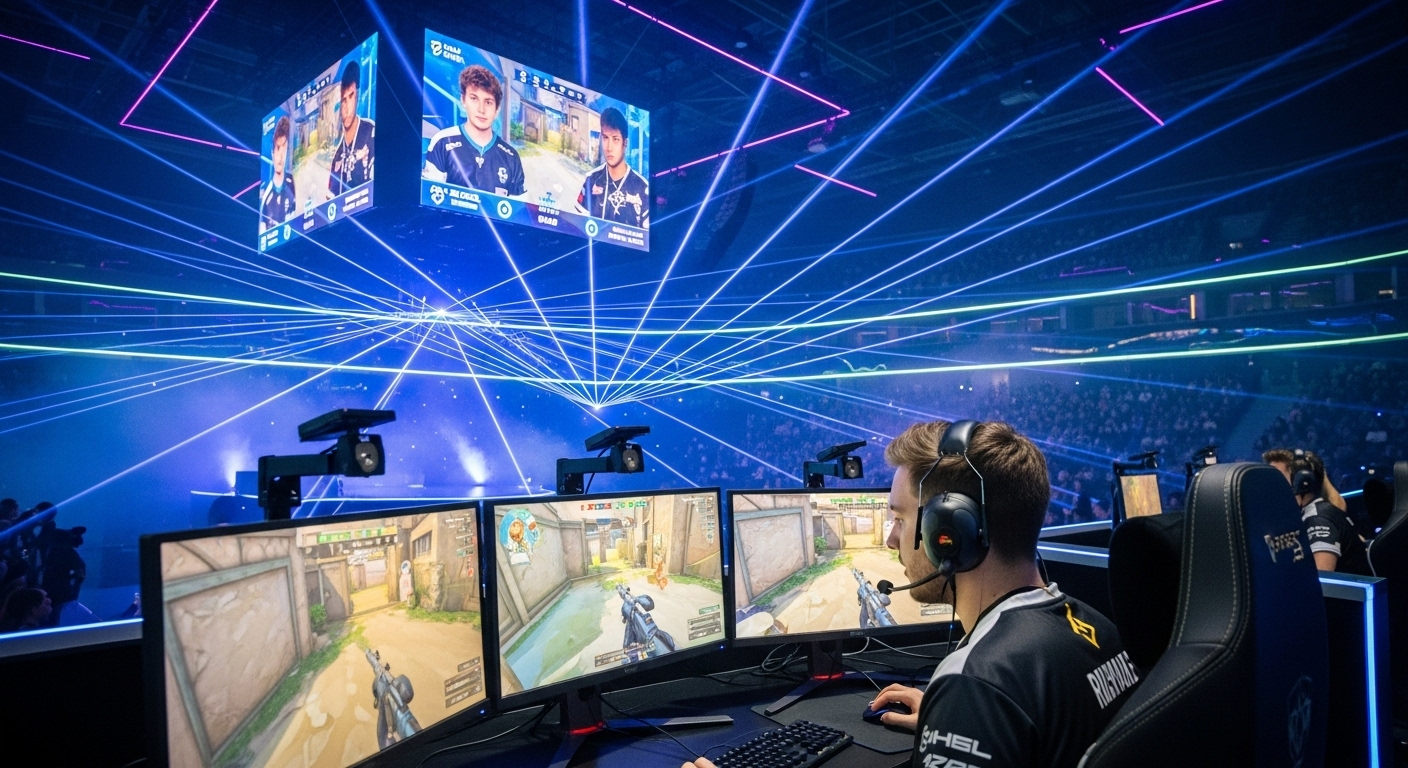
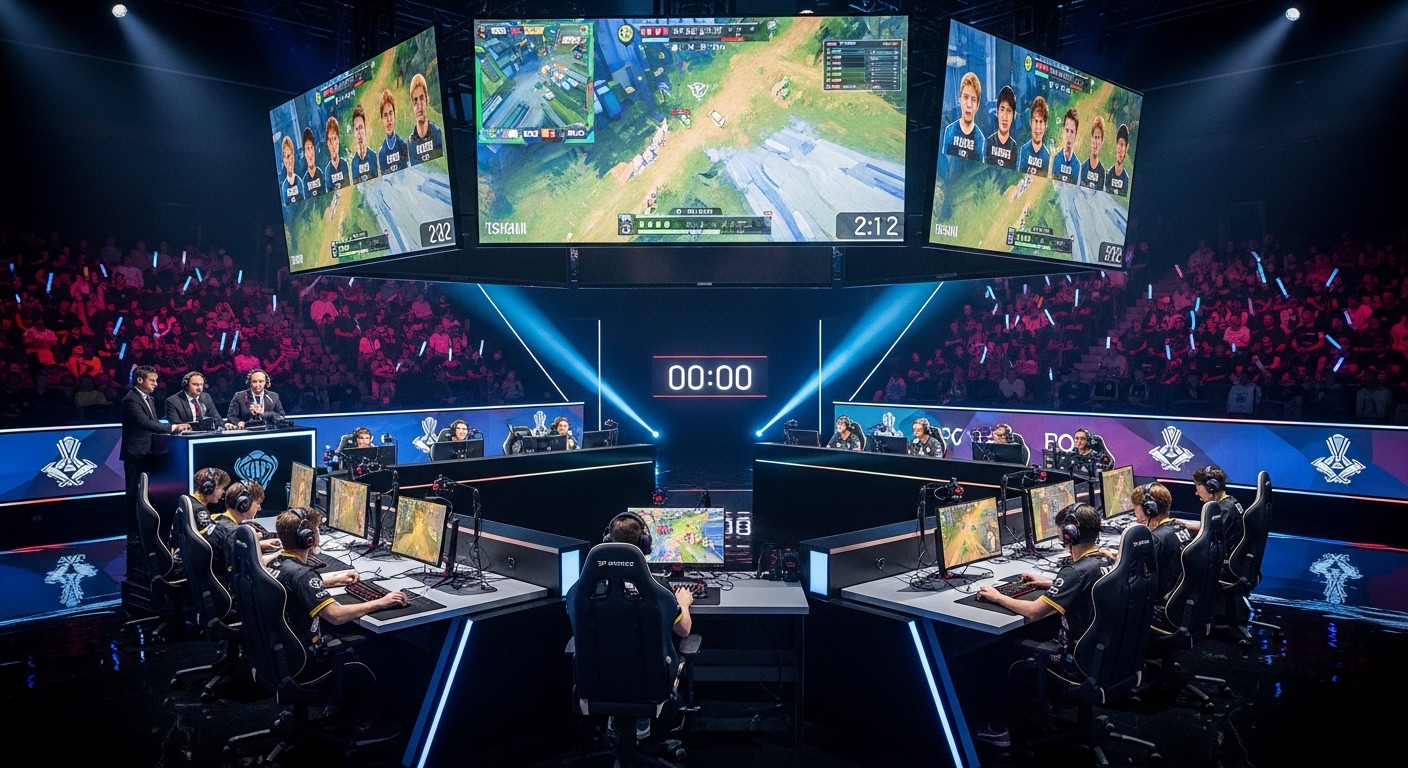
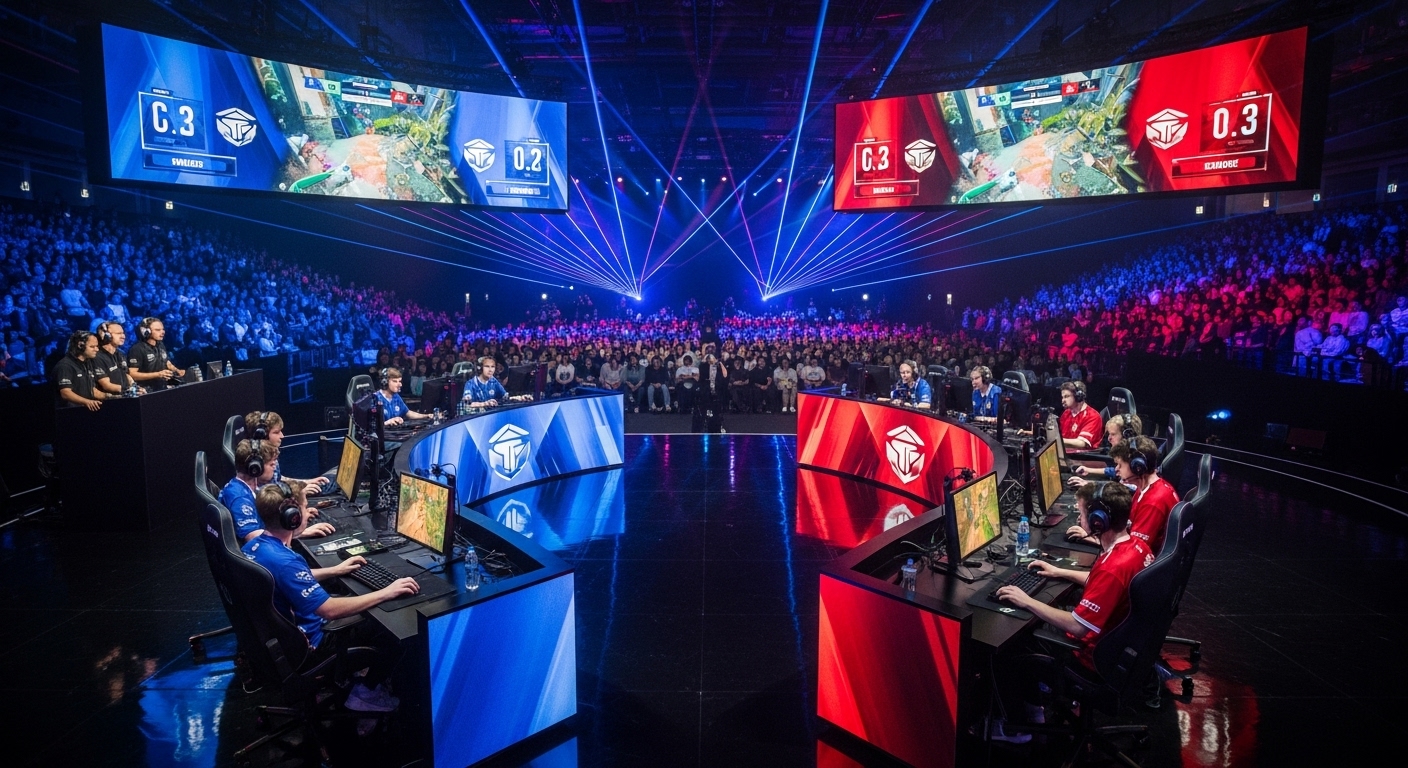
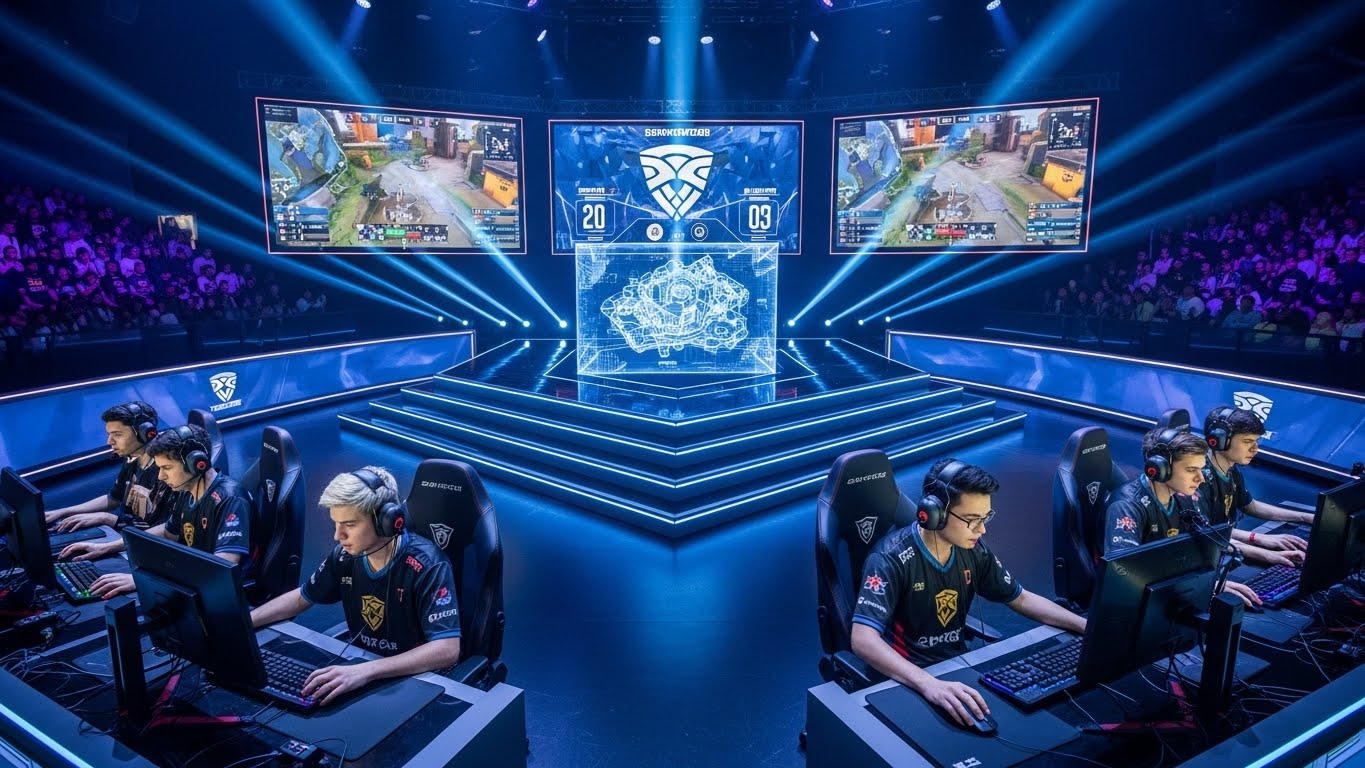
Esports events also began to fill stadiums, with venues such as the Staples Center in Los Angeles and Mercedes-Benz Arena in Berlin hosting major competitions. Esports tournaments now draw live audiences in the thousands, and some events, such as the League of Legends World Championship, attract viewership numbers that rival traditional sports like the Super Bowl.
Esports as a Career Path: Professionalization and Team Culture
With the rise of esports came the emergence of professional gaming careers. Players who once competed for the sheer love of the game now found themselves in lucrative, full-time positions with salaries, sponsorships, and endorsement deals. Professional esports players can make a substantial income through tournament prizes, streaming revenue, and brand partnerships.
Esports teams, akin to traditional sports franchises, have become key players in the industry. Organizations like Cloud9, Team Liquid, Fnatic, and T1 have established themselves as powerhouses in various game titles. These teams not only recruit top-tier players but also employ coaching staff, analysts, and managers to ensure their success. Much like traditional sports, esports organizations operate under a team-based structure, with players competing in a variety of game genres such as first-person shooters, real-time strategy, and multiplayer online battle arena (MOBA) games.
The culture of professional esports has also evolved. Players now train extensively, practicing for hours each day and participating in scrims (practice matches) to hone their skills. The pressure to perform is immense, with fans and sponsors expecting consistent results. As a result, mental health and well-being have become crucial topics of discussion in the esports world, with more emphasis being placed on player support systems, including psychologists, physical trainers, and wellness programs.
The Global Impact of Esports
Esports is a truly global phenomenon, with millions of fans tuning in from every corner of the world. One of the key factors behind its widespread appeal is the accessibility of online play. Unlike traditional sports, which may require expensive equipment or specific geographic locations to participate, anyone with a computer or console and an internet connection can join in. This has made esports especially popular in regions like Southeast Asia, Latin America, and Eastern Europe, where gaming infrastructure and access are rapidly improving.
In addition to gaming enthusiasts, esports has attracted a diverse fanbase that includes casual viewers, tech-savvy individuals, and even corporate executives. The accessibility of online streaming platforms like Twitch has made it easier than ever for people to watch live competitions, often with commentary, analysis, and live interaction from fans.
Esports has also made its way into the educational system, with some universities offering scholarships to talented players. In 2014, the University of California, Irvine became one of the first universities in the United States to offer a dedicated esports program, complete with a state-of-the-art arena for competitions. This trend has since spread to other universities, further legitimizing esports as an established career path for students.
Esports and Traditional Sports: A Growing Symbiosis
One of the most intriguing aspects of esports’ growth is its increasing intersection with traditional sports. Many esports athletes have found themselves receiving the same level of attention and endorsement as professional athletes in football, basketball, or soccer. Additionally, several sports organizations and franchises have entered the esports space, either by sponsoring existing teams or by creating their own teams for games like FIFA, Rocket League, and NBA 2K.
The collaboration between traditional sports and esports can be seen in the rise of Esports Stadiums and Esports Arenas – venues designed to host esports competitions on a grand scale. These venues resemble the stadiums where traditional sports are played, and they are equipped with high-tech facilities, including live streaming equipment and high-definition screens for spectators. Some sports teams, such as the Dallas Cowboys and Atlanta Hawks, have invested in esports franchises or events, recognizing the potential for cross-promotion and audience engagement.
Furthermore, esports has taken advantage of the digital nature of its gameplay, allowing fans to interact with their favorite players through live streams, social media, and interactive events. This engagement has allowed esports to capture the attention of a new generation of sports fans who are more likely to engage with content through digital platforms than traditional broadcast mediums.
The Future of Esports: Opportunities and Challenges
As esports continues to grow, several trends and challenges are likely to shape its future. On the one hand, esports has the potential to become a mainstream form of entertainment, with its appeal extending beyond gamers to the general public. The growing interest in virtual and augmented reality could also revolutionize the way esports competitions are played and watched, creating immersive experiences for fans and players alike.
On the other hand, the rapid growth of esports could lead to challenges in terms of regulation, fair play, and sustainability. As more money flows into the industry, there will likely be an increased focus on issues such as cheating, match-fixing, and player exploitation. It will be essential for esports organizations to maintain integrity and ensure that the competitive environment remains fair and transparent.
Additionally, as esports continues to expand into new territories, cultural differences and local regulations could present challenges in terms of broadcasting rights, sponsorships, and player recruitment. Esports organizations will need to navigate these complexities while ensuring that they stay true to the values of competition and sportsmanship that define the industry.
Conclusion: Esports as a Cultural and Economic Force
Esports has come a long way since its humble beginnings in the arcades and living rooms of gamers. Today, it stands as a global powerhouse, drawing millions of players, fans, and investors. With its growing popularity, esports is poised to become an integral part of the entertainment landscape, rivaling traditional sports in terms of viewership, sponsorship, and cultural impact.
As the industry continues to evolve, esports will likely face new challenges and opportunities. Whether it’s through the introduction of new game titles, technological advancements, or deeper integration with traditional sports, esports is set to continue its incredible journey into the