Esports: The Digital Revolution of Competitive Gaming
Introduction
Esports, or electronic sports, has rapidly transformed the global gaming landscape into a professional and highly organized competitive industry. What began as casual multiplayer gaming among friends has evolved into a structured, multi-billion-dollar sector that attracts millions of players and viewers worldwide. Esports combines skill, strategy, teamwork, and entertainment in a digital environment, creating a form of competition that rivals traditional sports in scope, engagement, and revenue. Its rise is closely tied to technological innovation, cultural shifts, and the growing influence of digital media on modern society.
The phenomenon of esports goes beyond mere entertainment. It has created professional careers, global communities, and opportunities for sponsorships, merchandising, and media rights. It serves as a cultural bridge, connecting players and fans across continents, and it has influenced education, technology, and lifestyle trends. This blog will explore the evolution of esports, its games, players, tournaments, economic impact, technology, cultural significance, challenges, and future prospects, illustrating why esports has become a defining feature of the digital age.
The Origins of Competitive Gaming
The roots of esports can be traced back to the late 1970s and early 1980s, when video games emerged in arcades and home consoles. Games like Space Invaders, Pac-Man, and Donkey Kong were among the first platforms where players could compete for high scores. In 1980, the Space Invaders Championship became one of the first widely recognized gaming competitions, drawing thousands of participants and demonstrating the appeal of organized gaming events. These early competitions highlighted that gaming could be more than recreation; it could be a competitive, spectator-oriented activity.
With the rise of personal computers in the 1990s, gaming moved beyond arcades. Multiplayer games such as Doom, Quake, and StarCraft enabled players to compete in local area networks (LAN) and eventually online. LAN parties became social hubs where players gathered to compete and strategize in person. These gatherings fostered communities and rivalries, laying the foundation for organized esports competitions.
The widespread availability of the internet in the late 1990s and early 2000s expanded competitive gaming into a global phenomenon. Players could now compete across regions in real-time, and online forums enabled fans to discuss strategies, share content, and build communities. The internet allowed esports to evolve from a niche hobby into a globally connected competitive ecosystem.
The Birth of Professional Esports
Professional esports emerged first in South Korea during the late 1990s, fueled by the popularity of StarCraft. The game’s strategic depth and competitive balance made it ideal for professional play. South Korea established televised tournaments, professional teams, and dedicated esports leagues. StarCraft matches attracted millions of viewers, illustrating that gaming could sustain professional careers and public attention similar to traditional sports.
In other regions, organizations such as the Cyberathlete Professional League in the United States and the Electronic Sports World Cup in Europe formalized esports competitions. These organizations implemented standardized rules, ranking systems, and seasonal tournaments, creating a professional structure for competitive gaming. The formalization of leagues, prize pools, and sponsorship deals elevated esports from casual entertainment to a legitimate career pathway, attracting investment and media attention.
Professionalization allowed players to receive salaries, sponsorships, and training opportunities, giving rise to esports as a viable long-term profession. It also introduced competitive integrity, codified rules, and global standards that helped esports gain credibility and legitimacy in the eyes of mainstream audiences.
Popular Esports Genres and Titles
Esports encompasses a variety of game genres, each appealing to different types of players and audiences. Multiplayer Online Battle Arena games, or MOBAs, such as League of Legends and Dota 2, emphasize teamwork, strategy, and coordination. These games host some of the largest tournaments in esports, offering prize pools that can reach tens of millions of dollars. MOBAs demand both individual skill and synchronized team play, making them highly engaging for both players and spectators.
First-person shooters (FPS) like Counter-Strike: Global Offensive, Call of Duty, and Valorant focus on accuracy, reflexes, and tactical decision-making. FPS games require precision, map knowledge, and rapid decision-making, creating an intense and competitive environment for players and a thrilling viewing experience for audiences.
Battle royale games, including Fortnite and PUBG, combine survival, resource management, and strategic positioning. These games often feature large player counts, dynamic environments, and unpredictability, appealing to audiences who enjoy suspense and high-stakes competition.
Sports simulation games like FIFA, NBA 2K, and Madden NFL replicate traditional sports in a virtual environment. These games attract fans of real-world sports and provide an opportunity to engage with their favorite teams and athletes in a digital format.
Other popular esports genres include fighting games such as Street Fighter and Tekken, and collectible card games like Hearthstone and Magic: The Gathering Arena. Each genre contributes to the diversity and growth of esports, ensuring that there is something for every type of competitive gamer.
Esports Teams and Organizations
Professional esports teams are central to the development and sustainability of the industry. Teams recruit top players, provide training facilities, coaching, nutrition guidance, and mental health support. They also manage branding, merchandise, sponsorship deals, and fan engagement. Leading teams like Team Liquid, Fnatic, T1, Cloud9, and G2 Esports have become household names in the global esports community.
Esports organizations operate similarly to traditional sports franchises. They maintain player contracts, facilitate transfers, and develop long-term career pathways. Teams participate in multiple game titles, creating specialized rosters for different genres. Organizations foster fan loyalty, organize promotional events, and produce content to maintain visibility and relevance. These structures provide stability and professionalism that allow players to focus on performance and career growth.
The Role of Players and Streamers
Players are the core of esports. Their skill, dedication, and creativity define competitive gaming. Professional esports athletes spend long hours practicing, analyzing opponents, and refining strategies. Success requires not only technical ability but also mental resilience, teamwork, and adaptability. Top players often achieve celebrity status, recognized for both their performance and personality.
Streamers and content creators play a complementary role by engaging audiences and maintaining interest in esports between tournaments. Platforms such as Twitch and YouTube allow fans to watch gameplay, interact with players, and learn new techniques. Streamers contribute to the culture of esports by building communities, promoting games, and providing entertainment that extends beyond professional competition.
Tournaments and Competitive Structures
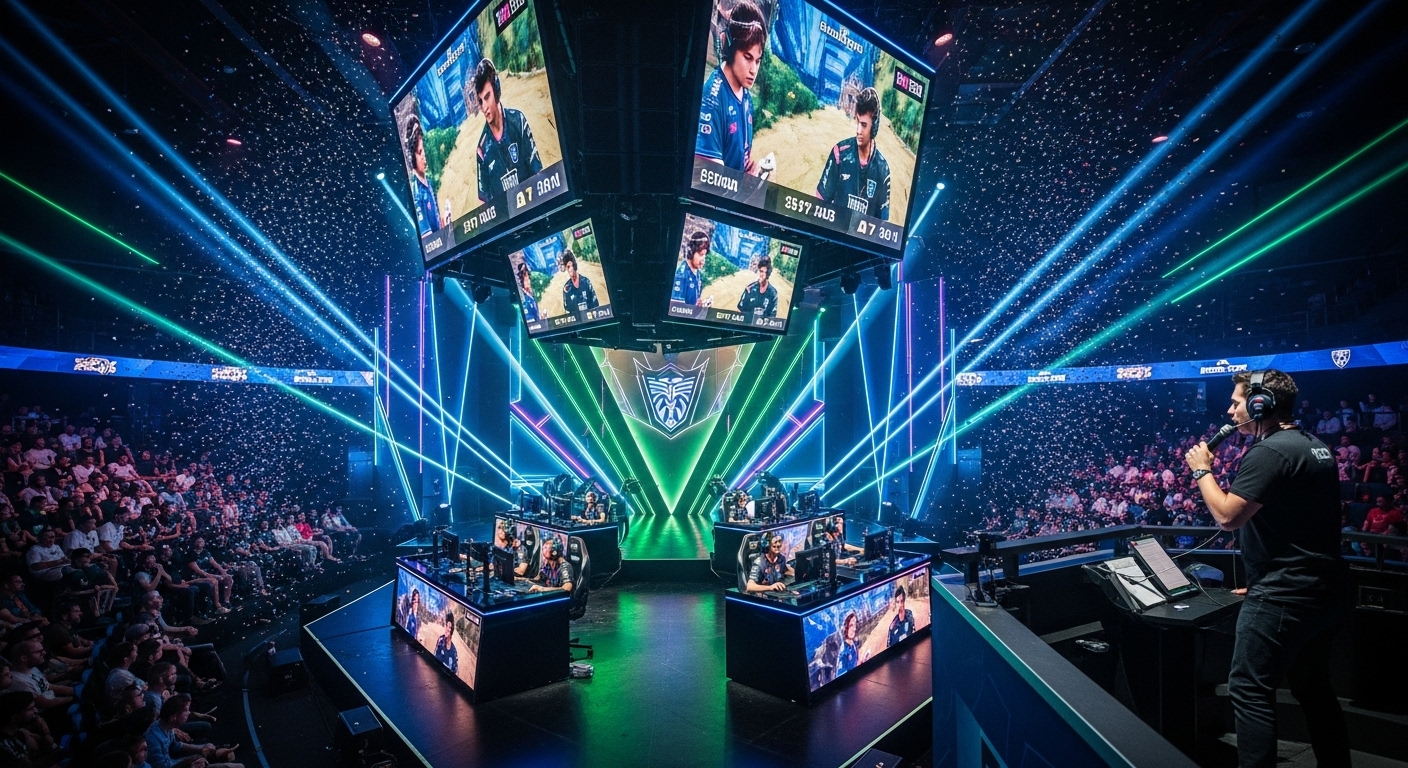
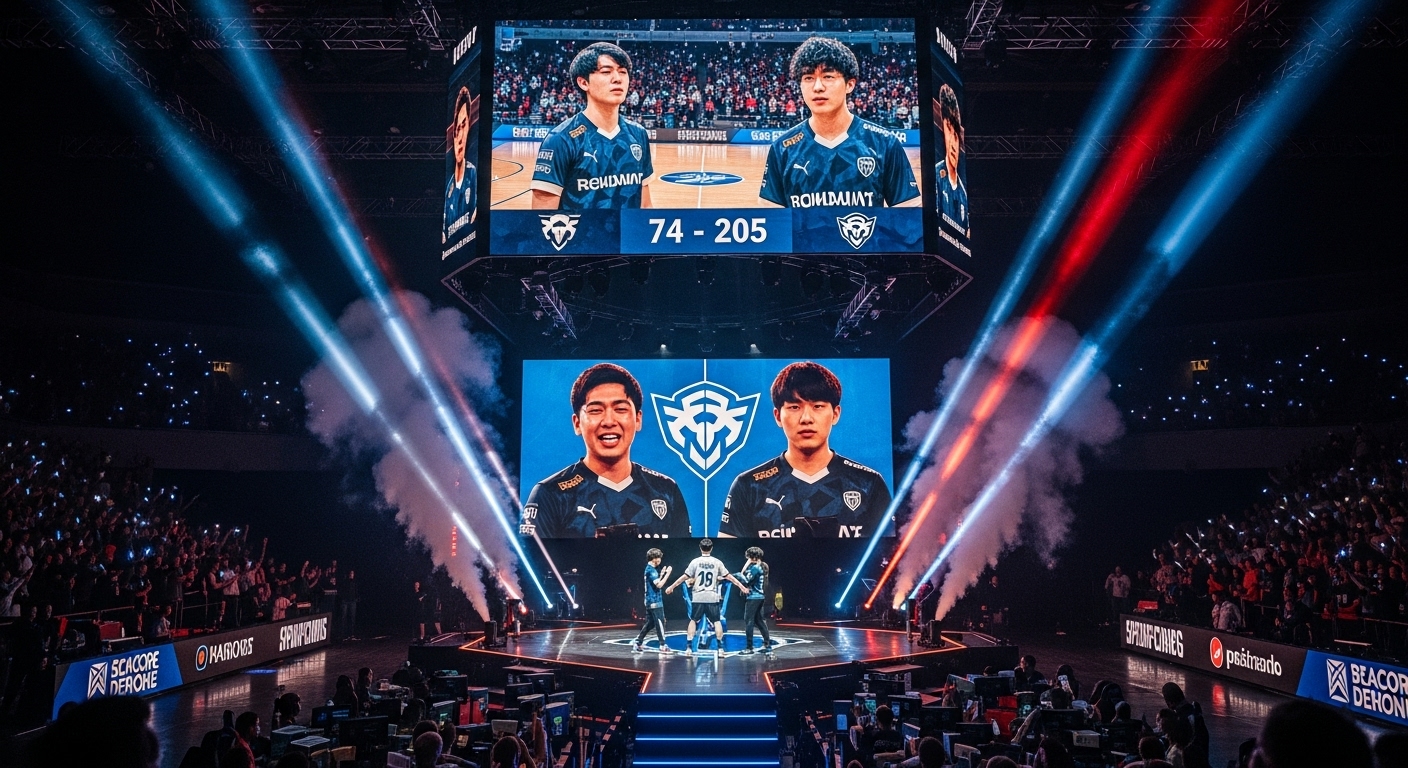
Esports tournaments vary in scale and complexity. Local competitions often serve as entry points for aspiring players, while international events attract millions of viewers. Major tournaments, including The International for Dota 2, the League of Legends World Championship, and the Fortnite World Cup, feature large prize pools, professional production, and global media coverage.
Tournament formats include round-robin leagues, knockout stages, and global qualifiers. Some esports leagues, such as the Overwatch League and Call of Duty League, adopt city-based franchise models similar to traditional sports. These leagues create structured seasons, localized fan bases, and ongoing storylines, enhancing engagement and fostering loyalty among audiences.
The Economics of Esports
Esports is a multi-billion-dollar industry, generating revenue through sponsorships, advertising, media rights, merchandise, and ticket sales. Brands ranging from technology companies to consumer goods actively invest in esports to reach younger, digitally engaged audiences.
Sponsorships provide financial stability for teams and tournaments, while streaming platforms monetize content through subscriptions, advertising, and fan donations. Esports events also stimulate local economies by attracting tourism, generating jobs in hospitality and media production, and boosting city visibility. The economic influence of esports extends beyond gaming, affecting technology, marketing, media, and entertainment industries.
Technology and Innovation in Esports
Technology is integral to the growth and sustainability of esports. High-performance computers, gaming peripherals, and fast internet connections enable professional-level gameplay. Analytics tools and software help players track performance, analyze opponents, and refine strategies.
Emerging technologies such as virtual reality and augmented reality are beginning to enhance both player experiences and spectator engagement. Artificial intelligence assists in training simulations, content generation, and personalized audience interaction. Technology ensures that esports evolves alongside digital media and continues to offer innovative and immersive experiences.
Global Reach and Cultural Impact
Esports has transcended borders to become a global cultural phenomenon. Major tournaments are broadcast internationally, often in multiple languages, and attract viewers from across the globe. Players from diverse countries compete on a shared stage, promoting cross-cultural exchange and collaboration.
Esports has also influenced education and career pathways. Universities offer scholarships for esports athletes, academic programs in game design and management, and research opportunities focused on competitive gaming. Professional opportunities extend beyond playing to include coaching, event management, marketing, broadcasting, and technological development. Esports has thus become a powerful cultural force and career engine worldwide.
Challenges and Controversies
Despite its rapid growth, esports faces challenges. Player burnout, mental health pressures, and intense competition are common. Ethical issues such as cheating, match-fixing, and unauthorized software use occasionally arise, requiring regulation and oversight.
The industry also contends with diversity and inclusion concerns. Gender representation, combating toxicity, and promoting accessibility are ongoing challenges. Sustainable growth and professional integrity depend on addressing these issues through structured governance, policies, and community engagement.
Community and Fan Engagement
Community is central to esports. Fans interact with players, teams, and other audiences through social media, streaming platforms, and live events. Online communities foster collaboration, mentorship, and shared passion, creating loyalty and engagement.
Grassroots tournaments, fan-created content, and interactive experiences allow audiences to actively participate in esports. Community involvement strengthens the ecosystem and ensures that esports remains inclusive, dynamic, and culturally relevant. The symbiotic relationship between fans, players, and teams is a defining feature of esports culture.
The Future of Esports
The future of esports promises continued expansion and innovation. Virtual reality, cloud gaming, and artificial intelligence will create new forms of interactive engagement for players and spectators. Emerging markets will diversify audiences, while academic programs and professionalization will solidify career pathways.
Esports is likely to integrate further with traditional sports, entertainment, and media industries, creating hybrid experiences that appeal to broader audiences. With global connectivity, technological innovation, and cultural influence, esports is poised to remain a dominant form of digital entertainment for decades to come.
Conclusion
Esports has evolved from casual gaming into a global competitive, economic, and cultural phenomenon. It combines skill, strategy, teamwork, and technology to create immersive entertainment experiences. From small LAN tournaments to massive international events, esports demonstrates the transformative potential of gaming as both a profession and a cultural force.
Professional players, dedicated teams, sophisticated tournaments, and engaged communities illustrate how esports has become a new era of competitive entertainment. It continues to innovate, expand, and influence society, blending traditional sports values with digital possibilities. Esports is more than gaming; it is a global movement redefining competition, culture, and connection in the digital age.