Introduction: The Rise of a New Sporting Frontier
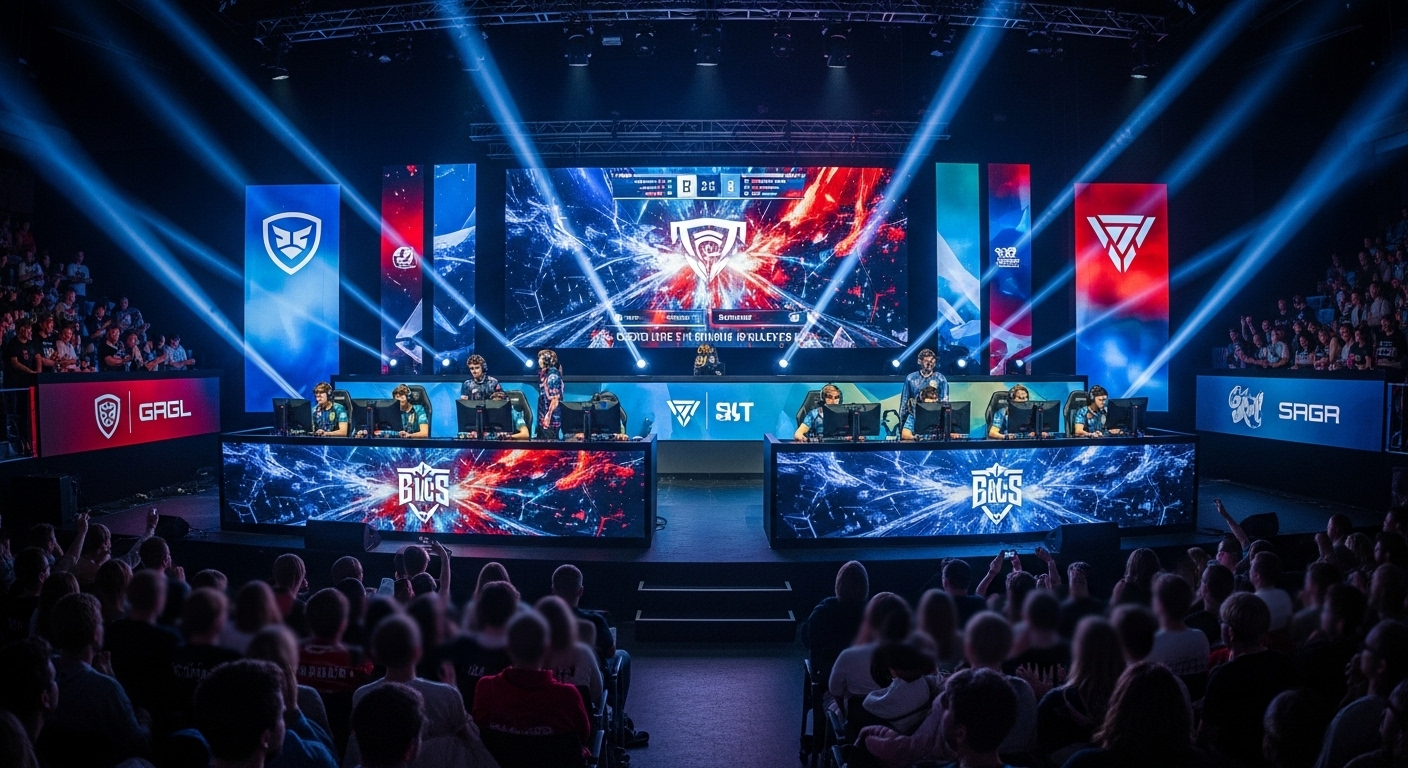
Over the last decade, a remarkable shift has occurred in the world of entertainment and competitive sports. What once began as small gatherings of gaming enthusiasts has transformed into a multibillion-dollar global phenomenon known as esports. Today, esports tournaments pack stadiums, attract millions of online viewers, and offer prize pools that rival traditional athletic championships. With the growth of cutting-edge technology, increasing professionalization, and mainstream acceptance, esports has carved out a place as one of the fastest-growing competitive arenas of the modern era.
Although often misunderstood as mere gaming, esports embodies discipline, strategy, teamwork, and psychological fortitude—qualities shared with traditional sports. As digital landscapes evolve, so too does the nature of competitive play. In this blog, we will journey through the evolution of esports, explore its professional ecosystem, and understand why it has become such a powerful cultural force worldwide.
The Evolution of Competitive Gaming
The roots of esports trace back to the early days of arcade competitions and computer tournaments. In the 1970s and 1980s, players competed for high scores in classic titles, but the concept lacked the structure we associate with esports today. The true transformation began in the 1990s with the rise of multiplayer PC gaming. Titles like Quake and StarCraft introduced competitive play on a broader scale, enabling online face-offs that transcended geographical boundaries.
The emergence of broadband internet and online matchmaking opened new doors. By the early 2000s, organized leagues such as the Cyberathlete Professional League and Major League Gaming began shaping esports into a more structured competitive space. Through these milestones, the foundation of modern esports was laid—a foundation built on community, innovation, and the thrill of virtual mastery.
Today, esports has evolved into a polished, highly professional industry that features specialized teams, dedicated coaches, analysts, and media coverage. From humble LAN parties to glitzy global tournaments, esports has taken gaming from bedroom hobby to international phenomenon.
Key Esports Titles That Shaped the Industry
What makes esports fascinating is its incredible diversity. Titles from different genres dominate the scene, each requiring its own set of skills, strategies, and mindsets. Some of the most influential games in esports history include:
Multiplayer Online Battle Arena (MOBA) Games
MOBAs such as League of Legends and Dota 2 revolutionized esports with their complex gameplay and massive global communities. These titles demand teamwork, precise coordination, and split-second decision-making, making them favorite staples of major tournaments.
First-Person Shooters (FPS)
FPS games like Counter-Strike and Overwatch highlight reflexes, precision aiming, and tactical communication. Their fast-paced action makes them especially popular among spectators, drawing millions of viewers to competitive matches.
Battle Royale Games
The battle royale genre, fueled by games like Fortnite and Apex Legends, introduced huge player counts, unpredictable match dynamics, and unforgettable highlight-reel moments. Their cinematic intensity has helped esports reach younger audiences worldwide.
Sports Simulations and Fighting Games
Titles like FIFA, NBA 2K, and Street Fighter appeal to fans of traditional sports and arcade-style combat. These games are among the most accessible in esports, offering relatable gameplay and easy-to-follow rules.
Each of these genres contributes uniquely to esports culture, attracting different player communities and spectators from every corner of the world.
The Professional Esports Ecosystem
Behind the thrilling matches and massive events lies a deeply structured professional ecosystem. Esports may take place in virtual worlds, but the organizational framework mirrors that of traditional sports.
Professional Teams and Organizations
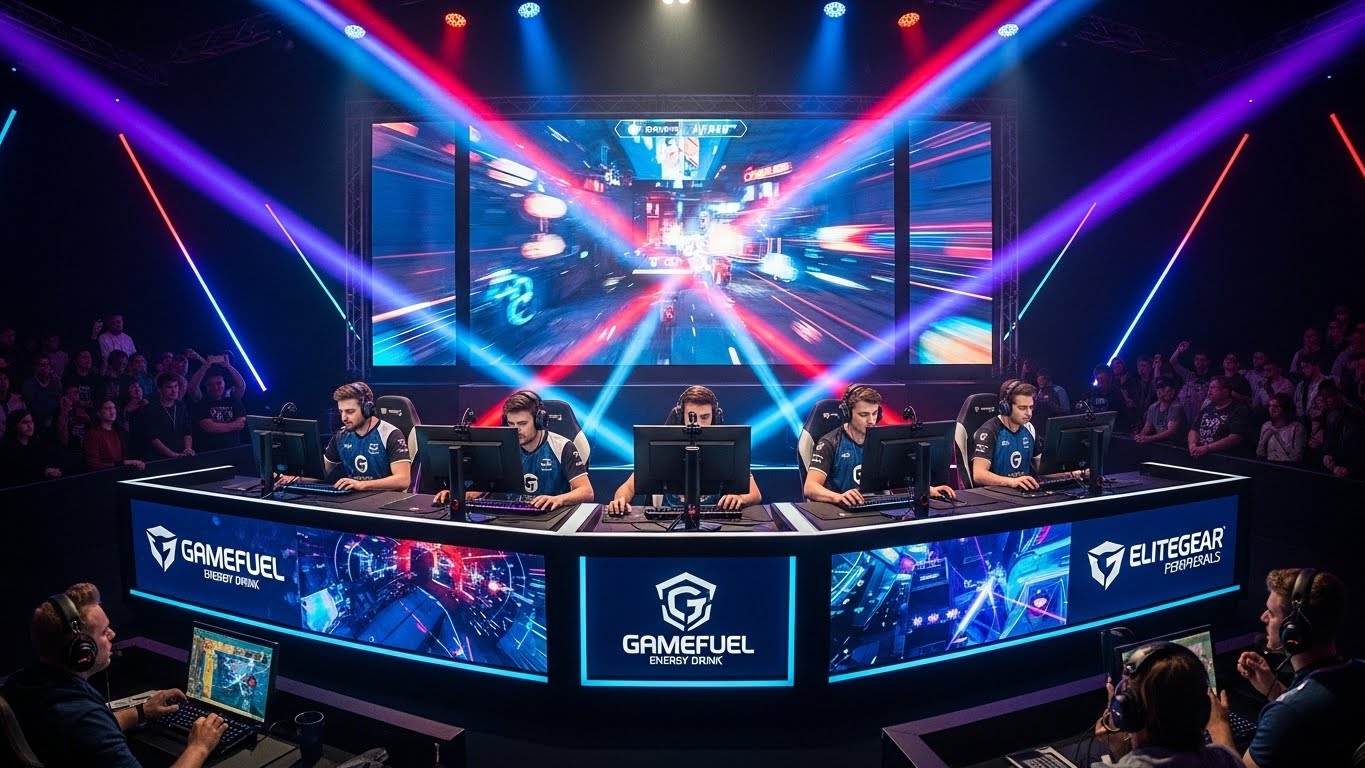
Esports teams operate like major athletic clubs, complete with player contracts, training facilities, managers, and support staff. These organizations scout top talent from global leaderboards, recruit players from regional tournaments, and develop rising stars through academy programs.
Coaches, Analysts, and Support Staff
Modern esports athletes do not rely solely on raw talent. They train under experienced coaches who create gameplay strategies, review match replays, and help players refine their skills. Analysts break down opponents’ tendencies and design counter-strategies. Nutritionists, physiotherapists, and mental health experts also play a growing role as esports becomes increasingly demanding.
Tournaments and Leagues
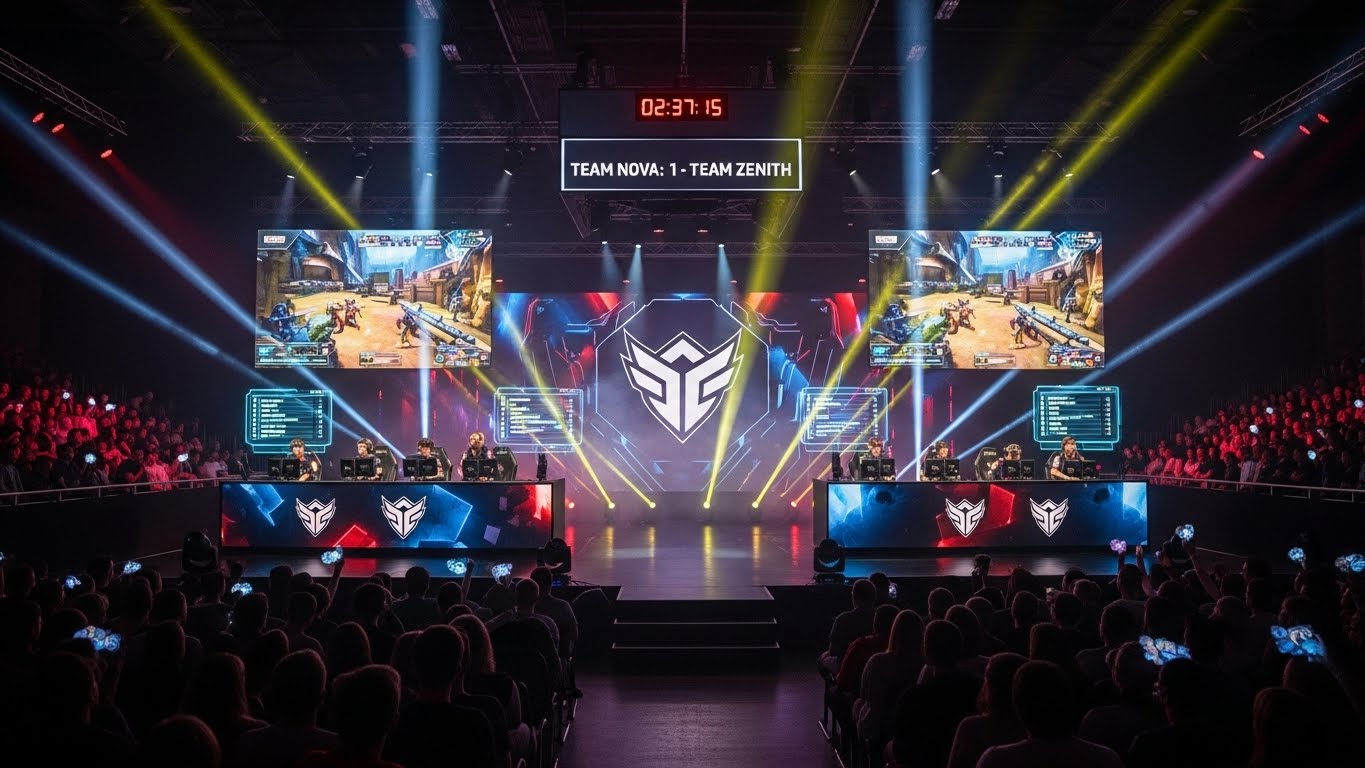
The esports calendar is filled with world-class events. Regional leagues operate throughout the year, culminating in championship tournaments where the best teams from around the globe compete. Prize pools often reach impressive numbers, reflecting the industry’s rapid growth and enthusiastic fan support.
This level of professionalization elevates esports from a casual pastime to a respected competitive career path.
Esports Athletes: Dedication Beyond the Screen
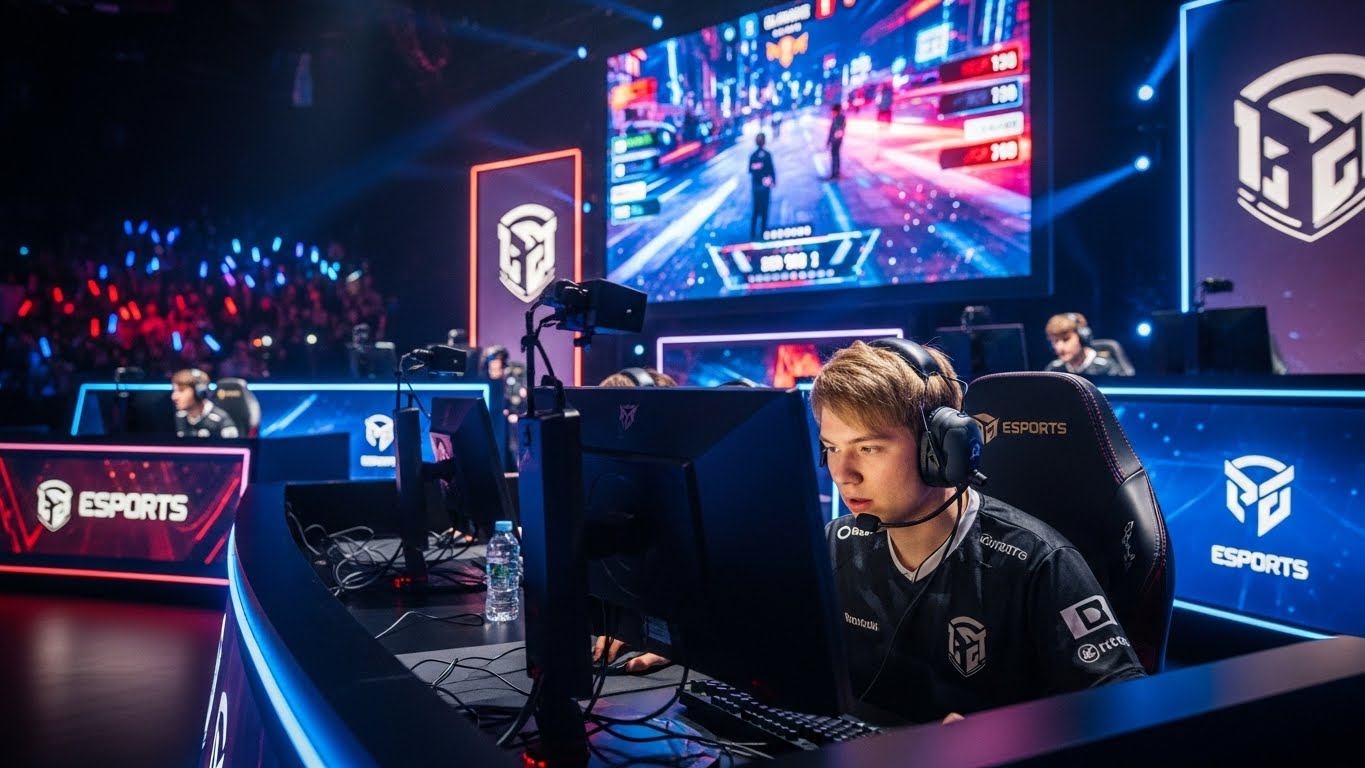
The life of an esports athlete is far more rigorous than many imagine. They train for long hours each day, refining their mechanical skills, perfecting team coordination, and studying complex in-game strategies. Reaction time, hand-eye coordination, and mental endurance are crucial to success. Much like traditional athletes, they must balance intense training with rest and physical conditioning.
Furthermore, esports athletes often begin their careers at a young age, and the pressure to perform on international stages can be intense. The rise of sports psychology in esports highlights how essential emotional resilience has become. As esports continues to mature, the mental and physical well-being of players remains a top priority for organizations.
The Thrill of Spectatorship
One of the most captivating aspects of esports is its spectator culture. Live broadcasts bring together millions of fans from around the world, all tuning in to watch their favorite players and teams. Commentators and analysts enhance the viewing experience by breaking down plays, explaining strategies, and hyping crucial moments.
The excitement of watching a perfectly executed strategy or a jaw-dropping clutch play is part of what makes esports so popular. Fans feel deeply connected to the players they follow, celebrating victory and sharing disappointment with every match. The emotion, energy, and unpredictability of esports events rival even the biggest traditional sporting contests.
Esports and Mainstream Acceptance
A defining moment for esports came when traditional institutions began recognizing its legitimacy. Universities now offer scholarships to esports players, and many schools have official teams. This educational integration has made competitive gaming more accessible to aspiring athletes.
Additionally, major entertainment networks broadcast esports tournaments, while global brands sponsor teams and events. This mainstream acceptance has helped legitimize esports in the eyes of older generations and expanded its appeal beyond core gaming communities.
The involvement of traditional sports franchises has also played a role. Many well-known football and basketball clubs have launched their own esports divisions, bridging the gap between digital and physical athletic competition.
Economic Impact and Job Opportunities
The economic influence of esports extends far beyond players and teams. The industry has created numerous job opportunities in broadcasting, event management, game development, marketing, coaching, and sports science. Content creators and streamers further expand the ecosystem, generating massive online audiences and establishing their own careers.
With revenues growing every year, esports contributes to job creation, global events, and technological innovations. As more companies invest in this digital industry, new opportunities continue to emerge.
Community and Global Culture
At its core, esports is a global community built on passion, creativity, and connection. Players from different countries, backgrounds, and cultures come together in shared virtual spaces. This sense of global camaraderie sets esports apart, making it a uniquely inclusive competitive arena.
Fans not only follow their favorite teams but also engage creatively through fan art, memes, analysis content, and cosplay. Events become vibrant gatherings of culture, celebration, and shared excitement.
Challenges and Future Prospects
Despite its rapid growth, esports faces challenges. Concerns about burnout, fair player compensation, and long-term career stability continue to spark important discussions. Industry leaders are working to create healthier competitive environments and more stable career paths.
Looking ahead, the future of esports appears bright. Advancements in virtual reality, enhanced graphics, faster internet, and artificial intelligence promise to shape the next generation of competitive gaming. As technology evolves, so too will the ways players compete and fans engage.
Conclusion: The New Age Arena of Excellence
Esports has grown from modest beginnings into a global powerhouse of entertainment, competition, and cultural influence. It represents the convergence of technology, creativity, and human skill in a way that resonates with millions. Far from being just another form of gaming, esports is a testament to how digital worlds can inspire real-world passion, teamwork, and achievement.
As the industry continues pushing boundaries, one thing remains clear: esports is not just the future of competition—it is the present. And its arena is open to anyone with the drive to excel, the passion to compete, and the heart to become a champion in the digital coliseum.