Introduction
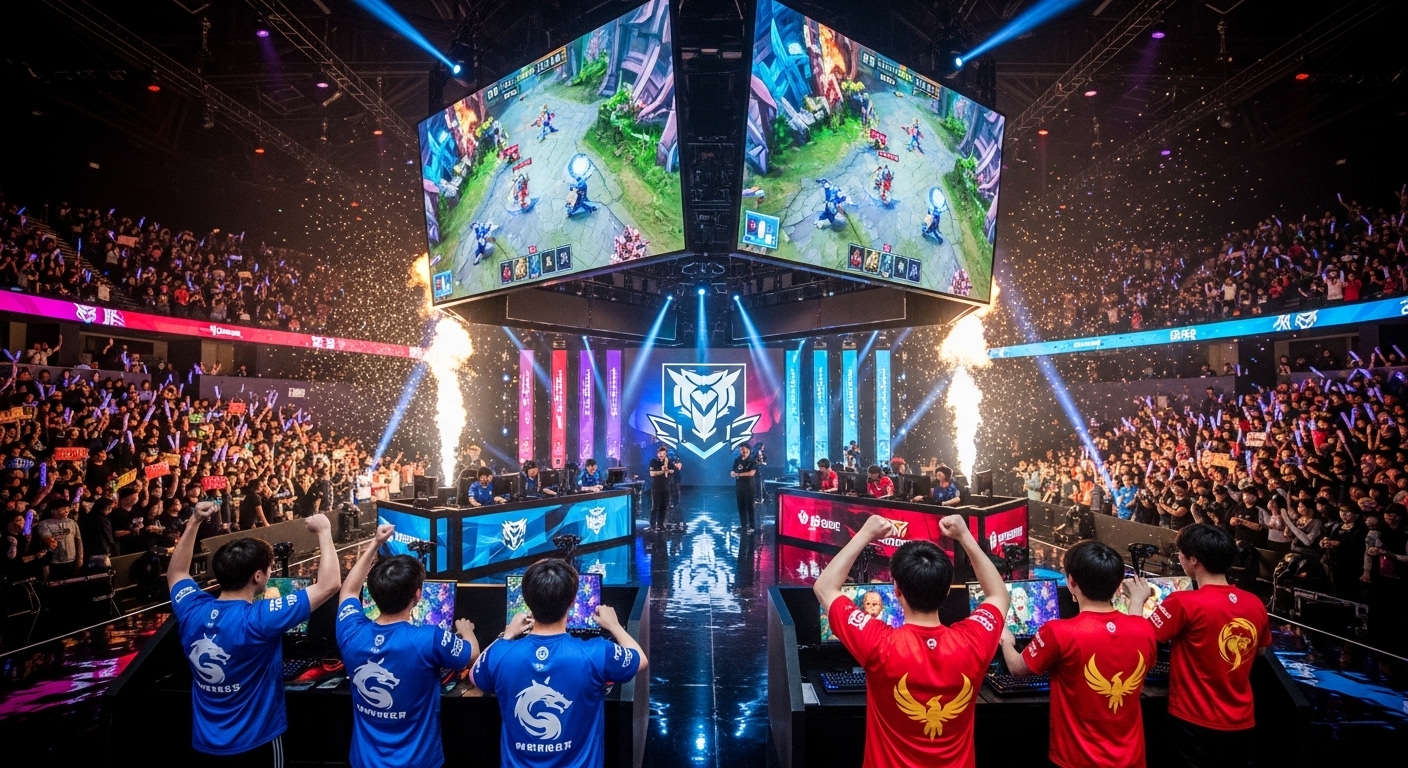
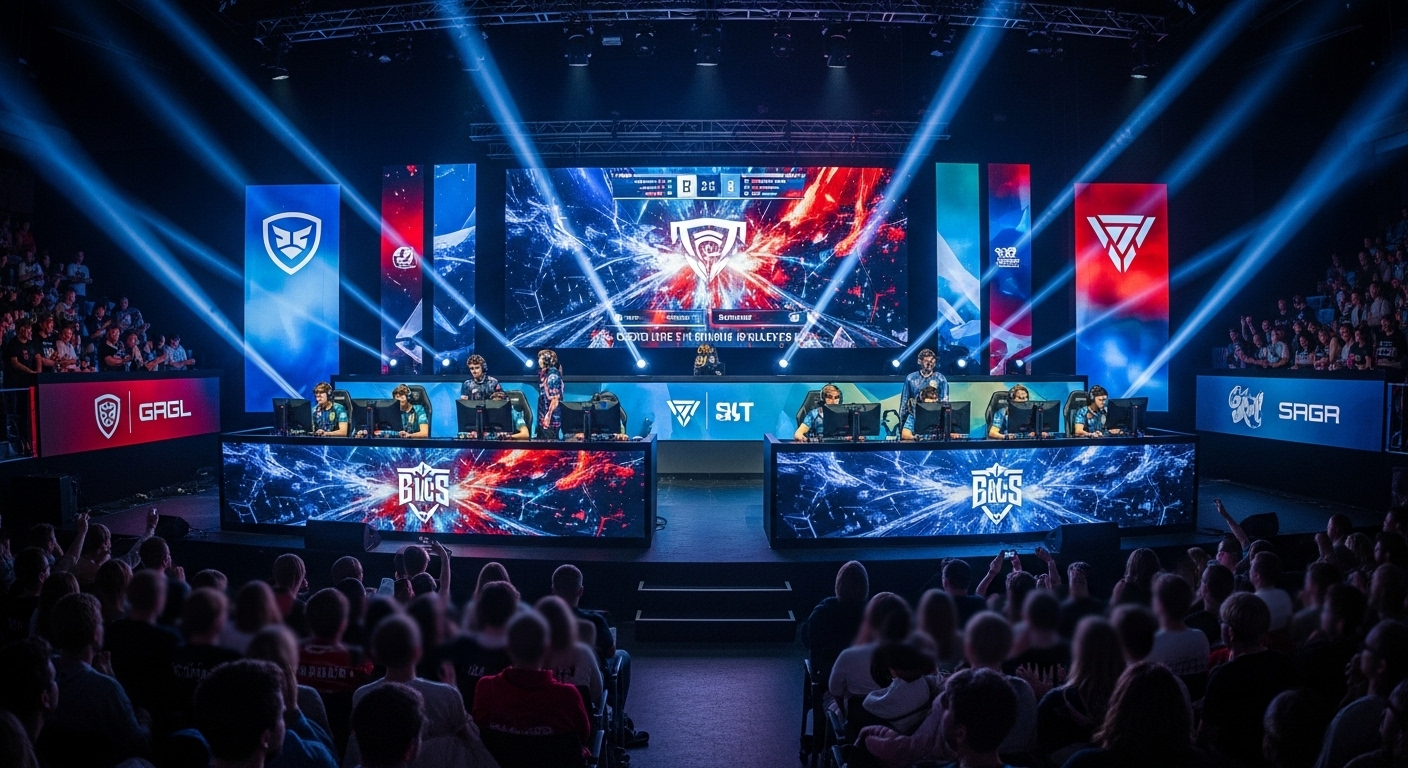
Esports, or electronic sports, represents one of the most fascinating revolutions in modern entertainment. What began as small-scale gaming competitions among friends has evolved into a global industry worth billions of dollars, with professional players, international tournaments, sponsorships, and fanbases comparable to those of traditional sports. Over the past two decades, esports has moved from dimly lit basements and cyber cafés to grand arenas filled with thousands of cheering fans and millions watching online. This transformation signifies not only a shift in how people view video games but also a major cultural change in how society perceives digital competition.
The Origins of Competitive Gaming
Before the term “esports” was coined, competitive gaming had humble beginnings. In the 1970s, video games like Space Invaders and Pong introduced the idea of scoring and competing. The first known video game competition took place in 1972 at Stanford University, where players competed in the game Spacewar! for a year’s subscription to a magazine. This early event laid the foundation for the concept of gaming as a competitive activity rather than just a hobby.
During the 1980s, the popularity of arcade games brought friendly rivalry to local gaming communities. Players gathered in arcades, competing for high scores on machines like Pac-Man and Donkey Kong. These early tournaments emphasized personal skill and reflexes, creating a culture of competitive gaming that would eventually grow into the esports movement we know today.
The Birth of Esports as an Organized Phenomenon
The 1990s marked the turning point when gaming became connected through local networks and later, the internet. Titles such as Doom, StarCraft, and Quake laid the groundwork for multiplayer competition. The introduction of LAN (Local Area Network) parties allowed players to battle in the same space, enhancing the competitive spirit and community bonds.
By the late 1990s, companies started organizing official gaming tournaments. One of the earliest was the Cyberathlete Professional League (CPL), which brought professional structure and prize money to gaming events. The emergence of real-time strategy and first-person shooter games, including StarCraft in South Korea and Counter-Strike globally, gave birth to dedicated fanbases and professional players who trained daily to perfect their craft.
The Growth of Esports in the 2000s
The 2000s witnessed exponential growth in esports. Internet access became more widespread, gaming PCs became affordable, and online multiplayer games connected millions of players around the world. South Korea emerged as the global leader in esports during this era. With dedicated gaming TV channels, sponsored tournaments, and professional teams, it became clear that competitive gaming was not a passing fad.
Games like Warcraft III, Counter-Strike 1.6, and Dota attracted massive audiences. Online streaming and forums created international fan communities. Organizations such as the World Cyber Games and Major League Gaming began hosting large-scale international tournaments, where players competed for significant prize pools.
This era also saw the rise of esports personalities—players who were not just competitors but celebrities. Their skills, strategies, and charisma turned them into icons, inspiring younger generations to pursue gaming professionally.
The Role of Technology in Shaping Esports
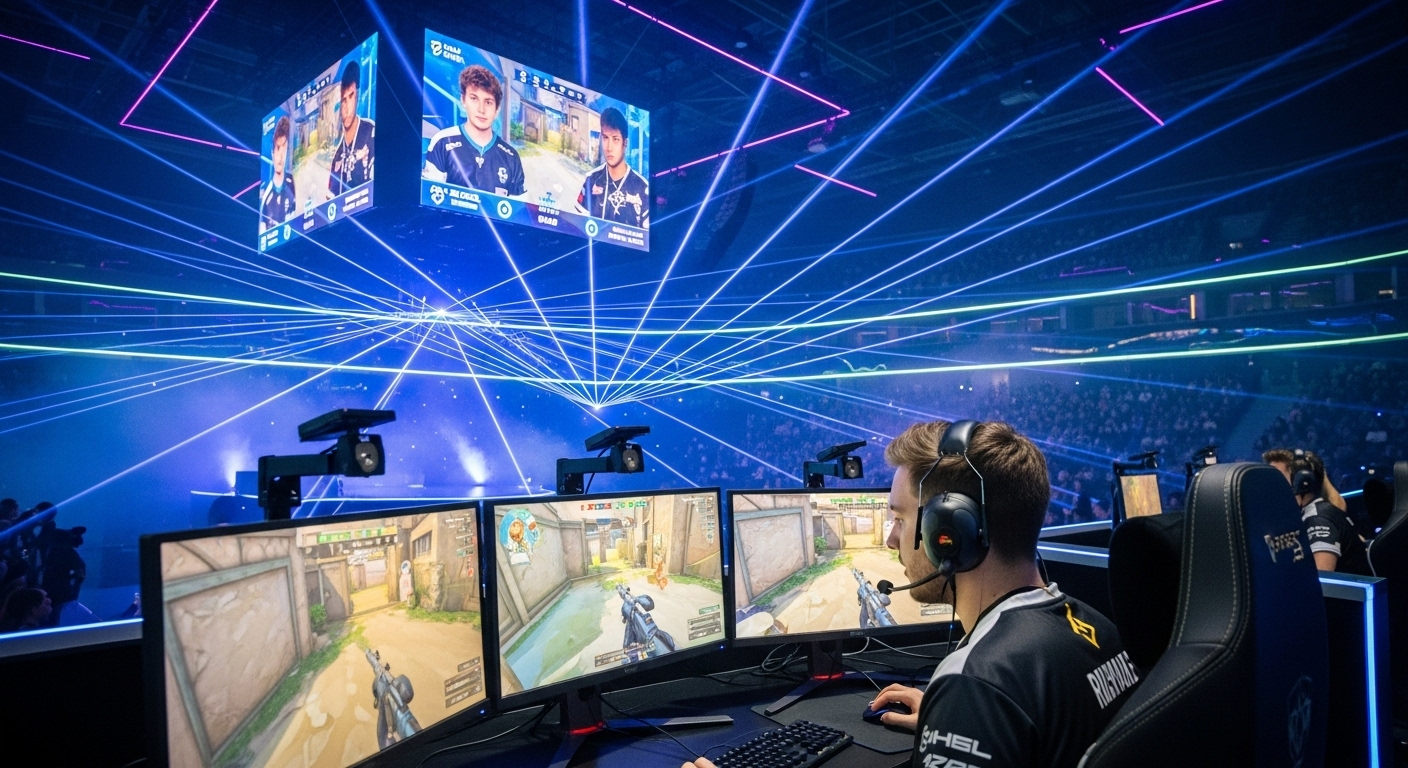
Technology has been the lifeblood of esports. High-speed internet, powerful graphics cards, and streaming platforms have made it possible for players to compete and for audiences to watch from anywhere in the world. The development of streaming platforms allowed fans to interact with players directly, breaking down barriers between professionals and their supporters.
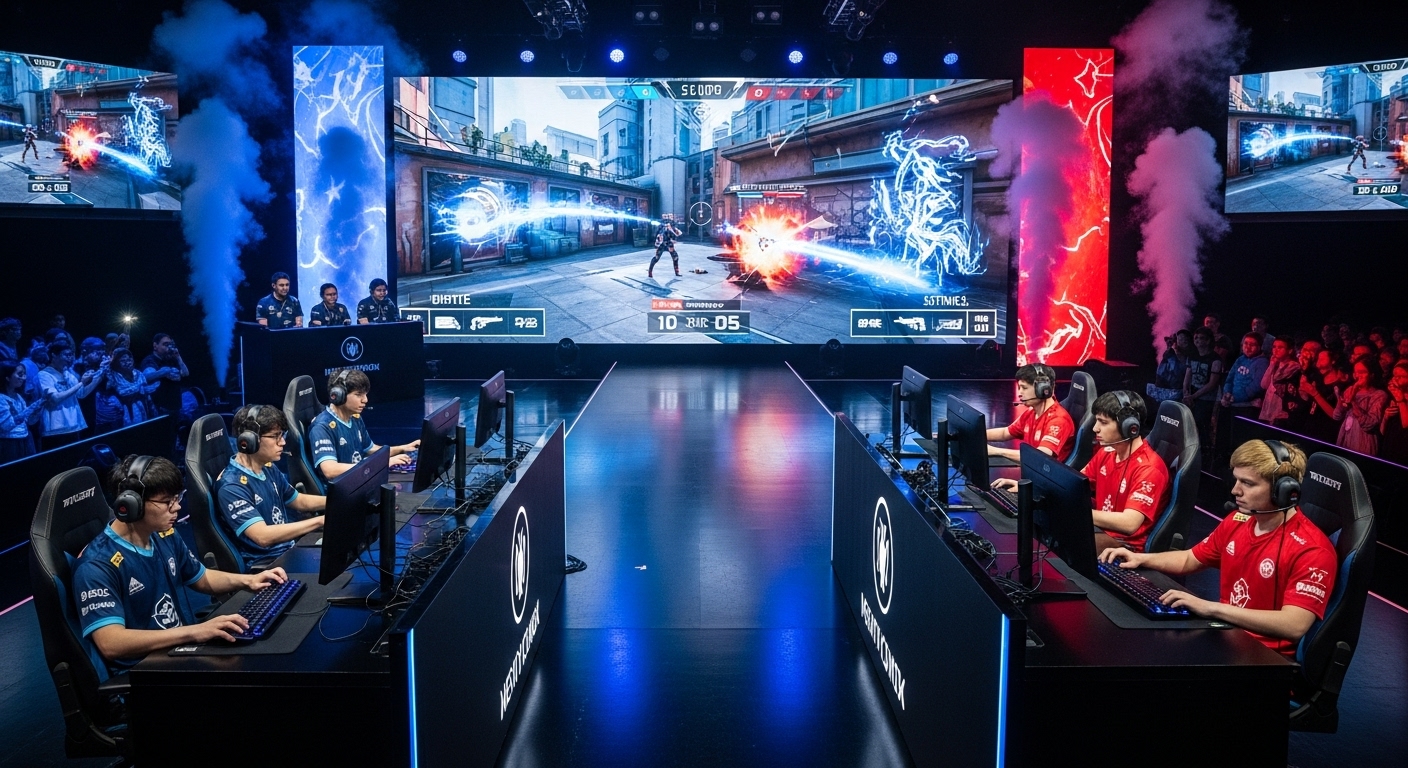
Advancements in broadcasting and production quality transformed esports tournaments into visually stunning spectacles. With professional commentary, instant replays, and cinematic camera work, esports broadcasts began to rival traditional sports in entertainment value.
Virtual reality, cloud gaming, and artificial intelligence are now beginning to shape the future of esports further. These technologies promise even more immersive experiences, smarter training systems, and fairer competition through improved anti-cheat mechanisms.
The Rise of Esports Titles
Certain games have defined the esports landscape. Titles like League of Legends, Dota 2, Counter-Strike: Global Offensive, Overwatch, and Fortnite have become synonymous with professional gaming. Each game has its own ecosystem, complete with leagues, teams, and dedicated fan communities.
League of Legends became a phenomenon with its global tournaments attracting millions of viewers. Dota 2, with its The International championship, broke records for the largest prize pools in esports history. Meanwhile, Counter-Strike maintained its dominance as one of the most enduring competitive games, appreciated for its simplicity and skill-based mechanics.
Battle royale titles like Fortnite and PUBG introduced new dynamics to esports, emphasizing survival, strategy, and quick decision-making. These games attracted not only competitive players but also casual gamers who could relate to the format.
The Professionalization of Esports
Today, esports is no longer a casual pastime but a structured profession. Players train rigorously, often practicing for eight to ten hours a day. They study game strategies, analyze opponents, and work with coaches, nutritionists, and psychologists to maintain peak performance. Esports organizations operate much like traditional sports teams, with managers, analysts, and sponsorship deals.
Salaries for top esports players can reach hundreds of thousands or even millions of dollars annually. Prize pools continue to grow, and brand sponsorships from major corporations have turned esports into a lucrative career option for talented gamers.
The ecosystem also includes casters, analysts, event organizers, and content creators. This expansion has created a diverse job market within esports, supporting thousands of individuals beyond the players themselves.
Esports and the Education System
An interesting development in recent years is the integration of esports into education. Schools and universities around the world now offer esports programs, scholarships, and courses related to gaming, management, and digital media. These programs recognize the potential of esports not only as entertainment but as a serious field of study and career development.
Students can specialize in areas like game design, esports marketing, and team management. By legitimizing esports in academic institutions, the industry gains further credibility and sustainability.
The Role of Streaming and Social Media
The rise of streaming platforms completely changed the way people consume esports content. Live streaming allows fans to watch matches, interact with players, and engage with communities in real time. Social media platforms amplify this by promoting highlights, memes, and updates, keeping fans connected at all times.
Streamers have become influencers in their own right, often commanding massive audiences. Their ability to entertain, teach, and communicate directly with fans bridges the gap between professionals and the gaming community. This accessibility has been key to the growth of esports as both a sport and a form of entertainment.
Esports as a Cultural Movement
Esports has transcended gaming to become a cultural phenomenon. It represents the merging of technology, entertainment, and youth culture. Events like world championships attract millions of viewers, comparable to the audience sizes of traditional sports like basketball or football.
Gaming celebrities appear on talk shows, and esports events are held in stadiums that once hosted major sports leagues. Music performances, brand collaborations, and mainstream media coverage have made esports part of the global cultural landscape.
For younger generations, esports is not just a game—it’s a lifestyle. The fashion, language, and even humor of gaming culture influence social trends, music, and media.
Economic Impact of Esports
Esports has become a multi-billion-dollar industry. The revenue comes from sponsorships, advertising, ticket sales, and merchandise. Companies across technology, food, energy drinks, and apparel have invested heavily in esports to reach younger audiences.
Tournament organizers generate significant income from broadcasting rights and partnerships, while cities hosting large esports events benefit from tourism and local business growth. The esports economy has proven resilient, even during times when other entertainment sectors struggled, largely due to its digital nature.
Challenges Facing the Esports Industry
Despite its success, esports faces several challenges. Maintaining fair play is one of them. Issues such as cheating, match-fixing, and toxic behavior can damage the credibility of the scene. As esports continues to professionalize, regulation and player welfare have become major priorities.
Mental and physical health are also concerns. Long hours of practice and intense competition can lead to burnout. Many organizations are now implementing support systems to help players manage stress, maintain balance, and ensure longevity in their careers.
Another challenge is sustainability. While top-tier tournaments receive massive funding, smaller competitions and grassroots levels often struggle financially. Creating a balanced ecosystem that supports both professionals and amateurs is essential for the continued growth of esports.
Esports and Gender Diversity
Historically, esports has been male-dominated, but this is slowly changing. Female gamers and teams are gaining visibility and respect within the industry. Initiatives promoting gender inclusivity aim to create safe and welcoming environments for everyone.
Women’s tournaments, mixed-gender teams, and female esports organizations have emerged, breaking barriers and inspiring a new generation of gamers. As inclusivity increases, esports becomes richer and more representative of its diverse global audience.
The Globalization of Esports
Esports knows no borders. Players from every continent compete at the highest levels, and fans come together from around the world to celebrate their favorite teams. Regions like North America, Europe, South Korea, China, and Southeast Asia have become powerhouses in various titles.
This international nature makes esports a true global phenomenon. Cultural differences fade away in the face of shared passion for the game. Esports tournaments often feature multilingual commentary, international fan art, and cross-border collaborations that bring the community closer together.
The Future of Esports
Looking ahead, the future of esports appears incredibly bright. Advancements in technology, such as virtual and augmented reality, may create entirely new types of competitive experiences. Mobile gaming is also becoming a dominant force, especially in emerging markets where smartphones are more accessible than gaming PCs.
Traditional sports organizations are now investing in esports, recognizing its potential to engage new audiences. The integration of esports into the Olympic Games is being discussed, showing how far the industry has come in earning legitimacy.
Artificial intelligence may also transform training and analytics, allowing teams to analyze patterns, predict strategies, and optimize performance. The line between physical and digital competition will continue to blur as technology evolves.
The Human Side of Esports
Beyond the lights, screens, and prize money, esports is about human stories. It’s about teamwork, perseverance, passion, and resilience. The excitement of victory, the heartbreak of defeat, and the pursuit of excellence are universal emotions shared by all competitors, whether on a football field or in front of a computer monitor.
Esports teaches valuable lessons—discipline, communication, and adaptability. Many players start from humble beginnings, overcoming challenges to reach professional success. Their journeys inspire millions, proving that with dedication and skill, anyone can achieve greatness in the digital arena.
Conclusion
Esports is no longer just a subculture—it is a global phenomenon that bridges the gap between technology, competition, and entertainment. Its evolution from small tournaments to multi-million-dollar spectacles reflects the power of human creativity and innovation.
As the world continues to embrace digital lifestyles, esports stands as a symbol of the modern age—where passion meets technology, and competition knows no boundaries. Whether you are a player, fan, or casual observer, the story of esports is one that continues to unfold, shaping the future of entertainment for generations to come.