Introduction: The Rise of a Global Phenomenon
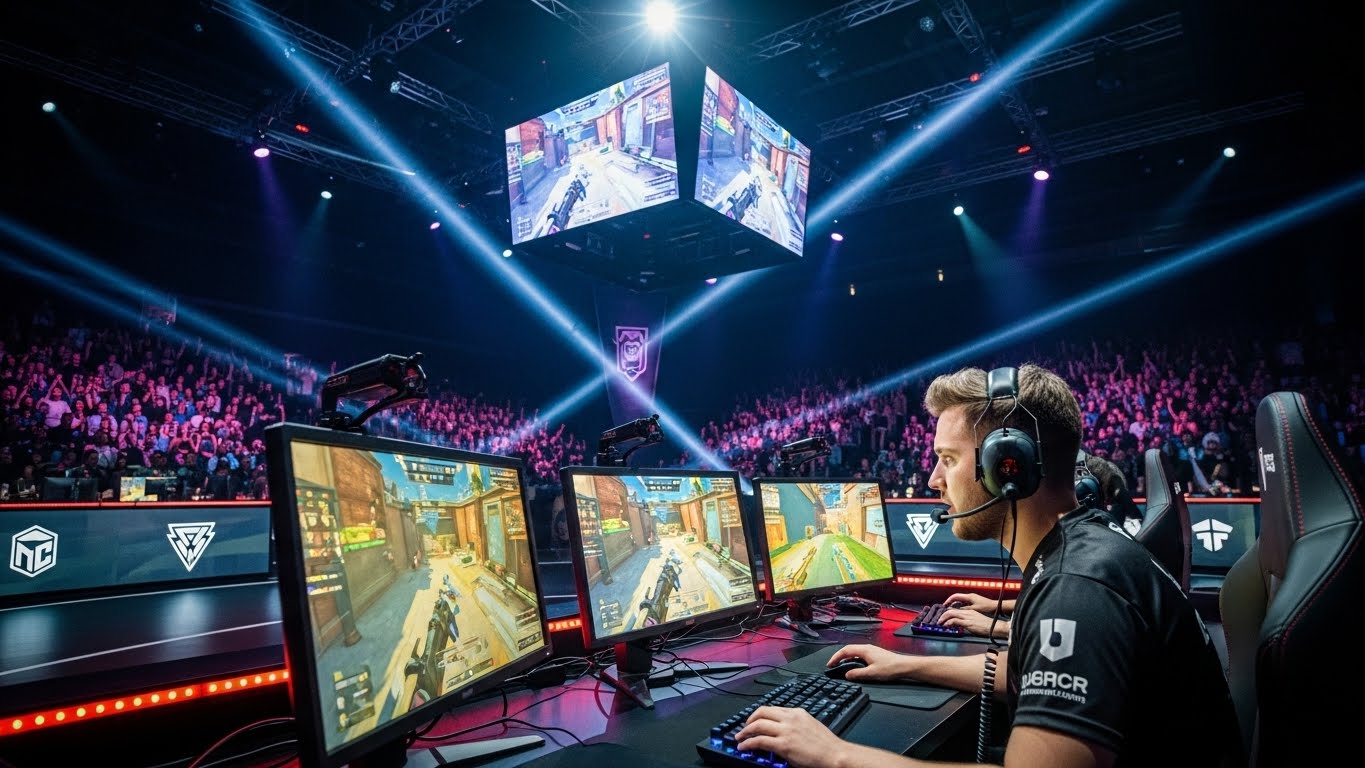
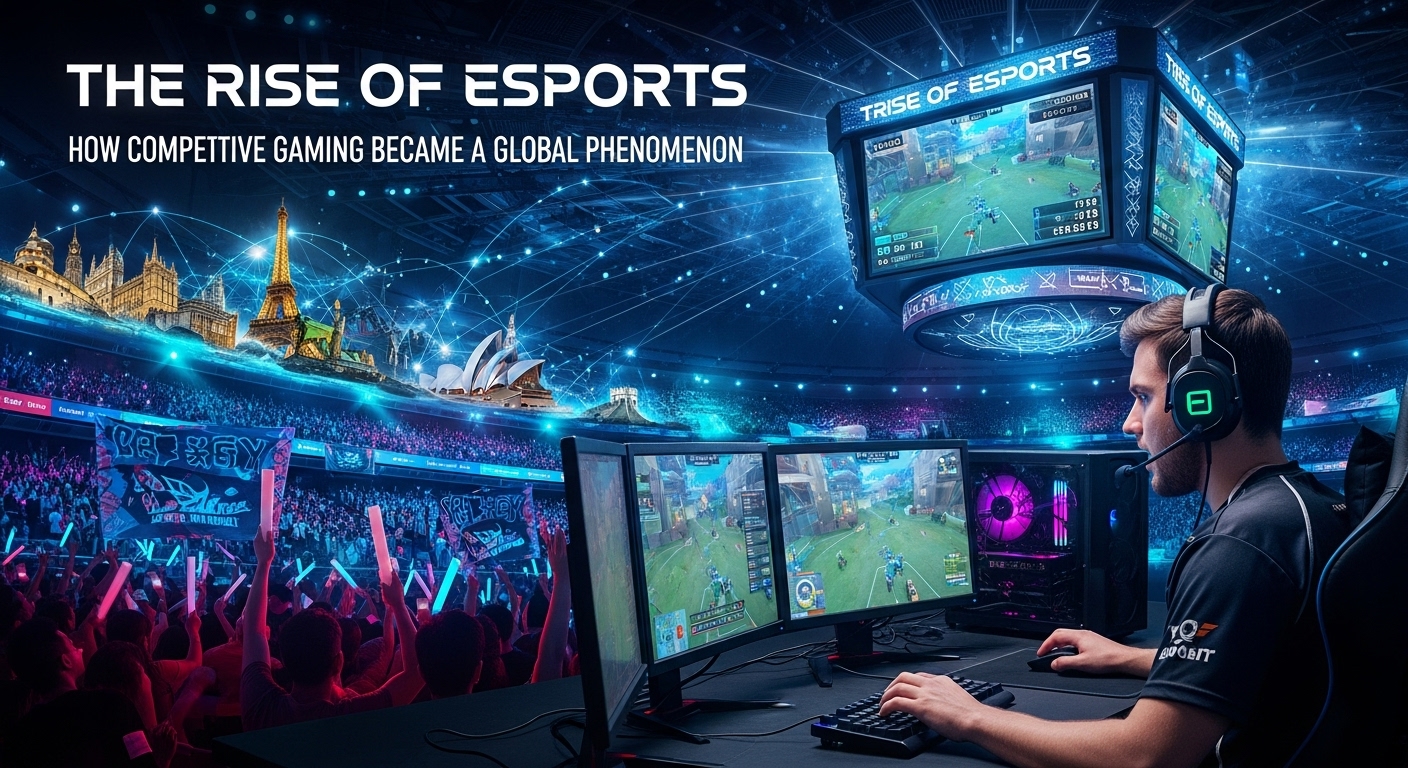
Esports, short for electronic sports, has evolved from niche hobbyist competitions to a global phenomenon that captivates millions of fans worldwide. Over the past decade, competitive gaming has transcended living rooms and internet cafes to fill massive arenas, attract corporate sponsorships, and even influence mainstream culture. This rise is not accidental; it is fueled by advancements in technology, social media, and the ever-growing appeal of gaming as a spectator sport. The digital arena has created a new breed of athletes who compete not with physical prowess alone but with precision, strategy, and mental agility.
Esports has carved a unique identity, bridging entertainment, technology, and sportsmanship. Unlike traditional sports, where physical performance is the primary metric, esports emphasizes reflexes, teamwork, and adaptability. With tournaments offering prize pools comparable to traditional sporting events, and professional players enjoying celebrity-like status, esports represents a paradigm shift in how we perceive competition and entertainment in the 21st century.
The History of Esports: From Arcade Tournaments to Global Leagues
The roots of esports can be traced back to the late 1970s and 1980s, when arcade games like Space Invaders and Pac-Man first sparked competitive play. Early competitions were often localized, organized by gaming clubs or arcade owners. However, the 1990s marked a turning point with the rise of personal computers and the internet. Games like Doom, Quake, and StarCraft popularized multiplayer competitions, enabling players from different regions to compete online.
By the 2000s, esports began to take a more professional shape. South Korea became a hotspot for competitive gaming, particularly with the success of StarCraft: Brood War. South Korean players achieved celebrity status, television networks broadcasted tournaments, and gaming organizations started formalizing training regimens for professional players. This period laid the foundation for modern esports, establishing leagues, sponsorship models, and a global competitive infrastructure.
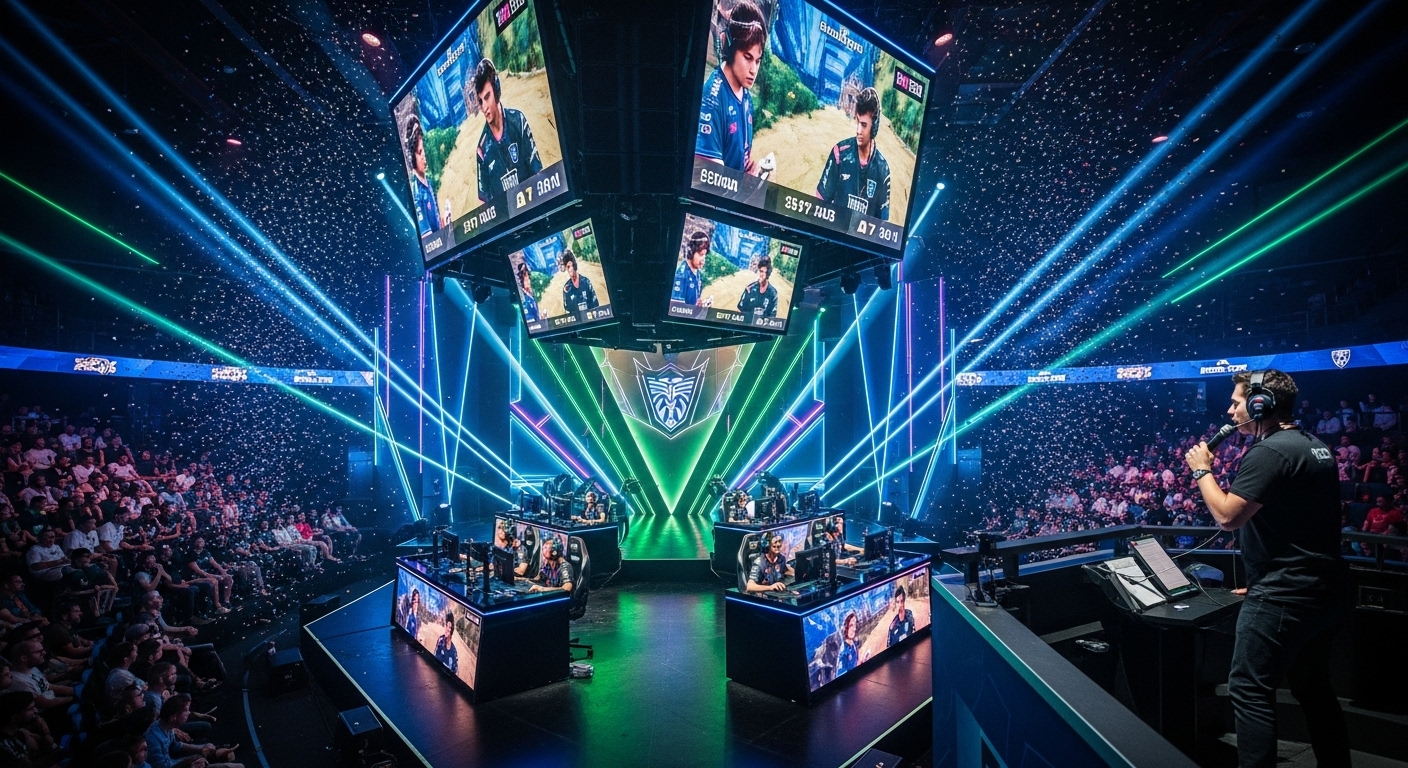
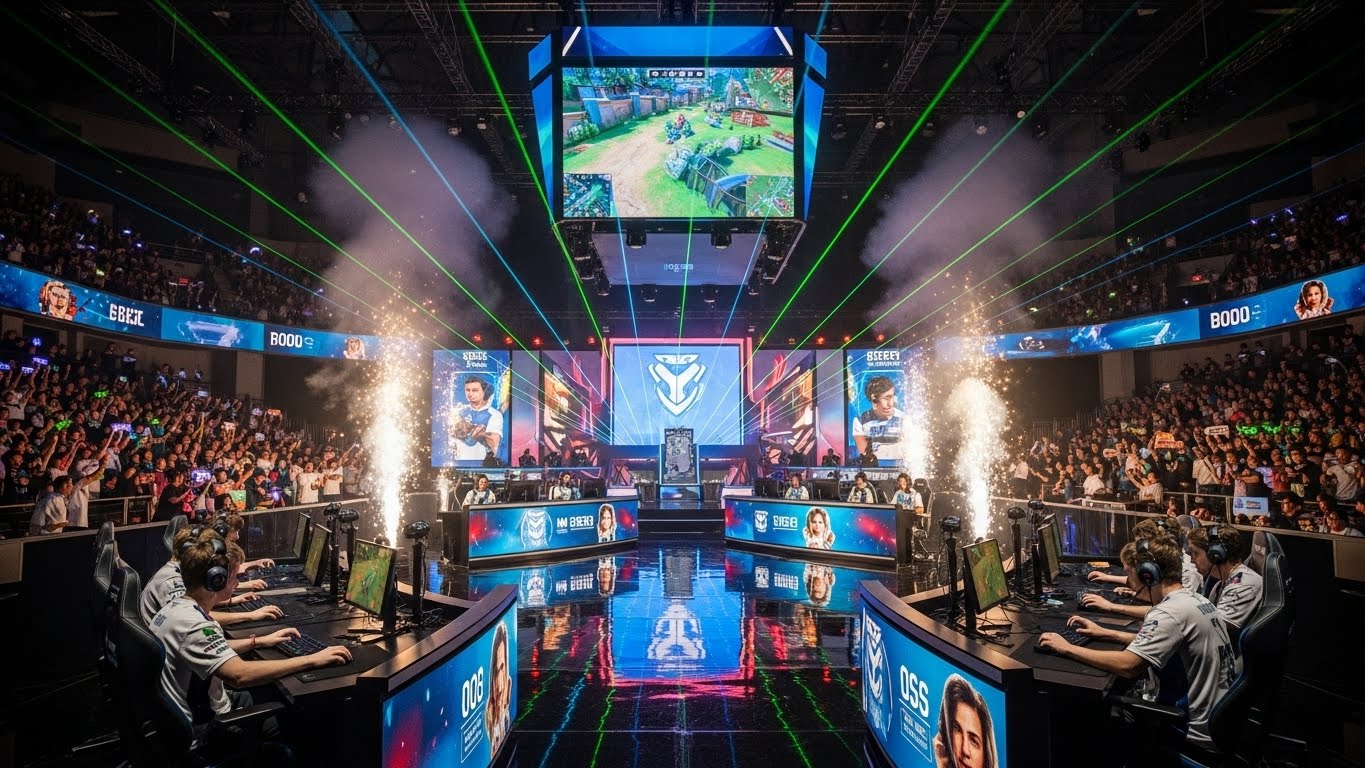
The 2010s witnessed exponential growth with the release of games like League of Legends, Dota 2, and Counter-Strike: Global Offensive. Massive tournaments like The International and the League of Legends World Championship attracted millions of viewers worldwide, turning esports into a mainstream spectacle. Streaming platforms such as Twitch and YouTube Gaming further accelerated its growth by providing fans direct access to live competitions and content creators.
Popular Esports Titles: The Games That Captivate Millions
Esports is diverse, with games spanning multiple genres, each attracting unique audiences and competitive structures. Multiplayer online battle arenas, or MOBAs, such as League of Legends and Dota 2, dominate in terms of professional tournaments and prize pools. These games require strategic coordination among team members, in-depth knowledge of game mechanics, and quick decision-making skills. Their complexity and strategic depth have made them highly popular among both players and spectators.
First-person shooters, including Counter-Strike: Global Offensive and Call of Duty, are staples of competitive gaming. Success in these games relies heavily on reflexes, precision aiming, and tactical teamwork. Their fast-paced gameplay translates into thrilling viewing experiences, making them highly engaging for audiences worldwide.
Battle royale games, such as Fortnite and Apex Legends, have introduced new competitive dynamics. With large-scale free-for-all maps and unpredictable gameplay, these games challenge players to adapt on the fly, making every match unique. Fighting games and sports simulation titles, including Street Fighter and FIFA, also contribute to esports diversity, catering to niche but passionate fan bases.
The Business of Esports: Sponsorships, Media, and Revenue Streams
The esports industry has developed into a multi-billion-dollar business, fueled by sponsorships, media rights, merchandise, and ticket sales. Corporate sponsors, ranging from tech companies to energy drink brands, recognize the marketing potential of engaging with a young, tech-savvy audience. Sponsorship deals often include brand placement during tournaments, endorsements by popular players, and collaborations with streaming platforms.
Media rights have become another significant revenue stream. Major tournaments are broadcasted on television networks and streaming platforms, often reaching millions of viewers simultaneously. The integration of digital content and live events allows organizations to monetize through advertisements, subscription services, and exclusive content offerings.
Merchandising and ticket sales further strengthen the economic framework. Fans eagerly purchase team jerseys, gaming peripherals, and memorabilia, contributing to a culture of fandom that mirrors traditional sports. Esports organizations are increasingly diversifying revenue sources by creating content studios, launching gaming academies, and investing in media production, ensuring long-term sustainability.
Training and Professionalism: The Life of an Esports Athlete
Becoming a professional esports player requires rigorous training, discipline, and mental fortitude. Unlike casual gaming, professional esports demands consistent practice, strategic understanding, and physical wellness. Many players dedicate eight to twelve hours a day to practice, refining mechanics, team coordination, and game knowledge. Coaches, analysts, and support staff help players study opponents, develop strategies, and maintain peak performance.
Physical and mental health is crucial in a field often associated with prolonged screen time. Professional teams employ nutritionists, psychologists, and fitness trainers to ensure players remain healthy and focused. Esports athletes must handle high-pressure situations, maintain composure under scrutiny, and develop resilience against the intense stress of competition.
The career of an esports athlete is often short but rewarding. Many players transition into coaching, content creation, or organizational management after their competitive tenure, extending their influence within the industry.
Esports Communities and Culture
Esports is more than just competition; it is a culture that thrives on community engagement and shared experiences. Online forums, social media groups, and streaming platforms create spaces for fans to interact, share insights, and celebrate their favorite players. The rise of content creators and influencers has amplified the social aspect, allowing audiences to connect with professional players and personalities on a personal level.
Fan engagement is also fueled by tournaments, cosplay events, and conventions. These gatherings provide opportunities for fans to celebrate their passion, meet players, and participate in community-driven activities. The inclusive nature of esports has encouraged participation across gender, geography, and cultural backgrounds, fostering a sense of global community.
Challenges in the Esports Industry
Despite its rapid growth, esports faces several challenges. The lack of standardized regulations across countries and games creates inconsistencies in competitive integrity and player rights. Issues such as cheating, match-fixing, and unethical management practices occasionally tarnish the industry’s reputation. Moreover, concerns about player burnout, mental health, and long-term career prospects remain significant.
Monetization and accessibility are also challenges. While top-tier esports athletes earn substantial incomes, many players struggle to sustain themselves financially. Smaller tournaments often lack sufficient funding, limiting opportunities for emerging talent. Accessibility issues, including hardware costs and internet connectivity, further restrict participation in certain regions.
Addressing these challenges requires a combination of policy development, industry regulation, and community-driven solutions. Initiatives focusing on player welfare, transparent governance, and ethical practices are essential for ensuring sustainable growth.
The Future of Esports: Innovation and Expansion
The future of esports looks promising, with technological innovation and societal trends driving continued growth. Virtual reality and augmented reality promise new forms of immersive competition, transforming how players and audiences experience games. Artificial intelligence can enhance training, strategy development, and audience engagement, creating smarter, more dynamic gameplay experiences.
Esports is also expanding into education and professional development. Universities and schools offer esports scholarships and academic programs, recognizing the potential of competitive gaming as a career pathway. This integration elevates esports from entertainment to a recognized field of skill, strategy, and opportunity.
Globalization will further cement esports as a mainstream phenomenon. As tournaments continue to reach wider audiences, regional talent will gain international recognition, and cross-cultural collaborations will enrich the esports ecosystem. The industry’s adaptability and digital nature make it uniquely positioned to thrive in a rapidly evolving technological landscape.
Conclusion: Esports as a Cultural and Competitive Force
Esports is no longer a peripheral form of entertainment; it is a cultural and competitive force shaping the future of gaming, sports, and media. Its growth reflects broader societal trends in digital connectivity, entertainment consumption, and youth culture. With professional players, global tournaments, and engaged communities, esports exemplifies the fusion of competition, strategy, and creativity in the digital age.
As the industry continues to evolve, it will redefine traditional notions of sportsmanship, teamwork, and success. Esports is not merely about playing games; it is about dedication, innovation, and connecting communities across the globe. The digital arena has proven that skill, strategy, and passion are universal languages capable of inspiring millions, making esports a defining phenomenon of our time.