
Introduction
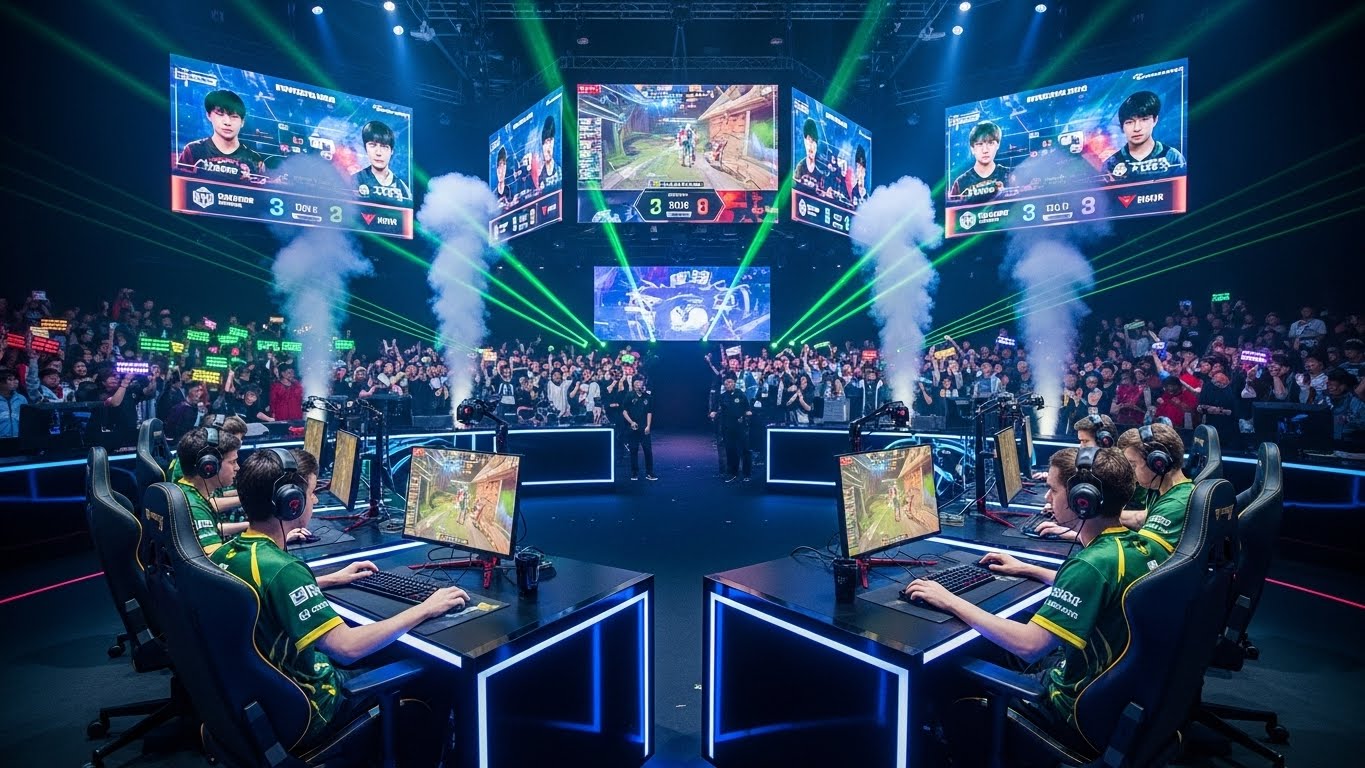
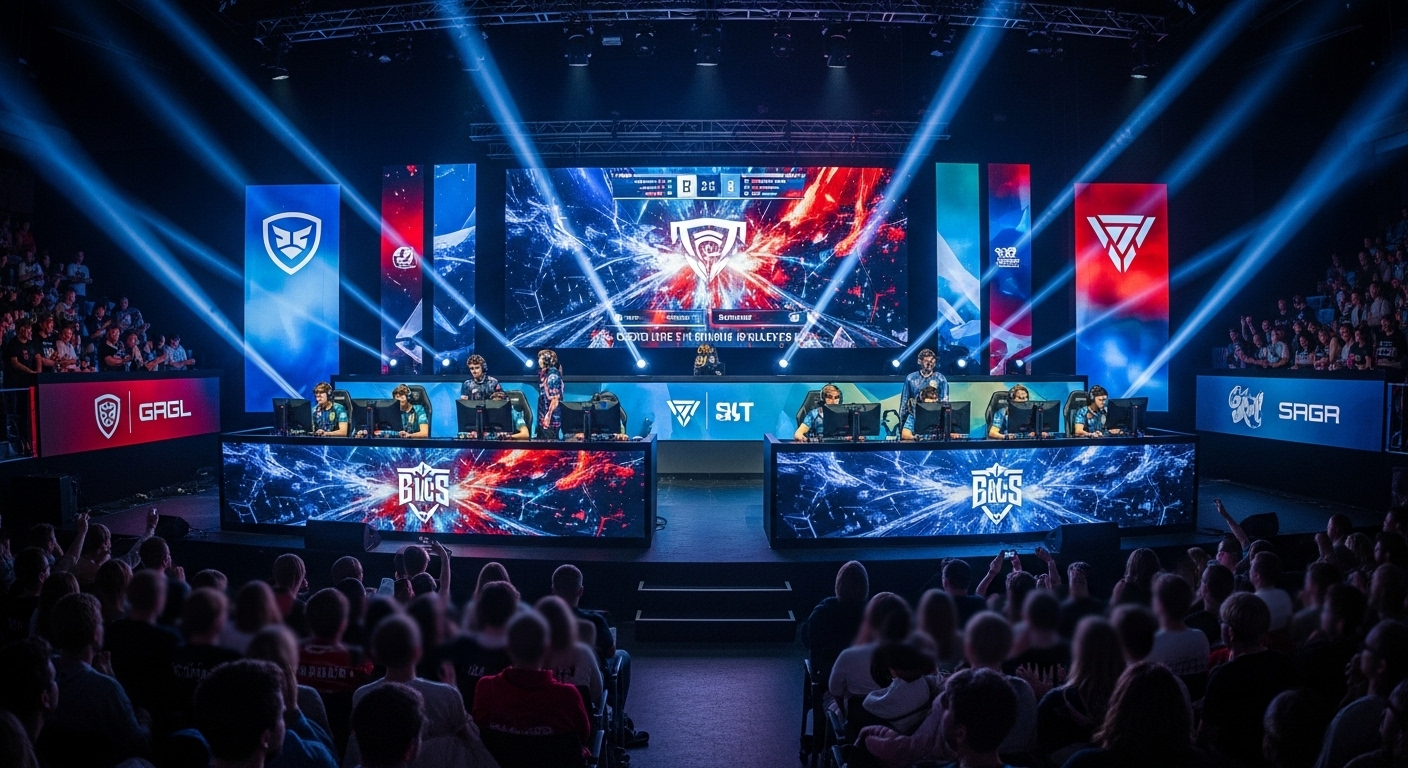
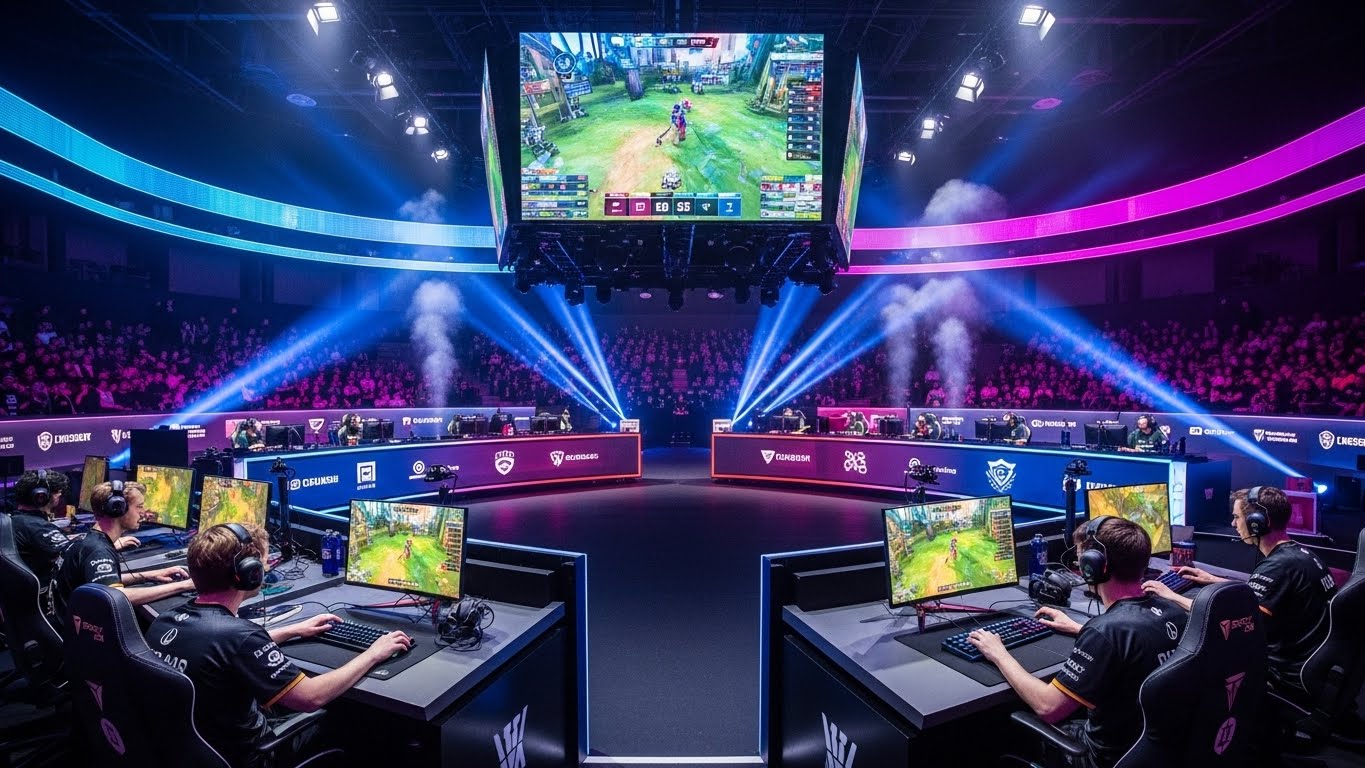
Not long ago, playing video games competitively was seen as little more than a pastime for teenagers in dimly lit rooms. Today, that same activity fills arenas, commands multimillion-dollar sponsorships, and attracts millions of viewers worldwide. Esports, short for electronic sports, has transformed from an underground community into one of the fastest-growing industries in modern entertainment. This rise didn’t happen overnight—it’s a story of technology, culture, and the undeniable human love for competition.
The Early Days of Competitive Gaming
To understand the massive world of esports today, it’s worth looking back at where it all began. Competitive gaming traces its roots to the late 1970s and early 1980s. The earliest tournaments weren’t about glory or money; they were about bragging rights. In 1980, Atari hosted what many consider the first major video game competition—the Space Invaders Championship. Thousands of players participated, proving that gaming had the power to bring people together in a way few expected.
As arcade games gained popularity, competitions became more frequent. Games like Pac-Man, Donkey Kong, and Street Fighter built local communities of players who would challenge each other for high scores. The gaming scene was small, but the passion was enormous. The idea that one could be the “best” at a game was enough to drive fierce rivalries long before esports became a global phenomenon.
The Internet Revolution and Online Play
The biggest shift came with the rise of the internet in the 1990s. Before that, gamers were limited by geography—you could only compete against those who were physically near you. The internet removed that barrier completely. Suddenly, players could face off against opponents from across the world without leaving their bedrooms.
Games like Quake, Counter-Strike, and StarCraft pioneered the concept of online competitive play. South Korea, in particular, became the epicenter of this new form of entertainment. The government invested heavily in high-speed internet, and young players began dedicating hours to perfecting their craft. Television networks started broadcasting StarCraft tournaments, turning gamers into celebrities.
The combination of fast internet, growing communities, and improving technology set the stage for what we now call esports. Players weren’t just competing for fun anymore—they were competing for recognition, sponsorships, and money.
The 2000s: Esports Finds Its Identity
As the new millennium arrived, gaming became mainstream. Consoles like the PlayStation 2, Xbox, and later the Xbox 360 and PlayStation 3 brought online gaming into homes everywhere. At the same time, PC gaming continued to thrive, especially with titles that encouraged teamwork and strategy.
Games such as Counter-Strike 1.6, Warcraft III, and Dota became the foundation of modern esports. Online leagues emerged, often organized by passionate communities rather than corporations. This was a golden era of grassroots competition, where skill and community effort defined success.
During this period, esports began to attract sponsors. Hardware companies like Intel, Nvidia, and Razer saw opportunities to market their products to a rapidly growing audience. While prize pools were modest compared to today, they were enough to turn dedicated players into professionals. Tournaments began offering real money, and gaming teams formed, complete with coaches, managers, and structured training schedules.
The Age of Streaming and Social Media
While the early 2000s were about competition, the 2010s were about visibility. Platforms like Twitch and YouTube transformed esports into a spectator sport. Before this, watching a game required being physically present at an event or downloading massive video files. Streaming changed everything by allowing anyone with an internet connection to watch live matches in real time.
This accessibility brought esports into mainstream consciousness. Gamers weren’t just competing anymore—they were entertaining. Popular players gained millions of followers, blurring the line between athlete and influencer. Esports organizations started to look more like traditional sports franchises, with branding, fan bases, and merchandise.
Viewership numbers skyrocketed. The 2013 League of Legends World Championship drew over 30 million viewers, rivaling major traditional sports events. That milestone proved esports wasn’t just a niche hobby anymore—it was a global entertainment industry.
The Business of Esports
As audiences grew, so did the money. Major corporations began to take notice. Companies like Coca-Cola, Red Bull, and Nike invested heavily in esports sponsorships. Streaming rights, merchandising, advertising, and franchise models brought structure and legitimacy to the industry.
Game publishers realized that esports wasn’t just good for competition—it was good for business. Riot Games built an entire ecosystem around League of Legends, complete with regional leagues, world championships, and player contracts. Blizzard Entertainment did the same with Overwatch, launching the Overwatch League, a city-based model inspired by traditional sports.
Today, esports is valued in the billions. Prize pools for major tournaments can reach tens of millions of dollars. For example, games like Dota 2 and Fortnite have awarded some of the largest prize purses in competitive history. Teams operate like professional sports clubs, hiring analysts, psychologists, nutritionists, and fitness trainers to optimize performance.
The Culture Behind Esports
At its heart, esports is more than just competition—it’s culture. The community aspect is what truly drives the industry. Fans form deep connections with teams and players, much like supporters of football or basketball teams. Social media amplifies this relationship, allowing fans to interact directly with their favorite players.
Esports has also fostered a global sense of belonging. Gamers from every corner of the world come together, often transcending language and cultural barriers. Whether someone’s from Seoul, Los Angeles, or Stockholm, they can all share in the excitement of a close match or a legendary comeback.
There’s also an artistic side to esports culture. From fan art to cosplay to live events filled with music and performance, esports has become a melting pot of creativity. The community thrives not only on competition but also on shared experiences and collective identity.
The Role of Technology
Technology has always been at the core of esports, driving its growth and shaping its possibilities. Better hardware means smoother gameplay, fewer lags, and higher precision. High-refresh-rate monitors, mechanical keyboards, and advanced gaming mice have become essential tools of the trade.
On the software side, developers have fine-tuned games to ensure competitive fairness. Features like spectator modes, replay systems, and matchmaking algorithms are now standard. These innovations make it easier to run tournaments and for fans to enjoy watching them.
Artificial intelligence and data analytics are now entering the scene, providing teams with insights into player performance and strategy optimization. Just like in traditional sports, where teams study game film and statistics, esports teams use technology to gain an edge.
The Players: Modern-Day Athletes
One of the most debated topics in the early days of esports was whether gamers could be considered athletes. That argument is largely settled now. Professional gamers train intensely, often practicing for 8–12 hours a day. Their focus, reflexes, and strategic thinking are comparable to what you’d expect from professional athletes in any sport.
The mental strain is enormous. Maintaining concentration during high-stakes matches, adapting strategies in real time, and managing nerves under pressure require serious psychological resilience. Many teams now employ sports psychologists to help players handle the mental demands of competition.
Physical health has also become a priority. Although esports doesn’t involve physical exertion like traditional sports, posture, eye health, and repetitive strain injuries are real concerns. Players follow exercise routines, proper nutrition plans, and rest schedules to maintain peak performance.
Global Expansion and Regional Powerhouses
Esports is a global phenomenon, but certain regions have become particularly influential. South Korea remains the spiritual home of competitive gaming, thanks to its early embrace of the scene. China has emerged as a powerhouse, with massive audiences and government recognition of esports as an official profession.
In North America, esports has grown rapidly thanks to big investments and professional league structures. Europe continues to produce world-class players across various games, and regions like Southeast Asia, Brazil, and the Middle East are experiencing explosive growth as internet access improves.
The global nature of esports is one of its greatest strengths. International tournaments often feature players from dozens of countries, creating cultural exchanges rarely seen in other sports. It’s not uncommon to see mixed-language teams, with players learning new languages just to communicate effectively.
Esports in Education
One of the most interesting developments in recent years is the introduction of esports into education. Schools and universities have begun offering scholarships for talented players, treating esports like traditional athletics. Programs teach not only gameplay but also related skills such as event management, marketing, and broadcasting.
This educational push legitimizes esports as a career path. It provides young players with structure and opportunities to pursue their passion responsibly. Beyond competition, students can find careers in production, analysis, journalism, or coaching—all within the esports ecosystem.
The Challenges Facing Esports
Despite its rapid rise, esports isn’t without challenges. One of the biggest concerns is sustainability. The industry’s growth has been fueled by hype and investment, but profitability remains tricky. Some organizations struggle to balance costs with revenue, especially given the high expenses of maintaining teams, organizing events, and creating content.
Player burnout is another issue. The intense schedule and pressure can lead to mental and physical exhaustion. Some players retire in their early twenties, highlighting the need for better health management and career longevity planning.
Toxic behavior and online harassment also pose problems. Because much of esports takes place online, players and fans alike face issues with cyberbullying and negative community interactions. Many organizations are now implementing stricter codes of conduct and mental health support to address this.
Finally, there’s the matter of regulation. Esports lacks a single governing body, leading to inconsistent rules, pay structures, and oversight. As the industry matures, developing a unified framework for fair play and player protection will be essential.
The Future of Esports
Looking ahead, esports shows no signs of slowing down. Technological advancements such as virtual reality, augmented reality, and AI-driven analytics could revolutionize how games are played and viewed. VR esports, for instance, could make competitions more immersive, combining physical movement with digital strategy.
Mainstream acceptance continues to grow. Esports events are now featured alongside traditional sports in multi-sport competitions, and discussions about including esports in the Olympics are ongoing. Sponsorship deals are becoming more long-term, and media coverage has expanded to include major news outlets.
Mobile gaming is another key growth area. With smartphones becoming more powerful, mobile esports titles like PUBG Mobile and Mobile Legends have attracted massive audiences, especially in regions where PC and console gaming are less accessible.
The integration of esports into everyday life—through education, entertainment, and media—suggests that it’s here to stay. As technology evolves and new generations grow up surrounded by gaming, esports will likely become an even more significant part of global culture.
The Human Element
Amid all the technology, investment, and global expansion, the heart of esports remains deeply human. It’s about competition, teamwork, and passion. It’s about people pushing themselves to be better and sharing that journey with millions of others.
For many, esports represents opportunity. It provides a sense of belonging, a career path, or simply a source of joy. Whether you’re a player, a fan, or a casual viewer, esports offers something unique—a space where talent meets technology, and where anyone with skill and dedication can rise to the top.
Conclusion
From the arcade machines of the 1980s to today’s multimillion-dollar tournaments streamed to millions, esports has come a long way. It’s a story of innovation, community, and human connection through competition. What began as a small hobby has grown into a global movement, reshaping how we think about sports, entertainment, and even careers.
The future of esports isn’t just bright—it’s boundless. As technology continues to evolve and as society continues to embrace gaming as a legitimate pursuit, the line between virtual and traditional competition will blur even further. Esports has proven that passion and skill can create something extraordinary, no matter the medium. And in that sense, it isn’t just the future of gaming—it’s the future of competition itself.