The Rise of Esports: From Niche Hobby to Global Phenomenon
Esports, short for electronic sports, has evolved into one of the most influential and rapidly growing sectors in the entertainment industry. Once considered a niche hobby for enthusiasts, competitive gaming now attracts millions of players, viewers, and investors worldwide. The combination of skill, strategy, teamwork, and technological innovation has elevated esports from casual gaming to a fully-fledged professional arena. Today, esports is not just about playing games; it is about careers, global competitions, media engagement, and cultural impact. This blog explores the evolution, development, and future of esports, highlighting the factors that have propelled it to global prominence.
The Origins of Competitive Gaming
The concept of competitive gaming is not new. The first organized video game competitions date back to the 1970s and 1980s, when arcade machines and early home consoles became popular. One of the earliest recorded competitions, the 1980 Space Invaders Championship in the United States, attracted thousands of participants and demonstrated the potential for gaming as a competitive activity.
Arcade culture during this era was pivotal in shaping early esports communities. Players would compete for high scores, gaining recognition and respect among peers. Games such as Pac-Man, Donkey Kong, and Street Fighter were more than entertainment—they were platforms for skill, strategy, and social interaction. Home consoles like the Atari 2600 expanded accessibility, allowing gamers to practice and compete from their own living rooms.
The Internet Revolution and Online Gaming
The 1990s ushered in the internet revolution, fundamentally transforming gaming. Multiplayer online games allowed players from across the globe to compete in real time, creating international communities and new forms of competition. Titles such as StarCraft in South Korea and Counter-Strike in Europe became early examples of games fostering competitive scenes with dedicated followings.
South Korea emerged as a pioneer in professional esports. The country embraced gaming culturally, broadcasting tournaments on television and creating dedicated esports arenas. StarCraft tournaments in the early 2000s drew massive audiences, establishing the template for modern esports leagues. This model emphasized professional training, organized competition, and fan engagement, demonstrating that gaming could evolve into a legitimate career and entertainment medium.
The Professionalization of Esports
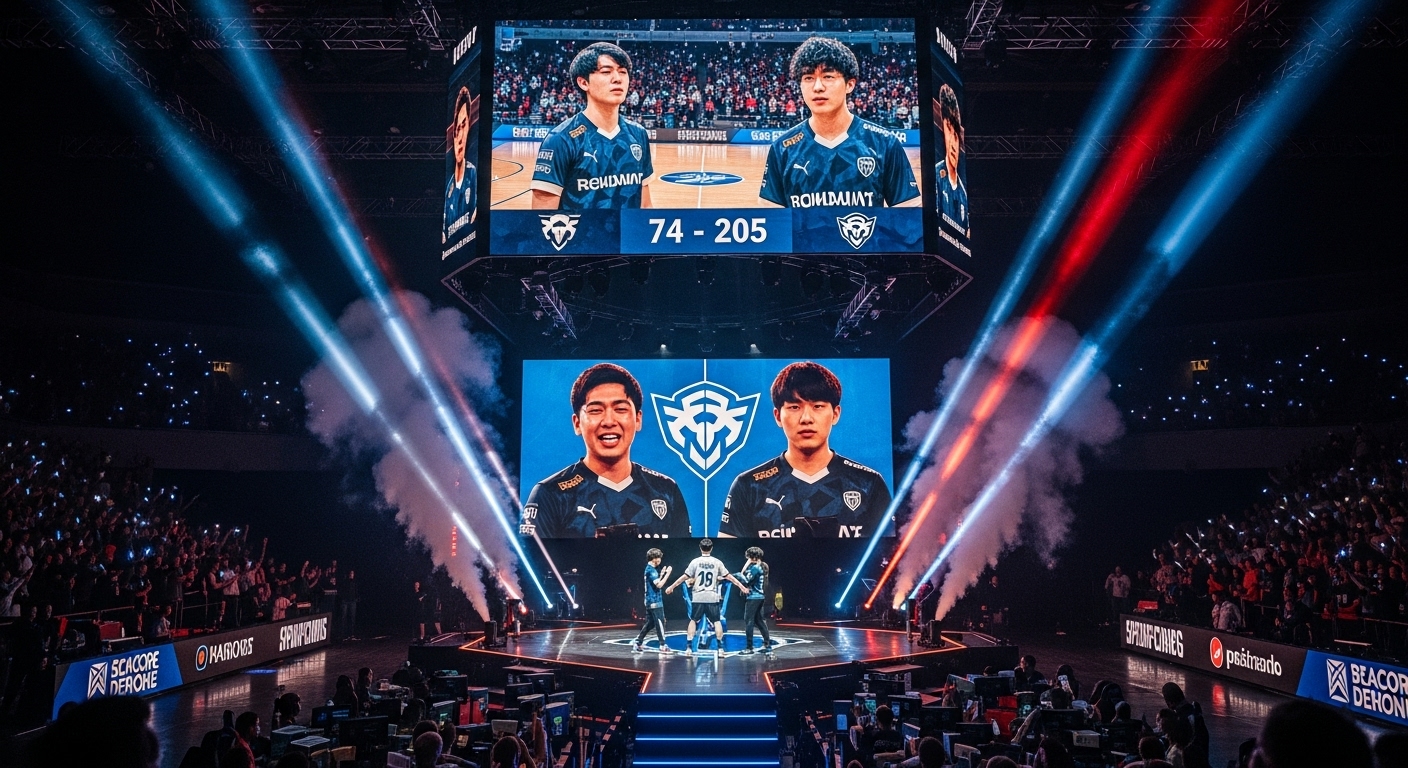
Professionalization is a defining characteristic of modern esports. Top players commit to rigorous training schedules, sometimes practicing eight to twelve hours per day, developing skills, strategies, and teamwork necessary to compete at the highest levels. Professional teams operate like traditional sports organizations, employing coaches, analysts, psychologists, and support staff to ensure peak performance.
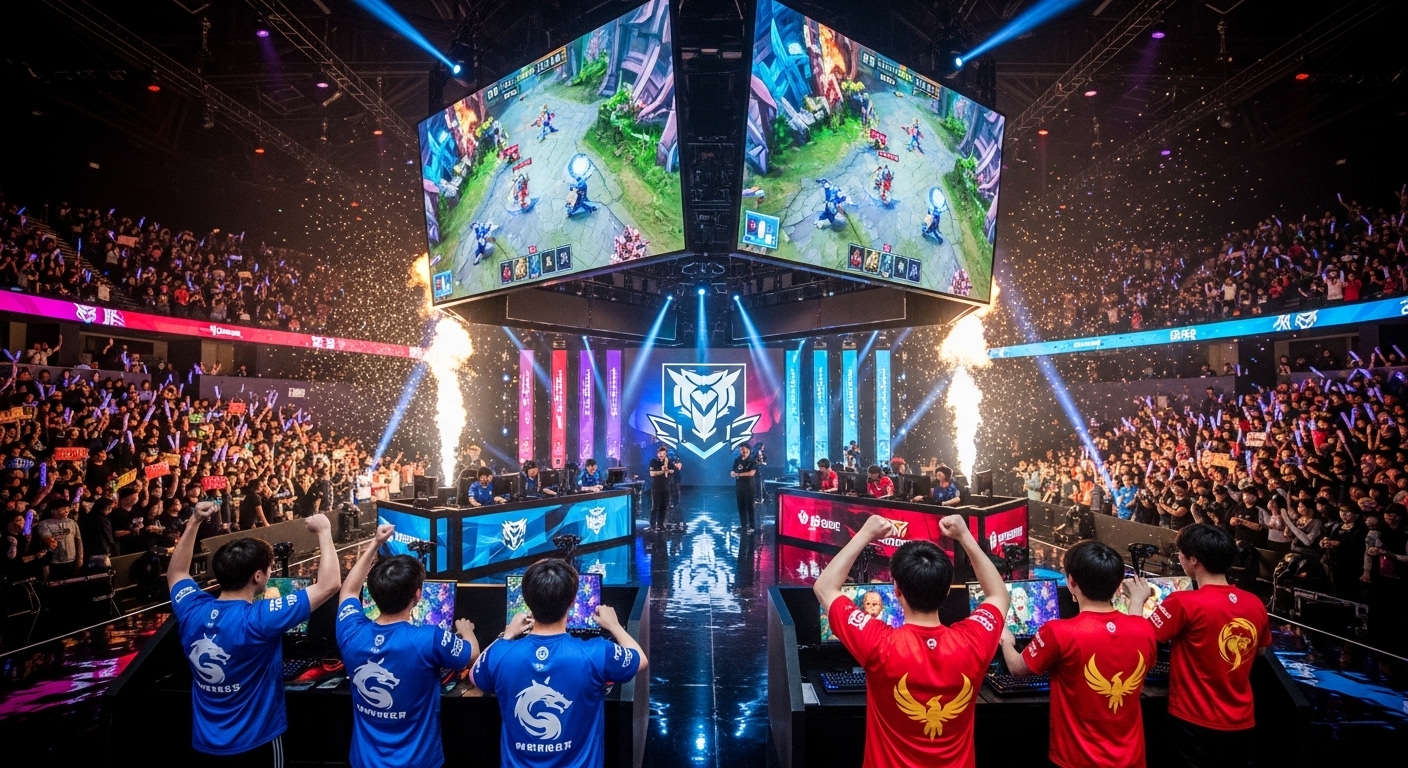
Major tournaments, such as The International for Dota 2, the League of Legends World Championship, and the Fortnite World Cup, attract millions of viewers globally and feature multi-million-dollar prize pools. Sponsorships, media rights, and merchandise revenue further cement esports as a sustainable and lucrative industry. The structure and professionalism of esports today rival those of conventional sports leagues.
Popular Esports Genres
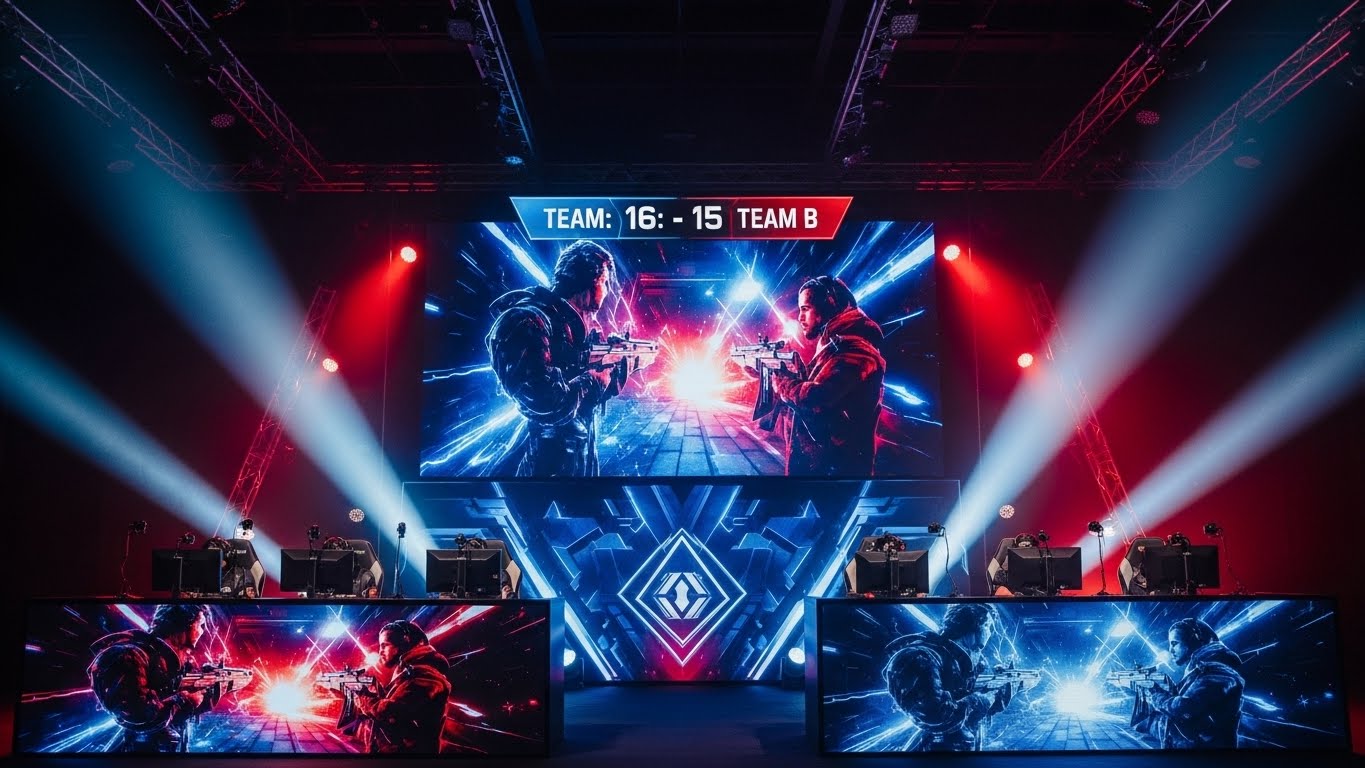
Esports encompasses a wide variety of game genres, each offering distinct challenges and entertainment value. Multiplayer online battle arena (MOBA) games like League of Legends and Dota 2 require strategic thinking, teamwork, and quick decision-making. First-person shooters (FPS), such as Counter-Strike: Global Offensive and Call of Duty, emphasize precision, reflexes, and tactical coordination.
Battle royale games like Fortnite and PUBG combine survival strategy with unpredictability, creating dynamic and engaging experiences. Fighting games, including Street Fighter and Tekken, focus on individual skill, timing, and reaction. Sports simulation games like FIFA and NBA 2K bridge traditional sports fandom with digital competition. The diversity of genres ensures that esports appeals to a wide spectrum of players and viewers.
Streaming Platforms and Audience Engagement
Streaming platforms have been crucial in the rise of esports. Services like Twitch, YouTube Gaming, and Facebook Gaming allow fans to watch live competitions, follow their favorite players, and interact with other community members. Streaming has transformed esports into a spectator-driven industry, expanding its reach far beyond traditional gaming circles.
Professional players use streaming as a tool to build personal brands, generating income through subscriptions, donations, and sponsorships. Interactive chat features, live reactions, and real-time feedback create a sense of community and engagement, strengthening the connection between players and audiences. Streaming platforms have democratized access to esports content, making it accessible to millions worldwide.
Esports Tournaments and Competitive Events
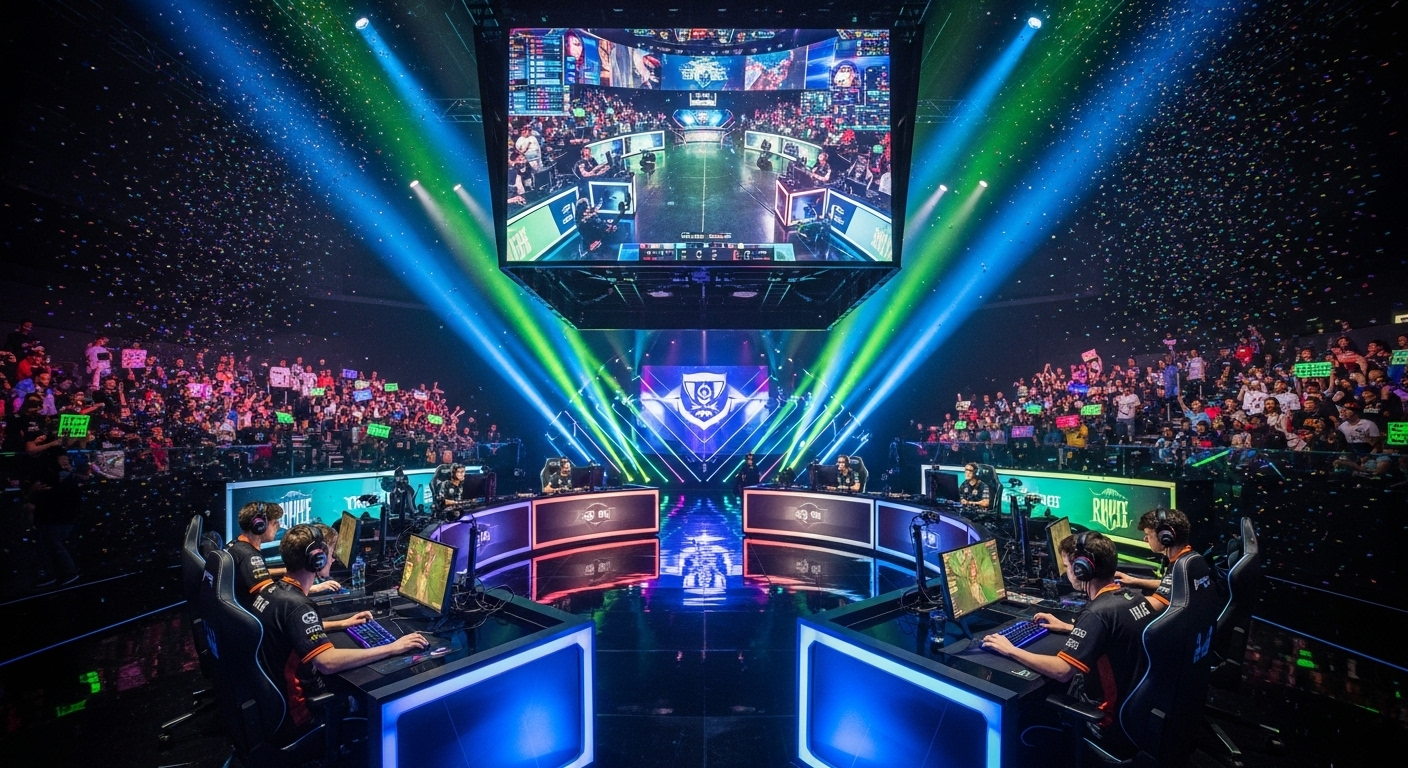
Esports tournaments have evolved from small-scale competitions to massive international spectacles. These events showcase skill, strategy, and entertainment, drawing millions of viewers online and in-person. Iconic tournaments such as the League of Legends World Championship, Dota 2’s The International, and CS:GO’s Majors are celebrated for their high production value, professional commentary, and fan engagement.
Tournament structures often include regional qualifiers, group stages, and knockout rounds, mirroring the organization of traditional sports events. In addition to professional tournaments, amateur and collegiate competitions provide pathways for new talent, ensuring the continued growth and sustainability of the industry.
Careers in Esports
Esports offers a diverse range of career opportunities beyond professional gameplay. Players can pursue careers as analysts, coaches, event organizers, content creators, and broadcasters. Organizations also employ marketing teams, social media managers, and community coordinators to manage fan engagement and brand development.
Professional esports careers require discipline, adaptability, and resilience. Players must navigate rapid changes in game mechanics, evolving competitive landscapes, and the pressures of high-stakes tournaments. Support staff play a crucial role in maintaining player well-being, highlighting the sophisticated and multifaceted nature of the industry.
The Business of Esports
The esports industry generates significant revenue from multiple sources. Tournament prize pools, sponsorships, media rights, merchandise, and advertising form the core of the economic ecosystem. Companies invest in esports to reach highly engaged, tech-savvy audiences, often younger demographics that are difficult to reach through traditional advertising channels.
Esports organizations monetize through diverse streams, blending competitive success with content creation, brand partnerships, and digital marketing. The financial growth of esports has attracted investment from venture capital, traditional sports franchises, and media corporations, further reinforcing its legitimacy and global appeal.
Training, Health, and Performance
Competitive gaming places unique demands on both physical and mental health. Professional players must maintain sharp reflexes, strategic thinking, and mental focus during long practice sessions and high-pressure matches. Teams employ sports psychologists, physiotherapists, and wellness coaches to support player health and prevent burnout.
Physical fitness is increasingly recognized as a key component of esports performance. Exercise, proper nutrition, and mental conditioning contribute to stamina, focus, and overall performance. The professionalization of esports ensures that players are prepared holistically, blending skill development with wellness practices.
Technology and Innovation in Esports
Technology is central to esports’ evolution. High-performance hardware, precise peripherals, fast internet connections, and data analytics enable high-level competition. AI-driven analytics allow teams to study opponents, optimize strategies, and enhance performance.
Emerging technologies like virtual reality (VR), augmented reality (AR), and cloud gaming are shaping the future of esports. VR esports can immerse players in fully interactive 3D environments, while AR overlays enhance audience experiences. Cloud gaming expands accessibility by reducing hardware requirements, allowing players to compete from virtually anywhere. Technology ensures that esports remains innovative, competitive, and engaging.
Esports and Education
Esports has increasingly entered educational institutions. Universities and schools now offer esports programs, scholarships, and student-run teams. Academic courses cover game design, esports management, broadcasting, and digital media, providing students with structured pathways to professional opportunities.
Integrating esports into education promotes teamwork, strategic thinking, and digital literacy. It also legitimizes gaming as a potential career path, demonstrating that esports can offer both entertainment and professional development opportunities.
Community and Cultural Impact
Esports is not just about competition; it is a cultural movement. Online communities, forums, and conventions foster engagement and social interaction. Fans celebrate their favorite teams, players, and games, creating vibrant subcultures around shared interests.
Esports has influenced broader entertainment culture, inspiring merchandise, music collaborations, films, and live events. Its global reach fosters cross-cultural interactions, uniting players and audiences from diverse backgrounds. Esports’ impact extends beyond gaming, shaping entertainment, media, and social trends.
Challenges Facing Esports
Despite its growth, esports faces challenges. Player burnout, mental health concerns, and short competitive careers are persistent issues. Regulatory frameworks for player rights, tournament integrity, and ethical standards are still developing in many regions.
Inclusivity remains a critical concern. Women and minority players often face barriers, and initiatives promoting diversity and equality are crucial to the industry’s future. Additionally, rapid game updates, balancing changes, and evolving platforms require continuous adaptation by players, teams, and organizations.
The Future of Esports
The future of esports is dynamic and promising. Advancements in virtual reality, augmented reality, cloud gaming, and artificial intelligence will enhance player and audience experiences. Global expansion and mainstream acceptance will further solidify esports as a major entertainment industry.
Interactive experiences will allow fans to influence gameplay, outcomes, and event production. Integration with traditional sports, media platforms, and corporate sponsorships will provide new professional opportunities. Esports is poised to remain a dominant force in entertainment and digital culture for years to come.
Conclusion
Esports has transformed from casual gaming into a professional, global phenomenon. It combines skill, strategy, teamwork, and technology, creating an ecosystem comparable to traditional sports. With professional players, international tournaments, sponsorships, streaming platforms, and engaged communities, esports has become a sustainable and influential industry.
Beyond competition, esports shapes culture, media, and social interaction. It offers career opportunities, educational pathways, and global connectivity, reflecting the power of technology and entertainment in the digital age. The rise of esports demonstrates that gaming is more than recreation—it is a cultural and professional movement that will continue to redefine the future of entertainment and competition worldwide.