Esports Metaverse: The Future of Digital Competition
The esports industry has witnessed an unprecedented surge in popularity over the last decade, transitioning from a niche hobby to a global phenomenon. But just as esports itself is evolving, so too is the world in which it exists. Enter the Metaverse—a digital universe where virtual reality (VR), augmented reality (AR), and interconnected digital worlds converge. As technology continues to advance, the Metaverse is poised to reshape the way we engage with esports, turning competitive gaming into an immersive, multi-dimensional experience.
In this blog post, we’ll dive into what the Esports Metaverse entails, how it is transforming digital competition, and why it’s the future of esports. From virtual arenas to new opportunities for player interaction, the Metaverse promises to redefine the boundaries of esports as we know it.
1. What Is the Esports Metaverse?
A Virtual World for Gaming, Competing, and Socializing
At its core, the Esports Metaverse refers to a digital ecosystem that combines gaming, virtual reality, social interaction, and digital economies into one seamless experience. Unlike traditional gaming experiences, where players interact with the game via screens, the Metaverse brings these experiences to life in immersive, 3D spaces, where players can interact with their environment and other participants in real-time.
The Esports Metaverse extends beyond simple games—it envisions a virtual arena where esports tournaments, live-streamed events, fan engagement, and even team practices can occur in fully realized virtual worlds. Players can attend games as avatars, explore virtual landscapes, and even create and personalize their own environments.
In this new reality, esports organizations, broadcasters, game developers, and fans come together within a shared digital space, enhancing competition with a more connected and engaging format. Imagine watching your favorite esports match not on a flat screen but in a fully immersive 3D arena, where you can move around, interact with other viewers, and experience the match from every angle.
2. How the Esports Metaverse Will Transform Competitive Gaming
A More Immersive and Interactive Experience
The beauty of the Esports Metaverse lies in its potential to transform how we view, participate in, and consume esports. Let’s break down some of the key ways the Metaverse will impact competitive gaming:
Virtual Arenas for Tournaments
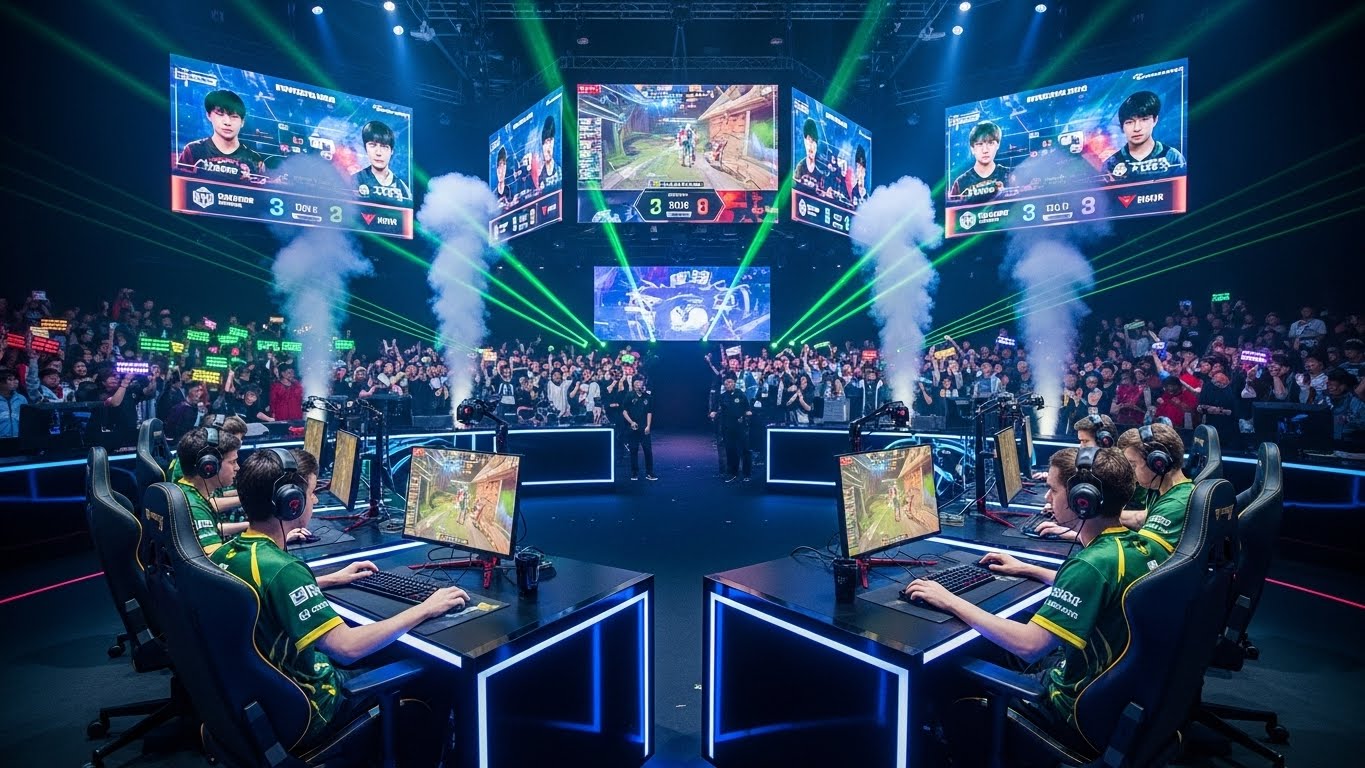
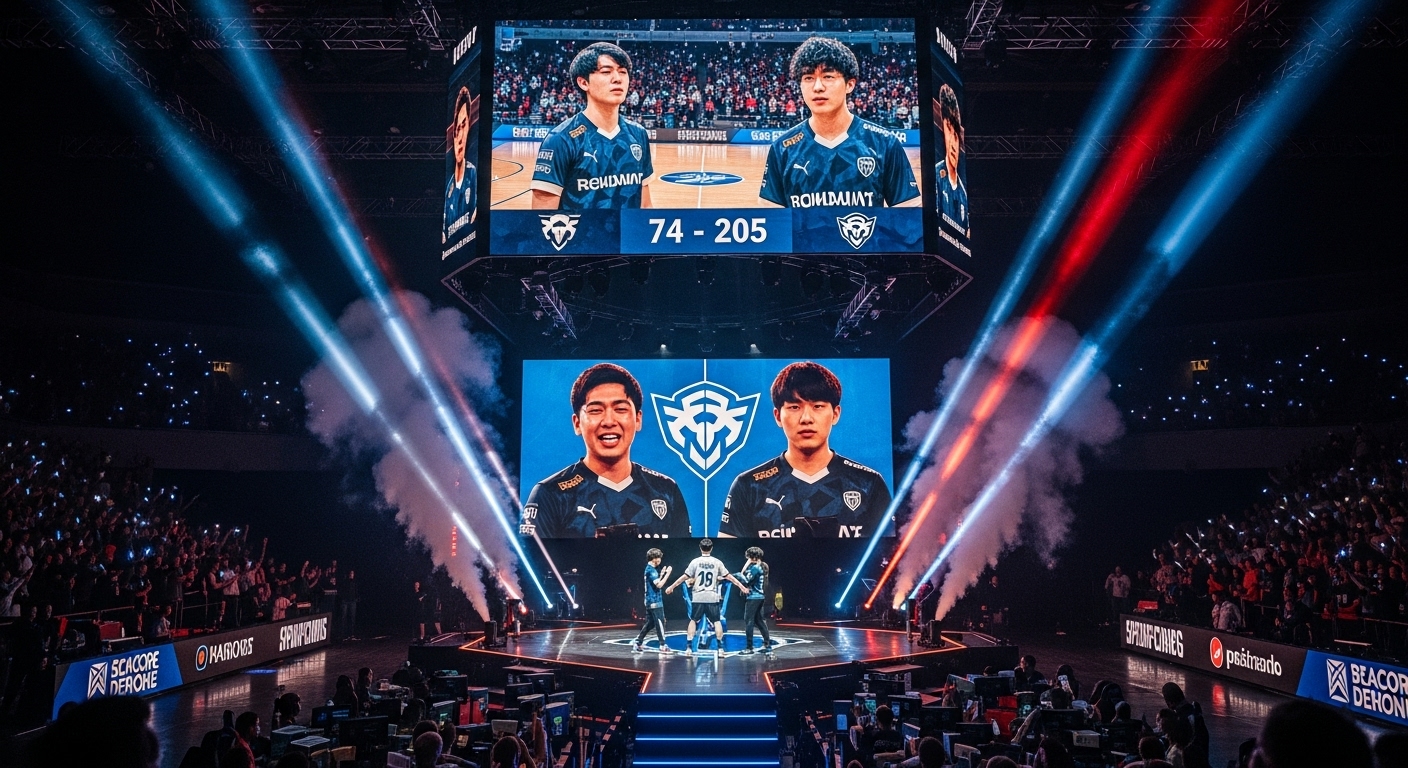
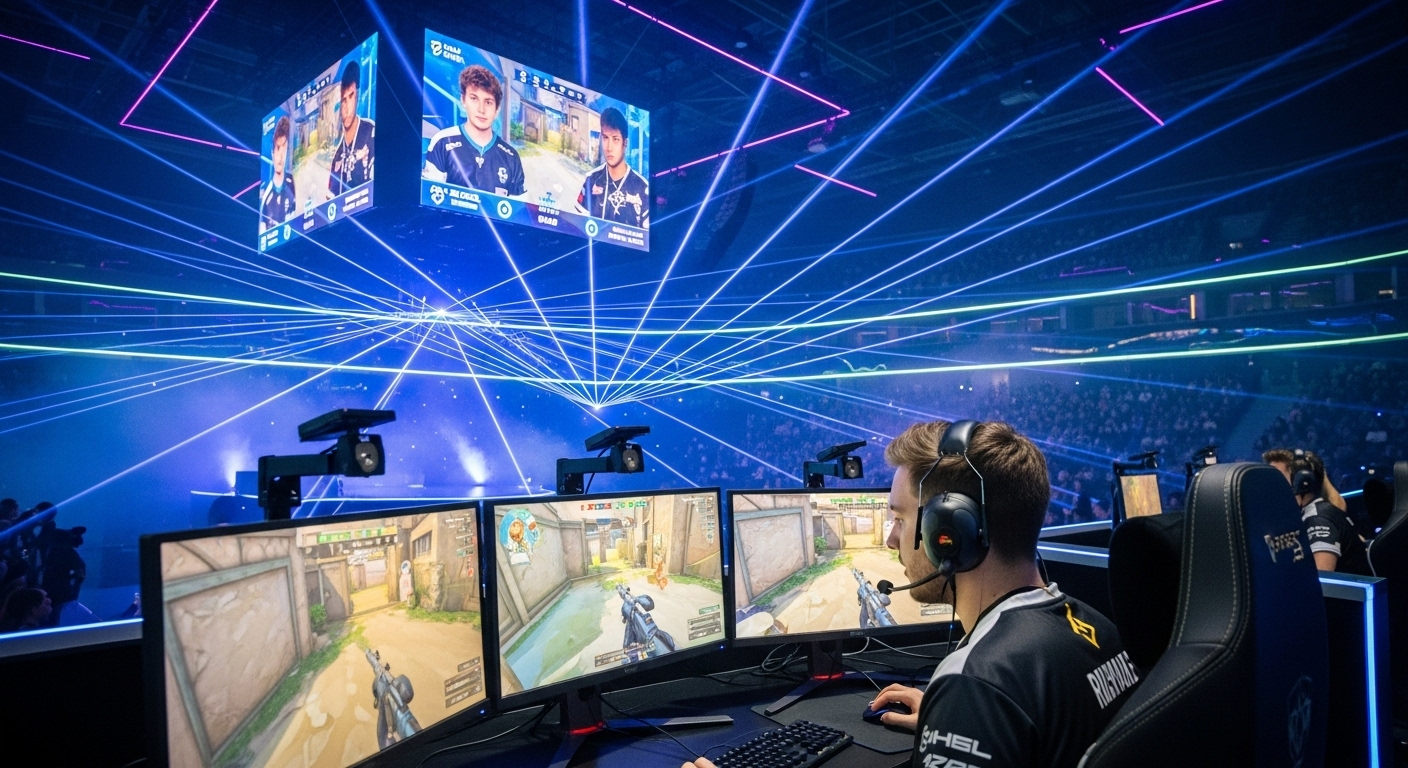
In the Metaverse, esports events won’t just be streamed on traditional screens; they’ll be hosted in virtual arenas where fans and players can participate in ways that are currently unimaginable. For example, imagine an entire League of Legends or CS:GO tournament taking place in a dynamic, 3D virtual stadium where fans can watch from different perspectives, move around the arena, or even enter private rooms to chat with other fans.
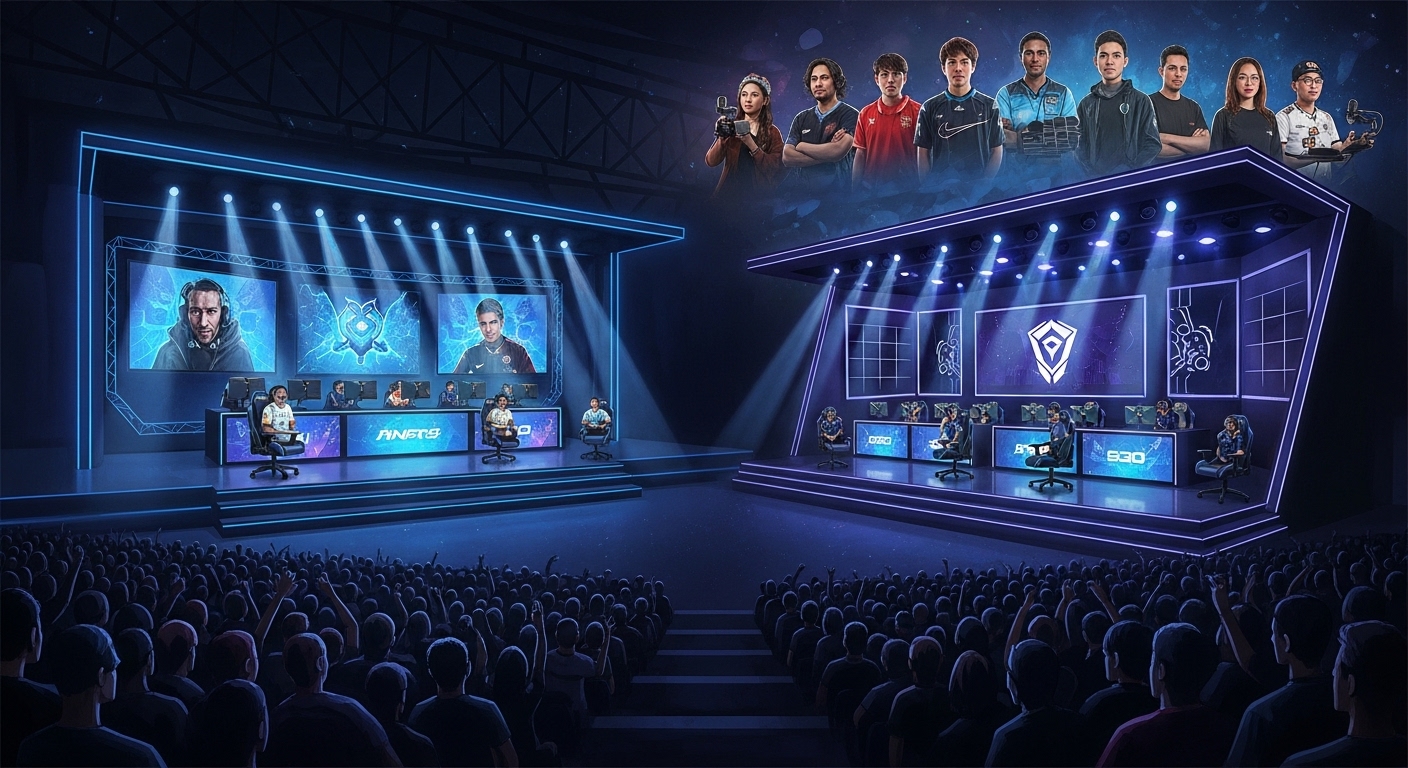
These virtual arenas will not be confined to a singular game either. Multiple esports titles can coexist within the same digital world, providing a rich, diverse experience for users. The concept of virtual arenas allows for limitless creativity in designing unique and interactive spaces tailored to specific games or events.
Cross-Game Competitions and Interoperability
One of the most exciting aspects of the Esports Metaverse is the idea of cross-game competitions. Unlike today’s esports model, where players and tournaments are siloed within specific games, the Metaverse will enable interoperability between different gaming universes. This opens the door to entirely new kinds of competitions, where players from different games could face off in unique, hybrid challenges.
For instance, a Fortnite player might team up with a Rocket League player in a multi-game tournament, leveraging each other’s strengths. The possibilities for cross-game esports events are endless, and they promise to blur the lines between different genres and attract diverse player bases.
Enhanced Fan Engagement
Fans in the Metaverse won’t just watch matches passively; they will become active participants. The Metaverse offers the ability for fans to enter virtual arenas, interact with their favorite players and teams, and experience the action up close. Augmented reality (AR) could allow fans to follow stats, get real-time commentary, or even “teleport” to different parts of the arena during matches.
Further, esports organizations could host virtual meet-and-greets, where fans can interact with players in a 3D space, ask questions, and explore virtual locker rooms or practice spaces. Fans could also customize avatars, interact with other fans globally, and purchase in-game skins or team merchandise using cryptocurrency or virtual currency.
3. The Role of Virtual Reality (VR) and Augmented Reality (AR) in the Esports Metaverse
Full Immersion and Real-Time Interactions
At the heart of the Esports Metaverse is virtual reality (VR) and augmented reality (AR), two technologies that will significantly enhance the way players and fans interact with esports.
Virtual Reality (VR):
For professional esports players, VR could offer an opportunity for immersive training environments. Imagine practicing in a virtual training facility that simulates a live tournament setting, allowing players to hone their skills in a realistic but virtual environment. For game designers, VR could offer new ways to create game mechanics that are more dynamic and engaging.
For fans, VR offers the chance to experience esports from the first-person perspective. Viewers could feel as though they are standing beside their favorite player during a match or sitting in the audience of a live esports event. The experience of “being there” will deepen fan engagement and make esports more accessible.
Augmented Reality (AR):
AR can transform how fans experience esports content in the real world. Imagine walking into a physical space, such as a gaming lounge or esports arena, and seeing AR overlays that provide live stats, player profiles, and match updates. AR could also allow players to view key in-game events or statistics in real-time as they play.
Furthermore, AR could revolutionize fan viewing experiences, offering the chance to track key moments in a match through holographic projections or interactive screens. In addition to offering additional layers of information, AR can make fans feel like they are part of the action, regardless of where they are.
4. Digital Economies and NFTs in the Esports Metaverse
A New Era of Digital Ownership and Monetization
The Esports Metaverse isn’t just about immersive gaming—it’s also about digital economies. As virtual worlds continue to grow, they are expected to host vast digital economies where players, teams, and fans can buy, sell, and trade digital assets such as skins, collectibles, and even tournament tickets.
Non-Fungible Tokens (NFTs)
NFTs are digital assets that can represent ownership of unique items, ranging from in-game skins and collectibles to exclusive tournament tickets and player memorabilia. Within the Esports Metaverse, NFTs could be used to authenticate in-game items, create rare digital collectibles, or even offer fans exclusive content.
For example, a fan might purchase an NFT that gives them access to virtual backstage content during an esports tournament, or they might collect limited-edition NFTs associated with a player’s career milestones. These NFTs not only offer fans the opportunity to own a piece of esports history but also create new revenue streams for teams and organizers.
5. Challenges and Opportunities for the Esports Metaverse
The Road Ahead
While the concept of an Esports Metaverse is thrilling, it also comes with its own set of challenges. Creating an interconnected digital world that allows for seamless competition, fan engagement, and economic transactions requires overcoming technical, social, and regulatory hurdles.
Challenges:
-
Technology Development: The infrastructure required for fully immersive VR and AR esports experiences is still evolving. High-speed internet, advanced computing hardware, and game development tools need to be accessible to both players and fans to ensure a smooth experience.
-
Player Adaptation: Transitioning from traditional esports to a Metaverse-based environment will require players to adapt to new training methods, gameplay mechanics, and virtual interaction styles. There’s a steep learning curve when it comes to mastering VR-based gameplay.
-
Monetization and Regulation: The integration of digital currencies, NFTs, and in-game economies will require new regulatory frameworks to ensure fair play, secure transactions, and ethical practices.
Opportunities:
-
Expanded Global Reach: The Esports Metaverse will allow fans and players from all corners of the globe to connect and compete, breaking down geographical barriers and enabling a truly international community.
-
New Revenue Streams: Esports organizations will be able to monetize in ways they’ve never done before—whether through NFT sales, virtual merchandise, or exclusive in-game content.
-
Endless Creativity: The virtual environments of the Esports Metaverse will provide an unprecedented level of creative freedom for game developers, designers, and esports organizers. This opens up the potential for more innovative game mechanics, tournament formats, and fan experiences.
Conclusion: The Future of Esports Is Virtual
The Esports Metaverse represents the next frontier of competitive gaming. As technology advances, the virtual world will become an increasingly important platform for players, fans, and teams to interact in ways that go beyond the limits of traditional esports. Whether it’s through immersive VR experiences, cross-game competitions, or digital economies, the Metaverse is set to redefine the future of esports.
As we stand on the precipice of this exciting new era, the possibilities are endless. One thing is certain: the future of esports is not only digital—it’s virtual, interconnected, and more immersive than ever before.