Introduction to Esports
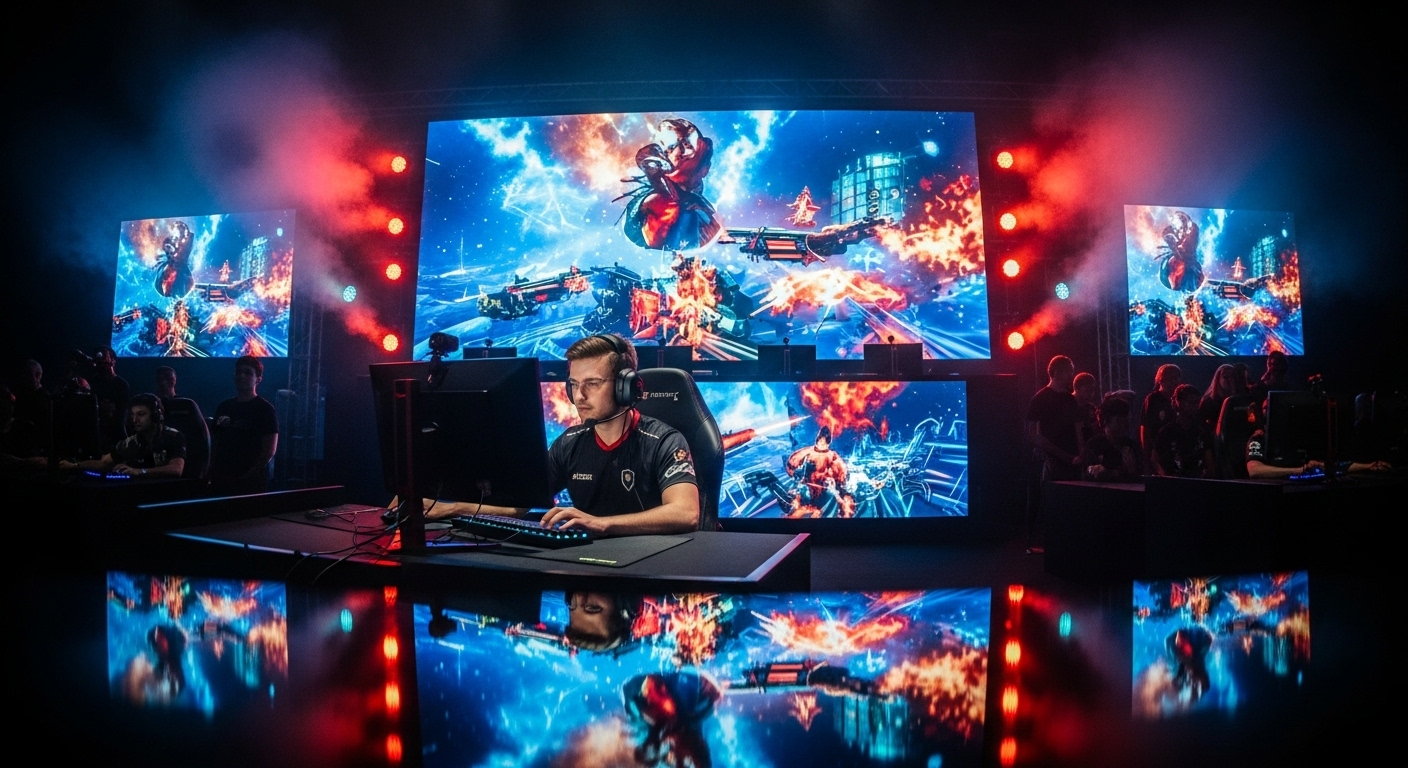
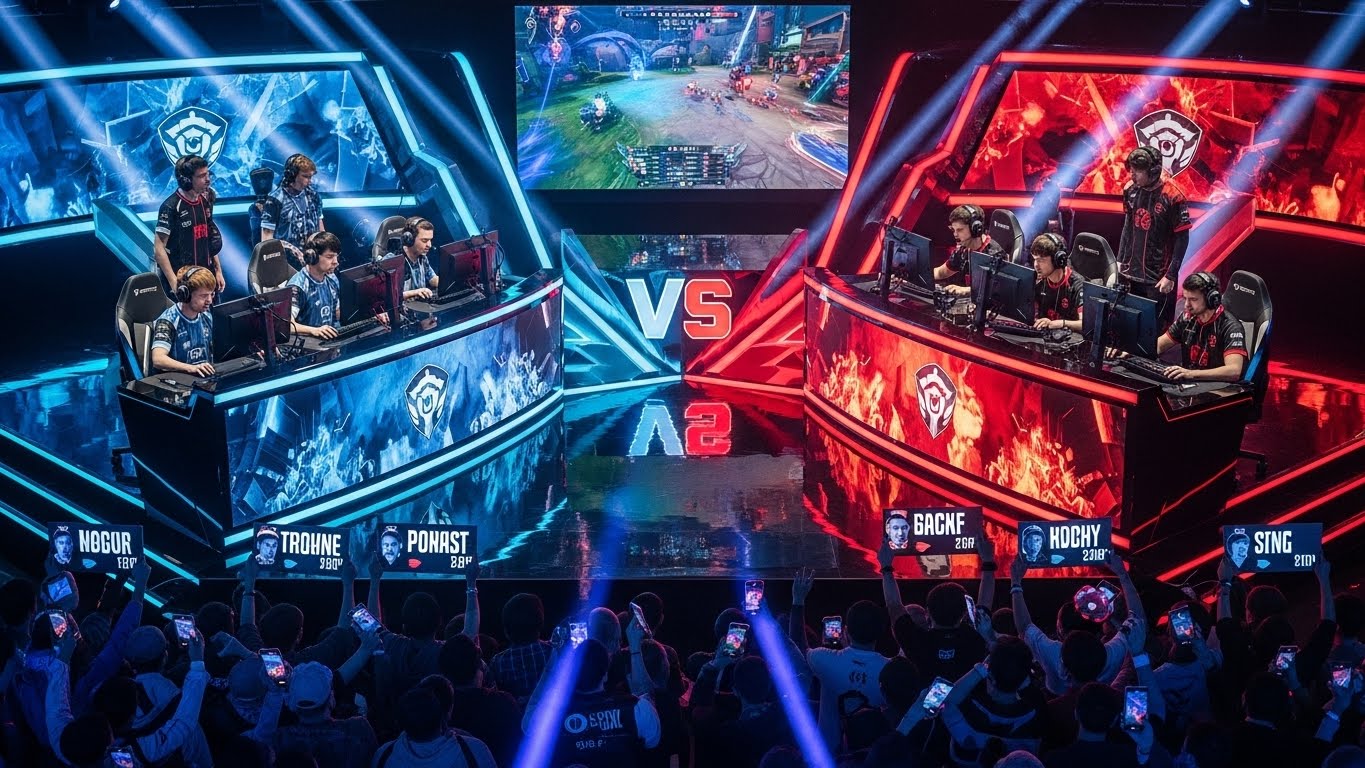
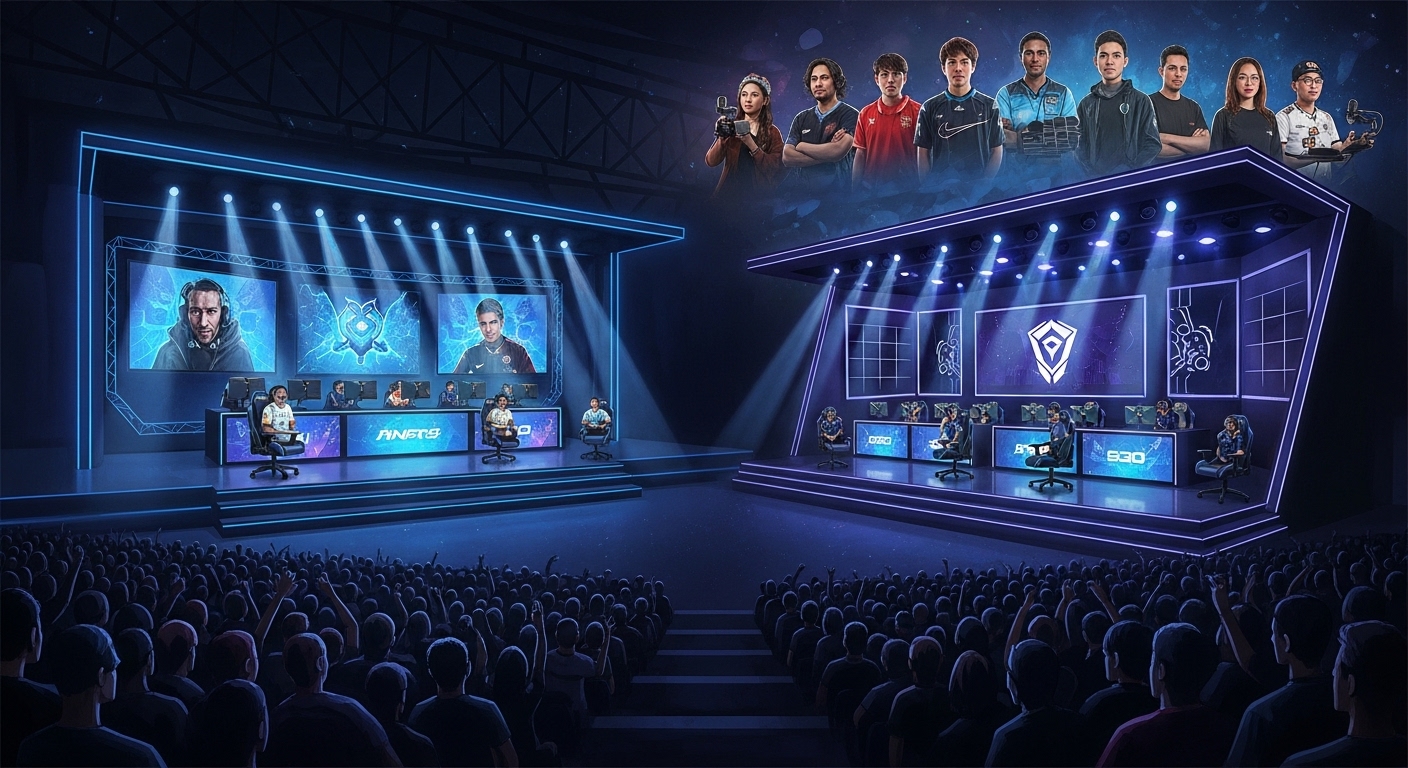
In the digital age, one of the most fascinating and fast-growing phenomena is Esports. What began as small, friendly competitions among gamers has evolved into a global industry worth billions of dollars, attracting millions of viewers, players, and sponsors from every corner of the world. Esports, short for electronic sports, refers to organized video game competitions where individuals or teams play against each other, often in front of live audiences and even larger online audiences through streaming platforms. It combines the excitement of traditional sports with the interactivity and accessibility of digital entertainment. Today, Esports stands as a cultural and economic powerhouse, bridging the gap between technology, entertainment, and competition.
The Origins of Esports
The story of Esports begins several decades ago, long before the term even existed. The first known video game competition took place in 1972 at Stanford University, where students gathered to compete in a game called Spacewar. The prize was a year’s subscription to a magazine, but it marked the start of a revolutionary idea: that video games could be more than just a pastime—they could be competitive.
During the 1980s and 1990s, arcade gaming and console systems gained massive popularity. Titles like Pac-Man, Donkey Kong, and Street Fighter became household names. Competitive gaming began to flourish in small communities, with players striving to set high scores and beat rivals. The emergence of local tournaments created the foundation for what would later evolve into professional Esports.
When the internet became more accessible in the late 1990s, multiplayer gaming took a giant leap forward. Games like Quake, Counter-Strike, and StarCraft transformed competitive gaming into a global activity. Players could now connect with opponents from different countries, compete in real time, and build international fan bases. It was during this period that professional gaming organizations, sponsorships, and prize pools began to appear, setting the stage for Esports to become a recognized global industry.
The Rise of Competitive Gaming
By the early 2000s, Esports had moved beyond being a niche hobby. Tournaments such as the World Cyber Games and Major League Gaming provided players with professional opportunities. South Korea emerged as a major Esports hub, with StarCraft becoming a national phenomenon. Players in Korea were treated like celebrities, drawing thousands of fans to live events and millions of viewers online.
As technology improved, so did the quality of games and competitions. Online streaming became more common, allowing fans to watch their favorite players in real time. Platforms like Twitch and YouTube Gaming gave Esports global visibility, turning it into an entertainment medium rivaling traditional sports broadcasts. Esports was no longer just about playing games—it had become a cultural movement with its own stars, commentators, and fan communities.
Popular Esports Titles
The world of Esports encompasses a wide variety of games, each with its own rules, strategies, and dedicated fan bases. Among the most popular Esports titles are:
League of Legends: A multiplayer online battle arena (MOBA) game that has dominated the Esports scene for over a decade. Known for its deep strategy, teamwork, and massive tournaments, it consistently draws millions of viewers during world championships.
Counter-Strike: Global Offensive (CS:GO): A first-person shooter that emphasizes precision, teamwork, and tactics. Its competitive scene is among the oldest and most respected in Esports history.
Dota 2: Another MOBA game, famous for its complex gameplay and enormous prize pools. The International, Dota 2’s annual world championship, often features prize money exceeding tens of millions of dollars.
Fortnite: A battle royale game that became a cultural sensation. Its mix of building mechanics and competitive play has made it a favorite among younger audiences.
Valorant: A modern tactical shooter that blends elements of CS:GO with unique character abilities. It quickly gained traction in the Esports community due to its fast-paced action and strategic depth.
Call of Duty and Overwatch: Both have established strong competitive leagues, supported by large gaming studios and backed by massive sponsorship deals.
Each of these games represents a distinct genre and style, showing how diverse the Esports landscape has become.
The Business of Esports
Esports has grown into a multibillion-dollar industry, encompassing tournaments, merchandise, sponsorships, streaming rights, and even betting markets. Teams operate much like traditional sports franchises, with coaches, analysts, and support staff. Top players earn salaries, bonuses, and endorsement deals. Some organizations are even owned by major sports clubs or entertainment companies.
Brands see Esports as a gateway to reach younger, tech-savvy audiences. Sponsors from technology, energy drinks, fashion, and even automobile industries invest heavily in tournaments and teams. Esports events fill stadiums and attract millions of online viewers, making them ideal platforms for global marketing campaigns.
Streaming platforms also play a critical role in the business model. With millions of daily viewers watching live tournaments and gaming content, advertising and subscription revenues have skyrocketed. This ecosystem continues to expand as more investors, celebrities, and companies enter the Esports market.
The Role of Technology in Esports
Technology is the backbone of Esports. From high-performance gaming hardware to advanced streaming platforms, every aspect of the industry depends on technological innovation. Improvements in internet connectivity, graphics processing, and online infrastructure have made global competitions seamless and accessible.
Virtual reality and augmented reality are also being explored to create new types of competitive experiences. Artificial intelligence is used for player analysis, game balancing, and even as a training tool. Cloud gaming allows players from around the world to compete without the need for expensive hardware. As technology continues to evolve, so will the potential of Esports to reach even broader audiences.
The Cultural Impact of Esports
Esports has transformed the way people view gaming. It has given legitimacy to a form of entertainment that was once dismissed as mere recreation. Today, professional gamers are recognized as athletes who train rigorously, develop strategies, and compete under intense pressure.
Esports has also fostered a sense of community among players and fans. Online forums, social media, and fan events allow people from different cultures to connect over a shared passion. This global inclusivity sets Esports apart from many traditional sports.
Furthermore, Esports has influenced pop culture, fashion, and even education. Universities now offer Esports scholarships, and schools have started incorporating gaming programs to teach teamwork and critical thinking. Music, film, and television have all embraced gaming themes, blurring the lines between entertainment genres.
Esports and Traditional Sports
The relationship between Esports and traditional sports is an interesting one. While they may seem different on the surface, both share core values such as competition, skill, and teamwork. Many sports organizations have recognized this and invested in Esports teams. For example, football clubs, basketball franchises, and even Olympic committees have begun exploring Esports integration.
Some argue that Esports should be considered a legitimate sport, while others believe it lacks the physical element required for such a title. However, the mental agility, reflexes, and coordination required in professional gaming rival those in many physical sports. As the debate continues, Esports’ growing audience and professional structure make it increasingly difficult to ignore.
The Challenges Facing Esports
Despite its success, Esports faces several challenges. One major issue is player burnout. The intense competition and long training hours can lead to physical and mental exhaustion. Additionally, the industry still struggles with issues such as cheating, match-fixing, and online toxicity.
Another challenge is sustainability. While prize pools and sponsorships bring in significant revenue, many smaller teams and tournaments struggle to maintain financial stability. There is also an ongoing debate about fair player contracts, revenue sharing, and the role of governing bodies in regulating competitions.
The question of inclusivity remains a concern as well. While Esports is open to everyone, female representation and diversity within professional teams are still limited. Efforts are being made to create more inclusive spaces, but progress has been gradual.
The Educational and Career Opportunities in Esports
Esports is not just about playing games—it has created a variety of new career paths. Players can become streamers, coaches, analysts, event organizers, or content creators. Game developers, marketers, and business managers all find roles within the industry.
Educational institutions have recognized this potential. Esports management degrees and scholarships are now available at many universities. These programs teach students about event management, marketing, psychology, and digital media—all tailored to the gaming industry.
For young people passionate about gaming, Esports provides a legitimate and exciting career option. It teaches valuable skills such as teamwork, communication, problem-solving, and strategic thinking—all of which are transferable to other professions.
The Global Expansion of Esports
Esports has become a truly global phenomenon. Regions like North America, Europe, and Asia dominate the competitive scene, but new markets are emerging in Africa, the Middle East, and South America. Nations are beginning to recognize Esports as an official sport, providing government support and infrastructure development.
International tournaments have also contributed to cultural exchange. Players travel across continents, and fans from different backgrounds unite under common fandoms. This global connectivity reflects the universal appeal of gaming as a shared human experience.
The Future of Esports
The future of Esports looks brighter than ever. With the growth of new technologies, increasing investments, and expanding audiences, it is poised to become one of the most influential entertainment industries in the world.
Mobile Esports is a particularly fast-growing sector, as smartphones become more powerful and accessible. Games like PUBG Mobile and Mobile Legends have created massive followings, especially in developing countries.
Esports may soon become a regular part of mainstream media and sports events. Discussions are already underway about including Esports in future Olympic programs, further legitimizing it as a competitive discipline. As technology, entertainment, and culture continue to merge, Esports stands at the forefront of this digital revolution.
Conclusion
Esports is more than just playing video games—it is a reflection of modern society’s connection with technology, competition, and creativity. From humble beginnings in university labs to global arenas filled with cheering fans, it has reshaped how people view gaming and entertainment.
It bridges generations, unites cultures, and creates opportunities in business, education, and beyond. Esports demonstrates that passion, skill, and innovation can turn digital play into a global phenomenon. As it continues to grow, one thing is certain: Esports is not a passing trend—it is the future of competitive entertainment, and its influence will continue to shape the world for years to come.