Introduction: The Rise of a New Era in Gaming
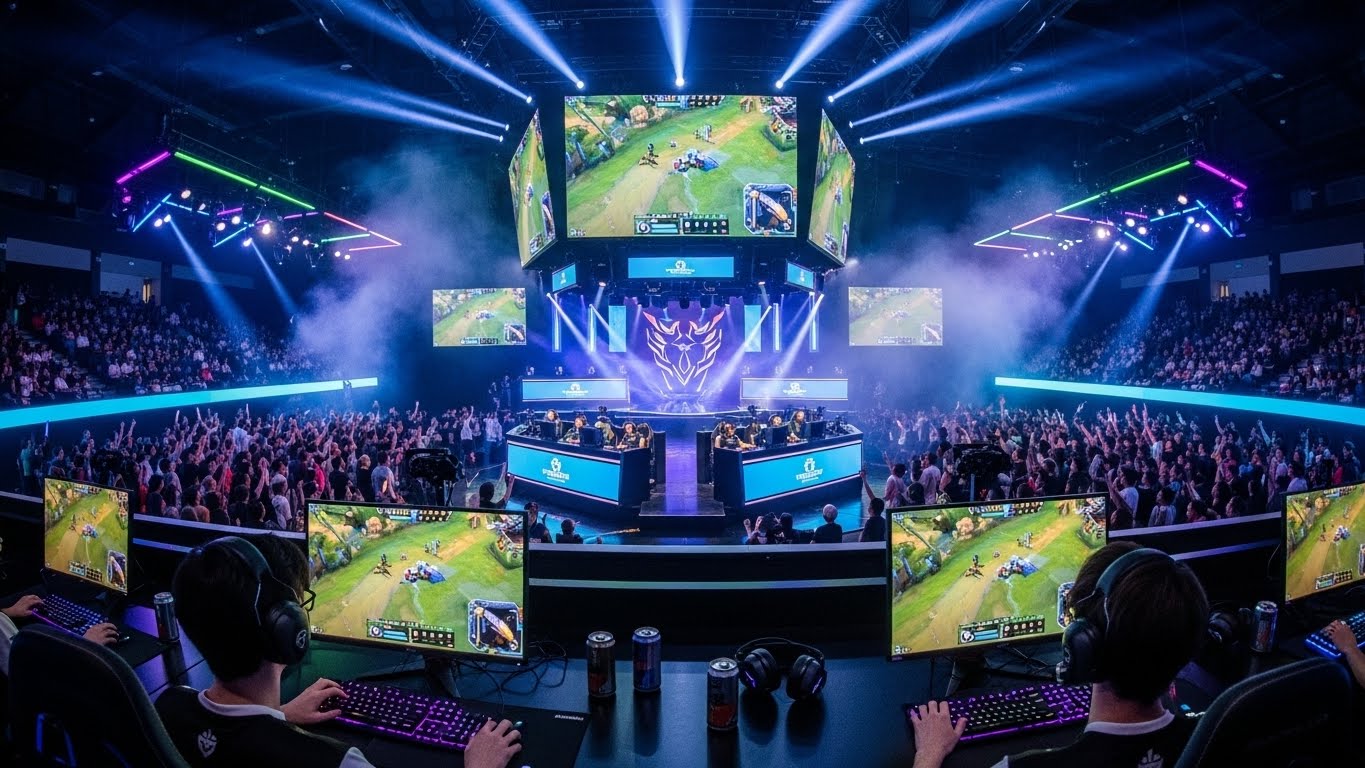
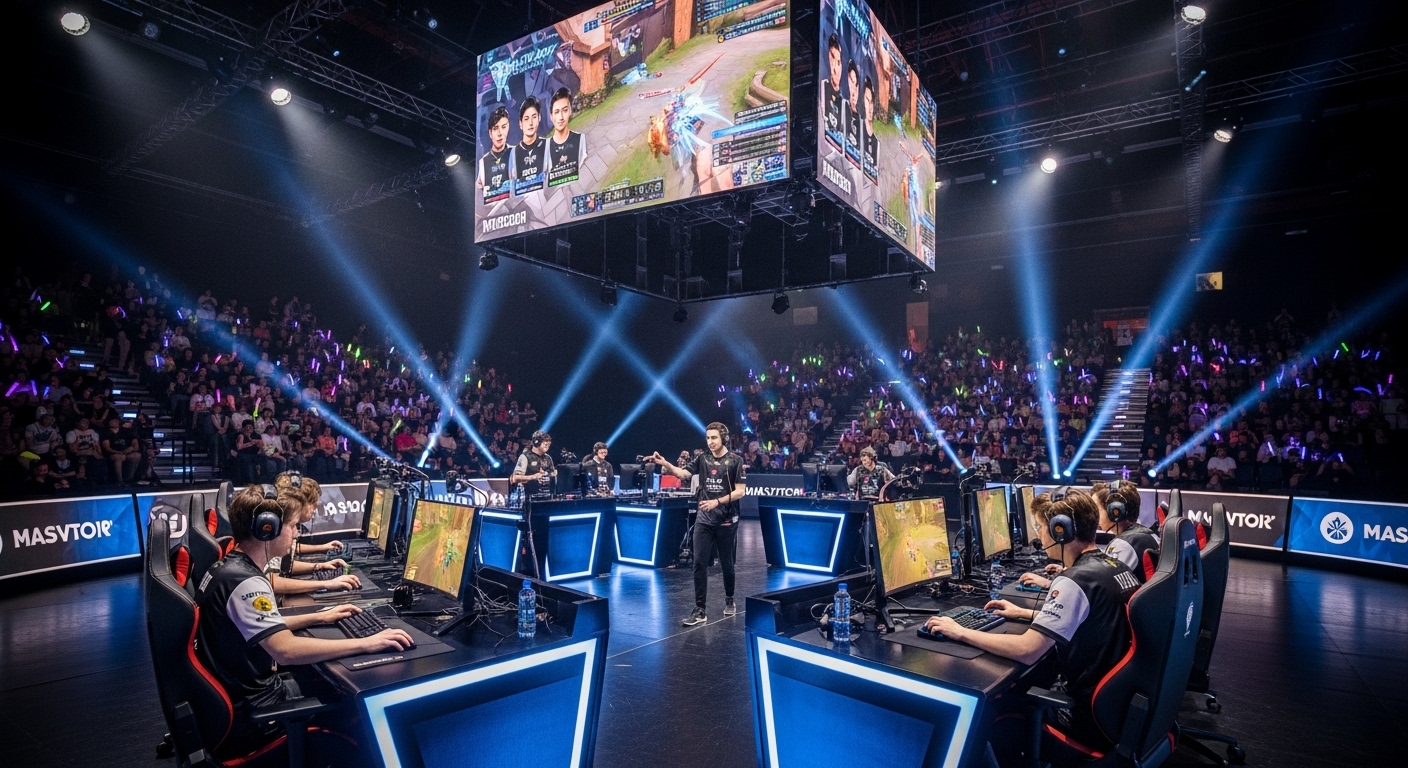
Esports, once considered a niche hobby for gamers, has exploded into a global entertainment phenomenon. What began as friendly competitions between players is now a multi-billion-dollar industry that attracts millions of fans, sponsors, and investors. Today, esports has moved far beyond the digital world, reaching mainstream audiences and establishing itself as a legitimate, high-profile career path for professional gamers. With massive tournaments, sponsorships from major brands, and a dedicated following, esports is no longer just a game—it’s a sport in its own right.
In this blog post, we’ll take a closer look at what makes esports so appealing, its meteoric rise, and how it’s revolutionizing the way we think about competition and entertainment in the digital age.
What Is Esports? More Than Just Playing Games
At its core, esports refers to organized multiplayer video game competitions, typically involving professional players, teams, and organizations. While anyone can play video games casually, esports turns this activity into a professional pursuit. Players train for hours, develop strategies, and participate in high-stakes tournaments that often offer millions of dollars in prize money.
Esports spans a wide range of game genres, with the most popular being real-time strategy games like StarCraft II, multiplayer online battle arenas (MOBA) such as League of Legends and Dota 2, first-person shooters (FPS) like Counter-Strike: Global Offensive and Overwatch, and battle royale games such as Fortnite and PUBG.
What differentiates esports from regular gaming is the level of competition. These events are professionally organized and involve players with high levels of skill and expertise. Teams and individuals go through intense practice regimens, strategizing and refining their gameplay in preparation for the biggest tournaments in the world.
The Explosive Growth of Esports
The rise of esports can be traced back to the early 2000s, but it wasn’t until the release of games like League of Legends and Dota 2 that the industry truly began to gain significant momentum. These games, designed with competitive play in mind, quickly became fan favorites and set the stage for what esports would become today.
A turning point came in 2011 when League of Legends introduced its first World Championship, attracting thousands of live viewers and millions of online spectators. Since then, esports tournaments have grown exponentially, with prize pools for major events often surpassing $10 million. For example, The International (Dota 2’s World Championship) has consistently boasted one of the largest prize pools in all of esports.
As the popularity of esports grew, so did its accessibility. Streaming platforms like Twitch allowed fans from around the world to watch live events, interact with players, and follow their favorite teams. Major global tournaments like the League of Legends World Championship and CS:GO Major Championships now draw in millions of viewers, rivaling traditional sports in terms of viewership and online engagement.
Esports and Streaming: A Match Made in Digital Heaven
One of the driving forces behind the rise of esports has been the proliferation of streaming platforms. Twitch is the leading platform for esports and gaming content, allowing players to stream their gameplay live to audiences around the world. This interaction between gamers and fans creates a unique dynamic, where viewers can engage with the players, ask questions, and share in the excitement of the game.
The ability to watch live competitions or streamers playing their favorite games has turned esports into a daily ritual for many. In fact, platforms like Twitch not only help to promote esports tournaments but also allow players to grow their personal brands, attract sponsorships, and build a following. The popularity of streaming has created a direct line between players and their fans, fostering a community of passionate supporters.
Streaming also opens up esports to audiences who might not have access to in-person events. Whether someone is tuning in from the United States, South Korea, or Brazil, esports is a truly global experience that can be enjoyed from the comfort of your home.
Sponsorships and the Business of Esports
Esports has quickly become a major business, attracting sponsorships from global brands and even traditional sports teams. Companies like Intel, Coca-Cola, Red Bull, and Nike have all invested in esports through sponsorships and partnerships. These brands see esports as a way to connect with younger, tech-savvy audiences who are increasingly disengaged from traditional forms of advertising.
In addition to sponsorships, esports organizations generate revenue through merchandise sales, ticket sales to live events, and media rights. The streaming of esports content on platforms like Twitch and YouTube Gaming provides another revenue stream, as ads, subscriptions, and donations help to sustain the ecosystem.
Major tournaments also attract substantial corporate investment, from gaming hardware companies providing gear to production companies handling the live broadcasting of events. This influx of money has allowed esports organizations to offer players lucrative contracts and salaries, making professional gaming a viable career option. Players can earn money not just from tournament winnings but also from sponsorships, live streaming, and content creation.
The Global Appeal of Esports
One of the most fascinating aspects of esports is its universal appeal. Unlike traditional sports, which are often confined to specific regions or countries, esports is truly global. Players from every corner of the world compete in international tournaments, with fans cheering them on from every continent.
Esports has a unique ability to transcend language barriers and bring people together through a shared passion for gaming. Whether it’s watching a League of Legends match in North America or a Dota 2 competition in China, fans from all over the world come together to celebrate the sport. The digital nature of esports allows for easy access, making it an inclusive and accessible form of entertainment for people of all ages and backgrounds.
Moreover, esports has played a huge role in breaking down cultural and geographical barriers. Games like League of Legends, Counter-Strike, and Fortnite have become part of the global gaming culture, where players and fans from different parts of the world can connect through their shared love of these games.
The Future of Esports: Virtual Reality, Mobile Gaming, and Beyond
As esports continues to grow, the future looks bright, with exciting innovations on the horizon. One of the most anticipated developments is the integration of virtual reality (VR) and augmented reality (AR) into esports. VR could offer more immersive gaming experiences for both players and spectators, allowing fans to experience the action as if they were inside the game. Similarly, AR could enhance live broadcasts, adding new layers of information and interactivity.
Another area of growth is mobile esports. With the increasing power of smartphones and mobile gaming platforms, titles like PUBG Mobile, Clash Royale, and Arena of Valor have gained traction in competitive esports. Mobile gaming has become particularly popular in regions where PC or console gaming is less accessible, and it’s opening the door for even more people to participate in the world of esports.
Finally, as esports continues to evolve, the relationship between traditional sports and esports will only strengthen. Major traditional sports leagues, such as the NFL and NBA, have already invested in esports organizations and tournaments, recognizing the potential of esports to complement their existing offerings. The future could see hybrid events, combining traditional sports and esports in new and exciting ways, offering fans an entirely fresh viewing experience.
Conclusion: The Unstoppable Rise of Esports
Esports has evolved from a small, niche community into a global powerhouse that rivals traditional sports in terms of popularity, viewership, and revenue. The rise of streaming platforms, massive sponsorship deals, and a truly global fanbase have made esports a force to be reckoned with in the world of entertainment.
As technology continues to improve, and more players and fans become involved, esports will only continue to grow. With innovations like VR, mobile gaming, and crossover events with traditional sports on the horizon, the future of esports looks incredibly promising.
Esports isn’t just a fad or a passing trend—it’s a digital revolution that’s here to stay. Whether you’re a gamer or a fan, one thing is certain: the world of esports will continue to captivate, entertain, and inspire for years to come.