Introduction
In the span of just a few decades, esports has evolved from being a fringe activity for enthusiasts to a global entertainment juggernaut. What was once a small community of gamers competing for bragging rights has turned into a billion-dollar industry with a massive global following. Competitive gaming now attracts millions of viewers, with tournaments often broadcast on TV and streamed live across the world, creating opportunities for players, teams, and brands alike. But how did esports go from a niche hobby to one of the fastest-growing entertainment sectors in the world? This blog explores the rise of esports, the factors that fueled its growth, and what makes it so captivating for fans and participants.
The Early Days of Esports: From Casual Competition to Professional Leagues
Esports traces its origins back to the early days of video gaming. As soon as multiplayer games became available, a subset of gamers began competing against each other. These early competitions were small and mostly informal, often taking place at local LAN parties or online forums. The first major esports event that attracted significant attention was the Red Annihilation tournament in 1997 for the game Quake. This event marked a key turning point in competitive gaming, with the prize being a Ferrari. Though it was small by today’s standards, it set the stage for future esports events and proved that professional-level gaming could attract serious attention.
Over the next decade, esports began to grow in South Korea, where the country’s government and corporations invested heavily in the infrastructure required to support competitive gaming. By the early 2000s, the StarCraft Pro League had been established, leading to the creation of professional teams and dedicated leagues. These tournaments were broadcast on television and gained a significant following, especially in Asia, where gaming was already a cultural staple. It was during this time that esports began to evolve into a more structured and organized industry.
The 2000s also saw the creation of organizations like Major League Gaming (MLG) and the World Cyber Games (WCG), which began to formalize competitive gaming as a sport. However, it wasn’t until the launch of Twitch in 2011 that esports truly exploded. Twitch allowed gamers to broadcast their gameplay to a global audience, effectively democratizing competitive gaming and allowing anyone to tune in and watch the action live. This opened the door for massive, global viewership and made esports a viable form of mainstream entertainment.
The Growth of Esports: Big Tournaments, Bigger Audiences
The real turning point for esports came with the global expansion of popular multiplayer games like League of Legends, Dota 2, Counter-Strike: Global Offensive, and Fortnite. These games not only introduced millions of players to competitive gaming but also built robust infrastructures for professional play. The introduction of esports leagues for specific games, such as the Overwatch League and the League of Legends Championship Series (LCS), cemented esports as a legitimate sport, with players earning salaries, sponsors, and recognition similar to traditional athletes.
Large-scale esports tournaments began to gain significant media attention, with prize pools reaching staggering amounts. The International, a Dota 2 tournament, holds the record for one of the largest prize pools in esports, often surpassing $30 million. These tournaments attracted millions of viewers, both online and in person. The growth of streaming platforms like Twitch and YouTube Gaming made it possible for fans to follow the action live, interact with players, and even influence the outcomes of certain events in real-time.
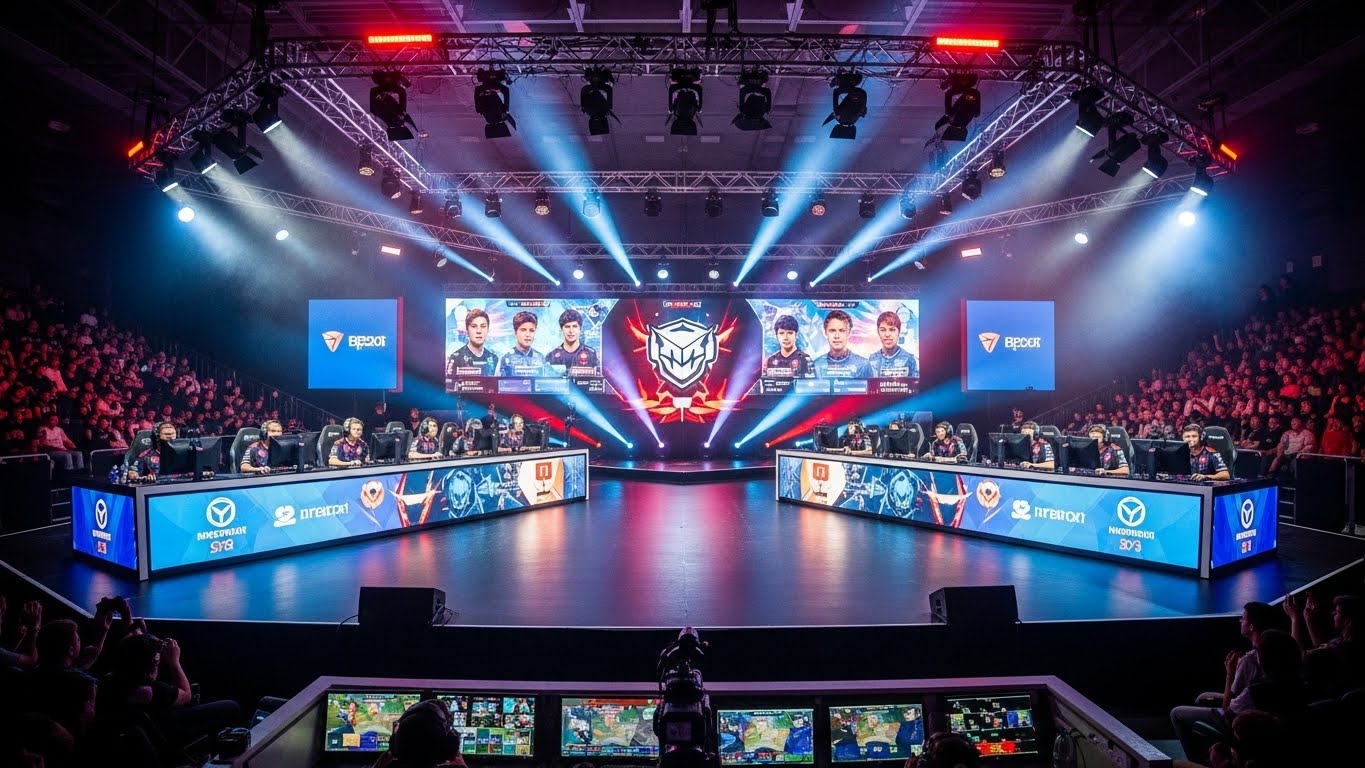
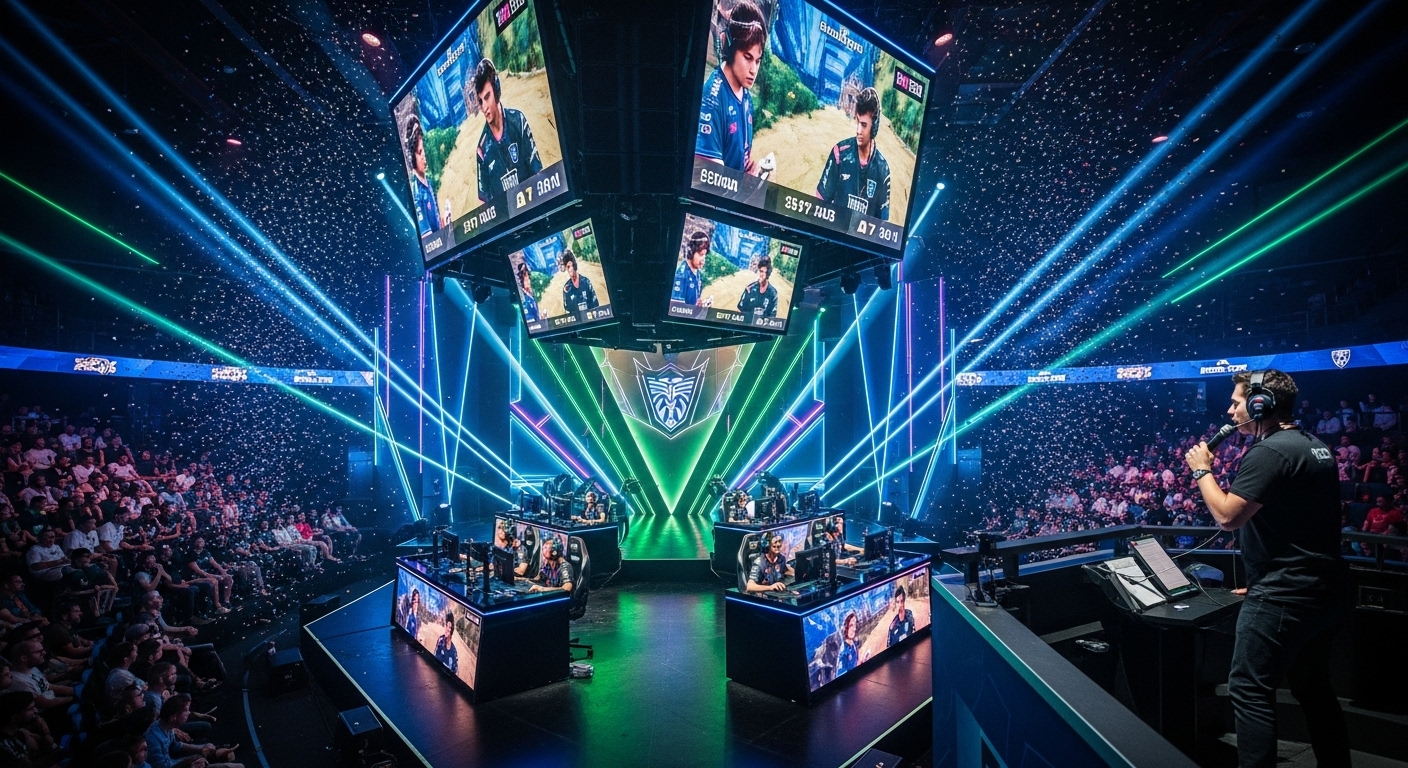
At the same time, esports began to gain recognition in mainstream media. Major networks like ESPN and Fox Sports started airing esports events, and even traditional sports networks began to broadcast gaming content. In fact, some esports tournaments have even sold out massive arenas, with fans lining up for hours to see their favorite teams compete live. The 2019 League of Legends World Championship final at the AccorHotels Arena in Paris sold out with more than 20,000 attendees. These events rival traditional sporting events in terms of attendance, viewership, and energy.
The Business Side of Esports: Sponsorships, Investment, and Monetization
One of the driving forces behind the rise of esports is the immense financial investment flowing into the industry. As esports gained visibility and popularity, it began to attract the attention of major sponsors, investors, and media companies. The gaming industry itself is already worth billions, and the esports sector is growing rapidly, with projections suggesting that it could generate over $1.5 billion in revenue by 2023. This revenue comes from various sources, including sponsorships, advertising, media rights, merchandise, and in-game purchases.
Sponsorships play a huge role in esports, with major brands from industries such as technology, beverages, and even luxury goods eager to align themselves with top teams and tournaments. Companies like Intel, Coca-Cola, Red Bull, and Nike are regular sponsors of esports events, offering financial support in exchange for brand exposure. These partnerships have helped fuel the industry’s growth and made esports more appealing to mainstream audiences. Additionally, major gaming publishers like Riot Games, Valve, and Blizzard Entertainment have invested heavily in esports, often organizing tournaments and providing funding for competitive gaming events.
Esports has also become a lucrative avenue for content creators and professional players. Popular streamers can make significant money through platform subscriptions, donations, and sponsorships, while professional players often receive salaries from esports organizations, prize money, and endorsement deals. Top players can make millions of dollars annually, which has helped establish esports as a full-time career choice for many aspiring gamers.
The commercial success of esports has not only benefited players but also led to the development of new revenue streams. For example, esports teams and organizations have expanded their reach by selling branded merchandise, launching digital subscription services, and even creating content for streaming platforms and social media channels. This allows fans to engage with their favorite teams and players even outside of live tournaments, further cementing esports’ place in modern entertainment.
Esports Teams and Players: The Heart of Competitive Gaming
At the core of esports are the professional teams and individual players who dedicate their lives to mastering their respective games. Much like traditional sports teams, esports organizations sign players, employ coaches, analysts, and managers, and train rigorously for upcoming tournaments. These organizations are the backbone of the industry, and many of the top teams, such as Cloud9, Team Liquid, Fnatic, and T1, have global fan bases that rival those of traditional sports franchises.
Players in the esports scene can be considered true athletes, albeit of a different sort. While they may not be physically exerting themselves in the same way as basketball or football players, they require an exceptional combination of skills: sharp reflexes, strategic thinking, teamwork, and mental resilience. Professional players spend hours each day practicing their craft, perfecting their mechanics, and learning the intricacies of their respective games.
The life of an esports player is rigorous and demanding. In addition to practice and competition, players must engage with their fan base on social media and streaming platforms, often balancing their personal lives with the intense pressures of being in the spotlight. As a result, many esports organizations now provide their players with health and wellness programs to address issues like burnout, mental health, and physical strain from long gaming sessions.
Esports athletes can achieve significant recognition, with some of the top players gaining celebrity status in the gaming community. Popular players like Faker (Lee Sang-hyeok) from T1 or Ninja (Tyler Blevins), a streamer known for playing Fortnite, have millions of followers, and their influence extends far beyond the gaming world. These individuals have partnerships with major brands, appeared in commercials, and even worked on projects outside the gaming industry, further elevating esports into the mainstream.
Esports and the Future of Entertainment
The future of esports looks incredibly bright, with several trends and innovations poised to reshape the industry in the coming years. One of the most exciting prospects for the future of esports is the increasing integration of emerging technologies such as virtual reality (VR) and augmented reality (AR). As gaming technology continues to improve, esports competitions could become more immersive and interactive for both players and viewers. VR esports tournaments, where players compete in fully immersive digital environments, could transform the way fans experience competitive gaming, making it even more engaging.
Another major factor driving esports forward is the increasing focus on mobile gaming. With the proliferation of smartphones, mobile esports titles like PUBG Mobile, Free Fire, and Mobile Legends have become incredibly popular, particularly in regions like Southeast Asia and India. As mobile gaming technology continues to improve, esports on mobile devices is likely to become even more prominent, offering a new avenue for both players and fans to engage with the competitive gaming scene.
Esports is also expected to continue growing its presence in traditional sports and mainstream media. More professional sports organizations are investing in esports, with teams from the NFL, NBA, and even European football clubs entering the esports world by forming or sponsoring esports teams. Additionally, major media companies are recognizing the potential of esports, and broadcasts of major tournaments are increasingly being featured on platforms like ESPN, Fox Sports, and regional networks. This increasing visibility will help solidify esports as a permanent fixture in global entertainment.
Challenges and Areas of Growth
Despite its success, esports faces challenges that could impact its long-term growth. One of the key issues is the sustainability of player health and well-being. The demands of competitive gaming, long hours of practice, and constant pressure to perform can lead to physical and mental burnout. Esports organizations have started to implement wellness programs to address these issues, but this remains an area that will need continuous attention.